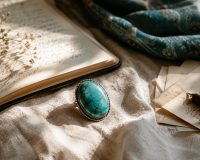
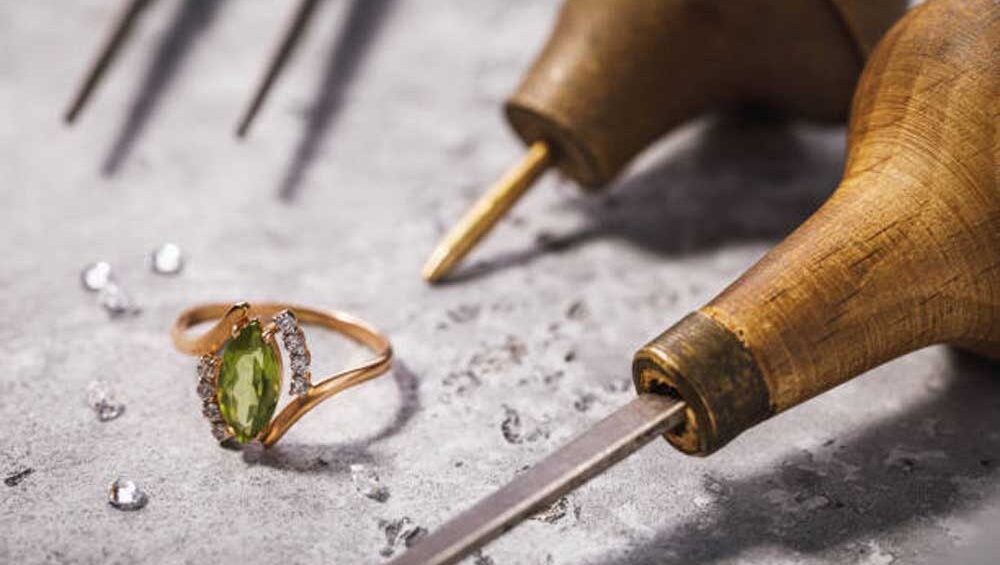
In a world dominated by mass-produced items, artisan jewelry stands out as a true gem. Handcrafted with passion and expertise, these one-of-a-kind pieces of wearable art capture the imagination and evoke a sense of individuality. In this article, we dive into the craft behind artisan jewelry, exploring the masterpieces created by skilled artisans.
Every piece of artisan jewelry tells a story. From the carefully selected gemstones to the intricate metalwork, each element is meticulously chosen and skillfully crafted to create a unique and captivating design. With attention to detail and a commitment to quality, these skilled artisans pour their heart and soul into every jewelry piece they create.
The beauty of artisan jewelry lies in its authenticity. Unlike mass-produced jewelry, each artisan piece is a testament to the artist’s creativity and expertise. From delicate necklaces adorned with vibrant gemstones to bold statement rings that make heads turn, artisan jewelry offers a diverse range of styles to suit every taste.
Join us as we celebrate the art of handmade jewelry and dive deeper into the world of artisan craftsmanship. Discover the significance of owning a piece of artisan jewelry and explore the passion and dedication that goes into creating these handcrafted masterpieces.
History and Significance of Handcrafted Jewelry
The history of handcrafted jewelry is as rich and diverse as the cultures that have created it. For thousands of years, humans have adorned themselves with jewelry made from natural materials, from shells and stones to metals and gemstones. In ancient civilizations, such as Egypt and Mesopotamia, jewelry was not merely decorative; it served as a status symbol and played a significant role in religious and cultural practices. The artisans of these times were revered for their skills, as they transformed raw materials into exquisite pieces that held deep meanings.
Handcrafted jewelry has always been a reflection of the society it originates from. During the Middle Ages, for instance, artisans in Europe began to incorporate intricate designs and symbolism into their work, with pieces often representing familial heritage or religious beliefs. The Renaissance period saw a revival of classical styles, with craftsmanship reaching new heights in Europe. Artisans paid meticulous attention to detail, employing techniques passed down through generations, creating pieces that were not only beautiful but also meaningful.
In the modern era, the significance of handcrafted jewelry has evolved, yet it remains a powerful medium for self-expression. With the rise of mass-production and disposable fashion, artisan jewelry serves as a counterpoint, emphasizing individuality and personal connections. Each piece tells a unique story, often inspired by the artisan’s experiences, culture, or the natural world. As consumers increasingly seek authenticity and sustainability, the allure of handcrafted jewelry continues to grow, reminding us of the beauty and history embedded in every piece.
The Process of Creating Artisan Jewelry
Creating artisan jewelry is a labor-intensive process that requires a blend of creativity, skill, and patience. The journey typically begins with inspiration, which can stem from various sources, such as nature, architecture, or personal experiences. Artisans often sketch their ideas, experimenting with different shapes and forms before settling on a final design. This initial phase is crucial, as it lays the groundwork for the entire piece, allowing the artisan to visualize how the elements will come together.
Once the design is established, the artisan carefully selects the jewelry materials to be used. This selection process is vital, as the choice of metals, gemstones, and other components can significantly impact the final product. After gathering the necessary materials, artisans proceed to the fabrication stage, where they employ various techniques such as soldering, casting, or wire wrapping. Each technique requires a deep understanding of the properties of the materials and hands-on skill, as well as a keen eye for detail.
The final steps in the creation of artisan jewelry involve polishing, finishing, and often, personalizing the piece. Artisans may add patinas, engravings, or unique textures to enhance the overall aesthetic. This meticulous attention to detail ensures that every piece is not only visually stunning but also of the highest quality. The entire process, from conception to final touches, can take days, weeks, or even months, reflecting the dedication and artistry that goes into each handcrafted masterpiece.
Materials Used in Artisan Jewelry Making
The materials used in artisan jewelry making play a crucial role in defining the piece’s character and value. Artisans often choose high-quality metals such as gold, silver, and platinum, each offering distinct properties that influence the design and durability of the jewelry. Silver, for instance, is favored for its malleability and luster, making it ideal for intricate designs, while gold is revered for its timelessness and resistance to tarnish. Additionally, some artisans may opt for recycled metals, aligning their work with sustainable practices that minimize environmental impact.
Gemstones are another integral component of artisan jewelry. Artisans often handpick stones for their color, cut, and clarity, each selected to enhance the overall design. Natural gemstones like diamonds, sapphires, and emeralds are popular choices, but many artisans also incorporate less common stones such as labradorite, moonstone, or turquoise to create unique pieces. The properties and meanings associated with different gemstones can also inspire the artisans, adding an extra layer of significance to their work.
Beyond metals and gemstones, artisans may incorporate various materials, such as beads, wood, glass, and even fabric. These elements can introduce texture and contrast, allowing for innovative designs that challenge conventional jewelry aesthetics. By blending diverse materials, artisans create distinctive pieces that reflect their personal style and artistic vision, resulting in jewelry that is not only beautiful but also tells a unique story.
Styles and Techniques in Artisan Jewelry
Artisan jewelry encompasses a vast array of styles and techniques, reflecting the diverse backgrounds and inspirations of its creators. Traditional styles, such as filigree and granulation, have stood the test of time, showcasing the intricate craftsmanship that has been celebrated for centuries. Filigree, characterized by delicate threads of metal twisted into intricate patterns, often creates a lace-like effect, while granulation involves the application of tiny metal beads to add texture and depth.
Contemporary artisan jewelry often pushes boundaries, incorporating innovative techniques and modern materials. Many artisans experiment with alternative metals, such as titanium or stainless steel, offering a fresh perspective on traditional designs. Techniques like 3D printing have also emerged, allowing artisans to create complex forms that would be challenging to achieve through conventional methods. This fusion of old and new reflects the evolving nature of artisan jewelry, embracing creativity and innovation while honoring traditional craftsmanship.
Styles in artisan jewelry can vary widely, from minimalist and geometric designs to bohemian and organic forms. Some artisans draw inspiration from nature, crafting pieces that mimic the flowing lines of leaves, flowers, or ocean waves. Others may focus on cultural influences, incorporating symbols or motifs that resonate with their heritage. Regardless of the style, the common thread among artisan jewelry is the emphasis on individuality, ensuring that each piece is a unique expression of the artisan’s vision and skill.
The Value and Uniqueness of Handcrafted Masterpieces
The value of handcrafted jewelry extends beyond its material worth; it encompasses the artistry, time, and passion invested in each piece. Unlike mass-produced items, artisan jewelry is often created in limited quantities, making each piece a unique treasure. This exclusivity enhances its appeal, as individuals seek to own something that reflects their personal style and story. The labor-intensive nature of the craft means that artisans pour their heart into their work, resulting in pieces that carry an emotional significance and connection.
Moreover, the uniqueness of artisan jewelry lies in its ability to showcase the artisan’s personal style and technique. Every piece is a direct reflection of the artisan’s creativity, skill, and experiences, which is something that cannot be replicated in mass production. This individuality allows wearers to express their identity and tastes, creating a deeper bond with the jewelry they choose to wear. Each time a piece is worn, it tells a story, sparking conversations and connections between the wearer and those around them.
Artisan jewelry also often carries a sense of cultural heritage, as many artisans draw inspiration from their backgrounds or local traditions. This cultural significance can add considerable value, as pieces may represent specific techniques or styles passed down through generations. By choosing artisan jewelry, consumers not only invest in a unique piece but also support the preservation of traditional crafts and the stories behind them, ensuring that these invaluable skills continue to flourish.
The Market for Artisan Jewelry
The market for artisan jewelry has experienced significant growth in recent years, driven by a shift in consumer preferences towards sustainable and ethically produced items. As more people become aware of the environmental and social implications of fast fashion, they seek alternatives that align with their values. Artisan jewelry, often handmade with care and attention to detail, provides an attractive option for those looking to invest in quality pieces that support local artisans and communities.
Online platforms have transformed the way consumers discover and purchase artisan jewelry. Websites like Etsy and various social media platforms enable artisans to showcase their work to a global audience, breaking down geographical barriers. This accessibility allows consumers to explore a vast array of styles and techniques, connecting them directly with the creators. As a result, many artisans have found success in establishing their own brands, further contributing to the growth of the artisan jewelry market.
However, the artisan jewelry market is not without its challenges. As demand increases, artisans must navigate the fine line between scaling their production and maintaining the quality and uniqueness that defines their work. Additionally, the influx of mass-produced imitations can dilute the market, making it essential for consumers to remain discerning and educated about the pieces they choose. By supporting genuine artisans and their craftsmanship, consumers can help preserve the integrity of the artisan jewelry market while enjoying the beauty of handcrafted masterpieces.
Tips for Purchasing Artisan Jewelry
When purchasing artisan jewelry, it’s essential to approach the process with intention and knowledge. First and foremost, research the artisan or brand behind the piece. Understanding their background, techniques, and the story of their work can enhance your appreciation for the jewelry. Look for artisans who share their creative process through social media or their websites, as this transparency often reflects a commitment to quality and authenticity.
Next, pay attention to the materials used in the jewelry. High-quality materials not only contribute to the piece’s aesthetic appeal but also its durability and longevity. Ask about the sources of the metals and gemstones used, as many artisans prioritize sustainable and ethically sourced materials. This consideration not only supports responsible practices but also ensures that your investment is in alignment with your values.
Finally, consider the style and purpose of the jewelry you are purchasing. Artisan jewelry often offers a wide variety of designs, from delicate everyday pieces to bold statement items. Think about how the piece will fit into your wardrobe and lifestyle, and whether it reflects your personal style. When you choose artisan jewelry that resonates with you, it becomes more than just an accessory; it transforms into a meaningful addition to your collection.
Supporting Artisan Jewelry Makers and Their Communities
Supporting artisan jewelry makers goes beyond simply purchasing their work; it involves fostering a sense of community and connection. Many artisans are deeply embedded in their local cultures, often sourcing materials from local suppliers or collaborating with other artisans. By choosing to buy from these creators, consumers contribute to the economic sustainability of their communities, empowering artisans to continue their craft and supporting local economies.
Engaging with artisans on social media or through local markets allows consumers to build relationships with the creators of their jewelry. This connection can enrich the experience of owning artisan pieces, as it brings an understanding of the process and story behind the work. By sharing the stories of artisans with friends and family, consumers can help raise awareness about the importance of handmade jewelry, further promoting appreciation for these skilled creators.
Moreover, many artisans are involved in initiatives that support their communities, whether through education, environmental conservation, or social causes. By supporting artisan jewelry makers, consumers can also contribute to these broader efforts. Whether through donations, collaborations, or advocacy, choosing artisan jewelry can be a way to participate in and support meaningful change within communities, reinforcing the bond between art, culture, and social responsibility.
Conclusion: Embracing the Artistry of Handmade Jewelry
In a world filled with mass-produced items, artisan jewelry shines as a testament to creativity, craftsmanship, and individuality. Each handcrafted piece is a unique expression of the artisan’s vision, combining high-quality materials, traditional techniques, and personal stories. By embracing artisan jewelry, consumers not only invest in beautiful, one-of-a-kind pieces but also support the artists and communities behind their creation.
As we celebrate the artistry of handmade jewelry, it’s essential to recognize the significance of our choices as consumers. By prioritizing artisan jewelry, we can contribute to a more sustainable and ethical marketplace, where creativity and craftsmanship are valued over mass production. Each time we wear artisan jewelry, we carry with us the stories and passions of the artisans, connecting us to a rich tapestry of culture and history.
As we move forward, let us continue to seek out and support the skilled artisans who dedicate their lives to their craft. In doing so, we not only enrich our own lives with beautiful pieces of artistry but also help preserve the traditions and communities that make artisan jewelry so special. Embrace the uniqueness and beauty of handcrafted masterpieces, and wear your story proudly.
Shop Our Jewelry Collection
Discover our exquisite range of jewelry to complement your style:

Where softness, self-awareness, and emotional healing are allowed to coexist. Through reflective writing, grounding rituals, and intentional beauty, Sparrow Trades offers gentle support for sensitive souls learning to reconnect with themselves.
Jewelry Discovery: Explore Our Handpicked Insights
- The Sparkling Trend: How Jewelry Elevates Fashion to Dazzling Heights
- A Sparkling Choice: Exploring Why Diamonds Shine as the Perfect Jewelry Material
- Unveiling the Mystical Beauty: Why Crystals are the Perfect Jewelry Material
- Unlocking the Brilliance: Exploring the Different Types of 14K Gold-Filled Jewelry