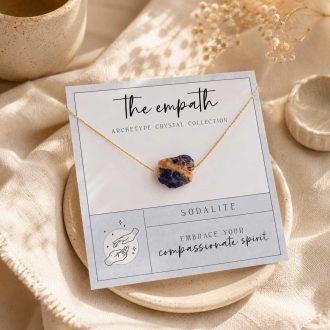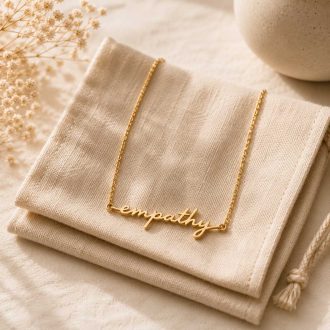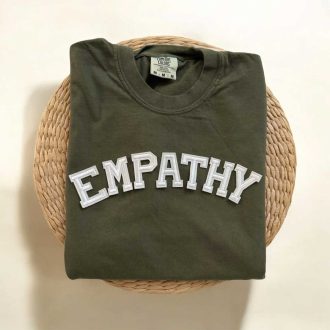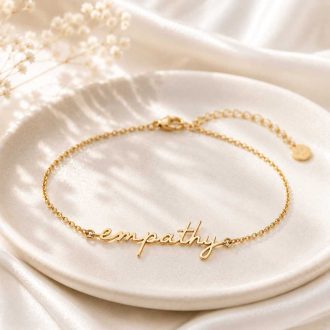
Jewelry has the extraordinary ability to forge connections between individuals, transcending time and space, and evoking intense emotions. Through its intricate designs and timeless beauty, jewelry becomes not only an accessory but a powerful medium of expression, speaking the language of love, compassion, and empathy.
In a world where virtual connections dominate, jewelry serves as a tangible reminder of human connection, enabling us to hold tight to cherished memories and emotions. From heirloom pieces passed down through generations, to tokens of appreciation exchanged between loved ones, each piece carries a unique narrative, woven with love and sentiment.
The power of empathy is inherent in jewelry’s ability to ignite emotions and foster deep connections. Whether it’s the glisten in a partner’s eyes upon receiving a surprise gift or the comforting touch of a pendant bearing a loved one’s initials, jewelry has the remarkable ability to bridge emotional gaps and evoke heartfelt connections.
In this article, we dive into the profound impact jewelry has on our emotions and relationships. Through stories of human connection and scientific insights, discover how jewelry serves as a catalyst for empathy, connecting hearts in profound and meaningful ways.
The significance of jewelry in human history
Jewelry has been an integral part of human civilization for thousands of years, serving not only as decorative adornments but also as powerful symbols of status, identity, and culture. From ancient civilizations to modern societies, jewelry has played a pivotal role in expressing individual and collective identities. The earliest forms of jewelry, made from natural materials like shells, stones, and bones, were often believed to hold protective qualities or spiritual significance. As societies evolved, so did the materials and craftsmanship used in jewelry making, reflecting advancements in technology and artistry.
Throughout history, various cultures have utilized jewelry to signify wealth and power. In ancient Egypt, for instance, pharaohs adorned themselves with intricate gold and gemstone pieces, symbolizing their divine status and connection to the gods. Similarly, in other civilizations, jewelry served as a marker of social hierarchy; the more elaborate and abundant the jewelry, the higher the status of the wearer. This historical context underscores how jewelry has been a means of communication, conveying messages about wealth, power, and cultural beliefs across different eras.
Moreover, jewelry has consistently served as a personal and communal storytelling medium. Each piece often carries a narrative, whether it is a family heirloom passed down through generations or a unique piece crafted for a specific occasion. These stories foster connections between people and their heritage, instilling a sense of belonging and continuity. As we explore the significance of jewelry in human history, it becomes evident that these artifacts are more than mere ornaments; they are threads woven into the fabric of our collective human experience, enriching our lives with meaning and empathy.
The emotional connection between jewelry and individuals
The emotional ties individuals have with jewelry are profound and multifaceted. Jewelry often transcends its physical form, becoming imbued with memories and sentiments that shape personal identities and relationships. A simple ring can evoke memories of a proposal, while a necklace may serve as a reminder of a loved one who has passed away. These emotional connections create a narrative that is deeply personal, where each piece becomes a tangible representation of one’s journey through life.
Furthermore, jewelry has the remarkable ability to evoke feelings of nostalgia and longing. When individuals wear or see specific pieces, they may be transported back to moments filled with love, joy, or even sorrow. This phenomenon can be attributed to the powerful interplay between sensory experiences and emotions. The glimmer of a particular gemstone or the feel of a cherished bracelet can trigger memories, allowing individuals to relive significant moments. Such experiences highlight the deep emotional resonance that jewelry can carry, often leading to a profound sense of connection to the past.
Moreover, the act of gifting jewelry can significantly enhance emotional bonds between individuals. When one person gifts a piece of jewelry to another, it often carries an intention imbued with love, appreciation, and empathy. This exchange strengthens relationships, creating a shared narrative that enriches the bond. Whether it’s an engagement ring, a birthday present, or a simple token of affection, the emotional weight of jewelry gifted between loved ones exemplifies how these pieces transcend their material value, becoming cherished symbols of connection and understanding.
How jewelry represents love and affection
Jewelry has long been associated with expressions of love and affection, serving as a tangible representation of emotional bonds between individuals. The tradition of giving jewelry as a token of love can be traced back to ancient times, where various cultures used rings, necklaces, and bracelets to symbolize commitment and devotion. Engagement rings, for instance, have become synonymous with romantic love, representing a promise of partnership and fidelity. The circular shape of a ring, with no beginning or end, beautifully encapsulates the idea of eternal love.
In addition, jewelry is often used to commemorate significant milestones in relationships, such as anniversaries or the birth of a child. Gifts of jewelry during these moments serve as lasting reminders of love and shared experiences. A pendant necklace with a child’s birthstone or a bracelet commemorating a special anniversary not only celebrates the occasion but also strengthens the emotional connection between partners. These symbols of affection become woven into the fabric of a couple’s shared life, marking moments that are both personal and significant.
Moreover, the emotional weight of jewelry extends beyond romantic relationships. It can also represent familial love, friendship, and camaraderie. For example, matching friendship bracelets symbolize a deep bond between friends, while family heirlooms passed down through generations signify love and connection within families. Each piece of jewelry holds the potential to tell a story of love, making it a powerful medium for expressing affection and empathy across various types of relationships.
The role of empathy in jewelry purchasing decisions
Empathy plays a crucial role in the decision-making process when it comes to purchasing jewelry. When individuals buy jewelry for others, they often consider the recipient’s feelings, preferences, and personal stories. This thoughtful consideration showcases an understanding of the emotional significance that jewelry holds, transforming a simple transaction into a deeply meaningful gesture. Empathy allows buyers to connect with the recipient on a personal level, ensuring that the chosen piece resonates with their emotions and experiences.
Furthermore, the act of selecting a piece of jewelry often involves reflecting on the relationship between the giver and the recipient. Whether it’s a birthday gift, an engagement ring, or a token of appreciation, the buyer’s understanding of the recipient’s personality and emotional needs shapes the purchasing decision. This empathetic approach enhances the emotional impact of the gift, making it more than just an object; it becomes a heartfelt expression of thoughtfulness and care.
Additionally, jewelry retailers are increasingly recognizing the importance of empathy in their marketing strategies. Brands that connect with their customers on an emotional level are more likely to foster loyalty and trust. By highlighting the stories behind their pieces and encouraging customers to share their own narratives, these brands create a community that values empathy and personal connection. This shift towards emotionally-driven purchasing decisions underscores how empathy not only influences individual choices but also shapes the broader landscape of the jewelry industry.
How jewelry can evoke emotions and memories
Jewelry has an unparalleled ability to evoke emotions and memories, creating a complex interplay between the physical object and the intangible feelings it represents. When individuals wear or hold a piece of jewelry, they often experience a rush of memories tied to specific events, people, or feelings. This phenomenon is largely due to the brain’s ability to associate sensory stimuli, such as the sight of a sparkling gemstone or the feel of a certain metal, with past experiences. As a result, jewelry can serve as a powerful trigger for nostalgia, transporting individuals back to cherished moments in their lives.
Furthermore, the emotional resonance of jewelry is often amplified by its personal significance. For example, a necklace gifted by a grandmother may carry deep emotional weight, reminding the wearer of family bonds and cherished memories. This connection is not merely based on the material value of the piece but on the love and sentiment behind it. The act of wearing such jewelry creates a sense of closeness to the person it represents, providing comfort and solace in times of need.
Moreover, the emotional impact of jewelry can also be influenced by its design and symbolism. Certain jewelry motifs, such as hearts or infinity symbols, are universally recognized as representations of love and connection. When individuals choose jewelry that embodies these symbols, they are not only selecting a beautiful piece but also consciously connecting with the emotions and meanings it conveys. This intentionality transforms the experience of wearing jewelry into a powerful emotional journey, where each glance at the piece serves as a reminder of love, connection, and cherished memories.
The impact of personalized jewelry on emotional connections
Personalized jewelry has gained immense popularity in recent years, largely due to its ability to deepen emotional connections between individuals. Customization allows individuals to create pieces that reflect their unique stories, experiences, and relationships. Whether it’s engraving a name or significant date on a pendant or crafting a bracelet with specific charms, personalized jewelry transforms a standard piece into a one-of-a-kind treasure that carries profound emotional significance. This uniqueness fosters a sense of ownership and connection that mass-produced items often lack.
Moreover, personalized jewelry serves as a powerful reminder of the bonds we share with others. For example, mothers may wear necklaces adorned with their children’s initials or birthstones, symbolizing their unconditional love and connection to their family. Similarly, couples may choose to have their names or anniversaries engraved on rings, reinforcing their commitment and shared journey. These personalized touches create a narrative that is deeply intertwined with the wearer’s life, enhancing the emotional value of the jewelry.
Additionally, the act of giving personalized jewelry can significantly strengthen relationships. When one person takes the time to create a custom piece for another, it showcases a level of thoughtfulness and understanding that goes beyond traditional gifting. This effort demonstrates empathy and consideration for the recipient’s feelings, reinforcing the emotional bond between the giver and receiver. As personalized jewelry continues to gain popularity, its ability to foster connections and evoke emotions highlights the enduring significance of these pieces in our lives.
Jewelry as a symbol of self-expression and identity
Jewelry serves as a powerful medium for self-expression and identity, allowing individuals to convey their personalities, beliefs, and values. The pieces we choose to wear often reflect our unique tastes, cultural backgrounds, and life experiences. For many, jewelry is an extension of the self, offering a way to communicate who they are without uttering a word. From bold statement pieces to delicate designs, each choice can reveal something about the wearer, making jewelry a vital aspect of personal identity.
Furthermore, jewelry can also symbolize personal milestones and transformations. For example, a person may choose to wear a specific piece after overcoming a significant challenge, using it as a reminder of their strength and resilience. Similarly, jewelry can signify transitions in life, such as graduation or a new job, embodying the journey of growth and change. This aspect of jewelry as a symbol of self-expression underscores its role in shaping and reflecting our identities throughout different stages of life.
In contemporary society, the importance of jewelry as a form of self-expression has only grown. With the rise of social media, individuals often showcase their personal style through their jewelry choices, influencing trends and fostering a sense of community. This visibility allows for a broader range of expressions, where traditional notions of beauty and identity are continuously redefined. As people embrace their individuality through jewelry, the emotional connections to these pieces become even more profound, highlighting the ongoing interplay between self-expression and identity.
The role of jewelry in celebrating milestones and special occasions
Jewelry plays a significant role in celebrating life’s milestones and special occasions, serving as tangible reminders of important moments and achievements. From engagements and weddings to anniversaries and graduations, jewelry often marks these celebrations, becoming intertwined with the memories associated with them. The act of giving or receiving jewelry during such occasions transforms the pieces into cherished symbols of love, commitment, and personal growth, reinforcing the emotional significance attached to these life events.
For instance, engagement rings have become a universal symbol of love and commitment, representing the promise of a shared future. The tradition of exchanging rings during ceremonies embodies the emotional weight of the occasion, creating a lasting reminder of the vows made. Similarly, wedding bands serve as a continuous symbol of unity and devotion, worn daily as a testament to the bond between partners. These pieces not only celebrate the occasion but also serve as a constant reminder of the love and commitment shared throughout the years.
Moreover, jewelry can also commemorate personal achievements, such as graduations or promotions. Wearing a piece that symbolizes a significant milestone can evoke feelings of pride and accomplishment. For example, a class ring or a necklace gifted upon graduation serves as a reminder of hard work and dedication, reinforcing the emotional connection to that achievement. In this way, jewelry becomes a cherished token of life’s journeys, celebrating the milestones that shape our identities and connections with others.
The psychological effects of wearing jewelry
The psychological effects of wearing jewelry extend beyond mere aesthetics, influencing how individuals perceive themselves and how they are perceived by others. Jewelry can enhance self-esteem and confidence, providing wearers with a sense of empowerment and individuality. When individuals adorn themselves with pieces that resonate with their personal style or hold sentimental value, they often feel more secure and self-assured. This boost in confidence can have a profound impact on various aspects of life, from personal relationships to professional endeavors.
Additionally, jewelry can serve as a form of armor against negative emotions. For many, wearing specific pieces can evoke feelings of protection and comfort, acting as a reminder of loved ones or cherished memories. This psychological connection enables individuals to feel grounded and secure, particularly during challenging times. The act of wearing jewelry can become a ritual of self-care, where individuals consciously choose to surround themselves with pieces that uplift their spirits and foster emotional resilience.
Moreover, the psychological impact of jewelry is also influenced by cultural and social factors. In many cultures, certain pieces of jewelry are associated with status, beauty, or spirituality, shaping how individuals perceive themselves and their place in society. The desire to wear jewelry that aligns with societal norms or personal aspirations can motivate individuals to invest in specific jewelry styles or designs. This dynamic interplay between personal identity, cultural influences, and social perceptions highlights the multifaceted psychological effects of wearing jewelry, emphasizing its role in shaping self-image and emotional well-being.
Conclusion: The enduring power of jewelry to connect hearts and ignite emotions
In conclusion, the power of jewelry to connect hearts and ignite emotions is profound and multifaceted. As we have explored throughout this article, jewelry serves not only as a decorative accessory but also as a powerful medium of expression, deeply intertwined with our personal stories, relationships, and experiences. From ancient times to modern society, jewelry has played a significant role in conveying love, affection, and empathy, transcending time and cultural boundaries.
The emotional connections we form with jewelry are rooted in the narratives and memories attached to each piece. Whether it’s a family heirloom, a gift from a loved one, or a personal symbol of achievement, jewelry becomes a vessel for our emotions, allowing us to cherish and relive meaningful moments. The act of giving and receiving jewelry reinforces bonds between individuals, creating shared experiences that foster understanding and compassion.
As we navigate a world increasingly dominated by virtual connections, the tangible nature of jewelry offers a comforting reminder of our shared humanity. It enables us to celebrate milestones, express our identities, and connect with others on a deeper emotional level. Ultimately, the enduring power of jewelry lies in its ability to transcend mere ornamentation, becoming a vital part of our emotional landscape, connecting hearts, and igniting the feelings that define our human experience.
Shop Our Jewelry Collection
Discover our exquisite range of jewelry to complement your style:

Where softness, self-awareness, and emotional healing are allowed to coexist. Through reflective writing, grounding rituals, and intentional beauty, Sparrow Trades offers gentle support for sensitive souls learning to reconnect with themselves.
Jewelry Discovery: Explore Our Handpicked Insights
- Blooming Beauty: Exploring the Timeless Elegance of Floral Motifs in Jewelry
- Why Precious Metals Shine Bright as Jewelry Materials: A Guide to the Beauty, Durability, and Timeless Appeal
- A Sparkling Choice: Exploring Why Diamonds Shine as the Perfect Jewelry Material
- Discover the Magic Behind Your Birthstone: A Jewelry Journey