
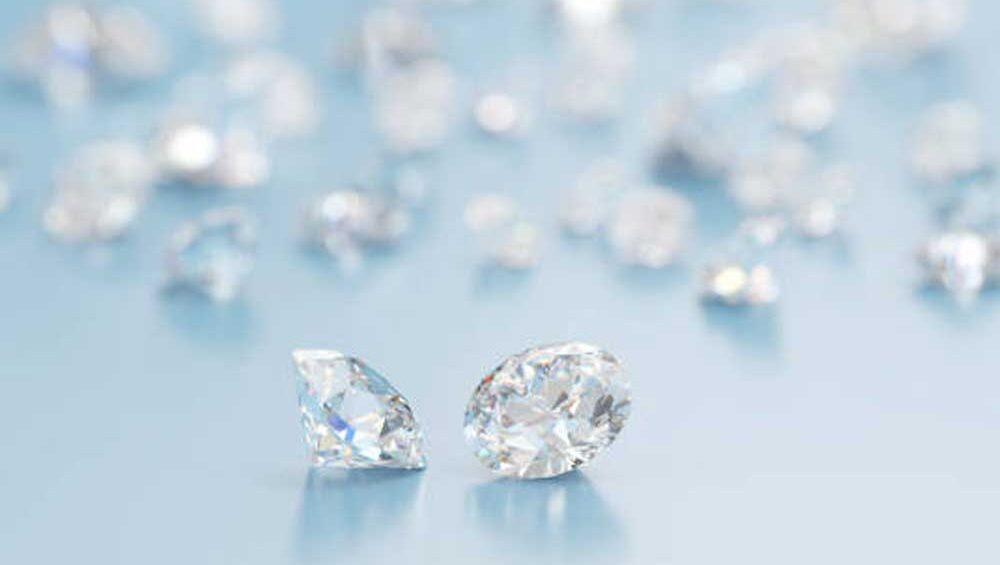
When it comes to choosing jewelry that exudes elegance and sophistication, diamonds are the unequivocal frontrunners. With their captivating sparkle and timeless beauty, diamonds have long been revered as the ultimate symbol of luxury and romance. But have you ever wondered why these precious gemstones shine with such brilliance?
In this article, we dive into the fascinating science behind a diamond’s sparkle and explore why it is the perfect choice for jewelry. From the complex composition of carbon molecules to the way light interacts with the diamond’s facets, we unravel the secrets that make diamonds truly dazzling.
Not only do diamonds possess unmatched aesthetic appeal, but they also boast exceptional hardness and durability, putting them in a league of their own. With proper care, a diamond can withstand the test of time and become an heirloom that can be passed down through generations.
Join us as we uncover the allure and allure and allure of diamonds, revealing why they continue to be the preferred choice for those seeking sophistication and everlasting beauty in their jewelry collection.
The science behind diamond brilliance
Diamonds are often celebrated for their extraordinary brilliance, a quality that captivates the hearts of many and sets them apart from other gemstones. At the core of this brilliance lies the unique atomic structure of diamonds, which are composed of carbon atoms arranged in a crystal lattice. This arrangement not only provides diamonds with their remarkable hardness but also plays a crucial role in how they interact with light. When light enters a diamond, it refracts and reflects off the internal surfaces, creating a mesmerizing play of light that we perceive as sparkle.
The phenomenon of brilliance is primarily due to the way light behaves when it encounters a diamond. As light enters the stone, it slows down and bends due to the diamond’s high refractive index, which measures how much light is refracted in a material. This bending of light causes it to split into its constituent colors, a process known as dispersion. As the light travels through the diamond, it reflects off the facets, creating a dazzling array of colors that dance within the stone, capturing the eye and enhancing its allure.
Moreover, the cut of the diamond significantly influences its ability to harness and reflect light. A well-cut diamond maximizes the amount of light that enters and exits the stone, allowing for optimal brilliance. This intricate relationship between light, structure, and cut reveals that the science behind a diamond’s sparkle is not merely a matter of chance, but rather a finely-tuned interplay of physical properties that results in a breathtaking visual experience.
Factors that contribute to diamond sparkle
While the fundamental science behind a diamond’s sparkle is fascinating, several factors contribute to the overall brilliance that makes diamonds so desirable. One of the most critical elements is the quality of the cut. A diamond’s cut determines how well it reflects and refracts light, significantly impacting its sparkle. A poorly cut diamond may fail to capture light effectively, resulting in a dull appearance, whereas an expertly crafted diamond will dazzle with a kaleidoscope of colors.
In addition to the cut, the clarity of the diamond is another essential factor influencing its sparkle. Clarity refers to the presence of internal or external imperfections, known as inclusions and blemishes, respectively. A diamond with high clarity will have fewer imperfections, allowing light to pass through more freely and enhancing its brilliance. Conversely, a diamond with numerous inclusions may appear clouded and less luminous, diminishing its overall sparkle.
Lastly, the diamond’s color can also have an impact on its brilliance. Diamonds are graded on a scale from D (colorless) to Z (light yellow or brown), and while colorless diamonds tend to exhibit the most brilliance, some colored diamonds, such as pink or blue, can also display spectacular sparkle due to their unique properties. The interplay of these factors—cut, clarity, and color—creates a multi-dimensional sparkling effect that is truly mesmerizing and elevates diamonds to a league of their own in the world of jewelry.
The importance of cut in diamond brilliance
The cut of a diamond is often regarded as the most crucial factor in determining its overall brilliance and fire. While the quality of the raw material is essential, it is the cut that ultimately transforms a rough diamond into a sparkling gem. The cut refers to how well the diamond has been shaped and faceted, influencing how light interacts with the stone. A well-cut diamond is designed to enhance its natural beauty, optimizing the way light enters, reflects, and exits the gem.
There are various styles of diamond cuts, including round, princess, emerald, and more, each with its own attributes regarding brilliance. The round brilliant cut, for instance, is the most popular and is designed with 58 facets to maximize light return. The proportions and angles of these facets are meticulously calculated to ensure that light reflects internally and refracts appropriately, creating the signature sparkle that diamonds are known for. A poorly cut diamond, on the other hand, may lead to light escaping through the bottom of the stone rather than reflecting back through the top, resulting in a less brilliant appearance.
Investing in a well-cut diamond is essential for those seeking maximum sparkle. Jewelers often use terms like “ideal cut” or “excellent cut” to signify diamonds that adhere to precise standards for proportions and symmetry. These diamonds are designed to achieve optimal light performance, which in turn enhances the overall brilliance and allure of the piece. Understanding the importance of cut is key to appreciating why some diamonds shine more brilliantly than others, making it a vital consideration when selecting the perfect piece of jewelry.
Understanding diamond clarity and its impact on shine
Clarity is another integral aspect of a diamond’s beauty that significantly influences its shine. It refers to the presence of any internal or external imperfections that may affect the stone’s appearance and light performance. These imperfections, known as inclusions and blemishes, can hinder light from passing through the diamond smoothly, thus diminishing its brilliance. The clarity grading scale, ranging from Flawless (no inclusions visible under 10x magnification) to Included (inclusions visible to the naked eye), provides a framework for evaluating the clarity of a diamond.
A diamond with high clarity will display a clear and vibrant appearance, allowing light to enter and exit freely, which enhances its sparkle. Conversely, a diamond with visible inclusions may appear dull or cloudy, as these imperfections can disrupt the path of light and result in a less vibrant display. It is important to note that even small inclusions can have a noticeable impact on a diamond’s overall brilliance, making clarity an essential consideration for buyers.
When shopping for diamonds, it’s essential to strike a balance between clarity and other factors such as cut and carat weight. While a flawless diamond is undeniably beautiful, they often come with a significantly higher price tag. Many buyers find that diamonds with minor inclusions that are not visible to the naked eye can provide excellent value without sacrificing beauty or sparkle. Understanding how clarity impacts shine allows consumers to make informed decisions that align with their preferences and budgets while still ensuring a dazzling piece of jewelry.
The role of color in diamond brilliance
Color is a fascinating element that plays a significant role in the overall brilliance of a diamond. While many people associate diamonds with being colorless, the reality is that diamonds can exhibit a wide range of hues, from completely colorless to shades of yellow, brown, and even fancy colors like pink and blue. The grading scale for diamond color ranges from D (colorless) to Z (light yellow or brown), with the most coveted diamonds falling within the D to F range for their exceptional clarity and transparency.
Color impacts the way light interacts with the diamond and can influence its overall beauty and brilliance. Colorless diamonds tend to display the most fire and brilliance, as the absence of color allows light to pass through without interference. However, certain colored diamonds, particularly the fancy color varieties, can also exhibit remarkable beauty and sparkle due to their unique light absorption properties. For instance, pink and blue diamonds, which owe their color to specific structural changes in their atomic arrangement, can create a captivating visual experience that rivals that of traditional colorless diamonds.
The choice of diamond color ultimately comes down to personal preference and style. While some individuals may prefer the classic allure of a colorless diamond, others may be drawn to the uniqueness of fancy colored diamonds. Understanding the role of color in diamond brilliance helps potential buyers appreciate the vast array of options available and allows them to select a piece that resonates with their individual taste and the overall aesthetic they wish to achieve.
How diamond carat weight affects sparkle
Carat weight is another important consideration when it comes to a diamond’s appearance, and it directly impacts its size and, consequently, its sparkle. Carat weight refers to the weight of the diamond, with one carat equivalent to 200 milligrams. As a general rule, larger diamonds tend to exhibit more brilliance simply due to their size, allowing for more surface area to reflect light. However, it is essential to understand that carat weight alone does not determine the quality of a diamond’s sparkle; the cut, clarity, and color still play pivotal roles.
Larger diamonds can be more visually striking, but they may also come with a higher price tag, especially if they possess excellent cut and clarity. When selecting a diamond, buyers should consider what carat weight fits their budget while also evaluating the other critical aspects that contribute to the overall brilliance. Sometimes, a smaller diamond with an exceptional cut can outshine a larger stone that has been poorly cut, making it crucial to look beyond just the carat weight.
Ultimately, the choice of carat weight will depend on personal preferences, lifestyle, and jewelry design. A larger diamond might be desirable for statement pieces such as engagement rings, while smaller diamonds can be just as stunning in delicate settings or as part of a cluster. Balancing carat weight with the other quality factors ensures that buyers select a diamond that not only fits their style but also showcases the sparkle and beauty they desire.
Enhancing diamond brilliance through proper maintenance and cleaning
To ensure that a diamond retains its dazzling sparkle over time, proper maintenance and cleaning are essential. Diamonds, while incredibly durable, can still accumulate dirt, oils, and grime from everyday wear. This buildup can dull the stone’s brilliance and diminish its overall appearance. Regular cleaning is vital to keeping a diamond looking its best and allowing it to shine brightly.
One effective way to clean a diamond is to create a gentle solution of warm water and mild dish soap. Soaking the diamond for a few minutes can help loosen any accumulated debris. Using a soft-bristled toothbrush, gently scrub the stone and its setting to remove any stubborn grime. Rinse thoroughly with clean water and dry with a soft, lint-free cloth to restore its sparkle. For a deeper clean, many jewelers offer ultrasonic cleaning services that can safely remove dirt and restore a diamond’s brilliance to its original glory.
In addition to regular cleaning, proper care and handling of diamond jewelry can also prolong its life and maintain its brilliance. It is advisable to store diamonds separately to prevent scratching or damage from contact with other jewelry. Wearing diamond jewelry during activities that may expose it to harsh chemicals or rough surfaces should be avoided to minimize the risk of damage. By taking these simple steps, diamond owners can ensure that their cherished pieces continue to shine brightly for years to come.
Comparing diamond sparkle with other gemstones
While diamonds are often regarded as the ultimate symbol of brilliance and luxury, it is interesting to compare their sparkle with that of other gemstones. Many gemstones exhibit beautiful colors and unique properties, but few can rival the exceptional light performance and fire of diamonds. For instance, sapphires and rubies, both of which are varieties of corundum, can exhibit stunning hues and a degree of brilliance, but their refractive indices are lower than that of diamonds, resulting in less sparkle.
Another popular gemstone, the moissanite, has gained attention as a diamond alternative due to its impressive brilliance. In fact, moissanite has a higher refractive index than diamonds, allowing it to reflect more light and appear even more sparkly in certain lighting conditions. However, the unique characteristics of diamonds, including their hardness and rarity, make them a prized possession that many still prefer over alternatives like moissanite.
Ultimately, while other gemstones may possess their own charm and beauty, diamonds stand out for their unparalleled brilliance and fire. The combination of their unique chemical structure, exceptional hardness, and the meticulous art of cutting contributes to their status as the preferred choice for jewelry. Comparing diamonds with other gemstones highlights the unique qualities that make them truly exceptional, further solidifying their place in the world of luxury and elegance.
Conclusion: Why diamonds continue to shine as the perfect jewelry material
In conclusion, diamonds have earned their prestigious reputation as the ultimate jewelry material due to a combination of scientific principles, aesthetic appeal, and enduring qualities. The brilliance and sparkle of diamonds are not merely a product of chance; they are the result of a complex interplay between the stone’s composition, cut, clarity, color, and carat weight. Understanding these factors allows consumers to appreciate the depth of beauty that diamonds offer and make informed choices when selecting their jewelry.
Moreover, the durability and timelessness of diamonds make them a wise investment for those seeking pieces that can withstand the test of time. With proper care and maintenance, diamonds can remain stunning and vibrant for generations, often becoming treasured heirlooms passed down through families. This enduring quality adds to their allure, ensuring that diamonds continue to be synonymous with love, commitment, and luxury.
As we explore the world of jewelry, it becomes clear that diamonds hold a unique position that transcends trends and fads. Their scientific properties, combined with their emotional significance, cement their status as the quintessential choice for those seeking elegance and sophistication. Whether it’s an engagement ring, a pair of earrings, or a statement necklace, diamonds remain the sparkling choice for those who wish to express their timeless style and appreciation for beauty.
Shop Our Jewelry Collection
Discover our exquisite range of jewelry to complement your style:

Where softness, self-awareness, and emotional healing are allowed to coexist. Through reflective writing, grounding rituals, and intentional beauty, Sparrow Trades offers gentle support for sensitive souls learning to reconnect with themselves.