
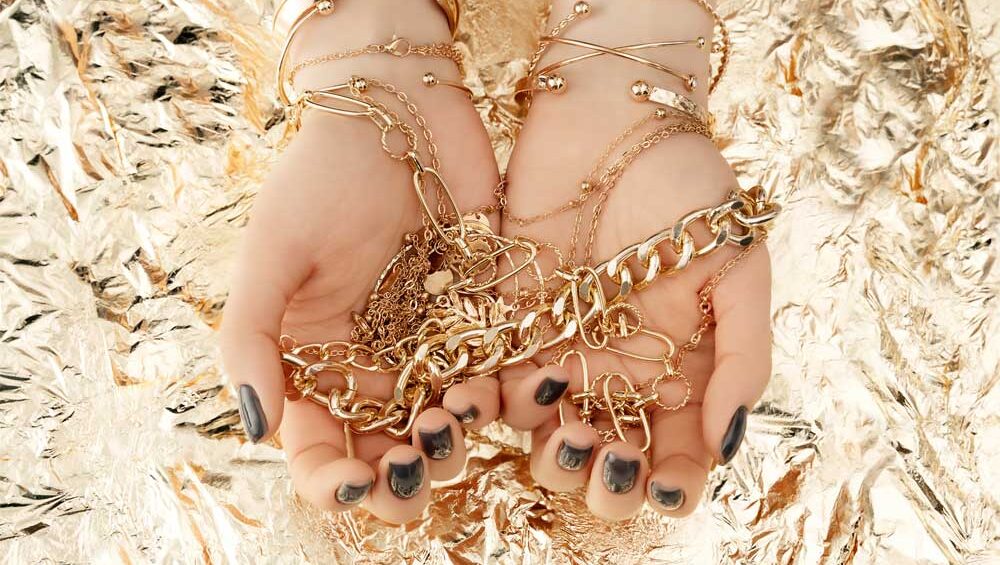
For centuries, gold has captivated human beings with its timeless allure and unmatched elegance. As the ultimate jewelry material, gold has reigned supreme, standing the test of time and remaining a symbol of wealth and prestige. Its warm, lustrous glow has been sought after by countless civilizations throughout history, and its value has consistently persisted through economic fluctuations.
From ancient civilizations like the Egyptians and Romans to modern-day fashionistas, gold jewelry has been revered and cherished across cultures and continents. Its versatility allows it to shine in various forms, from delicate necklaces and bold bracelets to intricate rings and statement earrings.
Beyond its aesthetic appeal, gold holds significance and symbolism. It represents prosperity, power, and purity, and has often been used to celebrate special occasions and milestones in life. Whether it’s a wedding band passed down through generations or a gift to mark a significant achievement, gold jewelry carries sentimental value and emotional connections.
In this article, we will explore the enduring appeal of gold as the ultimate jewelry material. We will dive into its rich history, discuss its place in contemporary fashion, and uncover the reasons behind its lasting popularity. Get ready to immerse yourself in the radiant world of gold jewelry and discover why it continues to reign supreme.
The Historical Significance of Gold in Jewelry
Gold’s historical significance in jewelry can be traced back thousands of years, where it has been an integral part of human culture and civilization. Ancient Egyptians revered gold for its divine qualities, associating it with the gods and the afterlife. They crafted intricate jewelry pieces, including necklaces, bracelets, and amulets, often inlaid with precious stones, to adorn the pharaohs and signify their status. The famous burial mask of Tutankhamun, made of gold, exemplifies how this metal was not only a symbol of wealth but also a means to convey power and divinity. Gold’s association with eternal life made it a staple in the funerary practices of ancient cultures, reflecting its role in honoring the deceased.
As civilizations evolved, gold continued to play a pivotal role in jewelry-making. The Romans, known for their opulence, used gold extensively to create elaborate jewelry that showcased their wealth and artistry. Gold coins minted during this era often featured intricate designs, and the jewelry of the time mirrored the same level of craftsmanship. This tradition carried into the Byzantine Empire, where gold jewelry became even more ornate, with intricate filigree work and the use of enamel. The historical significance of gold in jewelry is a testament to its enduring appeal and the way it has been woven into the fabric of human history.
The importance of gold transcended geographical boundaries, influencing cultures across Asia, Africa, and the Americas. In India, gold jewelry has been a symbol of prosperity and is intricately tied to cultural and religious practices. The use of gold in wedding adornments, such as mangalsutra and nose rings, highlights its significance in marking life’s milestones. Similarly, in Africa, gold has served as a medium for wealth accumulation and social status, with various tribes incorporating gold into their traditional attire and jewelry. Gold’s historical significance is not just about its material value; it represents cultural identity, tradition, and societal norms that have persisted through generations.
The Cultural Symbolism of Gold in Different Societies
Gold has long been associated with a myriad of cultural symbols and meanings across different societies, embodying values that resonate deeply with people’s beliefs and traditions. In many cultures, gold is considered a representation of purity and perfection. For instance, in Hinduism, gold is linked to the goddess Lakshmi, the deity of wealth and prosperity. It is customary for families to invest in gold for significant life events such as weddings and festivals, reinforcing the belief that gold brings good fortune and blessings. These cultural practices highlight how gold transcends mere aesthetics, playing a vital role in spiritual and social contexts.
In Western societies, gold often symbolizes success and achievement. This is evident in the use of gold medals in competitions, such as the Olympics, where they represent the pinnacle of victory. The allure of gold is also evident in fashion and luxury branding, where gold accents and jewelry signify status and exclusivity. The phrase “worth its weight in gold” aptly illustrates how this precious metal has become synonymous with value and success. Gold jewelry is frequently gifted during milestones such as graduations, promotions, or anniversaries, reinforcing its association with personal accomplishments and recognition.
Moreover, certain cultures infuse gold with specific meanings tied to heritage and legacy. For example, in Middle Eastern cultures, gold jewelry is often intricately designed and passed down through generations, becoming a family heirloom that holds sentimental value. In contrast, African cultures use gold not only for adornment but also as a form of currency and trade, reflecting wealth and social structure. These diverse cultural interpretations of gold illustrate its multifaceted nature, making it a universally revered material that resonates with human experiences across continents.
The Enduring Popularity of Gold in Jewelry Design
Gold jewelry has maintained its popularity over the centuries, evolving to reflect changing tastes and trends while remaining a timeless choice for adornment. One of the key factors contributing to its enduring appeal is its versatility. Gold can be crafted into a myriad of styles, from minimalist designs to elaborate statement pieces, catering to a wide range of preferences. This adaptability allows gold jewelry to transcend fashion trends, ensuring that it remains relevant in contemporary jewelry collections. The ability to combine gold with other jewelry materials, such as gemstones and pearls, further enhances its allure, creating unique pieces that resonate with individual styles.
The craftsmanship involved in gold jewelry design is another factor that solidifies its appeal. Artisans have honed their skills over generations, creating intricate designs that showcase the beauty and malleability of gold. From delicate filigree work to bold chunky styles, the artistry in gold jewelry is evident. Furthermore, modern technology has introduced innovative techniques in goldsmithing, enabling designers to explore new textures, finishes, and forms. This blend of traditional craftsmanship and contemporary design keeps gold jewelry fresh and exciting, attracting new generations of jewelry enthusiasts.
Moreover, gold’s intrinsic value plays a significant role in its popularity. Unlike fashion trends that can come and go, gold has an inherent worth that tends to appreciate over time. This quality makes gold jewelry not only a beautiful accessory but also a valuable investment. Consumers are increasingly aware of the long-term benefits of investing in gold, leading to a rise in demand for gold jewelry. Whether it is a simple pair of gold earrings or an elaborate gold necklace, the knowledge that these pieces hold value adds to their desirability. The combination of versatility, craftsmanship, and investment potential ensures that gold jewelry continues to maintain its popularity in an ever-evolving market.
The Value and Investment Potential of Gold Jewelry
Investing in gold jewelry has become increasingly popular among consumers seeking a blend of beauty and financial security. Gold has long been recognized as a safe-haven asset, especially during economic uncertainty, leading many to view it as a hedge against inflation and market fluctuations. Unlike other forms of investment, gold jewelry combines intrinsic value with aesthetic appeal, allowing individuals to enjoy their investment while also showcasing it. This dual-purpose nature of gold jewelry makes it an attractive option for those looking to diversify their investment portfolios.
The value of gold jewelry is primarily determined by its karat weight, design, and craftsmanship. Higher karat gold, such as 18K or 24K, contains a greater percentage of pure gold and is generally more valuable than lower karat options. Additionally, unique and intricate designs crafted by skilled artisans can enhance the overall worth of a piece. Limited-edition collections or designer pieces often command premium prices, making them sought-after items for collectors. As with any investment, understanding the market and keeping abreast of gold prices can help consumers make informed decisions when purchasing gold jewelry.
Moreover, gold jewelry can serve as a form of wealth preservation. In several cultures, it is customary to invest in gold as a safeguard for financial security. Families often purchase gold jewelry as a way to save for future needs, such as education or emergencies. This practice underscores the cultural significance of gold as a symbol of wealth and stability. With the rise of online platforms for buying and selling gold, consumers now have greater access to the market, enabling them to trade their jewelry when the time is right. As a result, gold jewelry stands out not only as a beautiful adornment but also as a practical investment with long-term benefits.
Different Types of Gold Used in Jewelry
When it comes to gold jewelry, understanding the different types of gold and their characteristics is essential for both consumers and enthusiasts. The most common types of gold used in jewelry are yellow gold, white gold, and rose gold, each offering a distinct aesthetic that appeals to various tastes. Yellow gold, with its classic and timeless appeal, is often associated with traditional jewelry styles. Its rich, warm hue is a result of blending pure gold with metals like copper and silver. This type of gold is popular for wedding bands and vintage-inspired pieces, making it a staple in many jewelry collections.
White gold, on the other hand, has gained immense popularity in recent years, particularly for engagement and wedding rings. It is created by alloying pure gold with metals such as palladium or nickel, giving it a sleek, modern finish. White gold is often plated with rhodium to enhance its shine and durability. The cool, silvery tone of white gold appeals to those who prefer a contemporary look, making it a favorite choice for minimalist and elegant designs. Its versatility allows it to be paired beautifully with gemstones, creating striking contrasts in jewelry.
Rose gold has emerged as a trendy option, characterized by its pinkish hue achieved by adding copper to gold. This romantic and warm tone has gained popularity in modern jewelry, particularly among younger consumers. Rose gold is often seen in delicate and feminine designs, making it a popular choice for necklaces, rings, and bracelets. The unique color of rose gold allows it to stand out while still maintaining the timeless elegance associated with gold. Understanding the different types of gold helps consumers make informed choices and select jewelry that resonates with their personal style and preferences.
How to Care for and Maintain Gold Jewelry
Caring for and maintaining gold jewelry is essential to preserve its beauty and longevity. Gold is a durable metal, but it can still be susceptible to scratches, tarnishing, and damage if not properly cared for. One of the most important steps in maintaining gold jewelry is to store it correctly. Ideally, gold pieces should be kept in a soft cloth pouch or a jewelry box with compartments to prevent them from scratching against one another. Avoid storing gold jewelry in humid environments, as moisture can lead to tarnishing over time.
Regular cleaning is another crucial aspect of gold jewelry maintenance. A gentle cleaning solution made of warm water and mild dish soap can effectively remove dirt and oils that accumulate on the surface. Using a soft-bristled toothbrush, you can gently scrub intricate designs or areas where dirt may become trapped. After cleaning, rinse the jewelry thoroughly and dry it with a soft cloth to prevent water spots. For more intricate pieces or those with gemstones, it may be advisable to have them professionally cleaned to ensure they retain their luster without risking damage.
Finally, it’s essential to be mindful of when and how you wear gold jewelry. Activities such as swimming, exercising, or applying beauty products can expose gold jewelry to harsh chemicals or physical stress. Removing jewelry before engaging in these activities can help maintain its appearance and integrity. Additionally, consider having your gold jewelry professionally inspected and polished periodically, especially for heirloom pieces. These simple care tips can greatly extend the life of your gold jewelry, allowing you to enjoy its beauty for years to come.
Exploring Different Styles and Trends in Gold Jewelry
Gold jewelry has always been at the forefront of fashion, with styles and trends evolving to reflect changing tastes and cultural influences. Contemporary gold jewelry often embraces minimalist designs, focusing on clean lines and understated elegance. These pieces, such as simple gold hoops or delicate chains, are perfect for everyday wear and can be layered with other jewelry for a personalized look. The rise of the minimalist aesthetic has led to a resurgence in the popularity of dainty gold jewelry, appealing to those who favor subtlety over extravagance.
On the other end of the spectrum, bold and statement gold jewelry has also made a significant impact on the fashion scene. Chunky gold necklaces, oversized rings, and dramatic earrings are favored by trendsetters who seek to make a statement. These pieces often feature intricate designs or unique shapes that draw attention and can elevate even the simplest outfits. The juxtaposition of bold gold jewelry with casual attire has become a popular style choice, demonstrating the versatility of gold as a fashion material.
Additionally, cultural influences play a significant role in shaping gold jewelry trends. With the rise of global fashion, traditional gold jewelry styles from various cultures are being embraced and reimagined in contemporary designs. For instance, Indian-inspired gold jewelry, known for its intricate craftsmanship and vibrant embellishments, has gained popularity among fashion enthusiasts worldwide. Similarly, African tribal designs featuring bold patterns and textures are being incorporated into modern jewelry collections. This fusion of cultural elements and contemporary design creates a rich tapestry of styles that reflects the diverse influences shaping the jewelry industry today.
Gold Jewelry Buying Tips and Considerations
When purchasing gold jewelry, it is essential to consider several factors to ensure that you make an informed and satisfying investment. One of the first considerations is the karat of the gold. Higher karat gold contains a greater percentage of pure gold, which typically means it is more valuable and has a richer color. However, higher karat gold can also be softer and more prone to scratching, making it less ideal for everyday wear. Understanding the balance between karat value and durability will help you choose the right gold jewelry for your lifestyle.
Another crucial aspect to consider is the design and craftsmanship of the piece. Well-crafted gold jewelry often features intricate details and a quality finish, which not only enhance its beauty but also contribute to its overall value. When shopping for gold jewelry, pay attention to the craftsmanship; examine the piece for any imperfections, such as rough edges or uneven surfaces. Additionally, consider how the design aligns with your personal style and whether it will complement your existing jewelry collection. Investing in timeless designs can ensure that your gold jewelry remains a cherished item for years to come.
Finally, it’s important to buy from reputable sources. Whether you are purchasing from a local jeweler or an online retailer, ensure that the seller provides clear information about the gold’s purity, origin, and any certifications. Look for reviews and testimonials from previous customers to gauge the seller’s reliability. Additionally, inquire about return policies and warranties, as these can provide peace of mind when making a significant purchase. By taking these considerations into account, you can confidently choose gold jewelry that meets your needs and preferences.
Conclusion: The Timeless Allure of Gold in the Jewelry Industry
In conclusion, the timeless allure of gold as the ultimate jewelry material is a phenomenon that transcends cultures, eras, and fashion trends. Its historical significance and cultural symbolism have solidified gold’s status as a cherished material for adornment throughout human history. The enduring popularity of gold jewelry, characterized by its versatility, craftsmanship, and investment potential, ensures that it remains a staple in the world of fashion and luxury.
As we explore different styles and trends in gold jewelry, we see how it continues to evolve, reflecting the diverse influences of contemporary society while honoring its rich heritage. Whether it is the minimalist pieces that cater to modern sensibilities or the bold statement jewelry that captures attention, gold remains a beloved choice for those seeking beauty and elegance.
Ultimately, the care and consideration invested in purchasing gold jewelry can create lasting connections and cherished memories. As we celebrate the timeless allure of gold, it becomes clear that this precious metal will continue to reign supreme as the ultimate choice for jewelry, symbolizing not only wealth and prestige but also love, tradition, and personal expression. Gold jewelry is, and will always be, a treasured part of the human experience.
Shop Our Jewelry Collection
Discover our exquisite range of jewelry to complement your style:

Where softness, self-awareness, and emotional healing are allowed to coexist. Through reflective writing, grounding rituals, and intentional beauty, Sparrow Trades offers gentle support for sensitive souls learning to reconnect with themselves.