Are you ready to elevate your jewelry designs and stand out from the crowd? Look no further! In this article, we will introduce you to 10 jewelry techniques that will take your designs to the next level. Whether you’re a seasoned jewelry maker or just starting out, these techniques will inspire you to create stunning and unique pieces.
From intricate wire-wrapping to the art of enameling, each technique offers a new way to add depth and dimension to your designs. Discover how to incorporate gemstones and beads in innovative ways, create texture and pattern through metalwork, and even experiment with alternative materials to push the boundaries of traditional jewelry making.
By mastering these techniques, you will have the knowledge and skills to create jewelry that truly expresses your creativity and style. Get ready to unleash your inner artist and captivate others with your exquisite designs. Are you ready to take your jewelry making journey to the next level? Let’s dive in!
Basic Jewelry Techniques Every Designer Should Know
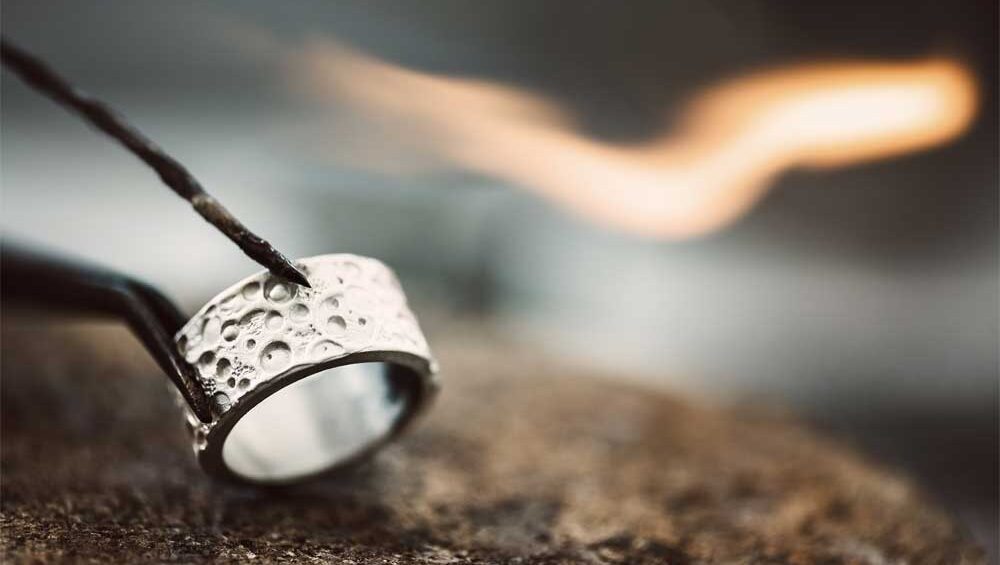
When embarking on a jewelry-making journey, mastering the basics is essential. Fundamental techniques form the foundation upon which more advanced skills are built. Techniques such as soldering, polishing, and basic wire manipulation are crucial for creating durable and aesthetically pleasing pieces. Soldering, for instance, allows designers to join metal components seamlessly, ensuring that pieces maintain their integrity over time. Understanding how to effectively file and polish your work can elevate the overall quality, transforming a rough creation into a polished masterpiece.
Another fundamental technique is the art of forming. This involves shaping metal into various forms, whether it’s bending wire into loops or creating intricate designs through metal stamping. By developing a strong foundation in these basic techniques, jewelry designers can explore more complex designs without the fear of compromising their work. Practicing these skills regularly will not only improve dexterity but also enhance creativity, giving designers the confidence to experiment with their ideas.
Lastly, learning how to properly use tools is paramount. Knowing which tools are best suited for specific tasks can significantly impact the outcome of a design. From pliers and cutters to files and hammers, each tool has its purpose, and understanding how to wield them effectively can lead to greater precision and finesse in your creations. By focusing on these basic techniques, designers can lay the groundwork for a successful jewelry-making career.
Advanced Jewelry Techniques for Experienced Designers
Once a jewelry designer has mastered the basics, it’s time to dive into advanced techniques that can truly set their work apart. Techniques such as lost-wax casting and stone carving allow for the creation of intricate designs that are often unattainable through traditional methods. Lost-wax casting, for example, involves creating a model in wax, which is then encased in a mold. When heated, the wax melts away, leaving a cavity to pour molten metal into, resulting in a detailed and unique piece of jewelry.
Another advanced technique is granulation, where tiny beads of metal are fused to a surface without the use of solder. This technique can add a delicate texture to pieces, creating an ethereal quality that is highly sought after in fine jewelry. Additionally, chain making and link construction can provide infinite possibilities for designing intricate necklaces and bracelets. By mastering these advanced methods, designers can push their creative boundaries and produce truly original work.
Moreover, incorporating advanced techniques such as mokume gane—a Japanese metalworking process that creates a wood-grain effect using layers of different metals—can yield stunning results. This technique not only increases the visual complexity but can also add a tactile element to the jewelry, drawing attention to the craftsmanship involved. Experienced designers who embrace these advanced techniques can significantly enhance the character of their pieces, creating wearable art that resonates with a wide audience.
Incorporating Different Materials into Your Designs
One of the most exciting aspects of jewelry making is the opportunity to experiment with various jewelry materials. While traditional metals like gold and silver are staples, incorporating alternative materials can bring a fresh perspective to your designs. For example, utilizing natural elements such as wood, leather, or even resin can create striking contrasts against conventional metalwork. These materials can also contribute unique textures and colors, allowing for a more eclectic and personalized style.
Furthermore, designers can explore the use of unconventional materials like plastic, glass, or fabric. By doing so, they can tap into modern trends like upcycling and sustainability, which are becoming increasingly important in the jewelry industry. Using recycled materials not only reduces waste but also gives a story to each piece, making it more meaningful to the wearer. This approach can also engage a broader audience who are passionate about environmental issues.
Incorporating a variety of materials can also lead to innovative techniques. For instance, combining metal and fabric can create striking contrasts in jewelry designs that are both functional and fashionable. Designers can create wearable pieces that blend fashion with art, making statements that resonate with contemporary audiences. By venturing beyond traditional materials, designers can expand their creative boundaries, resulting in truly unique and captivating jewelry.
Using Wire Wrapping Techniques to Enhance Your Jewelry
Wire wrapping is an incredibly versatile technique that can add intricacy and detail to any jewelry design. At its core, wire wrapping involves using wire to wrap around stones or other components to secure them in place, creating a visually appealing connection. This technique is particularly popular in creating pendants, earrings, and rings, allowing designers to showcase gemstones in a unique manner. By manipulating wire, artists can create intricate designs that can range from simple to wildly complex.
One of the most appealing aspects of wire wrapping is the endless possibilities it offers for creativity. Designers can experiment with different gauges of wire, shapes, and patterns, allowing for a personal touch in every piece. For instance, using thicker wire for structural elements while utilizing finer wire for detailing can create a fascinating contrast that draws the eye. Furthermore, incorporating additional elements such as beads or charms into the wire wrapping can enhance the overall design and make it more dynamic.
Wire wrapping not only serves an aesthetic purpose but also provides structural integrity to the pieces. Properly wrapped components can withstand daily wear while maintaining their beauty. Additionally, this technique encourages designers to think outside the box, combining different styles and materials to create something truly unique. By mastering wire wrapping techniques, jewelry makers can elevate their designs, showcasing their creativity and craftsmanship.
Adding Texture and Dimension with Metalworking Techniques
Texture and dimension are vital elements in jewelry design that can significantly enhance the visual appeal of a piece. By utilizing various metalworking techniques such as hammering, etching, and embossing, designers can achieve striking results that captivate the viewer’s attention. Hammering, for example, not only strengthens the metal but also creates a unique surface texture that reflects light beautifully, adding depth to a piece. This technique is particularly effective in creating statement pieces that demand attention.
Etching is another powerful technique for adding intricate designs and textures to metal surfaces. By using acids or abrasives, designers can create detailed patterns or images on the metal, providing a unique backdrop for other elements of the design. This process allows for a high degree of creativity, enabling designers to imbue their work with personal meaning or artistic expression. The combination of etching with other techniques, such as soldering or wire wrapping, can lead to visually stunning results.
Moreover, incorporating dimensional elements like layering or folding can add a sculptural quality to jewelry designs. By combining different shapes and forms, designers can create pieces that have movement and flow, engaging the viewer in a unique way. Techniques such as fold forming allow for the manipulation of metal to create striking, three-dimensional designs that can be both functional and artistic. By embracing the potential of texture and dimension, jewelry designers can elevate their creations to new heights, ensuring that each piece stands out.
Exploring Stone Setting Techniques for Unique Designs
Stone setting is a crucial aspect of jewelry making that allows designers to showcase gemstones in innovative ways. Understanding different stone setting techniques can significantly elevate the quality and uniqueness of a piece. Techniques such as prong setting, bezel setting, and pave setting each offer distinct advantages and aesthetic outcomes. Prong setting, for example, involves securing a stone with metal prongs, allowing maximum light to enter the gemstone and enhancing its brilliance. This technique is ideal for larger stones that are meant to be the focal point of a design.
On the other hand, bezel setting provides a modern and sleek look. In this technique, the stone is encircled by a metal rim, offering protection while creating a clean and sophisticated appearance. This method is particularly effective for irregularly shaped stones, as it allows for creative freedom in design. By mastering various stone setting techniques, jewelry makers can explore the full potential of their gemstones, ensuring that each piece is not only beautiful but also secure.
Pave setting is another innovative technique where small stones are set close together, creating a continuous surface of sparkle. This technique can be employed to create stunning accents on rings, bracelets, or earrings, adding an element of luxury to any design. The combination of different stone setting techniques within a single piece can also lead to unique and eye-catching results, allowing designers to showcase their creativity while maintaining the integrity of their work. By exploring these techniques, jewelry makers can create truly exceptional designs that highlight the beauty of each gemstone.
Incorporating Beadwork and Embroidery into Your Jewelry
Beadwork and embroidery are enchanting techniques that can transform jewelry designs into intricate works of art. By integrating beads into jewelry, designers can introduce color, texture, and patterns that elevate their creations. Beading techniques such as stringing, weaving, and embroidery allow for endless creative possibilities. For example, using a simple stringing method can create elegant necklaces or bracelets, while more complex techniques like bead weaving can result in intricate patterns and designs that showcase the craftsmanship involved.
Embroidery, traditionally associated with textiles, can also be adapted for jewelry making, adding a unique textile quality to pieces. Using techniques such as bead embroidery, designers can stitch beads directly onto fabric or leather, creating stunning wearable art. This method can add dimension and complexity, allowing for the creation of bold statement pieces or delicate accents. Combining beadwork with metal components can also lead to innovative designs that stand out in the crowded world of jewelry.
Moreover, the choice of beads can significantly impact the overall aesthetic of a design. From gemstones to glass, ceramic, or even recycled materials, the variety of beads available can inspire creativity and experimentation. Using contrasting colors or materials can create visual interest, while harmonizing elements can achieve a more cohesive look. By incorporating beadwork and embroidery, designers can add a unique touch to their jewelry, pushing the boundaries of traditional techniques and inviting wearers to explore new styles.
Innovative Techniques for Creating Statement Pieces
Creating statement jewelry requires innovative thinking and a willingness to experiment with techniques and materials. Techniques such as mixed media jewelry allow designers to combine various elements, including metal, fabric, and unconventional materials, to create bold and eye-catching pieces. This approach challenges the norms of traditional jewelry making, encouraging creativity and personal expression. For instance, combining metalwork with textile elements can lead to stunning necklaces that blend elegance with a contemporary edge.
Another innovative technique is the use of 3D printing technology. This modern approach allows designers to create complex shapes and forms that would be difficult or impossible to achieve through traditional methods. By leveraging this technology, designers can push the boundaries of their creativity, resulting in unique and striking pieces that capture attention. The ability to prototype quickly and experiment with designs also opens new avenues for creativity, allowing for rapid iteration and refinement.
Furthermore, incorporating elements such as lighting or movement in jewelry design can create interactive and dynamic statement pieces. For example, designing earrings that incorporate kinetic elements can add a playful quality, making them not just accessories but also conversation starters. By embracing innovative techniques and thinking outside the box, jewelry designers can craft remarkable pieces that resonate with wearers and stand out in any collection.
Conclusion and Final Thoughts
Elevating your jewelry designs is an exciting journey that involves mastering various techniques, experimenting with materials, and embracing creativity. The ten techniques discussed in this article provide a roadmap for both novice and experienced jewelry makers looking to enhance their skills and produce unique pieces. From the foundational basics to advanced methods, each technique offers opportunities for artistic expression and innovation.
As you explore these techniques, remember that the key to exceptional jewelry design lies in your willingness to experiment and push boundaries. Don’t be afraid to integrate different materials, combine techniques, and embrace your personal style. Each piece you create is a reflection of your creativity and individuality, and there is no right or wrong way to express that through your designs.
Ultimately, the world of jewelry making is vast and full of possibilities. By incorporating these techniques into your repertoire, you can transform your designs from ordinary to extraordinary, captivating the hearts of those who wear your creations. So, gather your tools, unleash your creativity, and embark on this exciting journey to mastery in the art of jewelry making. The possibilities are endless, and the next stunning piece could be just a technique away!
Shop Our Jewelry Collection
Discover our exquisite range of jewelry to complement your style:

Where softness, self-awareness, and emotional healing are allowed to coexist. Through reflective writing, grounding rituals, and intentional beauty, Sparrow Trades offers gentle support for sensitive souls learning to reconnect with themselves.