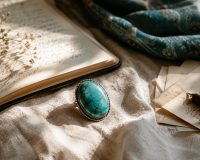
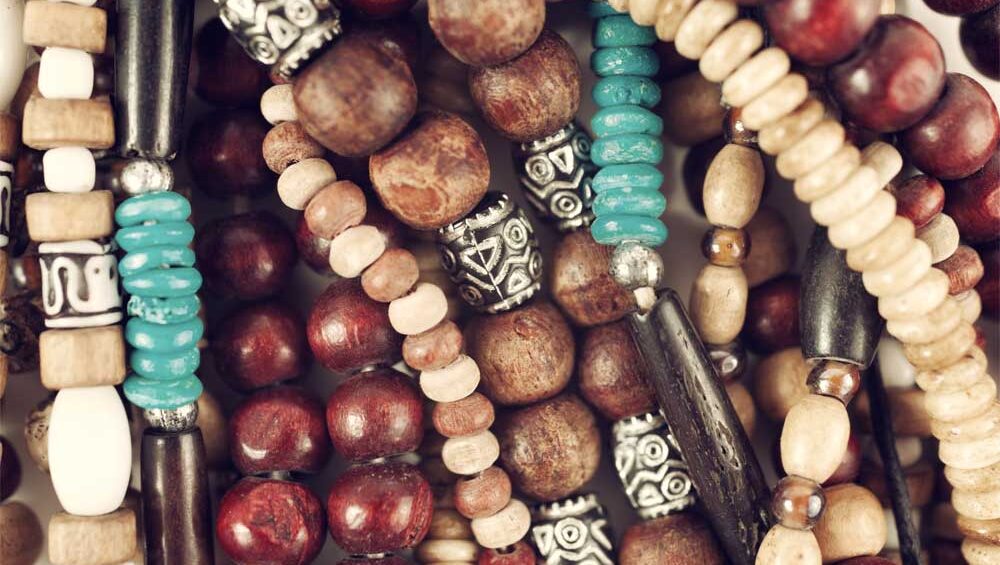
Nature has always been the ultimate source of inspiration for artisans and designers. In the world of jewelry, wood has emerged as a unique and sustainable material that beautifully combines nature’s beauty with the craftsmanship of human hands.
Wooden jewelry offers a distinct charm that sets it apart from traditional metal pieces. From delicate wooden beads to intricately carved pendants, each piece tells a story of nature’s elegance and the artisan’s skill. The natural grain and texture of wood create a warm and organic feel, adding an earthy touch to any ensemble.
Not only does wood lend jewelry a rustic and ethereal appeal, but it is also an eco-friendly choice. By using sustainably sourced and responsibly harvested wood, artisans ensure that their creations have a minimal impact on the environment.
In this article, we dive into the beauty of nature and the craftsmanship behind wooden jewelry. We explore the versatility of wood as a material, the techniques used to shape and embellish it, and the unique designs that showcase its splendor. Join us on this journey as we celebrate the artistry and sustainability of wood in the world of jewelry.
Why wood is a unique and sustainable jewelry material
Wood has long been celebrated for its natural beauty and versatility, making it an ideal material for jewelry design. Unlike traditional metals and gems, wood offers a unique aesthetic that captures the essence of nature. The organic textures, varying grains, and rich colors found in different types of wood create a visual appeal that is both distinctive and inviting. Each piece of wooden jewelry carries with it the story of the tree it came from, adding a layer of authenticity that mass-produced items simply cannot replicate. This connection to nature resonates with many wearers, making wooden jewelry a cherished addition to their collections.
Furthermore, wood is an environmentally friendly choice. As a renewable resource, wood can be sustainably sourced from well-managed forests that prioritize ecological balance and biodiversity. This means that artisans can create beautiful pieces while minimizing their impact on the environment. In contrast to mined metals and synthetic materials that often involve destructive extraction processes, wood offers a sustainable alternative that aligns with the growing demand for eco-conscious products. The use of reclaimed or repurposed wood further enhances the sustainability factor, as it reduces waste and gives new life to materials that might otherwise be discarded.
In addition to its environmental benefits, wooden jewelry also provides a unique sensory experience. The warmth and weight of wood create a tactile sensation that metal and plastic cannot match. Many wearers find that wooden pieces are comfortable to wear, and the natural variations in texture and finish evoke a sense of connection to the earth. This harmonious blend of aesthetics, sustainability, and sensory appeal makes wood a truly unique material in the realm of jewelry design, inspiring both creators and wearers to embrace its beauty.
Types of wood used in jewelry making
The world of wooden jewelry is rich with diversity, thanks to the wide variety of wood types available for artisans to work with. Each type of wood brings its own unique properties, colors, and textures, allowing for endless possibilities in design. Some of the most popular woods used in jewelry making include hardwoods like maple, oak, walnut, and cherry. These woods are not only durable but also showcase stunning grains and colors that enhance the overall aesthetic of the jewelry.
Maple, for instance, is renowned for its light color and fine texture, making it an excellent choice for minimalist designs. Its subtle beauty allows it to blend seamlessly with other jewelry materials, such as metals and stones. Oak, on the other hand, is characterized by its pronounced grain and strength, giving it a rustic charm that appeals to those who appreciate traditional craftsmanship. Walnut, with its rich, dark hues, adds an element of sophistication, making it a favored choice for statement pieces.
In addition to these common hardwoods, exotic woods are also gaining popularity in jewelry making. Woods like ebony, rosewood, and mahogany are prized for their striking colors and intricate patterns. Ebony, known for its deep black color and density, exudes luxury and elegance. Rosewood, with its warm reddish-brown tones and fragrant aroma, offers a unique sensory experience that elevates the jewelry to a sensory delight. These exotic varieties not only enhance the visual appeal of wooden jewelry but also allow artisans to create one-of-a-kind pieces that stand out in any collection.
The craftsmanship behind wood jewelry
Creating wooden jewelry is an art that requires skill, patience, and a deep appreciation for the material. Artisans who specialize in wood jewelry often begin with the careful selection of wood, considering factors such as grain, color, and texture. This initial choice plays a crucial role in the final appearance of the piece, as each wood type can drastically alter the outcome. Once the wood is selected, artisans employ various techniques to shape and enhance the material, ensuring that the natural beauty of the wood shines through.
One of the key techniques in woodworking is carving, which allows artisans to create intricate designs and patterns. Using hand tools or power tools, skilled craftsmen can transform a simple block of wood into a stunning pendant or pair of earrings. The process involves not only cutting and shaping but also sanding and finishing to achieve a smooth, polished surface. Many artisans also incorporate techniques such as pyrography, where designs are burned into the wood, adding a unique element to each piece. This level of detail and craftsmanship is what sets wooden jewelry apart from more conventional materials.
Finally, the finishing touches are essential in the crafting of wooden jewelry. Artisans often apply natural oils, waxes, or eco-friendly finishes to enhance the wood’s appearance while providing protection against wear and tear. This attention to detail ensures that each piece not only looks beautiful but also maintains its integrity over time. The combination of traditional craftsmanship and modern techniques allows artisans to create wooden jewelry that is not only aesthetically pleasing but also durable and functional, making it a lasting addition to any jewelry collection.
How to care for and maintain wood jewelry
Caring for wooden jewelry is essential to preserve its beauty and longevity. Unlike metal or plastic, wood requires special attention to maintain its integrity. One of the most important aspects of caring for wood jewelry is to keep it away from excessive moisture. Water can cause wood to swell or warp, so it’s advisable to remove wooden pieces before bathing, swimming, or engaging in any activity that may expose them to water. If your wooden jewelry does get wet, gently pat it dry with a soft cloth and allow it to air dry completely before storing it.
Regular cleaning is another important aspect of wood jewelry maintenance. To clean wooden pieces, use a soft, dry cloth to wipe away any dust or debris. For deeper cleaning, a slightly damp cloth can be used, but it’s vital to avoid soaking the wood. After cleaning, it’s recommended to apply a small amount of natural oil, such as jojoba or mineral oil, to maintain the wood’s luster and prevent it from drying out. This not only enhances the wood’s natural grain but also provides a protective barrier against dirt and moisture.
Storage is also crucial for preserving wooden jewelry. It’s best to keep wooden pieces in a dry, cool place, away from direct sunlight, which can cause fading and damage over time. Using a soft pouch or a lined jewelry box can help protect the pieces from scratches and other potential harm. By following these simple care tips, wearers can ensure that their wooden jewelry remains beautiful and retains its charm for years to come.
Wood jewelry trends and designs
The world of wooden jewelry is constantly evolving, with new trends and designs emerging that reflect contemporary tastes and styles. One significant trend is the incorporation of mixed materials. Artisans are increasingly combining wood with metals, stones, and even resin to create striking pieces that showcase the unique characteristics of each material. This blending of elements not only enhances the visual appeal of the jewelry but also allows for creative expression, resulting in pieces that are both modern and timeless.
Another trend gaining traction is the emphasis on personalization and customization. Many artisans now offer customers the opportunity to create bespoke wooden jewelry that reflects their individual style and story. This can include engraving names or meaningful symbols onto wooden pendants, or selecting specific wood types that hold personal significance. This focus on personalization creates a deeper connection between the wearer and their jewelry, making each piece a cherished keepsake.
Sustainability is also at the forefront of wood jewelry trends. As consumers become more eco-conscious, there is a growing demand for sustainable practices in the jewelry industry. Artisans are responding by sourcing wood from responsible suppliers and utilizing reclaimed materials. This trend not only highlights the importance of environmental stewardship but also adds a unique narrative to each piece, as wearers can feel good about their choices. Overall, the trends in wooden jewelry reflect a blend of artistry, individuality, and a commitment to sustainability, making it an exciting area of the fashion world.
Wood jewelry brands to explore
As the popularity of wooden jewelry continues to rise, several brands have emerged that specialize in unique and sustainable designs. One such brand is Wooden Crate, known for its handcrafted wooden accessories that range from necklaces to earrings. The artisans at Wooden Crate prioritize sustainability by sourcing their natural jewelry materials from responsibly managed forests and using eco-friendly finishes. Their designs often feature intricate carvings and bold shapes, making them stand out in any jewelry collection.
Another notable brand is Earth Wood, which focuses on creating beautiful wooden watches and jewelry that celebrate the beauty of nature. Each piece is made from high-quality, sustainably sourced wood, and the brand is committed to reducing its environmental impact through various initiatives. Earth Wood’s designs are modern and chic, appealing to those who appreciate the intersection of fashion and sustainability.
For those looking for a more artisanal touch, Tree Jewelry offers a range of unique wooden pieces crafted by skilled artisans. Each item is handmade, ensuring that no two pieces are exactly alike. Tree Jewelry emphasizes the beauty of natural imperfections in wood, allowing the character of each piece to shine through. Their collection includes everything from minimalist earrings to statement necklaces, showcasing the versatility of wood in jewelry design.
The environmental impact of wood jewelry
Wooden jewelry carries a significantly lower environmental impact compared to traditional jewelry made from mined metals and stones. The production of jewelry often involves extensive mining processes that can lead to habitat destruction, soil erosion, and pollution. In contrast, responsibly sourced wood can contribute to sustainable forestry practices, which help preserve ecosystems and promote biodiversity. By choosing wooden jewelry, consumers are supporting a more sustainable approach to fashion that prioritizes the health of the planet.
Additionally, the carbon footprint associated with wooden jewelry production is typically lower than that of metal jewelry. Trees absorb carbon dioxide as they grow, and using wood as a material can help offset carbon emissions. When artisans use reclaimed wood, they further reduce the environmental impact by repurposing materials that would otherwise contribute to waste. This cycle of reuse and sustainability is crucial in combating climate change and fostering a more eco-friendly industry.
Moreover, many artisans who specialize in wooden jewelry are also committed to ethical practices, ensuring that their sourcing methods support local communities and promote social responsibility. By engaging in fair trade practices and supporting local economies, these artisans contribute to a more equitable and sustainable jewelry market. The environmental benefits of wooden jewelry extend beyond the material itself, encompassing a holistic approach to production, consumption, and community engagement.
Supporting sustainable and ethical wood jewelry practices
Supporting sustainable and ethical wood jewelry practices is essential for fostering a more responsible jewelry industry. Consumers play a crucial role in this process by making informed choices about the products they purchase. Opting for brands that prioritize sustainable sourcing, eco-friendly materials, and fair labor practices not only contributes to environmental conservation but also supports artisans who are dedicated to their craft. By choosing wooden jewelry from reputable sources, consumers can help promote a market that values ethical practices and respect for nature.
Additionally, educating oneself about the origins of wood used in jewelry is important. Many artisans and brands provide information about their sourcing practices, including certifications that indicate responsible forestry management. Look for labels that indicate the use of sustainably harvested wood, such as FSC (Forest Stewardship Council) certification. This knowledge empowers consumers to make conscious decisions that align with their values, ensuring that their purchases contribute to a positive impact on the environment and communities.
Finally, by sharing experiences and spreading awareness about sustainable wood jewelry, consumers can influence others to consider these practices. Social media platforms and community initiatives provide excellent opportunities for individuals to showcase their wooden jewelry and promote brands that prioritize sustainability. As more people become aware of the beauty and benefits of wooden jewelry, the demand for sustainable practices will continue to grow, encouraging more artisans to adopt environmentally friendly methods in their creative processes.
Conclusion: Embracing the beauty of nature through wood jewelry
In conclusion, wooden jewelry stands as a testament to the harmonious relationship between nature and craftsmanship. Its unique qualities, sustainability, and the artistry behind its creation make it an appealing choice for those seeking individuality and beauty in their accessories. By embracing wood as a jewelry material, we not only celebrate the natural world but also support eco-friendly practices that have a positive impact on our planet.
As we navigate a world increasingly focused on sustainability, wooden jewelry offers a meaningful way to express our connection to nature. Each piece tells a story, reflecting the beauty of the wood, the skill of the artisan, and the values of the wearer. Whether it’s a simple wooden pendant or an intricately designed bracelet, wooden jewelry invites us to appreciate the elegance of nature and the creativity of human hands.
As we move forward, let us continue to explore the endless possibilities that wooden jewelry offers, supporting artisans who prioritize sustainability and craftsmanship. By making conscious choices and celebrating the beauty of wood, we not only enrich our own lives but also contribute to a brighter, more sustainable future for generations to come. Embrace the beauty of nature through wooden jewelry and let it inspire your journey toward a more eco-conscious lifestyle.
Shop Our Jewelry Collection
Discover our exquisite range of jewelry to complement your style:

Where softness, self-awareness, and emotional healing are allowed to coexist. Through reflective writing, grounding rituals, and intentional beauty, Sparrow Trades offers gentle support for sensitive souls learning to reconnect with themselves.