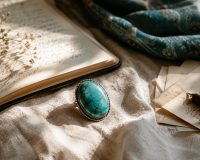
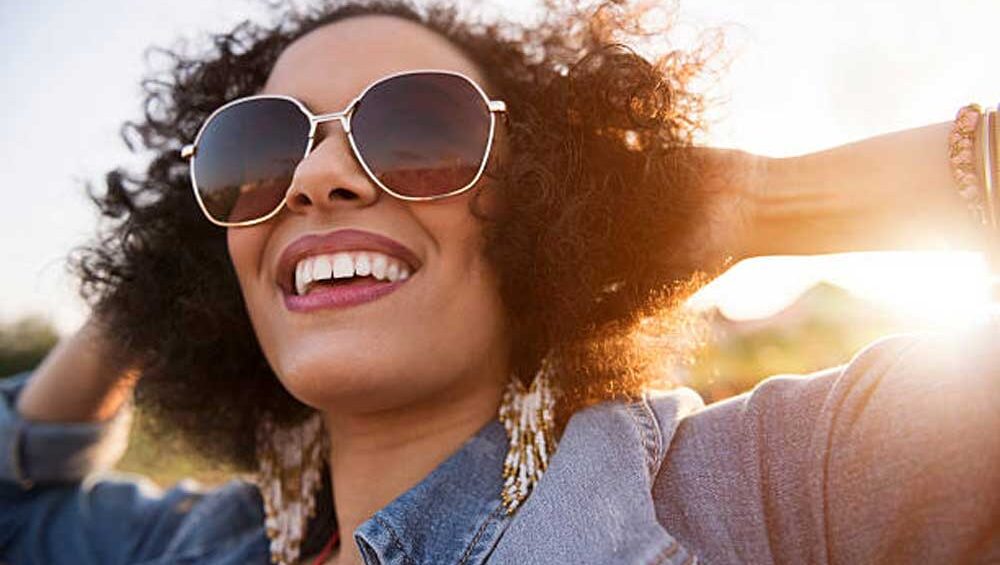
In today’s fashion landscape, jewelry is more than just an accessory. It’s a statement piece that can elevate any outfit to dazzling heights. From delicate necklaces and sparkling earrings to eye-catching bracelets and statement rings, jewelry has the power to transform an ensemble and reflect one’s personal style. Whether you prefer classic pearls, bold gemstones, or trendy minimalistic designs, there is a piece of jewelry for everyone.
As we dive deeper into the sparkling trend, we will explore how jewelry plays a vital role in fashion. From the red carpet to everyday street style, we’ll see how celebrities and fashion influencers incorporate jewelry to add that extra touch of glamour and sophistication to their looks.
Join us as we uncover the latest jewelry trends, learn about the craftsmanship behind these beautiful pieces, and discover how they can enhance your wardrobe. Get ready to be dazzled and inspired by the world of jewelry and how it can take your fashion game to a whole new level.
The importance of jewelry in fashion
Jewelry plays a crucial role in the world of fashion, acting as a powerful tool for self-expression and individuality. Beyond mere adornment, jewelry enhances personal style and complements clothing choices, elevating an outfit from ordinary to extraordinary. When chosen thoughtfully, these pieces can tell a story, reflecting the wearer’s personality, mood, and even cultural background. As fashion evolves, jewelry remains a constant, adaptable element that can seamlessly transition from day to night, casual to formal.
Moreover, jewelry serves as a focal point in any ensemble, drawing attention and sparking conversations. A simple dress can be transformed into a stunning outfit with the right accessories. For instance, a statement necklace can add drama to a basic outfit, while delicate earrings can provide a touch of elegance. The versatility of jewelry allows individuals to create unique looks with minimal effort, making it an essential aspect of fashion for many. This importance is reflected in the way designers incorporate jewelry into their collections, often showcasing how accessories can enhance the overall aesthetic of their designs.
The emotional connection people have with jewelry cannot be overlooked. Pieces are often gifted for special occasions, symbolizing love, friendship, or milestones. This sentimental value adds another layer to the importance of jewelry in fashion, transforming it into more than just an accessory but rather a cherished item that carries memories. In essence, jewelry is not only about style but also about connection, making it a vital element in the fashion landscape.
Historical significance of jewelry in fashion
The history of jewelry is as rich and varied as the materials and techniques used to create it. From ancient civilizations to modern times, jewelry has held significant cultural and social importance. In ancient Egypt, for example, jewelry was not only a form of adornment but also a symbol of status and power. Pharaohs adorned themselves with intricate gold pieces, often embedded with precious stones, to signify their divine connection and authority. This trend of wearing jewelry as a status symbol has persisted throughout history and remains prevalent in contemporary fashion.
During the Middle Ages, jewelry evolved to reflect the changing societal norms and values. The use of gemstones became more widespread, and intricate designs emerged, often influenced by religious themes. Jewelry was not just a personal accessory but played a role in political alliances through the exchange of gifts. The Renaissance period saw a resurgence in the artistry of jewelry making, with artisans creating pieces that showcased their craftsmanship and creativity. This era highlighted the shift towards jewelry as an art form, setting the stage for the luxurious designs that would come in later centuries.
In the 20th century, jewelry became increasingly accessible to the masses, with costume jewelry gaining popularity. Icons like Coco Chanel revolutionized fashion by encouraging women to layer pieces and mix materials, thus democratizing jewelry in a way that had not been seen before. Today, the historical significance of jewelry continues to influence current trends, with contemporary designers drawing inspiration from different eras, merging traditional craftsmanship with modern aesthetics. This rich tapestry of history makes jewelry an enduring element of fashion that resonates with people across generations.
Types of jewelry - necklaces, earrings, bracelets, and rings
Jewelry comes in a myriad of forms, each serving its purpose while adding flair and individuality to outfits. Necklaces, for instance, can vary from delicate chains with pendants to bold statement pieces that command attention. They can enhance the neckline of a dress or add interest to a simple top. Layering necklaces of different lengths and styles has become a popular trend, allowing wearers to express their creativity and personal style while adding depth to their look.
Earrings, another essential type of jewelry, have seen endless variations over the years. From classic studs to extravagant chandeliers, earrings can change the entire vibe of an outfit. They frame the face and draw attention to one’s features, making them a powerful accessory. The trend of mismatched earrings, where different styles are worn together, has gained traction, producing a playful and eclectic aesthetic that captures the essence of modern fashion.
Bracelets and rings add further dimensions to jewelry collections. Whether it’s a stack of thin bangles or a chunky cuff, bracelets can be a subtle or bold statement of style. Rings, often seen as symbols of commitment or personal milestones, also serve as individual expressions of taste. The rise of personalized jewelry, such as name rings or birthstone designs, allows individuals to carry a piece of their identity with them. Each type of jewelry plays a unique role in enhancing one’s fashion narrative, contributing to the overall story told through personal style.
Jewelry trends in different eras
Jewelry trends have shifted dramatically across different eras, each influenced by cultural, social, and artistic movements. The Art Deco period of the 1920s and 1930s was characterized by geometric designs, bold colors, and the use of new materials. This era saw a fascination with luxury and a break from traditional styles, as jewelers experimented with innovative techniques. The use of diamonds became synonymous with glamour, and pieces often featured intricate patterns that reflected the architectural influences of the time.
Fast forward to the 1960s and 1970s, and the trend shifted towards bohemian and free-spirited designs. The counterculture movement embraced handmade jewelry, with artisans crafting unique pieces from natural materials, beads, and stones. This era celebrated individuality and self-expression, leading to a rise in layering and mixing different styles. The popularity of chunky, oversized jewelry reflected a desire to stand out and make a statement in a time of social upheaval.
The late 20th and early 21st centuries have seen the rise of minimalism and sustainability in jewelry trends. Clean lines, simple designs, and the use of recycled materials have become prevalent, reflecting a shift towards conscious consumerism. Designers are now focusing on creating timeless pieces that can be worn across seasons and trends, promoting the idea of investing in quality over quantity. As we move forward, jewelry trends will continue to evolve, drawing inspiration from the past while embracing modern values and aesthetics.
How to choose the right jewelry for your outfit
Choosing the right jewelry to complement an outfit can elevate your style and create a cohesive look. One fundamental rule is to consider the neckline and overall silhouette of your clothing. For instance, a V-neck top pairs beautifully with a pendant necklace that follows the line of the neckline. Conversely, a high-neck dress might benefit from statement earrings that draw attention to the face while leaving the neck bare. Understanding how different jewelry styles interact with clothing can significantly enhance your overall appearance.
Additionally, it’s crucial to consider the occasion when selecting jewelry. Formal events often call for more sophisticated pieces, such as diamond studs or elegant bracelets, while casual outings allow for playful experimentation with colors and materials. Mixing and matching different styles can also be an exciting way to express your personality. For example, pairing a delicate chain with a bold cuff can create a balanced yet dynamic look that showcases individuality.
Finally, personal comfort should never be overlooked. While certain pieces may be visually appealing, it’s essential to choose jewelry that feels comfortable and aligns with your lifestyle. Heavy earrings might look stunning but can become cumbersome over time. Prioritizing comfort ensures that you can enjoy your jewelry throughout the day without distraction. By considering these factors—neckline, occasion, and comfort—you can confidently choose jewelry that enhances your fashion choices and reflects your unique style.
Jewelry styling tips and tricks
When it comes to styling jewelry, there are several tips and tricks that can help you achieve a polished and sophisticated look. One popular method is layering, which involves wearing multiple pieces together to create depth and interest. For necklaces, varying the lengths and styles can produce a chic and curated effect. Similarly, stacking rings and bracelets can add a playful touch to your ensemble. However, balance is key; mixing delicate pieces with bolder items can help maintain harmony and prevent the look from becoming overwhelming.
Another essential styling tip is to consider your color palette. Jewelry can either complement or contrast with your clothing, and understanding how colors work together can enhance your overall appearance. For example, gold jewelry pairs beautifully with warm tones, while silver or platinum may complement cooler shades. Additionally, using colorful gemstones can add a pop of vibrancy to an otherwise neutral outfit, allowing you to express your personality and creativity through your accessories.
Finally, don’t shy away from experimenting with different styles. Fashion is about self-expression, and jewelry offers a fantastic opportunity to showcase your unique taste. Mixing vintage pieces with modern designs or incorporating cultural elements can create a distinctive look that tells a story. Remember that confidence is the best accessory; wearing jewelry that resonates with you will naturally enhance your entire outfit. By following these styling tips, you can effortlessly elevate your fashion game and embrace the dazzling world of jewelry.
Famous jewelry designers and their impact on fashion
Throughout history, several jewelry designers have made significant contributions to the fashion industry, shaping trends and influencing styles that resonate even today. One such designer is Coco Chanel, who revolutionized the way women accessorized by promoting the idea of layering pearls and mixing different materials. Her iconic designs, such as the use of costume jewelry, made luxury more accessible and encouraged women to express their individuality through their accessories. Chanel’s impact remains evident, as her designs continue to inspire contemporary jewelry trends.
Another influential designer is Elsa Schiaparelli, known for her bold, avant-garde approach to jewelry. Schiaparelli’s pieces often featured whimsical elements, such as surreal motifs and unexpected materials, challenging the traditional notions of jewelry design. Her collaborations with artists like Salvador Dalí broke boundaries and showcased the potential of jewelry as a form of art. The playful spirit she infused into her work continues to inspire modern designers who seek to push the limits of creativity in their designs.
Tiffany & Co. is another name synonymous with luxury and elegance. Founded in the 19th century, the brand has left an indelible mark on the jewelry industry, particularly with its signature engagement rings and the iconic Tiffany Blue Box. The craftsmanship and timeless designs have set a standard for fine jewelry, influencing countless jewelers worldwide. The brand’s commitment to quality and innovation ensures its place in the pantheon of influential jewelry designers, making it a staple in the world of fashion.
Sustainable and ethical jewelry options
As the fashion industry increasingly embraces sustainability, the jewelry sector is not far behind. Consumers are becoming more conscious of their purchasing decisions, seeking out brands that prioritize ethical practices and sustainable materials. This shift has led to the rise of eco-friendly jewelry options, such as those made from recycled metals or ethically sourced gemstones. Many designers are now committed to transparency, providing information about the origins of their materials and the conditions under which they are produced.
One notable trend is the emergence of lab-grown diamonds, which offer an ethical alternative to traditional mining. These diamonds have the same physical and chemical properties as natural diamonds but are created in controlled environments, significantly reducing their environmental impact. Lab-grown diamonds have gained popularity among consumers looking to make responsible choices without compromising on quality or beauty. This innovation reflects a broader movement toward sustainability in the jewelry industry, encouraging brands to explore alternative materials and production methods.
Additionally, many jewelry brands are now engaging in fair trade practices, ensuring that artisans receive fair wages and work in safe conditions. Supporting such brands not only promotes ethical consumption but also helps preserve traditional craftsmanship and empower communities. By choosing sustainable and ethical jewelry options, consumers can enjoy beautiful accessories while contributing to a more responsible and conscious fashion landscape.
Jewelry care and maintenance
Proper care and maintenance of jewelry are essential to ensure its longevity and preserve its beauty. Different materials require specific care techniques to prevent damage, tarnishing, or wear. For instance, silver jewelry often tarnishes over time due to exposure to air and moisture. Regular cleaning with a soft cloth can help maintain its shine. Additionally, storing silver pieces in sealed bags or anti-tarnish pouches can minimize exposure to air and prolong their lifespan.
Gemstone jewelry also requires special attention. Certain stones are more delicate than others and may be susceptible to scratches or damage. It’s vital to avoid exposing them to harsh chemicals or extreme temperatures. For cleaning, a gentle solution of warm water and mild soap is usually sufficient. Using a soft brush can help remove dirt from intricate settings without causing harm. Understanding the specific care requirements for each piece can significantly enhance its durability and appearance.
Lastly, it’s essential to regularly inspect your jewelry for any signs of wear or damage. Checking clasps, settings, and stones can prevent potential loss or breakage. If you notice any issues, taking the piece to a professional jeweler for repair is advisable. By following these care guidelines, you can ensure that your jewelry remains a cherished part of your wardrobe for years to come, continuing to dazzle and elevate your fashion choices.
Conclusion: The enduring allure of jewelry in fashion
The enduring allure of jewelry in fashion lies in its ability to transcend time and trends, adapting to the ever-changing landscape of style while remaining a symbol of personal expression. From ancient civilizations to modern runways, jewelry has played a pivotal role in shaping fashion narratives, offering individuals a means to showcase their identity and creativity. As we’ve explored, the importance of jewelry extends beyond mere aesthetics; it encompasses history, craftsmanship, and emotional connections, making it an integral part of our lives.
As we look to the future, the jewelry industry continues to evolve, embracing sustainability and ethical practices while celebrating the artistry of design. The rise of innovative materials and inclusive practices signifies a shift towards a more conscious and responsible approach to adornment. This evolution ensures that jewelry remains relevant and meaningful, resonating with a new generation of consumers who value both style and substance.
Ultimately, jewelry will always hold a special place in the world of fashion. Its ability to enhance, transform, and personalize an outfit is unmatched. Whether it’s a simple pair of earrings or a statement necklace, each piece tells a story and adds depth to our fashion choices. As we celebrate the sparkling trend of jewelry, we are reminded of its timeless charm and the endless possibilities it offers to elevate our style to dazzling heights.
Shop Our Jewelry Collection
Discover our exquisite range of jewelry to complement your style:

Where softness, self-awareness, and emotional healing are allowed to coexist. Through reflective writing, grounding rituals, and intentional beauty, Sparrow Trades offers gentle support for sensitive souls learning to reconnect with themselves.