In a world where trends come and go, one thing remains constant: the timeless elegance of jewelry adornments. From the delicate sparkle of diamonds to the vibrant hues of gemstones, jewelry has the power to captivate and enchant. But what is it about these precious pieces that make them so special?
At Sparrow Trades, we believe that jewelry is more than just an accessory. It’s an expression of individuality and a celebration of beauty. Our collection showcases the craftsmanship and artistry that goes into creating each exquisite piece. From classic designs to contemporary creations, our jewelry embodies the perfect blend of heritage and innovation.
Behind every piece of jewelry lies a story. Each stone is carefully selected and every detail meticulously crafted to create a masterpiece that will be cherished for generations. Whether it’s an engagement ring that represents a lifelong commitment or a necklace that symbolizes love and friendship, jewelry holds a special place in our hearts.
Join us as we dive into the secrets behind timeless elegance and explore the beauty of jewelry adornments. Discover the history, symbolism, and craftsmanship that make these pieces so extraordinary. Prepare to be mesmerized by the allure of our collection and uncover the true essence of jewelry’s everlasting charm.
The significance of jewelry throughout history
Jewelry has been a significant part of human history for thousands of years, serving not only as a form of adornment but also as a marker of status, wealth, and cultural identity. From ancient civilizations to modern societies, jewelry has played a pivotal role in rituals, ceremonies, and daily life. In cultures around the world, pieces made of precious metals and stones have been used to signify important life events such as births, marriages, and deaths, illustrating the deep-rooted connection between jewelry and human experience.
Throughout history, different cultures have utilized jewelry to express their beliefs and values. In ancient Egypt, for example, jewelry was not only decorative but also had spiritual significance. The Egyptians adorned themselves with gold and lapis lazuli, as these jewelry materials were believed to hold protective properties. Similarly, in many indigenous cultures, jewelry was made from natural materials and often featured symbols that conveyed stories or ancestral lineage. Such practices highlight how jewelry has served as a powerful medium for storytelling and cultural expression across time and geography.
As societies evolved, so did the functions of jewelry. In the Middle Ages, ornate pieces became a display of nobility and power, often passed down through generations as heirlooms. The Renaissance period saw a revival of classical themes in jewelry making, with artists crafting intricate designs that reflected the wealth and artistry of the time. Today, while jewelry continues to symbolize luxury and beauty, it also embraces modernity and individuality, showcasing the ongoing evolution of this timeless art form.
Different types of jewelry adornments
Jewelry adornments come in various forms, each with its unique charm and significance. Among the most common jewelry types are rings, necklaces, bracelets, earrings, and brooches. Rings, often associated with love and commitment, have different styles, from simple bands to elaborate gemstone settings. Engagement rings, for instance, symbolize a promise of marriage, while other rings can express personal style or commemorate achievements. The variety in designs and materials makes rings a versatile choice for both everyday wear and special occasions.
Necklaces are another popular category of jewelry, varying in length, style, and design. They can range from delicate chains adorned with pendants to statement pieces that command attention. Necklaces often serve as a canvas for personal expression, allowing individuals to showcase their unique tastes and preferences. From simple lariats to elaborate chokers, each necklace tells a story, whether it be a cherished memory or a fashion statement.
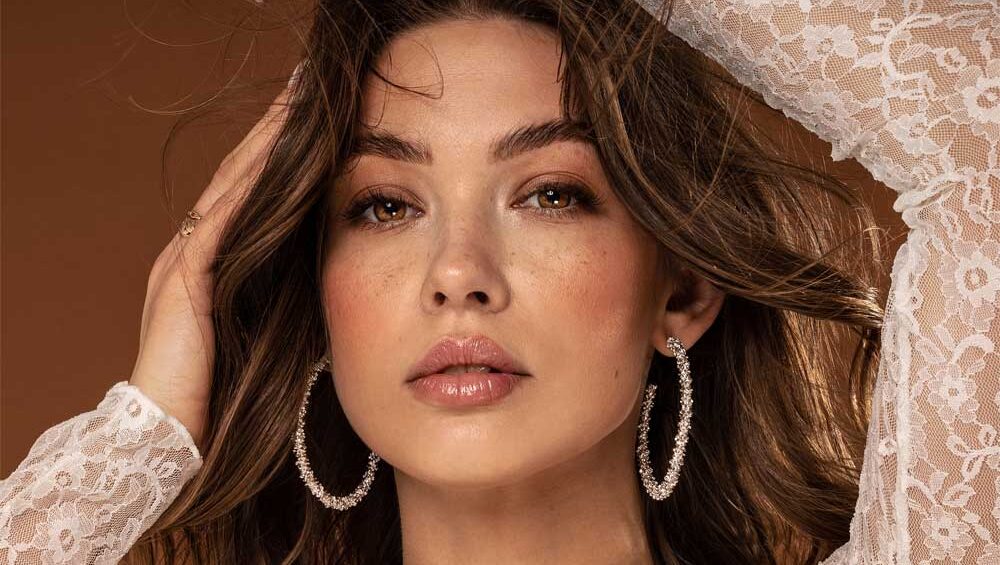
Bracelets and earrings also hold significant places in the realm of adornments. Bracelets can signify friendship, love, or personal milestones, often worn in stacks or as singular statement pieces. Earrings, whether stud, hoop, or drop, can enhance facial features and complete an outfit. Each type of jewelry adornment not only reflects personal style but also plays a role in cultural practices, making them an integral part of the human experience.
Materials used in jewelry making
The materials used in jewelry making greatly influence the beauty, durability, and value of each piece. Precious metals such as gold, silver, and platinum are often the foundation of many jewelry designs. Gold, with its rich history and association with wealth, is favored for its malleability and resistance to tarnishing. Silver, while less expensive, is cherished for its brightness and versatility, making it a popular choice for both casual and formal jewelry. Platinum, known for its rarity and strength, is often chosen for high-end pieces, particularly engagement and wedding rings.
In addition to metals, gemstones play a crucial role in the world of jewelry. Diamonds, rubies, emeralds, and sapphires are among the most sought-after stones, each with its unique allure and symbolism. Diamonds, often regarded as a symbol of love and commitment, are prized for their brilliance and hardness. Colored gemstones, on the other hand, allow for creative expression, with each hue conveying different meanings and aesthetic qualities. The careful selection and cutting of these stones enhance their sparkle and overall appeal, contributing to the artistry of the final piece.
Other materials, such as pearls, wood, glass, and even synthetic elements, are also utilized in jewelry making. Pearls, with their natural luster, have long been associated with elegance and sophistication. Artisan techniques using wood or glass can create unique, handcrafted pieces that reflect personal style and creativity. The combination of various materials allows jewelers to experiment with textures, colors, and forms, resulting in an endless array of designs that cater to diverse tastes and preferences.
The art of jewelry design
Jewelry design is a multifaceted art form that marries creativity with technical skill. The process begins with inspiration, which can stem from nature, architecture, fashion, or personal experiences. Designers often sketch their ideas, considering factors such as balance, proportion, and functionality. The initial concept must evolve into a tangible piece that resonates with the intended audience while also reflecting the designer’s unique vision. This stage is crucial, as it lays the foundation for the final product and determines how well it will embody both aesthetic appeal and wearability.
Once a design is finalized, the selection of materials comes into play. Each choice impacts the overall look and feel of the piece. For instance, a minimalist design may call for sleek metals and subtle gemstones, while a more elaborate concept might incorporate intricate detailing and a variety of materials. The craftsmanship involved in bringing a design to life is paramount, requiring precision and expertise. Techniques such as casting, soldering, and stone setting demand a high level of skill, as even the smallest miscalculation can alter the integrity of the piece.
The art of jewelry design also involves an understanding of trends and market demand. Designers must balance personal expression with the tastes of their target audience, ensuring that their creations resonate with current jewelry styles while remaining timeless. This interplay of innovation and tradition is what makes jewelry design an ever-evolving discipline, where each piece not only serves as a beautiful adornment but also as a reflection of cultural and artistic movements throughout history.
Popular jewelry styles and trends
Jewelry styles and trends are as diverse as the individuals who wear them. From classic designs that stand the test of time to contemporary pieces that push the boundaries of creativity, the world of jewelry is continually evolving. Some of the enduring styles include vintage and antique jewelry, which often feature intricate detailing and craftsmanship that harken back to specific historical periods. These pieces are cherished for their uniqueness and the stories they carry, making them sought-after items for collectors and enthusiasts alike.
In contrast, modern minimalist jewelry has gained popularity in recent years, appealing to those who prefer understated elegance. Clean lines, geometric shapes, and a focus on quality materials characterize this trend. Minimalist designs often emphasize the beauty of the materials themselves, allowing the wearer to express their style without overwhelming embellishments. This approach resonates with individuals seeking to incorporate jewelry into their everyday attire without compromising on sophistication.
Additionally, the rise of ethical and sustainable jewelry has shifted consumer preferences. As awareness of environmental issues grows, many jewelers are adopting practices that prioritize sustainability, using recycled materials and ethically sourced gemstones. This trend reflects a broader cultural movement towards responsible consumption and transparency in the fashion industry. As a result, consumers are increasingly drawn to brands that align with their values, leading to the creation of jewelry collections that are not only beautiful but also socially and environmentally conscious.
How to care for and maintain your jewelry
Caring for and maintaining jewelry is essential to preserve its beauty and longevity. Each piece requires specific attention based on its materials and design. For instance, metal jewelry should be regularly cleaned to prevent tarnishing. A gentle solution of warm water and mild soap can be used to wash pieces, followed by thorough drying with a soft cloth. Avoiding exposure to harsh chemicals or abrasive materials is crucial, as these can damage the finish and integrity of the jewelry.
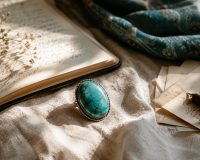
Gemstones also require special care, as each type has its unique properties. Soft stones like opal and turquoise need to be kept away from impact and extreme temperatures, while harder stones like diamonds can withstand more wear. It’s advisable to store jewelry in a cool, dry place, preferably in separate compartments to prevent scratching and tangling. Using a jewelry box with soft lining can help protect delicate pieces, ensuring they remain in pristine condition.
Regular inspections are key to identifying any potential issues before they become significant problems. Checking for loose stones, damaged clasps, or signs of wear allows for timely repairs, preserving the aesthetic and value of the jewelry. For more intricate pieces, professional cleaning and maintenance from a jeweler can ensure they continue to shine for years to come. By adopting these care practices, individuals can enjoy their jewelry collections while keeping them in excellent condition.
The emotional and symbolic value of jewelry
Jewelry transcends mere adornment; it carries deep emotional and symbolic value for many individuals. Throughout history, jewelry has been intertwined with significant life events and milestones. Engagement rings, wedding bands, and family heirlooms are often imbued with memories and feelings that resonate through generations. The act of giving and receiving jewelry can symbolize love, commitment, and connection, creating bonds that go beyond the physical piece itself.
In addition to personal connections, jewelry often embodies cultural significance. Many cultures have specific pieces that are worn during rites of passage, celebrations, or religious ceremonies. For instance, in some cultures, certain jewelry styles are believed to confer protection or bring good fortune. This connection between jewelry and cultural identity serves to strengthen community ties and preserve traditions, showcasing the importance of adornments in expressing shared values and beliefs.
Moreover, jewelry also acts as a form of self-expression. Individuals often choose pieces that reflect their personality or life experiences, allowing them to convey their style and identity to the world. Whether it’s through bold statement pieces or delicate, understated jewelry, these adornments provide a canvas for personal storytelling. This emotional and symbolic depth is what makes jewelry so cherished; it encapsulates moments, memories, and identities, creating a lasting legacy that transcends time.
Jewelry as a form of self-expression and personal style
Jewelry has long been regarded as a powerful form of self-expression, allowing individuals to convey their personal style and identity through adornment. Each piece serves as an extension of one’s personality, showcasing tastes, preferences, and even moods. Whether it’s a bold statement necklace that captures attention or a delicate bracelet that adds a subtle touch, the choice of jewelry reflects individual creativity and self-identity in an ever-changing world.
The diversity in jewelry styles and designs enables individuals to curate collections that resonate with their unique aesthetics. Some may gravitate towards vintage pieces that evoke nostalgia and history, while others may prefer contemporary designs that embody modern elegance. The ability to mix and match various styles allows for a personalized approach, enabling individuals to express their moods and sentiments on any given day. Jewelry becomes not just an accessory but a form of art that speaks to the wearer’s inner self.
In recent years, the rise of social media and celebrity culture has further influenced jewelry as a form of personal style. Influencers and public figures often showcase their jewelry choices, setting trends and inspiring others to explore their creativity. This has created a dynamic landscape where individuals feel empowered to experiment with different pieces, challenging traditional notions of beauty and style. As personal expression continues to evolve, jewelry remains a vital medium through which individuals communicate their identities and embrace their uniqueness.
Conclusion: The enduring allure of jewelry adornments
The allure of jewelry adornments is timeless, transcending generations and cultures. From ancient artifacts to modern masterpieces, jewelry continues to captivate hearts and minds with its beauty and significance. Each piece tells a story, reflecting the rich tapestry of human experience while celebrating individuality and creativity. The craftsmanship, materials, and artistry involved in jewelry making elevate these adornments beyond mere accessories; they become cherished symbols of love, tradition, and personal expression.
As we navigate a world of ever-changing trends, the enduring appeal of jewelry lies in its ability to evolve while remaining rooted in history. Whether it’s through the revival of vintage styles or the embrace of sustainable practices, the jewelry industry continuously adapts, resonating with the values and desires of contemporary society. This adaptability ensures that jewelry will remain a cherished part of our lives, allowing us to celebrate milestones, express our identities, and connect with our heritage.
In the end, the beauty of jewelry adornments lies not just in their aesthetic appeal but in their profound ability to connect us to our past, express our present, and inspire our future. As we adorn ourselves with these exquisite pieces, we carry forward the stories, emotions, and traditions that make jewelry an essential part of the human experience. The magic of jewelry will continue to enchant and inspire, reminding us of the timeless elegance that resides within each unique creation.
Shop Our Jewelry Collection
Discover our exquisite range of jewelry to complement your style:

Where softness, self-awareness, and emotional healing are allowed to coexist. Through reflective writing, grounding rituals, and intentional beauty, Sparrow Trades offers gentle support for sensitive souls learning to reconnect with themselves.