Step into the world of dazzling designs and explore the timeless beauty of jewelry motifs. From intricate floral patterns to geometric shapes, jewelry motifs have captivated the hearts of individuals across cultures and generations. These stunning designs not only complement our sense of style but also carry deep symbolic meanings.
In this article, we will take a closer look at the rich history and significance of jewelry motifs. Discover how these motifs have evolved over time and how they continue to inspire contemporary designers. Dive into the secrets behind the craftsmanship and symbolism that make these designs truly special.
Whether you prefer delicate and elegant motifs or bold and statement-worthy designs, this article will unveil the fascinating stories behind the jewelry you adore. Join us on this journey as we dive into the world of jewelry motifs and uncover the allure that has mesmerized individuals for centuries.
Get ready to be enchanted by the ethereal beauty of these intricate designs. Let us guide you through a treasure trove of inspiration and awaken your love for the artistry of jewelry motifs.
The history of jewelry motifs
Jewelry motifs have a rich and storied history that spans countless cultures and civilizations. From the earliest days of human history, adornment has played a significant role in expressing identity, status, and belief systems. The earliest jewelry was often crafted from natural materials such as shells, bones, and stones, which were shaped into simple forms. As societies evolved, so too did the complexity and artistry of these adornments. Ancient civilizations, such as the Egyptians and Mesopotamians, began to incorporate intricate motifs that reflected their cultural beliefs, religious symbols, and social hierarchies.
The Egyptians, in particular, are well-known for their elaborate jewelry motifs that often included symbols of protection and power. Pieces adorned with scarabs, ankhs, and lotus flowers served not only as decorative items but also as talismans believed to offer the wearer divine favor. The use of gold, precious stones, and enamel in their designs signified wealth and status. Similarly, the Greeks and Romans introduced motifs that celebrated mythology and nature, often depicting gods, goddesses, and floral patterns that conveyed beauty and grace.
As the Middle Ages approached, jewelry motifs took on new significance, influenced by the rise of Christianity and the feudal system. Gothic designs emerged, characterized by intricate metalwork and religious iconography. Motifs such as crosses, chalices, and saints became prevalent. The Renaissance period heralded a revival of classical themes, with jewelry reflecting a renewed interest in nature and humanism. This era saw the introduction of new techniques, such as engraving and enameling, which further enriched the designs. The evolution of jewelry motifs continued through the centuries, adapting to the changing tastes and values of society.
Popular jewelry motifs throughout the ages
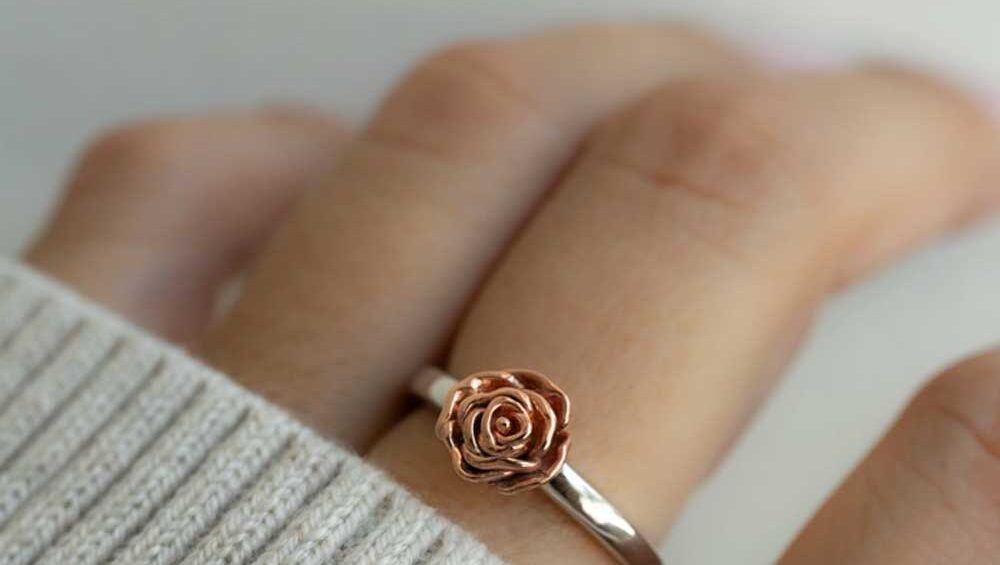
Throughout history, certain motifs have emerged as favorites among artisans and wearers alike, each carrying its own unique charm and significance. For instance, floral motifs have remained a perennial favorite, representing beauty, growth, and the cycles of life. From the delicate petals of roses to the robust forms of sunflowers, these designs have been interpreted in countless ways across cultures. During the Victorian era, floral motifs became particularly popular, often symbolizing romantic sentiments and personal connections.
Geometric shapes have also played a crucial role in jewelry design, particularly during the Art Deco movement of the 1920s and 1930s. This era celebrated bold lines, symmetry, and the use of new materials, such as chrome and Bakelite. Motifs like chevrons, zigzags, and stepped patterns dominated the scene, reflecting the modernity and sophistication of the time. The appeal of geometric motifs endures today, as contemporary designers continue to explore their versatility and ability to convey both elegance and simplicity.
Animal motifs have consistently captured the imagination of jewelry makers and enthusiasts. From the regal lion to the gentle dove, animal symbols have been used to convey various traits, such as strength, love, and freedom. In cultures around the world, animals have been revered for their spiritual significance and connection to nature. In ancient Chinese culture, for example, the dragon symbolizes power and good fortune, leading to its frequent representation in jewelry. Similarly, the butterfly motif is often associated with transformation and beauty, making it a popular choice for those seeking to express their personal journey through adornment.
Symbolic meanings behind jewelry motifs
The symbolism encapsulated within jewelry motifs often transcends mere aesthetics, serving as a language of expression and connection. Many motifs are deeply rooted in cultural beliefs and traditions, representing concepts that resonate with individuals on a personal level. For instance, the infinity symbol has gained immense popularity in recent years, signifying eternal love and connection. This motif is often used in wedding and anniversary jewelry, embodying the idea of unending commitment and devotion.
Another significant motif is the heart, which has long been associated with love and affection. Whether crafted in gold, silver, or adorned with gemstones, heart-shaped jewelry serves as a poignant reminder of the bonds we share with others. In many cultures, hearts are seen as symbols of emotion and connection, making them a favored choice for gifts and tokens of love. The crescent moon and star motifs are also prevalent, often evoking feelings of mystery and enchantment. These symbols have a rich history in various cultures, particularly in Islamic art, where they represent the divine and the celestial.
Celtic knots, with their intricate interwoven patterns, symbolize the interconnectedness of life and eternity. These motifs are often seen in wedding bands and other types of jewelry, signifying an unbreakable bond between partners. Similarly, the tree of life motif represents growth, strength, and the connection between all living things. It serves as a powerful reminder of our roots and the importance of family, making it a popular choice for family heirlooms and meaningful gifts.
How jewelry motifs are created and crafted
The creation of jewelry motifs is a meticulous process that requires both artistic vision and technical skill. Designers typically begin with a concept, often drawing inspiration from nature, culture, or personal experiences. This initial phase involves sketching out ideas and exploring different shapes, patterns, and jewelry materials. Once a design is finalized, the crafting process begins, with artisans employing various techniques to bring the motif to life.
One of the most traditional methods of jewelry making is metalworking, where artisans manipulate precious metals such as gold, silver, and platinum to create intricate designs. Techniques such as casting, soldering, and engraving are commonly employed to achieve the desired motif. For instance, casting involves pouring molten metal into a mold to create a specific shape, while engraving adds detailed patterns or images onto the surface of the jewelry. The combination of these techniques allows for a wide range of styles and finishes, enhancing the beauty of the motifs.
In addition to metalworking, contemporary jewelry designers often incorporate materials such as gemstones, enamel, and resin to enhance their motifs. Gemstones can be cut and set in various ways to create stunning focal points within a piece, while enamel adds a splash of color and texture. Some designers also experiment with alternative materials, such as wood, glass, and even recycled elements, to create unique interpretations of classic motifs. The use of technology, such as 3D printing, has further expanded the possibilities for creating intricate and precise designs, allowing for greater creativity and innovation in the field of jewelry making.
Modern interpretations of traditional jewelry motifs
As we navigate the contemporary landscape of jewelry design, traditional motifs continue to inspire and influence new creations. Modern designers often take these age-old symbols and reimagine them through fresh perspectives, blending classic elements with current trends. For example, floral motifs that once adorned ornate Victorian pieces have been streamlined into minimalist designs that appeal to today’s aesthetic preferences. This evolution reflects a desire for simplicity and elegance, allowing the motifs to shine without overwhelming the overall design.
Geometric motifs have also seen a resurgence in modern interpretations, with designers embracing a more abstract and experimental approach. Rather than adhering strictly to symmetrical shapes, contemporary pieces often feature asymmetrical designs that challenge traditional notions of balance and harmony. This innovative use of geometry allows for greater expression and individuality, appealing to a younger audience seeking unique and statement-making jewelry.
Moreover, the fusion of cultural motifs into modern designs is a growing trend. Designers are increasingly drawing inspiration from diverse cultures, creating pieces that celebrate global influences while honoring their origins. This cross-cultural exchange enriches the jewelry landscape, offering wearers a chance to connect with different traditions and stories through their adornments. Whether it’s a piece featuring ancient symbols or a contemporary twist on a classic motif, these designs resonate with individuals looking to express their identity and values in meaningful ways.
Jewelry motifs in different cultures and regions
Jewelry motifs vary widely across cultures and regions, each reflecting the unique history, beliefs, and artistry of its people. In India, for example, jewelry is often adorned with intricate motifs inspired by nature and mythology. The lotus flower, a symbol of purity and beauty, frequently appears in traditional Indian jewelry, serving as a reminder of spiritual enlightenment. Additionally, peacock motifs are popular, representing grace and beauty, and are often used in bridal jewelry to signify prosperity and love.
In African cultures, jewelry motifs often carry significant social and spiritual meanings. Beaded necklaces and bracelets, adorned with geometric patterns, are used to convey messages about identity, status, and community belonging. The use of specific colors and patterns can indicate tribal affiliation or personal achievements, making each piece a reflection of the wearer’s heritage. The Maasai people, for instance, are known for their vibrant beadwork, which incorporates traditional motifs that celebrate their connection to the land and their cultural history.
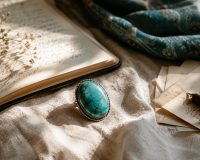
Similarly, Native American jewelry is rich with symbolism and meaning. Turquoise, a cherished stone in many tribes, is often set into intricate silver designs depicting motifs such as feathers, animals, and nature. These motifs are not just decorative; they tell stories of the tribe’s history, beliefs, and connection to the earth. The use of symbols like the dreamcatcher reflects the belief in protection and spirituality, making these pieces deeply significant to the wearers. Each culture’s unique approach to jewelry motifs highlights the diversity and richness of human expression through adornment.
Incorporating jewelry motifs into personal style
Incorporating jewelry motifs into personal style is a delightful way to express individuality and connect with cultural heritage. Whether you prefer delicate pieces or bold statement items, understanding the symbolism behind various motifs can enhance your personal expression. For example, if you resonate with the idea of growth and renewal, wearing floral motifs can beautifully reflect this aspect of your personality. A simple flower pendant or a pair of floral earrings can serve as a reminder of your values and aspirations.
Layering jewelry is another effective way to showcase different motifs and create a cohesive look. By combining pieces with complementary designs, you can tell a story through your accessories. For instance, pairing a necklace with a tree of life motif alongside a bracelet featuring geometric shapes can create an intriguing visual contrast while maintaining a unified theme. This layering technique allows for personal creativity and invites experimentation, enabling you to curate a style that is uniquely yours.
Furthermore, jewelry motifs can also be used to commemorate significant life events or transitions. For instance, a piece featuring a heart motif could symbolize love and commitment, making it an ideal choice for wedding or anniversary gifts. Alternatively, a charm bracelet adorned with various symbols can represent milestones and memories, allowing you to carry your personal journey with you. By thoughtfully selecting jewelry that resonates with your experiences, you can create a collection that not only enhances your style but also serves as a meaningful reflection of your life story.
Trends in jewelry motifs
The world of jewelry is ever-evolving, with trends continuously emerging that redefine how we perceive and wear adornments. Currently, there is a noticeable shift towards sustainable and ethical practices in jewelry design. As consumers become more conscious of their environmental impact, many designers are embracing eco-friendly materials and production methods. This trend has led to the rise of motifs that celebrate nature and sustainability, often incorporating elements like recycled metals and ethically sourced gemstones.
Another prominent trend is the resurgence of personalized jewelry, where motifs can be customized to reflect individual stories and connections. Initials, birthstones, and meaningful symbols are increasingly popular, allowing wearers to express their identities in a unique and personal way. This trend aligns with the broader movement toward self-expression and individuality, as more people seek to curate their style through meaningful pieces that resonate with their lives.
Finally, the blending of traditional motifs with contemporary designs continues to thrive, creating a dynamic interplay between the old and the new. Designers are increasingly experimenting with materials, textures, and forms, breathing new life into classic motifs. The reimagining of these designs allows for fresh interpretations that appeal to modern sensibilities while honoring their historical significance. This trend not only ensures the longevity of traditional motifs but also fosters a sense of connection between generations, as contemporary wearers embrace the beauty and stories embedded in these age-old symbols.
Conclusion: The enduring allure of jewelry motifs
The timeless beauty of jewelry motifs lies in their ability to transcend generations, cultures, and personal styles. These designs are more than mere embellishments; they carry profound meanings and stories that resonate with individuals on a deeply personal level. As we explore the history, symbolism, and craftsmanship behind these motifs, we uncover a rich tapestry of artistry that has captivated hearts and minds throughout the ages.
In a world where trends come and go, jewelry motifs continue to endure, evolving while remaining rooted in tradition. They remind us of our shared humanity, cultural heritage, and the stories that connect us all. Whether through delicate floral patterns, bold geometric shapes, or intricate cultural symbols, these motifs allow us to express our identities and values in meaningful ways.
As we embrace the artistry of jewelry motifs, we invite a sense of wonder and appreciation for the craftsmanship that goes into each piece. From ancient civilizations to contemporary designers, the journey of jewelry motifs is a testament to the enduring allure of beauty and symbolism. Whether you are drawn to the elegance of a timeless design or the boldness of a modern interpretation, let these motifs inspire and enrich your personal style, celebrating the artistry that has mesmerized individuals for centuries.
Shop Our Jewelry Collection
Discover our exquisite range of jewelry to complement your style:

Where softness, self-awareness, and emotional healing are allowed to coexist. Through reflective writing, grounding rituals, and intentional beauty, Sparrow Trades offers gentle support for sensitive souls learning to reconnect with themselves.
Jewelry Discovery: Explore Our Handpicked Insights
- The Charm and Mystery of Choker Necklaces: Everything You Need to Know
- Discover the Perfect Hoop: Exploring the Different Types of Hoop Earrings
- The Timeless Allure of Gold: Exploring its Reign as the Ultimate Jewelry Material
- Types of Necklaces: A Stylish Journey from Chokers to Statement Pieces
- The Healing Power of Amazonite: Enhancing Balance, Calm, and Inner Harmony
- The Beauty and Versatility of Beads: Unleashing the True Potential of this Stunning Jewelry Material
- The Ultimate Guide to Popular Jewelry Styles: Unveiling the Secrets of Boho, Chic, Modern, and More
- Discover the Magic of Boho Turquoise Jewelry: How to Embrace the Free-Spirited Trend