
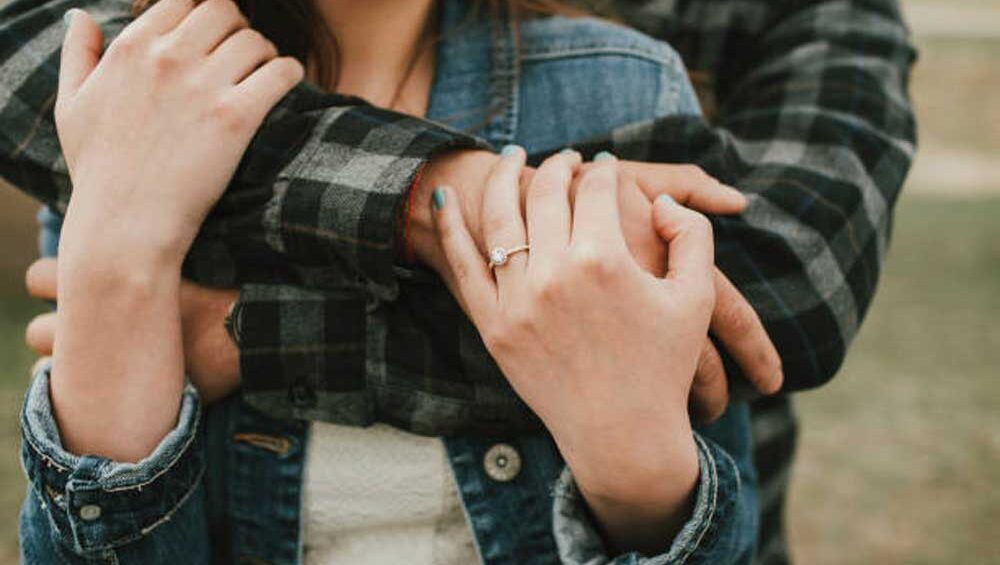
Are you ready to take the next big step in your relationship? Congratulations! In this comprehensive guide, we will provide you with everything you need to know about engagement rings. Whether you’re planning to pop the question or just looking to learn more about this timeless symbol of love, we’ve got you covered.
From the different types of gemstones, cuts, and settings to the importance of the 4Cs (color, clarity, cut, and carat weight), we will walk you through all the essential factors to consider when choosing the perfect engagement ring.
But it doesn’t end there. We’ll also explore the latest trends in engagement ring styles, from classic solitaires to halo designs and vintage-inspired looks. Plus, we’ll share expert tips on how to customize and personalize your ring to make it truly one of a kind. From selecting ethical and sustainable options to choosing the perfect size and setting, this guide ensures you’re well-equipped to make this monumental decision.
Whether you’re shopping for a ring together or planning a surprise proposal, we’ll help you navigate every step of the process with confidence. Let’s dive in and discover the world of engagement rings—where love, beauty, and craftsmanship come together.
History and Significance of Engagement Rings
The tradition of giving engagement rings dates back thousands of years, with its roots often traced to ancient Egypt. Egyptians believed that the circular shape of a ring represented eternity, a symbol of an everlasting love that had no beginning or end. They exchanged rings made from braided reeds or leather to signify commitment. This practice was later adopted by the Romans, who popularized the idea of using metal rings, specifically iron, to symbolize strength and permanence in their engagements. Over time, the engagement ring evolved into a more ornate symbol of love, leading to the diamond rings we know today.
In the Middle Ages, engagement rings gained significance among the European elite. The first recorded use of a diamond engagement ring was by Archduke Maximilian of Austria in 1477 when he presented a diamond ring to Mary of Burgundy. This act set a precedent that elevated the diamond to a status symbol in engagements, particularly among the upper classes. As trade routes expanded and diamond mining began, these precious stones became more accessible, leading to a widespread adoption of diamond engagement rings across different social classes.
The significance of engagement rings has transcended cultural boundaries and has come to symbolize a promise of commitment and a future together. Today, the engagement ring is often seen as a representation of love, devotion, and the intention to marry. It serves not only as a piece of jewelry but also as a heartfelt declaration of one’s feelings and intentions, marking an important milestone in a couple’s journey together.
Different Types of Engagement Rings
Engagement rings come in a variety of styles, each reflecting different tastes and preferences. The most traditional type is the solitaire engagement ring, which features a single diamond or gemstone set in a simple band. This design emphasizes the beauty of the stone and is often chosen for its classic elegance. Solitaires can be found in various cuts, including round, princess, and oval, allowing for personalization while maintaining a timeless appeal.
Another popular style is the halo engagement ring, which features a central stone surrounded by a circle of smaller diamonds or gemstones. This design not only enhances the sparkle and visual impact of the main stone but also adds a touch of glamor. Halo settings can be versatile, accommodating different shapes and sizes of center stones, making them a favorite for those seeking a modern yet romantic look.
For couples who appreciate vintage aesthetics, antique or vintage-inspired engagement rings are an excellent choice. These rings often feature intricate designs, filigree work, and unique gemstone settings reminiscent of past eras. Styles such as Edwardian, Art Deco, and Victorian each have distinctive characteristics that appeal to different tastes, allowing couples to choose a ring that resonates with their personal style and historical preferences.
Choosing the Perfect Diamond for an Engagement Ring
When selecting a diamond for an engagement ring, understanding the 4Cs—cut, color, clarity, and carat weight—is essential. The cut of the diamond is perhaps the most critical factor, as it determines how well the stone reflects light and sparkles. A well-cut diamond will exhibit brilliance and fire, captivating the eye. Popular cuts include round, princess, emerald, and pear, each offering a unique look and appeal.
Color refers to the diamond’s lack of color, with the most desirable stones being colorless or near-colorless. The GIA (Gemological Institute of America) grades diamonds on a scale from D (colorless) to Z (light yellow or brown). While some may prefer a colorless diamond, others might choose a stone with a hint of color for a more unique appearance. Understanding the nuances of color can help you select the perfect diamond that aligns with your preferences.
Clarity measures the presence of internal or external flaws, known as inclusions and blemishes. Diamonds are graded on a scale from Flawless (no inclusions visible under 10x magnification) to Included (inclusions visible to the naked eye). A higher clarity grade often means a more valuable diamond, but many inclusions are microscopic and do not affect the stone’s overall beauty. Carat weight, which measures the size of the diamond, also plays a significant role in the selection process. While larger diamonds are often more sought after, the cut and quality of the stone can be just as important, ensuring a stunning engagement ring that your partner will cherish.
Alternative Gemstones for Engagement Rings
While diamonds have long been the traditional choice for engagement rings, many couples are now exploring alternative gemstones that offer unique beauty and personal significance. These stones can provide a special touch, reflecting the individuality of the wearer. Some popular alternatives include sapphires, emeralds, and rubies, each bringing its own charm and color palette.
Sapphires, particularly blue sapphires, have gained popularity as an alternative to diamonds due to their stunning color and durability. They are often associated with wisdom and nobility, making them a meaningful choice for an engagement ring. Additionally, sapphires come in various colors, allowing for greater personalization and the opportunity to select a hue that resonates with the wearer’s personality.
Emeralds, known for their vibrant green hues, symbolize love and rebirth. They are softer than diamonds, so care must be taken to protect them from scratches and damage. Choosing an emerald engagement ring can convey a sense of romantic uniqueness, appealing to those who desire something different from the traditional diamond.
Rubies, with their fiery red color, represent passion and commitment. They are known for their hardness and durability, making them suitable for everyday wear. Many couples are drawn to rubies for their rich color and symbolism, offering a striking alternative that stands out. By opting for an alternative gemstone, couples can create a ring that tells their love story in a distinctive way.
Engagement Ring Settings and Styles
The setting of an engagement ring is crucial to its overall appearance and functionality. Various settings can enhance the beauty of the center stone while providing different levels of security and comfort. The prong setting is one of the most common and classic styles, featuring metal prongs that hold the gemstone securely while allowing light to pass through, maximizing brilliance. This setting is versatile and can be adapted to different styles and stone shapes.
Another popular choice is the bezel setting, where a metal rim encircles the gemstone, providing a modern and sleek look. This type of setting is ideal for those who lead active lifestyles, as it protects the stone from potential damage and snagging. The bezel setting can also create a unique visual effect, making the stone appear larger and more prominent.
For a more elaborate design, consider the pave setting, where small diamonds or gemstones are set closely together along the band, creating a continuous sparkle. This style enhances the overall brilliance of the ring and can be combined with a central stone, adding a touch of glamour. Additionally, there are variations such as split shank and twisted bands, each offering unique aesthetics and personalization options. Choosing the right setting and style is essential to ensure that the engagement ring reflects your partner’s personal taste and style.
How to Find the Right Engagement Ring Size
Finding the correct ring size is a crucial step in the engagement ring buying process. An ill-fitting ring can be uncomfortable or even lost, so taking the time to measure accurately is important. One common method is to use a ring sizer, which can be found at jewelry stores or purchased online. This tool allows you to measure the diameter of a ring that already fits well, providing a reliable size reference.
If you don’t have a ring sizer, you can measure the finger directly using a strip of paper or string. Wrap the strip around the base of the finger, marking where it overlaps, and then measure the length with a ruler. This measurement can then be compared to a ring size chart to determine the correct size. It’s best to measure the finger at the end of the day when it is likely to be at its largest, accounting for factors such as temperature and humidity.
It’s also important to consider the width of the band when determining the size. Wider bands may require a slightly larger size for comfort, while narrower bands may fit more snugly. If you’re uncertain about the size, consider purchasing a temporary setting or choosing a jeweler who offers resizing services. By ensuring the right fit, you can give your partner a ring that they will cherish and wear comfortably for years to come.
Buying an Engagement Ring on a Budget
Buying an engagement ring is often a significant investment, but it is possible to find a beautiful ring that fits within your budget. Start by determining a realistic price range that aligns with your financial situation. It’s a common misconception that one must spend a specific multiple of their salary; instead, focus on what you can afford without causing financial strain.
One effective way to save on an engagement ring is to consider diamonds with lower carat weights that may appear larger due to their cut or setting. Opting for a diamond with good cut quality can create the illusion of size, making it look more impressive than its carat weight suggests. Additionally, choosing a diamond with a slight color tint or lower clarity grade can significantly reduce the price without sacrificing beauty.
Another option is to explore alternative gemstones or lab-created diamonds. Lab-created diamonds offer the same physical and chemical properties as natural diamonds but at a fraction of the cost. Similarly, alternative gemstones like sapphires or moissanite can provide stunning visual appeal without the premium price tag. By being open to different styles and options, you can find an engagement ring that fits both your aesthetic desires and budgetary constraints, ensuring that your commitment is celebrated without financial worry.
Tips for Proposing with an Engagement Ring
Planning the perfect proposal can be both exciting and nerve-wracking. To ensure that the moment is memorable, consider the personality and preferences of your partner. Choose a location that holds significance for both of you, such as the place where you had your first date or a favorite spot in nature. The setting can enhance the emotional impact of the proposal, making it even more special.
Timing is also crucial. Consider waiting for a moment when your partner is in good spirits and relaxed. Avoid significant life events or stressful periods that may distract from the occasion. Regardless of the location, the proposal should feel personal and genuine, reflecting the unique bond you share.
When it comes to the actual proposal, speak from the heart. Share your feelings and what your partner means to you, creating a moment of intimacy and connection. Don’t forget to capture the moment, whether through a photographer or a discreet friend. This way, you can relive the joy of the proposal for years to come. Remember, the most important thing is to create a meaningful experience that celebrates your love and commitment.
Conclusion: Finding the Perfect Engagement Ring for Your Loved One
Choosing the perfect engagement ring is a significant milestone in your journey toward commitment. By understanding the history and significance of engagement rings, exploring different types and settings, and considering alternatives, you can make an informed decision that reflects both your partner’s style and your relationship.
As you navigate the intricacies of selecting the right diamond or gemstone, remember that the ring symbolizes your love and the promise of a future together. Take the time to explore options, consider budget constraints, and find the perfect size to ensure a comfortable fit.
Ultimately, the most important aspect of the engagement ring is the love it represents. Whether you choose a traditional diamond solitaire or a unique alternative gemstone, the ring will serve as a lasting reminder of your commitment. With careful consideration and thought, you can find the perfect engagement ring that not only dazzles but also beautifully encapsulates your love story.
Shop Our Jewelry Collection
Discover our exquisite range of jewelry to complement your style:

Where softness, self-awareness, and emotional healing are allowed to coexist. Through reflective writing, grounding rituals, and intentional beauty, Sparrow Trades offers gentle support for sensitive souls learning to reconnect with themselves.
Jewelry Discovery: Explore Our Handpicked Insights
- All You Need to Know About Amazonite: The Beautiful and Mysterious Gemstone
- Express Yourself with Statement Rings: Unleash Your Style and Spark Conversation
- Earring Stacking: How to Create Stunning Ear Jewelry Combinations
- Unlocking the Beauty of Wholesale Sterling Silver Jewelry
- Stylish Earrings for Round Faces: Enhance Your Features with the Perfect Accessory!
- The Ultimate Guide to Bracelets: Exploring the Beauty, Meaning, and Styles
- In-Depth Jewelry Glossary: Definitions and Explanations of Essential Terms
- The Symbolic Significance: Unraveling the Hidden Meanings Behind Bracelets