Necklaces have been a timeless accessory, adding elegance and charm to any outfit. From ancient civilizations to modern fashion, the history of necklaces is as captivating as the styles themselves. Whether you’re a jewelry enthusiast or simply looking to add a touch of glamour to your wardrobe, this article will take you on a journey through the fascinating world of necklaces.
Discover the origins of necklaces and how they have evolved over time. From the symbolic and protective amulets worn by ancient Egyptians to the intricate pearl strands adorning the necks of Victorian aristocrats, each era has left a unique mark on this beloved accessory.
Explore the different necklace styles available today. From delicate chokers to statement bib necklaces, there’s a style to suit every taste and occasion. Learn about the materials commonly used in necklace-making, such as precious gemstones, metals, and beads, and how they contribute to the overall look and feel of the piece.
Whether you’re seeking inspiration for your next necklace purchase or simply interested in the rich history behind this accessory, this article has everything you need to know about necklaces.
A brief history of necklaces
Necklaces have been an integral part of human adornment since ancient times. The earliest known necklaces date back to the Paleolithic era, where primitive humans fashioned simple strands from animal bones, teeth, and shells. These early necklaces served both practical and symbolic purposes, offering protection, status, and a connection to the natural world.
As civilizations evolved, necklaces became increasingly sophisticated and intricate. Ancient Egyptians, renowned for their love of jewelry, created stunning necklaces adorned with precious metals, gemstones, and intricate designs. These necklaces often held deep religious and cultural significance, with symbols like the scarab beetle and the ankh representing concepts such as rebirth and eternal life.
The ancient Greeks and Romans also had a rich tradition of necklace-making, with the former favoring delicate gold chains and the latter incorporating bold, statement pieces. During the Middle Ages, necklaces became a symbol of wealth and social status, with the nobility adorning themselves in elaborate jeweled collars and pendants. The Renaissance period saw a resurgence of interest in ancient Greek and Roman styles, leading to the creation of intricate, multi-layered necklaces that reflected the opulence of the era.
Different types of necklaces
Necklaces come in a wide variety of styles, each with its own unique characteristics and purposes. From the simple and understated to the bold and extravagant, there’s a necklace to suit every taste and occasion.
One of the most common types of necklaces is the chain necklace, which features a delicate, continuous strand of metal, often gold or silver. Chain necklaces can be worn alone or used as a base for pendants and charms, making them a versatile and timeless choice.
Another popular necklace style is the choker, a short necklace that sits close to the base of the neck. Chokers have been a fashion staple since the Victorian era and have experienced a resurgence in recent years, with modern interpretations ranging from velvet ribbons to intricate beaded designs.
Bib necklaces, also known as statement necklaces, are characterized by their elaborate, multi-layered design that covers a large portion of the neck and chest. These necklaces often feature an array of gemstones, metals, and intricate patterns, making them a bold and eye-catching accessory.
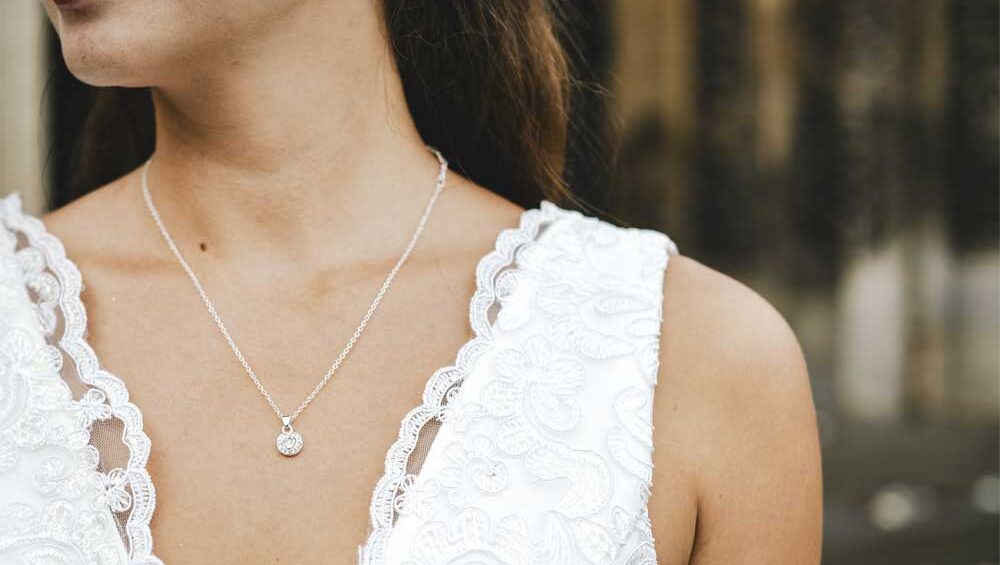
Pendant necklaces, which feature a single pendant suspended from a chain, are a classic and versatile choice. Pendants can range from simple geometric shapes to elaborate, symbolic designs, and can be made from a variety of materials, including precious metals, gemstones, and even wood or glass.
Popular necklace styles and designs
As fashion trends have evolved over the centuries, so too have the styles and designs of necklaces. From the delicate and minimalist to the bold and extravagant, there’s a necklace to suit every personal style and occasion.
One of the most enduring necklace styles is the classic pearl necklace. Pearls, with their natural beauty and timeless elegance, have been a favorite among royalty and fashion icons for centuries. Single-strand pearl necklaces, often featuring a simple clasp, are a sophisticated and versatile choice, while multi-strand pearl necklaces add a touch of grandeur to any outfit.
Another popular necklace style is the y-necklace, featuring a chain that drops down in a ‘Y’ shape, adding elegance to any outfit. Similarly, the layered necklace—combining multiple chains or pendants of varying lengths—also remains popular. This trend allows for endless creative expression, as wearers can mix and match different necklace styles, lengths, and materials to create a personalized and unique look. Layered necklaces are particularly well-suited for casual or bohemian-inspired outfits, adding a touch of effortless style.
Geometric necklaces, featuring clean lines and angular shapes, have become increasingly popular in recent years. These necklaces often incorporate materials like metal, stone, or even acrylic, and can range from simple, minimalist designs to more elaborate, sculptural pieces. Geometric necklaces can add a modern, architectural touch to an outfit, making them a versatile choice for both casual and formal occasions.
Materials used in necklace making
Necklaces are crafted from a wide variety of materials, each with its own unique properties, aesthetic appeal, and cultural significance. The choice of materials used in necklace-making can greatly impact the overall look, feel, and value of the piece.
Precious metals, such as gold, silver, and platinum, have long been the foundation of necklace design. These metals are highly valued for their durability, luster, and ability to be crafted into intricate and elegant forms. Gold, in particular, has held a special place in jewelry-making, with its warm, rich hue and association with wealth and status.
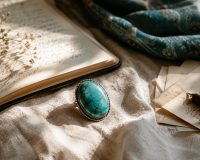
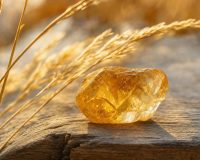
Gemstones are another popular material used in necklace design, adding color, sparkle, and symbolic meaning to the piece. Diamonds, with their unparalleled brilliance, are a classic choice, while colored gemstones like sapphires, rubies, and emeralds can add a touch of vibrant elegance. Semiprecious stones, such as amethyst, turquoise, and citrine, are also commonly used in necklace making, often in more affordable and accessible designs.
Natural materials, such as pearls, shells, and coral, have been used in necklace-making for centuries, reflecting the deep connection between jewelry and the natural world. Pearls, in particular, are prized for their lustrous, iridescent beauty, and have been associated with purity, wisdom, and wealth throughout history.
In recent years, there has been a growing trend towards the use of more unconventional materials in necklace design, such as wood, glass, and even recycled plastics. These materials can add a unique, eco-friendly, or avant-garde touch to the piece, appealing to those seeking a more contemporary or sustainable approach to jewelry.
How to choose the right necklace for your style and body type
Selecting the perfect necklace can be a daunting task, as it requires considering a variety of factors, from personal style to body shape and proportions. However, with a little bit of knowledge and experimentation, you can find the necklace that complements your unique features and enhances your overall look.
When it comes to body type, certain necklace styles can be more flattering than others. For example, individuals with a longer neck may find that a choker or a shorter necklace can help to balance their proportions, while those with a shorter neck may prefer a longer, more elongating necklace style. Likewise, people with broader shoulders may find that a bib necklace or a statement piece can help to draw attention to the face, while those with a petite frame may opt for a more delicate, minimalist necklace.
Personal style is another crucial factor to consider when choosing a necklace. Those with a classic, timeless aesthetic may gravitate towards simple chain necklaces or pearl strands, while those with a more bohemian or avant-garde sensibility may be drawn to layered necklaces or geometric designs. Occasion and outfit also play a role, with formal events calling for more elaborate, statement-making necklaces, and casual outfits lending themselves well to more understated, everyday pieces.
Ultimately, the key to finding the perfect necklace is to experiment and trust your own instincts. Try on different styles, lengths, and materials, and pay attention to how they make you feel and how they complement your overall look. Don’t be afraid to step outside your comfort zone and explore new trends, as the right necklace can transform an outfit and boost your confidence.
Tips for caring for and maintaining your necklaces
Proper care and maintenance are essential for preserving the beauty and longevity of your necklace collection. Whether your necklaces are made of precious metals, gemstones, or delicate materials, following a few simple tips can help ensure they remain in pristine condition for years to come.
One of the most important steps in necklace care is proper storage. Avoid tossing your necklaces into a drawer or jewelry box, as this can lead to tangling, kinking, and even damage to the materials. Instead, invest in a dedicated necklace organizer, such as a jewelry stand or a soft-lined tray, to keep your pieces safely separated and protected.
When it comes to cleaning your necklaces, be gentle and use the appropriate methods for the materials involved. For metal necklaces, a soft cloth and a mild, jewelry-specific cleaning solution can help remove dirt and tarnish. Pearls and other delicate materials, on the other hand, should be cleaned with a damp, soft cloth, avoiding any harsh chemicals or abrasives.
It’s also important to be mindful of how you wear your necklaces. Avoid exposing them to harsh chemicals, such as those found in perfumes, lotions, and household cleaners, as these can discolor and damage the materials over time. Additionally, be careful when putting on and taking off your necklaces, as sudden movements or snagging can lead to broken clasps or bent links.
Finally, consider having your necklaces professionally inspected and serviced on a regular basis, especially if they are made of precious metals or contain valuable gemstones. A jeweler can check for any signs of wear or damage and perform necessary repairs or adjustments to ensure your necklaces remain in top condition.
Unique and creative ways to wear necklaces
Necklaces are not just accessories; they can be used to express your personal style and creativity in unique and unexpected ways. From layering and mixing different necklace styles to incorporating them into your daily outfits, the possibilities are endless.
One of the most popular trends in recent years has been the art of necklace layering. By combining multiple necklaces of varying lengths, materials, and styles, you can create a visually striking and personalized look. Experiment with mixing delicate chain necklaces with bold, statement pieces, or layer pendants of different shapes and sizes for a truly one-of-a-kind effect.
Another creative way to wear necklaces is to incorporate them into your everyday wardrobe. Instead of saving your favorite necklaces for special occasions, try weaving them into your casual outfits. A simple pendant necklace can add a touch of elegance to a basic t-shirt and jeans, while a bold, chunky necklace can elevate a plain dress or blouse.
For the more adventurous fashion enthusiasts, necklaces can even be used as the focal point of an outfit. Experiment with wearing a statement necklace as a standalone piece, allowing it to take center stage and become the main attraction. This approach works particularly well with bib necklaces or intricate, multi-layered designs that can serve as a stunning centerpiece for your look.
Finally, don’t be afraid to think outside the box when it comes to necklace styling. Consider wrapping a delicate chain around your wrist as a bracelet, or looping a longer necklace through a belt loop for a unique, unexpected touch. The key is to have fun and let your creativity shine through.
Famous necklaces and their significance
Throughout history, certain necklaces have become iconic, transcending their role as mere accessories and taking on a deeper, cultural significance. These famous necklaces have captured the imagination of the public and have become symbols of power, wealth, and personal expression.
One of the most renowned necklaces in history is the Necklace of Cleopatra, a stunning piece featuring a large, pear-shaped pearl pendant. This legendary necklace was said to have been worn by the Egyptian queen herself, and its opulence and grandeur have become synonymous with the extravagance and allure of ancient Egypt.
Another iconic necklace is the Hope Diamond, a rare and priceless deep-blue diamond that has been the subject of numerous legends and superstitions. Weighing in at over 45 carats, the Hope Diamond has been owned by royalty, nobility, and wealthy collectors throughout its storied history, and its mysterious past has only added to its allure.
The Duchess of Windsor’s Panther Bracelet Necklace is a stunning example of the power of personal style and the ability of a necklace to become a symbol of its owner. Designed by Cartier, this bold, sculptural necklace featuring a panther motif was a favorite of the Duchess, and it has become a lasting symbol of her impeccable taste and fashion influence.
More recently, the “Tiffany Diamond” necklace, worn by Lady Gaga at the 2019 Academy Awards, has become a modern-day icon. This stunning 128-carat yellow diamond, first discovered in the 19th century, was set in a dramatic, statement-making necklace that captivated the world and cemented its place in popular culture.
These famous necklaces, and countless others, serve as a testament to the enduring power and significance of this timeless accessory, transcending their physical form to become symbols of history, wealth, and personal expression.
Conclusion: The enduring beauty and versatility of necklaces
Necklaces have been a beloved accessory for centuries, captivating the human imagination with their timeless beauty, intricate designs, and cultural significance. From the simple, primitive necklaces of our ancestors to the opulent, statement-making pieces of the modern era, this accessory has evolved alongside our own human history, reflecting the changing tastes, values, and aspirations of each era.
Whether you’re drawn to the delicate elegance of a pearl strand, the bold and dramatic flair of a bib necklace, or the unique, avant-garde appeal of a necklace crafted from unconventional materials, there is a style to suit every personal preference and occasion. Necklaces have the power to transform an outfit, boost confidence, and even serve as a symbol of one’s identity and cultural heritage.
As we have explored in this article, the world of necklaces is a rich and fascinating one, brimming with history, creativity, and endless possibilities. By understanding the origins, materials, and styles of this beloved accessory, we can better appreciate the care and craftsmanship that goes into its creation, and find new and innovative ways to incorporate necklaces into our own personal style.
So, whether you’re a seasoned jewelry enthusiast or simply looking to add a touch of elegance to your wardrobe, embrace the enduring beauty and versatility of necklaces. Experiment with different styles, layer and mix your favorites, and let this timeless accessory be a reflection of your unique personality and sense of fashion. After all, the true magic of necklaces lies in their ability to captivate, inspire, and bring a touch of timeless beauty to our lives.
For a broader topic, be sure to check out are article on what is jewelry.
Shop Our Jewelry Collection
Discover our exquisite range of jewelry to complement your style:

Where softness, self-awareness, and emotional healing are allowed to coexist. Through reflective writing, grounding rituals, and intentional beauty, Sparrow Trades offers gentle support for sensitive souls learning to reconnect with themselves.