

There are emotions that move through us naturally, and then there are emotions that never fully get the chance.
The ones swallowed during difficult conversations. The tears held back because someone needed you to stay composed. The anger that felt too unsafe to express. The grief that had nowhere to land because life kept moving.
Over time, unspoken emotions do not simply disappear. They settle into the body quietly. Sometimes they become tension in the shoulders, exhaustion that never fully lifts, emotional numbness, irritability, brain fog, or the strange heaviness of feeling disconnected from yourself without knowing why.
Many people begin journaling because they want clarity, productivity, or self-improvement. But eventually, something deeper often emerges beneath the surface. The journal becomes less about documenting life and more about surviving it emotionally.
That is where journaling for emotional release becomes different.
This kind of journaling is not about writing perfectly structured reflections or finding the “right” insight. It is not about turning pain into something inspirational before it has even been felt. Emotional release journaling creates space for emotions that were never fully allowed to exist in the first place.
For people who spent years suppressing themselves to stay safe, this can feel surprisingly uncomfortable at first. Some people freeze when they see a blank page because they were taught to disconnect from their emotions early in life. Others begin writing and suddenly feel waves of sadness, anger, or anxiety rising unexpectedly.
That does not mean the process is wrong.
Often, it means the nervous system is finally experiencing enough safety to stop holding everything together so tightly.
The body carries emotional survival patterns long after the original experiences are over. That is why emotional healing rarely begins through logic alone. Many people slowly reconnect with themselves through small practices that create nervous-system safety, including journaling for emotional wellness when they no longer know how to access their feelings directly.
For some people, emotional release looks like crying unexpectedly while writing. For others, it looks quieter than that. A long exhale. A feeling of softness in the chest. A realization that they are finally being honest with themselves for the first time in years.
“Sometimes the body releases what the mind has been trying to survive.”
There is no single correct way to experience emotional release.
Some days the page will hold rage. Some days grief. Some days confusion. And some days there will only be exhaustion and a few unfinished sentences.
All of it still counts.
The goal is not emotional perfection. The goal is allowing yourself to exist honestly on the page without immediately editing, minimizing, intellectualizing, or abandoning your feelings.
That is why many people eventually discover that emotional healing is not only about understanding themselves intellectually. It is also about slowly rebuilding learning to trust your emotions again after years of emotional suppression, survival mode, or self-doubt.
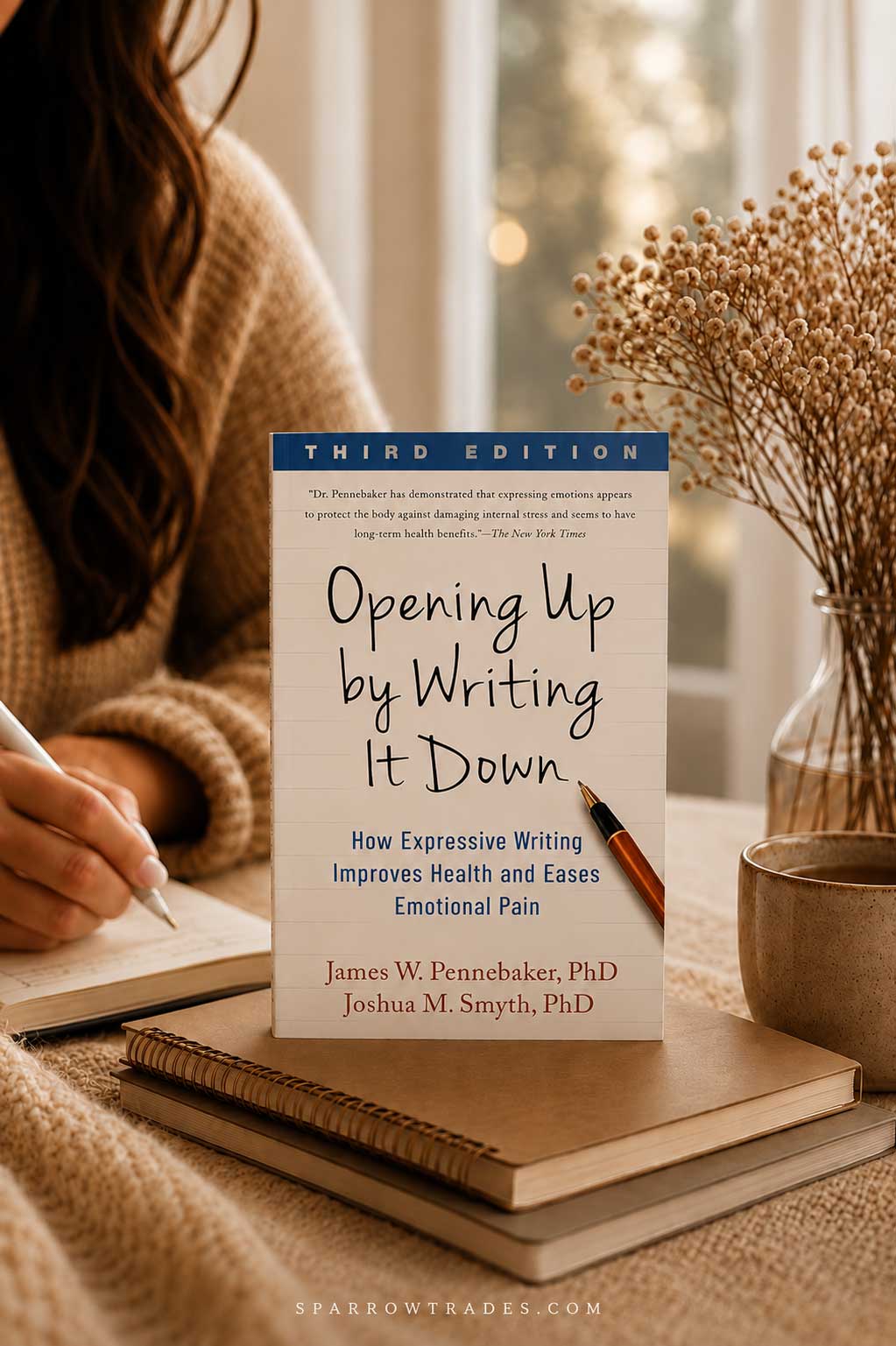
Why Emotional Suppression Builds Up in the Body
Many people think emotional suppression is a conscious decision. But often, it begins as a survival adaptation.
Children learn very quickly which emotions are welcomed and which emotions create disconnection, punishment, embarrassment, or emotional withdrawal from others. Some people were praised for being “easy.” Others became caretakers, peacekeepers, or emotionally self-contained because vulnerability felt unsafe.
Eventually, emotional suppression stops feeling like suppression at all.
It simply becomes normal.
A person may not even realize how disconnected they are until their body begins showing signs of overwhelm. Emotional numbness, chronic anxiety, emotional shutdown, hypervigilance, irritability, exhaustion, dissociation, and unexplained emotional sensitivity are often signs that the nervous system has been carrying unprocessed emotional weight for a long time.
This is why emotional release is rarely just mental.
The nervous system remembers what the conscious mind tries to move past.
People who struggle to cry, speak honestly, or identify their feelings are not broken. Very often, they adapted to environments where emotional honesty was unsafe, ignored, or emotionally punished. Over time, the body learns to stay guarded automatically.
That is also why emotional release can feel surprisingly physical. Some people shake while journaling. Others feel tired afterward. Some experience waves of grief they thought they had already “moved on” from years earlier.
The body often releases emotions in layers.
Practices that support nervous system regulation techniques can make journaling feel less emotionally overwhelming because emotional expression becomes grounded rather than destabilizing.
Many people also discover that emotional suppression was tied to a lack of emotional boundaries in relationships where they learned to prioritize everyone else’s emotional comfort before their own.
The journal becomes one of the first places where emotional honesty no longer needs permission.
There is something deeply healing about writing thoughts you would never say aloud. Not because they are wrong, but because they were never given enough emotional space to breathe.
Sometimes emotional release begins with anger. Sometimes it begins with admitting you are tired. Sometimes it begins with finally writing: “I don’t think I’ve been okay for a long time.”
And even that can be a profound beginning.

What Emotional Release Journaling Actually Looks Like
One of the biggest misconceptions about emotional journaling is that it always looks poetic, insightful, or emotionally organized.
In reality, emotional release is often messy.
The writing may repeat itself. Sentences may stop halfway through. Thoughts may contradict each other. Some pages may feel emotionally raw while others feel emotionally blank.
That does not mean the process is failing.
Very often, the page becomes the first place where emotional truth is no longer being filtered for other people’s comfort.
Many people who struggle with emotional suppression are used to monitoring themselves constantly. They edit their reactions before speaking. They minimize their feelings before others can dismiss them. They turn painful experiences into something easier to explain.
Journaling interrupts that pattern.
It creates a private emotional space where the nervous system slowly learns: I do not have to perform emotional control all the time.
Some people begin emotional release journaling by writing stream-of-consciousness pages without structure. Others use prompts when emotions feel difficult to access. Gentle prompts like:
- What emotion have I been carrying quietly lately?
- What am I afraid to admit to myself?
- What feels emotionally unfinished?
- What part of me feels exhausted?
- What emotion have I been trying not to feel?
can help soften emotional defenses gradually.
People who feel emotionally disconnected often benefit from beginning with body awareness first. Emotional release becomes easier when someone pauses to notice tightness, numbness, heaviness, restlessness, or emotional pressure physically.
That is why practices like beginner’s guide to somatic check-ins can deepen journaling work without forcing emotional intensity too quickly.
For many people, journaling becomes less about finding answers and more about allowing emotional movement.
The page can hold anger safely. It can hold grief safely. It can hold confusion safely.
Sometimes emotional release does not happen during the writing itself. Sometimes it arrives afterward, quietly. A lighter feeling in the chest. A softer nervous system. A realization that you no longer feel emotionally trapped inside yourself.
This process often becomes especially important for people healing from emotional invalidation because many learned to distrust their internal experiences completely.
The journal can slowly become evidence that your emotions are real, even when nobody else fully understood them.
When Journaling Feels Emotionally Overwhelming
Not every journaling session feels relieving.
Sometimes writing opens emotional doors that were closed for a reason.
People who spent years emotionally suppressing themselves may suddenly encounter grief, anger, loneliness, fear, or emotional memories they did not realize were still active beneath the surface. This can feel frightening, especially for nervous systems that associate emotional intensity with danger.
That is why emotional release journaling should never become emotional flooding.
There is a difference between emotional expression and emotional overwhelm.
If journaling leaves someone feeling destabilized for hours afterward, unable to regulate, dissociated, panicked, or emotionally spiraling, the nervous system may need more grounding and pacing.
Practices that support grounding can help emotional release feel safer because the body learns that emotions can move without completely taking over.
For some people, shorter journaling sessions feel more supportive than long emotional deep-dives. Ten honest minutes may create more healing than forcing yourself to write through exhaustion.
Others benefit from pairing journaling with conscious breathing for nervous system regulation when emotions begin intensifying too quickly.
The goal is not emotional collapse. The goal is emotional movement.
People recovering from chronic stress, emotional trauma, gaslighting, or long-term emotional suppression often carry survival patterns that make vulnerability feel unsafe automatically. In these cases, emotional release may happen gradually in layers instead of dramatic breakthroughs.
Sometimes healing looks less like catharsis and more like finally allowing yourself to acknowledge:
- I am angry.
- I am grieving.
- I feel emotionally neglected.
- I am tired of pretending I am fine.
Those moments matter.
People who have spent years disconnecting from themselves emotionally may also notice resistance appearing before journaling sessions. Procrastination, emotional numbness, distraction, or sudden fatigue can sometimes be protective nervous-system responses.
The body does not always resist healing because it wants suffering. Sometimes it resists because emotional honesty once carried consequences.
That is why creating emotional safety matters.
Small rituals can help the nervous system settle before journaling. Soft lighting. Warm tea. Slower breathing. Gentle music. A familiar blanket. Emotional release often becomes more accessible when the body no longer feels rushed or emotionally threatened.
For readers navigating emotional shutdown or dissociation, practices like grounding journaling during anxiety spikes and grounding after emotional overload can help create a gentler emotional landing place.
Healing does not need to happen violently to be real.
The Emotional Shift That Happens Over Time
Most people begin emotional release journaling hoping to feel less overwhelmed.
But over time, something deeper often happens.
They begin hearing themselves again.
People who spent years disconnected from their emotions often describe feeling emotionally invisible inside their own lives. They became so focused on surviving, adapting, caretaking, performing, or staying emotionally contained that they stopped recognizing what they truly felt underneath everything.
Journaling slowly interrupts that emotional disappearance.
Not all at once. Usually very quietly.
A person begins noticing patterns. The same emotional wounds showing up repeatedly. The same exhaustion. The same grief. The same fear of taking up emotional space.
Eventually, the page starts reflecting truths the nervous system has been trying to communicate for years.
That is why emotional journaling is not just emotional expression. It is often emotional reconnection.
Many people realize they have spent most of their lives abandoning themselves emotionally before anyone else could.
That realization can feel painful at first. But it can also become the beginning of real healing.
People who continue journaling regularly often begin developing stronger emotional awareness without forcing themselves into hyper-analysis. They start recognizing emotional needs earlier. They notice when their nervous system feels unsafe. They become more honest about resentment, burnout, loneliness, grief, or emotional depletion.
Over time, this emotional honesty can support self-awareness in emotional healing in ways that feel deeply grounding rather than self-critical.
Many readers also begin recognizing how emotional suppression shaped their relationships. Some realize they rarely expressed needs directly. Others notice patterns of emotional self-erasure, people-pleasing, or chronic emotional caretaking.
For those healing from emotional invalidation or manipulation, reconnecting with emotional truth can feel especially profound because they are no longer automatically distrusting their own internal experiences.
That is why journaling often becomes connected to healing after being emotionally invalidated and even recovery from gaslighting and trust erosion when someone has spent years questioning their own reality.
The emotional release itself matters. But the deeper transformation is often this:
The page becomes a place where you stop disappearing from your own life.
FAQ: Journaling for Emotional Release
How do I start journaling for emotional release if I feel emotionally numb?
Emotional numbness is often a nervous-system response, not a personal failure. Many people who spent years suppressing emotions struggle to access their feelings immediately.
Instead of forcing emotional intensity, begin gently. Write about physical sensations, exhaustion, stress, or emotional confusion without pressuring yourself to “feel deeply” right away. Sometimes emotional release begins with honesty before it becomes emotional expression.
Readers navigating emotional shutdown may also benefit from journaling for nervous system safety because emotional reconnection often requires safety before vulnerability.
Can journaling make emotions feel worse before they feel better?
Yes, sometimes.
Writing can bring buried emotions closer to the surface, especially for people who have spent years avoiding or suppressing difficult feelings. This does not necessarily mean journaling is harmful. Often, it means emotions are finally receiving attention instead of remaining emotionally trapped.
However, emotional release should not become emotional flooding. If journaling leaves you consistently destabilized, pacing, grounding, and nervous-system regulation may be necessary alongside deeper emotional work.
What should I write about during emotional release journaling?
There is no single correct structure.
Some people write stream-of-consciousness thoughts. Others use prompts. Some write letters they never send. Some describe memories, emotions, fears, or emotional needs they have never spoken aloud.
The most important thing is honesty.
Emotional release usually happens when the writing stops performing and starts telling the truth.
Many readers also find support through daily emotional check-in prompts or journaling prompts for emotional stability when emotions feel difficult to organize.
Is crying during journaling normal?
Very normal.
Crying can be a sign that emotional pressure is finally moving instead of remaining trapped internally. For people who learned to suppress emotions for survival, tears sometimes emerge only after the nervous system begins feeling safer.
Not everyone cries during emotional release journaling, though. Emotional release can also look like relief, exhaustion, anger, shaking, softness, or simply feeling emotionally lighter afterward.
How often should I journal for emotional release?
Consistency matters more than intensity.
Some people benefit from daily journaling. Others feel more supported writing only a few times per week. Emotional release is not something that should be forced aggressively.
What matters most is creating a sustainable emotional relationship with the practice.
People who struggle with emotional overwhelm may also benefit from pairing journaling with mindfulness for anxiety or somatic self-soothing practices so emotional processing feels grounding instead of destabilizing.
What if I am afraid of what I might discover while journaling?
That fear is more common than many people realize.
For some individuals, emotional honesty once created conflict, shame, abandonment, punishment, or emotional exposure. The fear is not irrational. The nervous system may still associate vulnerability with danger.
This is why emotional healing often requires gentleness.
You do not need to force every emotion open immediately. You are allowed to move slowly. You are allowed to pause. You are allowed to build emotional trust gradually.
Sometimes healing begins not with dramatic breakthroughs, but with finally allowing yourself to admit: “I think I’ve been carrying more than I realized.”
Conclusion
Journaling for emotional release is not about becoming emotionally perfect.
It is about becoming emotionally honest.
For many people, that honesty feels unfamiliar at first. The nervous system may still expect emotional suppression, self-monitoring, or emotional self-abandonment. Years of survival patterns do not disappear overnight.
But slowly, the page can become a place where emotional truth no longer needs permission.
A place where grief can exist. Where anger can exist. Where exhaustion can exist. Where softness can exist.
Not every journaling session will feel profound. Some days the writing will feel scattered or emotionally distant. Some days the page may only hold a few sentences.
That still matters.
Healing often happens quietly.
Sometimes it looks like noticing your emotions sooner. Sometimes it looks like finally admitting you are overwhelmed. Sometimes it looks like recognizing emotional patterns you spent years minimizing. Sometimes it looks like no longer abandoning yourself automatically.
Over time, emotional release journaling can become more than emotional processing alone. It can become part of rebuilding emotional self-trust tracker when your relationship with your own feelings has been shaped by survival, invalidation, or chronic emotional suppression.
And for many people, that is the deeper healing beneath the writing itself.
Not simply releasing emotions.
But remembering that your inner world was always worthy of being heard.

Where softness, self-awareness, and emotional healing are allowed to coexist. Through reflective writing, grounding rituals, and intentional beauty, Sparrow Trades offers gentle support for sensitive souls learning to reconnect with themselves.