
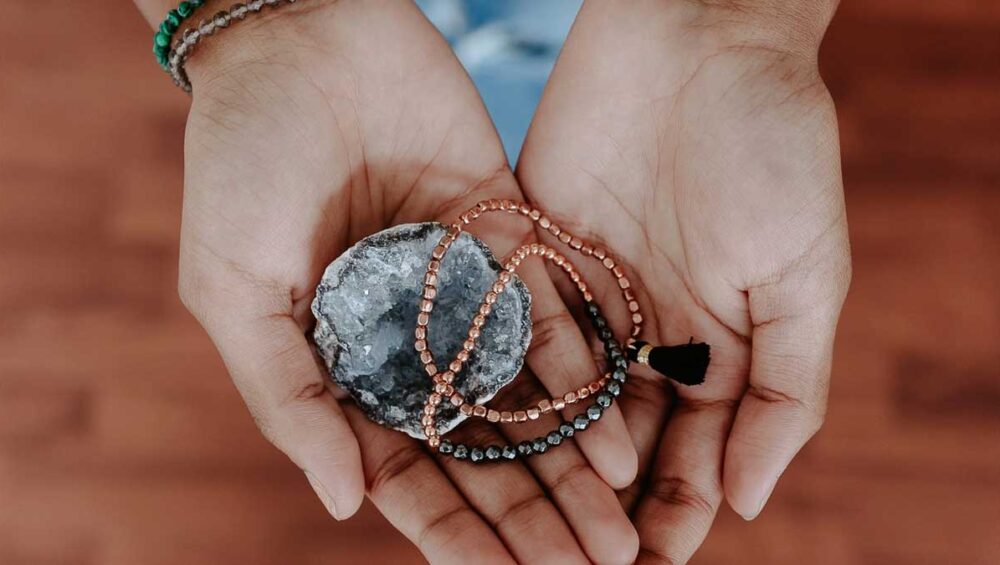
For centuries, humans have looked to nature for healing and strength. Among the many materials cherished for their restorative qualities, copper has always held a special place. From the shimmering vessels of ancient civilizations to the humble bracelets worn today, copper continues to capture curiosity not just as a striking metal but as a symbol of well-being.
Imagine slipping a simple copper bracelet onto your wrist. At first glance, it’s an accessory — a warm-toned, earthy piece that complements your style. But for many people, this experience is more than fashion; it’s about embracing a tradition deeply woven into cultures across the globe. The act of wearing copper becomes a quiet ritual, one that bridges modern lifestyles with the wisdom of the past.
In today’s fast-paced world, where wellness trends rise and fall almost weekly, copper bracelets endure. Their appeal lies in the way they marry beauty with possibility. Could something so simple actually help relieve pain, spark energy, or calm your spirit? Millions of wearers say yes. Whether rooted in ancient Ayurvedic teachings, the documented practices of Hippocrates, or today’s alternative healing circles, copper bracelets have long been celebrated as small but mighty companions on the journey to balance.
This article explores seven surprising benefits of copper bracelets that may inspire you to see them in a new light. From soothing arthritis pain to supporting your skin’s natural glow, these bracelets are more than an ornament — they’re a reminder that healing and beauty often go hand in hand.
Historical Significance of Copper in Healing
Copper’s story begins thousands of years ago. The Ancient Egyptians not only adorned themselves with copper jewelry but also used the metal in surgical tools, believing it could cleanse wounds and prevent infection. In Ancient Greece, Hippocrates — often called the father of medicine — praised copper’s ability to treat ailments. Meanwhile, in India’s Ayurvedic tradition, drinking water stored in copper vessels was thought to balance the body’s energies, or doshas, and restore inner harmony.
These practices weren’t just symbolic. Observations over time showed that copper-rich compounds seemed to encourage healing and resilience. Generations passed down these beliefs, turning copper into more than a material — it became a healer, a protector, and a source of vitality. When we wear a copper bracelet today, we step into a lineage that spans civilizations, carrying the same hope: that copper might nurture the body as much as it pleases the eye. For a broader view of these traditions, see our crystal healing guide.
How Copper Bracelets Work: The Science Behind the Benefits
Science tells us that copper is an essential trace element. Our bodies rely on it to create red blood cells, maintain healthy nerves, and build collagen and elastin — the very proteins that keep skin and connective tissue supple. But how does wearing a bracelet matter?
Advocates believe in transdermal absorption, the process by which tiny amounts of copper may pass through the skin into the bloodstream. Though research is ongoing, this idea aligns with copper’s known biological importance.
Additionally, copper demonstrates anti-inflammatory and antimicrobial properties. Studies confirm that copper can disrupt bacteria and viruses, a fact that hospitals now use to design copper-infused surfaces. It’s not a leap, then, to imagine copper jewelry offering subtle health support too.
For those exploring everyday applications, copper jewelry fits naturally into many crystal healing practices where metals and gemstones work together to balance body and spirit.
Benefit 1: Pain Relief and Arthritis Management
Chronic joint pain can dim even the brightest day. For many arthritis sufferers, copper bracelets become a small but meaningful ally. Wearers often report that stiffness softens and pain eases when copper rests against the skin.
The potential secret lies in copper’s anti-inflammatory influence. By calming enzymes that spark inflammation, copper may reduce swelling and discomfort in the joints. Even skeptics agree that the placebo effect — the power of belief — can amplify relief. Simply feeling supported by the ritual of wearing a bracelet can lift spirits, and in turn, ease the perception of pain.
Stories abound: a grandmother able to garden again, a craftsman who finds renewed flexibility in his hands, or a busy parent who notices their mornings aren’t slowed by aching fingers. While every experience is unique, the emotional impact of restored mobility is universal — more freedom, more joy, more life lived fully.
Benefit 2: Improved Circulation and Blood Flow
Healthy blood flow is the river of vitality. It carries oxygen, removes waste, and fuels energy. Poor circulation, on the other hand, leaves hands cold, minds foggy, and bodies fatigued.
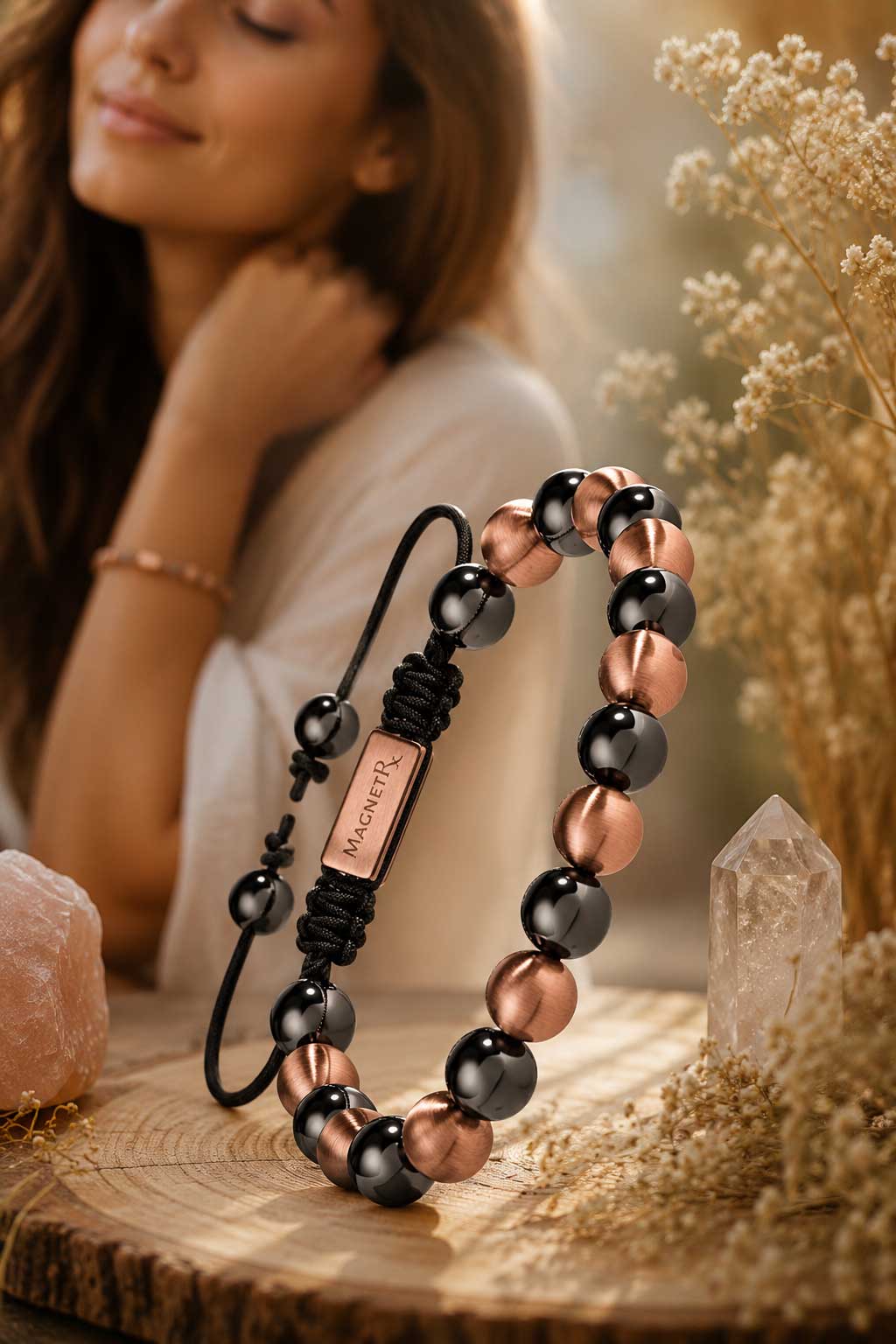
Copper plays a natural role in forming hemoglobin, the protein that delivers oxygen throughout the body. By supporting copper levels, bracelets may indirectly help circulation. Some designs also integrate magnets, introducing an additional layer of alternative therapy said to stimulate blood movement.
Those drawn to balancing the body’s energy often explore copper alongside grounding elements such as hematite and tourmaline. This synergy is part of why grounding metals and gemstones remain popular in holistic circles.
Benefit 3: Antimicrobial Protection
Long before disinfectants lined store shelves, copper served as nature’s defense against germs. Copper surfaces have been proven to kill harmful bacteria, viruses, and fungi, making the metal a quiet guardian of public health.
When worn as a bracelet, this property may translate into everyday wellness. For those who frequently touch surfaces or experience minor skin irritations, copper offers a subtle layer of protection. While no bracelet replaces proper hygiene, its antimicrobial presence provides peace of mind.
This benefit blends practicality with symbolism: copper as both shield and adornment, quietly working to protect its wearer.
Benefit 4: Enhanced Energy and Vitality
Some people slip on a copper bracelet and swear they feel lighter, brighter, more alive. Could it be coincidence — or chemistry?
Copper helps produce ATP (adenosine triphosphate), the molecule that fuels cellular energy. It also aids in creating neurotransmitters that shape mood and mental clarity. Together, these functions hint at why wearers may feel more energized and focused.
Energy, after all, isn’t only physical. A copper bracelet can become a mental cue — a reminder to honor your body, move more, breathe deeper. This symbolic nudge often sparks healthier choices, which in turn boost vitality. For those drawn to a spiritual perspective, copper jewelry often intersects with chakras and energy, believed to harmonize flow throughout the body.
Benefit 5: Skin Health and Radiance
Copper isn’t just for jewelry; it’s for the skin itself. Dermatologists recognize copper’s role in stimulating collagen and elastin, the building blocks of youthful, resilient skin.
Wearers sometimes notice subtle improvements: smoother texture, fewer irritations, or an overall glow. Its anti-inflammatory and antimicrobial effects may also calm breakouts or redness.
Pair this with copper’s natural beauty — its warm, rosy shine — and the bracelet becomes both therapy and adornment. It heals while it decorates, a fusion of inner and outer radiance.
Benefit 6: Emotional Balance and Stress Relief
Wellness isn’t only about the body — it’s about the mind. Copper has long been tied to calming energies in spiritual traditions. Wearers often describe feeling more grounded, less anxious, and better able to manage stress.
Picture a hectic day when you pause to notice the bracelet on your wrist. Its presence may serve as a tactile anchor, a reminder to breathe, to stay steady, to let go of tension. In this way, copper becomes both symbol and support — jewelry that heals not just joints or skin, but the restless mind too.
For some, this grounding effect resonates with other forms of grounding jewelry, connecting copper to a larger practice of finding balance through what we wear.
Benefit 7: Aesthetic Appeal and Personal Expression
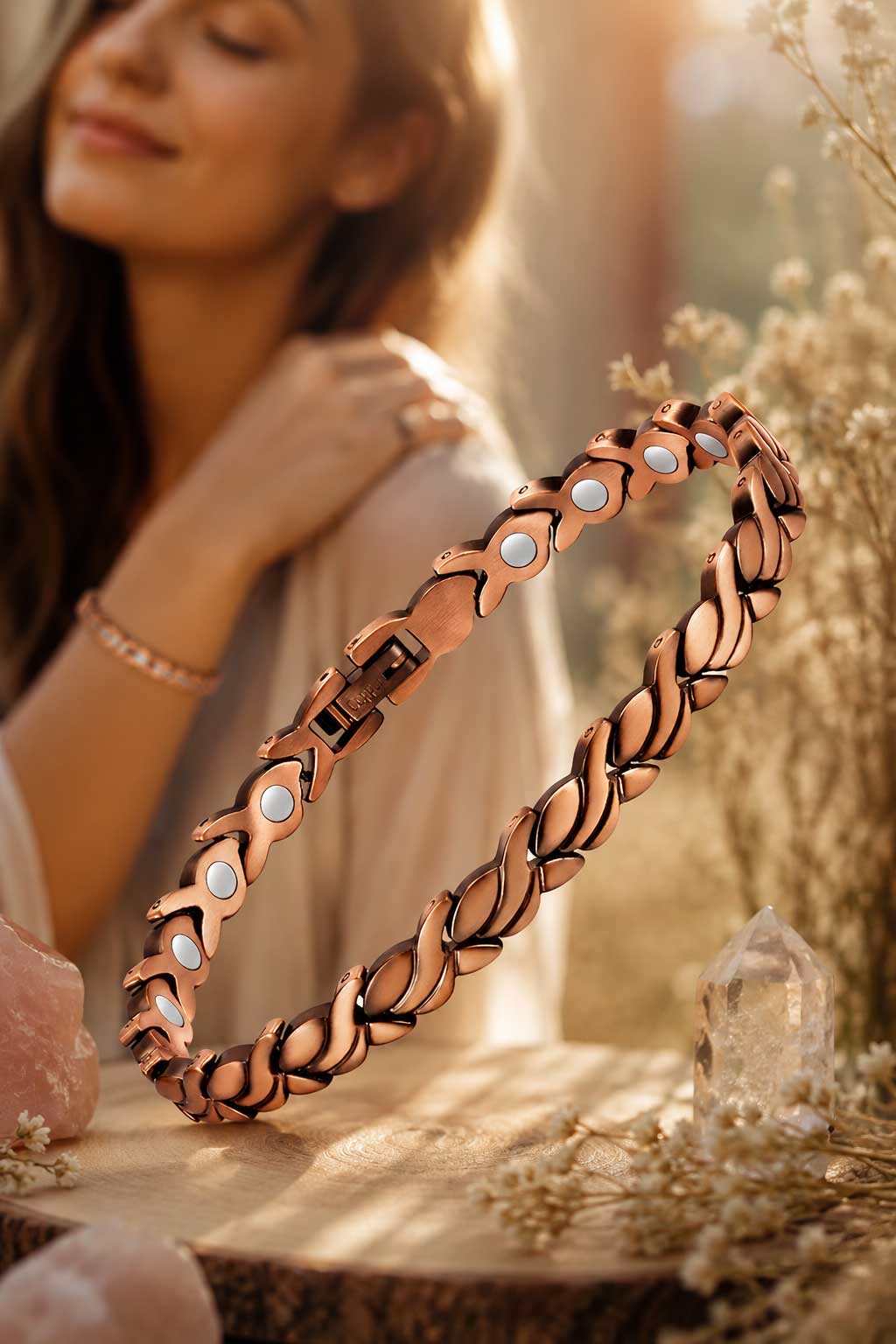
Wellness aside, copper bracelets are simply beautiful. Their earthy, reddish-brown glow pairs effortlessly with modern and bohemian styles alike. Whether worn alone as a minimalist cuff or stacked with gemstones, copper communicates warmth and authenticity.
For many, the act of choosing a copper bracelet becomes a statement: a commitment to holistic living, an embrace of natural beauty, or a nod to heritage. Fashion and function unite, proving that healing jewelry can be as expressive as it is supportive.
Copper’s place alongside other traditions makes it a natural sibling to gemstone meanings, where symbolism and beauty meet to shape personal identity.
FAQs about the benefits of copper bracelets
Do copper bracelets really work for arthritis?
While scientific studies remain mixed, many arthritis sufferers report meaningful relief. The combination of copper’s potential anti-inflammatory effects and the placebo effect often results in reduced stiffness and improved mobility.
Can copper bracelets turn your skin green?
Yes, pure copper can sometimes leave a harmless greenish mark on the skin due to oxidation. This is not a sign of harm but rather a natural reaction between copper and sweat. Some see it as proof that the copper is being absorbed.
Are magnetic copper bracelets more effective?
Some people believe combining copper with magnets enhances benefits for circulation and pain relief. While evidence is still being studied, many users share positive experiences. Our upcoming guide on copper vs. magnetic bracelets will explore this further.
How long should you wear a copper bracelet?
Most wearers keep their bracelets on daily, often removing them only for bathing or swimming. Continuous contact is thought to maximize absorption and potential benefits.
Can anyone wear a copper bracelet?
Yes, copper bracelets are generally safe for most people. However, individuals with metal allergies or sensitive skin should monitor for irritation.
Do copper bracelets replace medical treatment?
No. Copper bracelets should be seen as a complementary practice rather than a cure. They can support well-being but should never replace prescribed treatments or medical advice.
Conclusion: Embracing Wellness with Copper Bracelets
In a world that often demands quick fixes, copper bracelets remind us of the power of small, steady rituals. Their history is rich, their beauty undeniable, and their potential benefits worth exploring. From easing joint discomfort to adding glow to your skin, copper bracelets are more than accessories — they are companions on your journey to balance.
Whether you wear one to honor tradition, to invite healing, or simply to enjoy its warm shimmer, a copper bracelet carries meaning beyond measure. It’s a reminder that wellness is both seen and felt, and that sometimes, the simplest choices — like slipping on a bracelet — can connect us to something much greater: the timeless quest for wholeness.

Where softness, self-awareness, and emotional healing are allowed to coexist. Through reflective writing, grounding rituals, and intentional beauty, Sparrow Trades offers gentle support for sensitive souls learning to reconnect with themselves.



2 Comments
Which wrist should it be worn?
Hi Charles, great question!
There’s no strict rule — most people wear a copper bracelet on whichever wrist feels most comfortable, or closest to any joint discomfort they’re hoping to support. From a holistic perspective, some choose the dominant hand for active energy and the non-dominant for calming energy.