
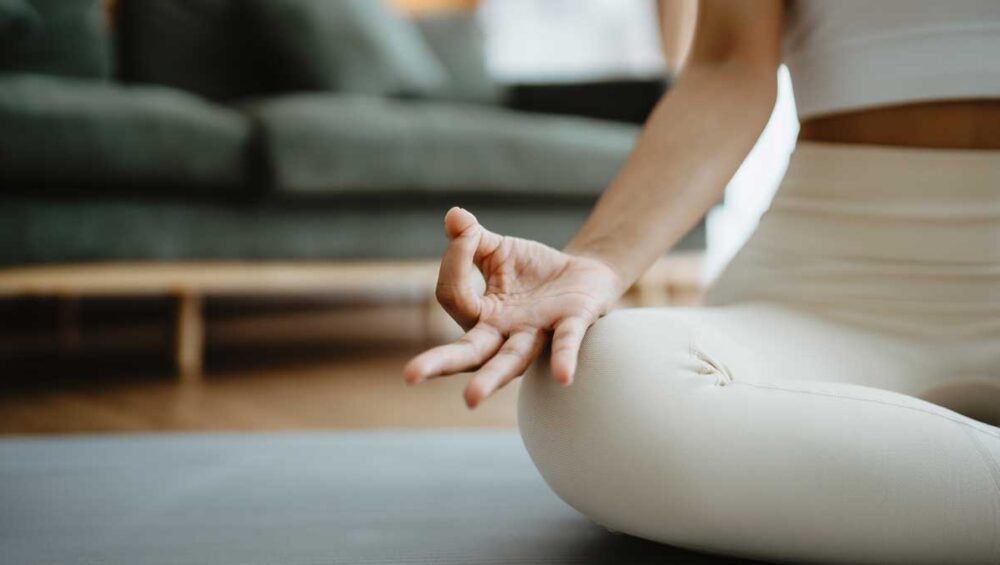
Reclaiming Calm in an Anxious World
In a world that never stops moving, anxiety has become the background noise of daily life. Deadlines stack up, notifications ping endlessly, and before we know it, our minds are sprinting while our bodies are pleading for rest. Mindfulness offers a gentle but profound alternative—a way to press pause and breathe again.
Mindfulness isn’t about escaping life’s challenges. It’s about meeting them with awareness and compassion. Whether you’re struggling with racing thoughts before bed, tightness in your chest during the workday, or the restless feeling that you’re never doing enough, mindfulness invites you to slow down and reconnect with yourself.
Scientific studies have shown that mindfulness lowers cortisol levels, regulates emotions, and even supports the brain areas linked to focus and calm. But beyond the research, mindfulness is deeply personal—it’s about returning home to the present moment. Imagine noticing the hum of your breath instead of your worries, savoring your coffee without scrolling, or pausing before reacting when you feel triggered.
In this guide, you’ll explore seven mindfulness techniques that can help you conquer anxiety and rediscover inner peace. You don’t need hours of practice or a silent retreat—just a willingness to begin. These simple yet powerful tools are designed to bring balance, clarity, and emotional strength back into your everyday life. To build a foundation first, explore our guide to mindfulness for beginners before diving into these calming practices.
Understanding Mindfulness: What It Is and Why It Matters
Mindfulness is the practice of being fully present—aware of your thoughts, sensations, and emotions without judgment. Think of it as a mental reset button, one that gently pulls you out of overthinking and back into awareness.
When anxiety takes hold, the mind replays fears about the future or regrets from the past. Mindfulness interrupts this loop. It helps you observe feelings without letting them define you. For example, instead of thinking “I’m anxious again—I can’t handle this,” you might say, “I notice anxiety showing up right now.” That shift creates space between you and stress, turning reaction into reflection.
Practicing mindfulness regularly enhances emotional resilience and teaches you to respond rather than react. Over time, you develop a compassionate curiosity toward your inner world. Whether you’re walking to your car, washing dishes, or sitting quietly, mindfulness turns everyday moments into opportunities for peace. It also pairs well with emotional healing work, especially if you’re learning to trust your emotions again after experiences like manipulation.
The Science Behind Mindfulness and Anxiety Relief
Consistent mindfulness practice calms the body’s stress response and supports emotional regulation. Techniques like slow breathing and body scanning help lower stress hormones and activate the parasympathetic nervous system—your natural “rest and digest” mode.
Beyond biology, mindfulness improves self-awareness and emotional intelligence. You start recognizing the early signs of tension—racing thoughts, shallow breathing, clenched muscles—before they escalate. That awareness empowers you to respond with intention: take a deep breath, ground through your senses, or redirect focus to the present.
This calm awareness is especially useful when recovering from gaslighting and trust erosion, where mindfulness helps rebuild inner safety and self-connection. Over time, mindfulness becomes less of a technique and more of a way of living—a gentle rewiring toward peace.
7 Mindfulness Techniques to Ease Anxiety
1. Mindful Breathing for Instant Calm
When anxiety rises, your breath is the bridge back to calm. Sit comfortably, close your eyes, and notice the rhythm of your breathing without trying to change it. Feel the air entering your nose, filling your lungs, and leaving slowly. If your thoughts wander, gently return to your breath. Try the 4–4–4 rhythm: inhale for 4 counts, hold for 4, exhale for 4. Just a few minutes can quiet the mind and center the body—anywhere, anytime.
2. Body Scan Meditation to Release Tension
Start at your toes and work your way upward, noticing each body part without judgment. Breathe into areas of tightness—shoulders, jaw, stomach—and imagine releasing tension on each exhale. This technique grounds you in your body and helps you recognize where anxiety hides physically. For those who experience fatigue or emotional overwhelm, pairing this with strategies from When Empathy Becomes Emotional Exhaustion can deepen recovery and restore energy balance.
3. Mindful Walking: Moving with Awareness
Walk slowly and pay attention to the sensations—your feet touching the ground, the rhythm of your steps, the air against your skin. Notice sights and sounds without labeling them. A 10-minute mindful walk can reset your nervous system, especially after long hours indoors or online.
4. Journaling for Clarity and Emotional Balance
Writing brings clarity when your thoughts feel tangled. Take 5–10 minutes to pour your feelings onto paper without censorship. Start with prompts like “What’s worrying me right now?” or “What am I grateful for today?” Journaling transforms anxiety into insight and helps you identify recurring triggers. If you’ve ever been told you’re “too sensitive” or questioned your feelings, pair this reflection with insights from Is Being Called ‘Sensitive’ a Form of Emotional Manipulation? to rebuild confidence in your emotions.
5. Guided Imagery for Stress Relief
Close your eyes and picture a peaceful place—a forest, beach, or mountain. Engage all your senses: What can you hear, smell, and feel? Visualization relaxes both the mind and body, giving your nervous system a break from constant alertness.
6. Mindful Eating: Savor Every Bite
Turn meals into mini-meditations. Observe your food’s colors, textures, and aromas. Chew slowly, paying attention to taste and sensation. Mindful eating not only promotes digestion but also trains you to stay present and appreciate nourishment instead of eating on autopilot. This practice ties closely to emotional boundaries—listening to your body’s cues mirrors the same awareness needed to set emotional boundaries without feeling guilty.
7. Cultivating Gratitude through Mindfulness
Each evening, note three things you’re grateful for—big or small. Gratitude shifts your focus from scarcity to abundance, creating emotional balance. When paired with mindfulness, it trains your attention to notice calm and joy even during difficult days.
FAQs About Mindfulness for Anxiety
Mindfulness is a flexible, compassionate practice. These answers address the most common questions so you can start with clarity and ease.
Understanding how mindfulness eases anxiety
Mindfulness grounds your attention in the present moment. Instead of spiraling into what-ifs, you focus on what is—your breath, body, and senses. This calms the fight-or-flight response and reduces overthinking.
Do I need to meditate every day?
Consistency matters more than perfection. Even 5–10 minutes daily builds awareness and resilience. Think of mindfulness like exercise for the mind—the benefits grow with regular, compassionate practice.
Can mindfulness replace therapy or medication?
Mindfulness complements professional care but isn’t a substitute. Many therapists use mindfulness-based tools alongside other treatments. If anxiety significantly affects your life, seek professional support while using mindfulness to reinforce progress.
What if I can’t stop my thoughts while meditating?
That’s normal. The goal isn’t to empty your mind but to notice when it wanders and gently return to your anchor (breath, sounds, or sensations). Each return is mindfulness in action—a small victory over anxiety’s pull.
How long before I notice results?
Some people feel calmer after one session; others need a few weeks. With consistent practice, many notice improved focus, emotional balance, and stress tolerance within a month.
Can I practice mindfulness anywhere?
Yes. Mindfulness can happen while brushing your teeth, listening to music, or watching the sunset. Every ordinary moment offers a chance to slow down and breathe.
Conclusion: Integrating Mindfulness into Everyday Life
Mastering mindfulness isn’t about escaping your thoughts—it’s about learning to live peacefully with them. Begin with one practice that resonates—perhaps mindful breathing in the morning or journaling before bed. Over time, these moments of presence accumulate, shaping a calmer and more resilient you.
For deeper recovery and emotional restoration, continue with Healing After Being Emotionally Invalidated. As mindfulness becomes part of your daily rhythm, you’ll find that peace isn’t something you chase—it’s something you cultivate.

Where softness, self-awareness, and emotional healing are allowed to coexist. Through reflective writing, grounding rituals, and intentional beauty, Sparrow Trades offers gentle support for sensitive souls learning to reconnect with themselves.