
There are moments some sensitive people never forget. A room feels different before anyone says anything. A loved one’s voice sounds far away, even when they are standing close. The body becomes quiet in a way that does not feel like ordinary sadness. You may feel a wave of heaviness, a sudden ache in the chest, a dream that stays with you, or a strange knowing you cannot explain without sounding dramatic. And later, when death or loss enters the story, you may look back and wonder: did I sense something before it happened?
For empaths, this question can feel both comforting and frightening. Comforting, because it may validate years of noticing emotional undercurrents others missed. Frightening, because the idea of sensing death can make your own sensitivity feel like a burden you did not ask to carry. If you have spent your life absorbing moods, anticipating changes, or feeling people’s pain before they name it, it makes sense that you would also wonder whether your intuition reaches into moments of final transition.
The question “can empaths sense death” does not have to be answered with certainty to be treated with care. Some people experience intuitive impressions around death as spiritual sensitivity. Others understand them as nervous system attunement, emotional pattern recognition, grief anticipation, or deep relational awareness. Many people live somewhere in between, knowing that what they felt was real in their body, even if they cannot prove what it meant.
This is where what it means to be an empath becomes more than a label. It becomes a way of naming the experience of being highly receptive to emotional shifts, subtle signals, and changes in the energy of a relationship. For some empaths, death is not sensed as a prediction. It is felt as a change in closeness, a pressure in the heart, a sudden tenderness, or an awareness that something sacred is moving.
The most grounded way to hold this topic is gently. Your sensitivity does not make you responsible for preventing loss. It does not mean every anxious feeling is a warning. And it does not mean you must interpret every dream, chill, or emotional wave as a sign. Sometimes the body is grieving before the mind has caught up. Sometimes love feels the distance before language can explain it. Sometimes intuition is real, and still needs grounding so it does not become fear.
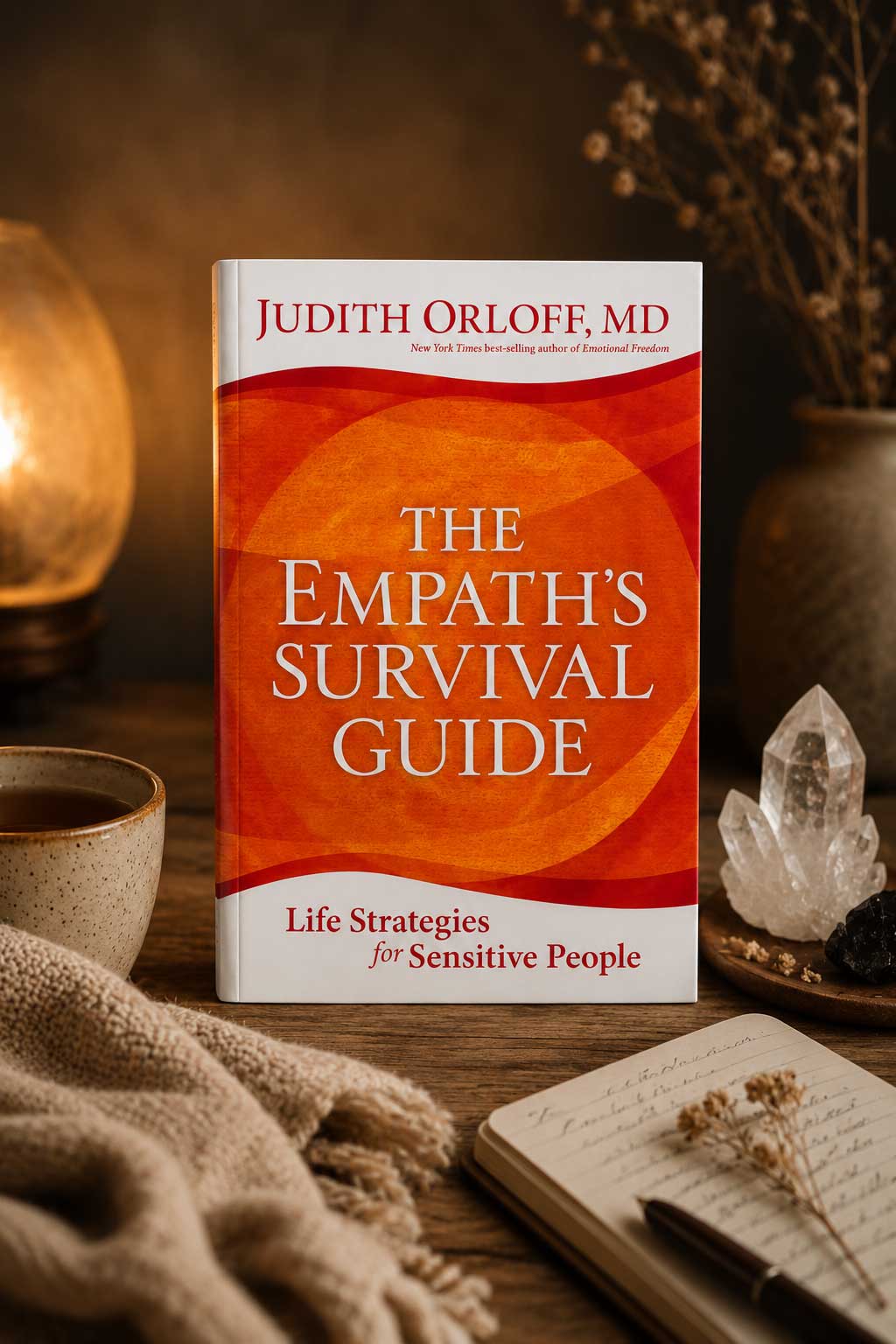
Why Some Empaths Feel Something Before a Death
Many empaths describe sensing death not as seeing the future, but as feeling an emotional or energetic shift before a loss becomes visible. It might feel like sudden stillness around a person, an unexplained pull to call someone, a dream that feels unusually vivid, or a heavy emotional atmosphere that seems to arrive from nowhere. These experiences can feel especially intense when the bond is deep, when the person is already ill, or when the empath has a history of being highly alert to changes in others.
The body often notices before the conscious mind does. A person’s tone may soften. Their energy may seem withdrawn. Their eyes may carry a different kind of distance. Family dynamics may shift subtly around decline, even before anyone speaks about it directly. An empath may register these changes as emotion, pressure, fatigue, dread, tenderness, or an urge to be near someone. This is why how to tell if an emotion is yours or someone else’s matters so much in this kind of experience. Without discernment, intuition can blur with anxiety, grief, or old fear.
Some empaths also feel death symbolically. They may not think, “Someone is going to die.” Instead, they may feel endings. A chapter closing. A relationship becoming quiet. A sense of completion around someone’s presence. This can happen around literal death, but it can also happen around emotional endings, illness, estrangement, or major life transitions. Sensitive people often feel the emotional meaning of change before they understand the event itself.
That does not make the experience imaginary. It means it deserves nuance. If you sensed something before a loss, your body may have been responding to subtle cues, spiritual impressions, relational attachment, or the emotional field around the person. You do not have to force one explanation. You can simply say, “Something in me knew something was changing.”
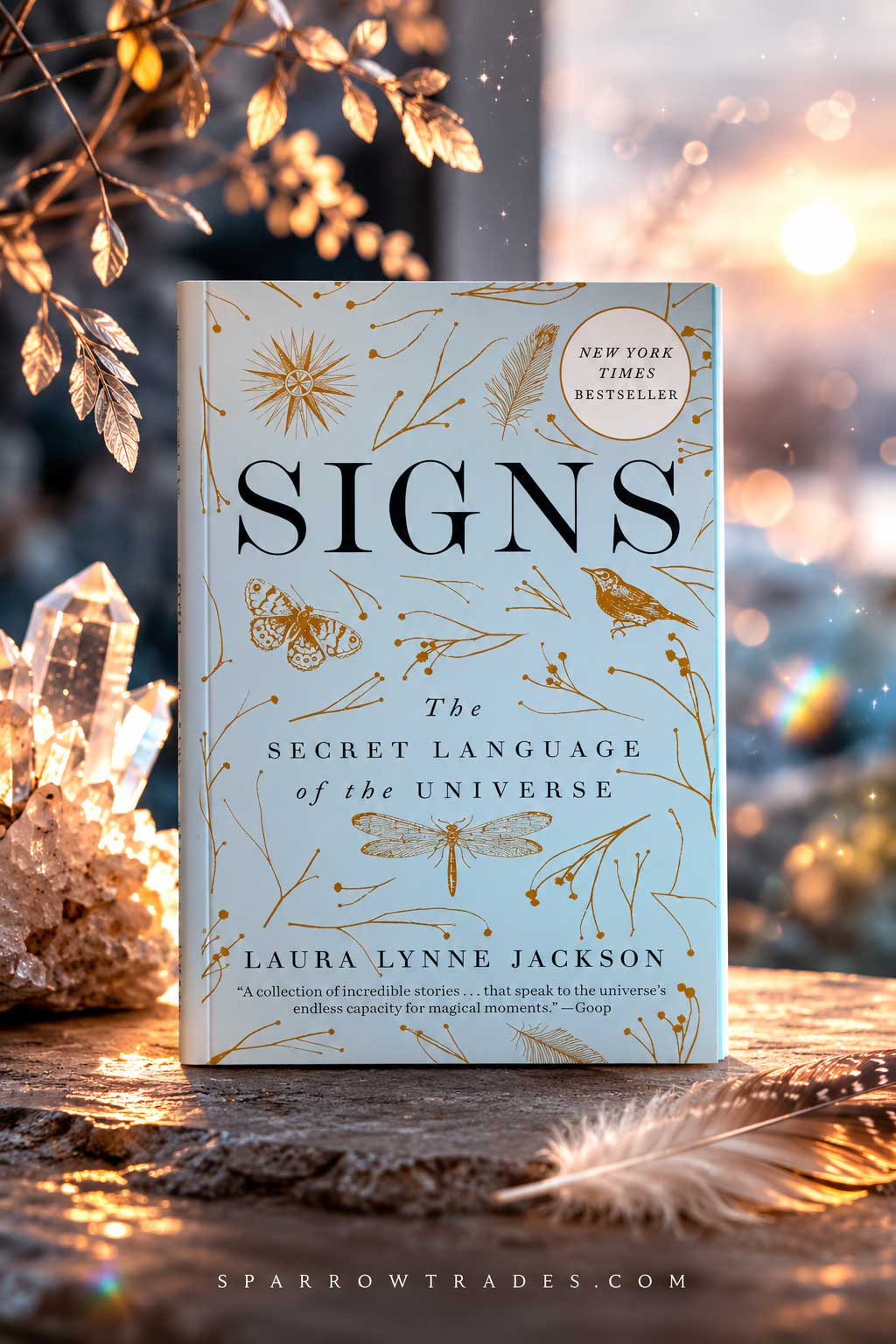
Signs an Empath May Notice Around Death or Loss
When empaths speak about sensing death, they often describe patterns rather than clear predictions. One of the most common is a sudden emotional heaviness that does not seem connected to the day itself. You may wake up feeling grief before there is news. You may feel pulled inward, unusually quiet, or unable to shake a sense of tenderness. This can be unsettling because the feeling arrives before context does.
Another sign is the urge to reach out. You may suddenly think of someone you have not spoken to in a while, feel compelled to send a message, or sense that a conversation matters more than usual. Sometimes this is simply love asking for expression. Sometimes it is your nervous system remembering connection. Sometimes it becomes meaningful later. Either way, the impulse can be honored without turning it into pressure.
Some empaths notice dreams. These may include visits from loved ones, symbolic images of water, doors, roads, birds, fading light, or old homes. The dream may feel calmer than a nightmare but heavier than an ordinary dream. For people with strong intuitive sensitivity, how intuitive empaths sense unspoken emotions can also show up through images, sensations, and emotional impressions rather than direct language.
Physical sensations may appear too. A tight chest, sudden fatigue, chills, nausea, pressure behind the eyes, or a sinking feeling in the stomach can all accompany emotional sensitivity. These sensations do not automatically mean death is near. They may also reflect stress, trauma memory, illness anxiety, or emotional overload. This is why emotional grounding is not optional for sensitive people. The body needs a place to land before the mind begins assigning meaning.
The gentlest sign is often love itself. You may feel a sudden wave of appreciation, forgiveness, sadness, or softness toward someone. You may want to remember their voice. You may notice small details more deeply. Not every feeling is a warning. Sometimes sensitivity simply makes you more awake to the preciousness of being close while someone is still here.
The Difference Between Intuition and Fear
The hardest part of this topic is knowing what to trust. Intuition often feels quiet, steady, and spacious, even when it carries sadness. Fear feels urgent, repetitive, and tightening. Intuition may say, “Pay attention.” Fear may say, “You must solve this now.” Intuition tends to arrive as a knowing or a nudge. Fear tends to spiral, demand certainty, and search for proof.
For empaths with trauma histories, the difference can be difficult to feel. If you grew up monitoring other people’s moods for safety, your nervous system may be trained to scan for danger. That scanning can sometimes feel like intuition because it is fast, body-based, and emotionally intense. But hypervigilance is not the same as spiritual knowing. It is the body trying to protect you from being blindsided again.
This is why learning to trust your emotions has to include learning not to obey every emotion immediately. Trust is not the same as panic. Trust means listening with compassion, then checking whether the feeling needs action, care, rest, prayer, connection, or simple witnessing.
A grounded empath might say, “I feel something heavy today, so I will slow down, breathe, and maybe reach out with love.” An overwhelmed empath might say, “I feel something heavy, so something terrible must be coming.” The first response honors sensitivity. The second turns sensitivity into a threat.
When feelings around death arise, nervous system regulation techniques can help you return to the present moment. Notice your feet. Look around the room. Name what is actually happening now. Ask whether there is a loving action available, not a fearful one. You may still choose to call someone, light a candle, say a prayer, or sit quietly with the feeling. But you do not have to let fear become the interpreter of your intuition.
When Sensing Death Becomes Emotional Overload
Empaths can become overwhelmed when they feel responsible for what they sense. If you believe every intuitive feeling requires you to prevent something, fix someone, warn others, or carry grief before it happens, your sensitivity can become exhausting. The body was not made to live as an alarm system for everyone else’s pain.
This is especially true around death, because death touches the deepest places in the nervous system. It brings up attachment, helplessness, unfinished words, spiritual questions, and old losses. If you have already experienced grief, abandonment, or trauma, sensing emotional shifts around death may awaken memories that are not only about the present situation. Your body may be feeling now and then at the same time.
In those moments, grounding boundaries for empaths can help you stay compassionate without dissolving into the experience. A boundary might sound like, “I can love this person without carrying their entire transition in my body.” Or, “I can notice this feeling without deciding what it means right away.” Or, “I can be sensitive and still let life unfold beyond my control.”
Some empaths also need how to stop absorbing other people’s emotions when grief fills a room. Hospitals, funerals, family gatherings, and death anniversaries can be emotionally saturated. You may feel everyone’s sadness, fear, guilt, and silence all at once. This does not mean you are weak. It means your system is picking up more than it can process without support.
Over time, unprocessed sensitivity can become signs of intuitive empathy burnout. You may feel numb, irritable, spiritually disconnected, physically tired, or afraid of your own intuition. If that happens, it is not a failure. It is a sign that your empathy needs care, containment, and rest.
Spiritual Sensitivity Without Losing Yourself
For some people, sensing death is deeply spiritual. They may feel the presence of loved ones, notice signs in nature, receive meaningful dreams, or sense peace around someone’s passing. These experiences can bring comfort, especially when they are held gently and without pressure to prove them. Spiritual sensitivity can make death feel less like a hard wall and more like a threshold wrapped in mystery.
But even spiritual sensitivity needs boundaries. Not every sign needs interpretation. Not every sensation needs a story. Not every dream needs to become a prophecy. Sensitive people can honor mystery without turning it into a constant assignment. This is where energetic boundaries for intuitive empaths becomes protective rather than restrictive. Boundaries do not close your heart. They keep your heart from becoming flooded.
There is also an ethical layer. When dealing with death, illness, or grief, sensitivity must be handled with humility. Telling someone you sense death around them can cause fear or harm. Even if you feel something strongly, it is usually kinder to lead with love rather than interpretation. Call because you care. Sit with someone because presence matters. Say the words you would want to say. Let the meaning remain private unless there is a clear, compassionate reason to share.
This is part of emotional consent in spiritual practices. People deserve tenderness around their grief, not unsolicited spiritual certainty. An empath’s gift is not only sensing. It is knowing when silence, softness, and respect are the most loving forms of intuition.
If you sense something around death, you might ask yourself: Does this feeling invite me to love more honestly? To become present? To forgive? To reach out? To pray? To rest? A spiritually grounded empath does not need to control the unseen. They learn to stay open without abandoning themselves.
How to Stay Grounded When You Feel Something Heavy
When a heavy intuitive feeling arrives, the first step is not interpretation. It is stabilization. Before asking, “What does this mean?” ask, “Am I in my body?” Feel your feet. Touch something solid. Take a slow breath out. Look for three ordinary objects in the room. Let the present moment remind you that you are here, now, breathing.
Then name the feeling simply. “I feel grief.” “I feel heaviness.” “I feel a pull toward someone.” “I feel scared.” Naming the feeling without turning it into a prediction gives your nervous system more space. You are not dismissing your intuition. You are creating enough steadiness to hear it clearly.
You may also need grounding after emotional overload if the sensation has already become too much. This can mean stepping outside, drinking water, taking a warm shower, journaling, holding a grounding stone, or placing one hand on your chest and one on your abdomen. The body often needs simple care more than complex meaning.
Ritual can also help when it stays gentle. grounding rituals for emotional safety might include lighting a candle, saying a quiet blessing, writing a message you may or may not send, or sitting near a window and letting yourself feel without spiraling. The point is not to force clarity. The point is to create a safe container for what is moving through you.
For spiritually sensitive people, empath-safe cleansing rituals can be especially useful after intense grief spaces. Cleansing does not have to be dramatic. It can be as simple as washing your hands with intention, changing clothes after a hospital visit, opening a window, or saying, “What is not mine can return to where it belongs.”
Frequently Asked Questions About Whether Empaths Can Sense Death
Can empaths really sense death before it happens?
Some empaths believe they have sensed death before it happened, often through emotional heaviness, vivid dreams, sudden urges to contact someone, or a quiet knowing. This does not mean every empath can predict death, and it does not mean every heavy feeling is a warning. It may be spiritual intuition, emotional attunement, subtle observation, grief sensitivity, or a mixture of all of these.
The safest way to hold the experience is with respect and humility. If a feeling moves you to reach out lovingly, rest, pray, or become more present, that can be meaningful without needing certainty.
What does it feel like when an empath senses death?
Many describe it as stillness, heaviness, sudden sadness, pressure in the chest, vivid dreams, or a sense that someone feels farther away. Others feel tenderness, urgency, or a strange calm. Some empaths experience symbolic impressions rather than literal thoughts about death.
The feeling can also resemble anxiety, grief, or emotional overwhelm, so discernment matters. emotional signatures of empath types may show up differently depending on whether someone is more emotionally, physically, intuitively, or spiritually sensitive.
How do I know if it is intuition or anxiety?
Intuition usually feels quieter than anxiety. It may be sad or serious, but it often has space around it. Anxiety tends to feel urgent, repetitive, and fear-driven. Intuition may guide you toward a loving action. Anxiety often demands certainty you cannot realistically get.
If you are unsure, regulate first. Breathe, ground, rest, or journal before interpreting the feeling. A calm body is more able to hear intuition without fear taking over.
Should I tell someone if I sense death around them?
Usually, it is better not to tell someone directly unless there is a clear, compassionate, and appropriate reason. Statements about death can frighten people, especially if they are ill, grieving, or vulnerable. Instead, let the feeling guide you toward kindness. Reach out. Say you love them. Offer presence. Repair what feels unfinished if it is safe to do so.
Sensitivity should protect dignity, not create fear. The deeper gift may be your capacity to be present without needing to announce everything you feel.
Why do I feel grief before anything has happened?
You may be feeling anticipatory grief, emotional attunement, old grief being activated, or sensitivity to subtle changes in someone’s energy or behavior. The body can begin processing loss before the mind has facts. This is common around illness, aging, distance, relationship endings, and emotionally intense transitions.
It may help to seek emotional wellness foundations that support both your sensitivity and your stability. Feeling deeply does not mean you have to carry everything alone.
Can sensing death be part of spiritual interconnectedness?
For some people, yes. Experiences around death can open questions about bonds, energy, dreams, signs, and the mystery of connection beyond ordinary explanation. psychology of interconnectedness can give language to the feeling that people are not as separate as they seem.
Still, interconnectedness should feel grounding, not frightening. If spiritual sensitivity makes you feel constantly responsible, afraid, or unable to rest, it may be time to return to your body, your boundaries, and the present moment.
Conclusion
So, can empaths sense death? Some empaths would say yes, because they have lived moments that felt too precise, too tender, or too strangely timed to dismiss. Others may not use spiritual language, but still recognize that their bodies sensed emotional change before their minds understood why. The truth may not need to be narrowed into one explanation.
What matters most is how you hold the experience. If sensing death makes you more loving, more present, more honest, and more gentle with yourself, it can become part of your intuitive wisdom. If it makes you fearful, hypervigilant, or responsible for things beyond your control, it needs grounding and care.
Your sensitivity is not a command to predict the future. It is not proof that you must carry other people’s endings inside your own body. It is a way of noticing. A way of feeling the unseen edges of relationship. A way of honoring the tenderness that often surrounds transition.
Death, grief, and intuition all ask for humility. There may be things the heart knows before language arrives. There may also be moments when the nervous system is simply afraid. You do not have to shame either one. You can listen, breathe, soften, and choose the next loving action available.
And sometimes that is enough. Call the person. Sit quietly. Say the words. Touch the earth. Let yourself cry. Let mystery remain mystery. Let love be the clearest message your sensitivity carries.

Where softness, self-awareness, and emotional healing are allowed to coexist. Through reflective writing, grounding rituals, and intentional beauty, Sparrow Trades offers gentle support for sensitive souls learning to reconnect with themselves.