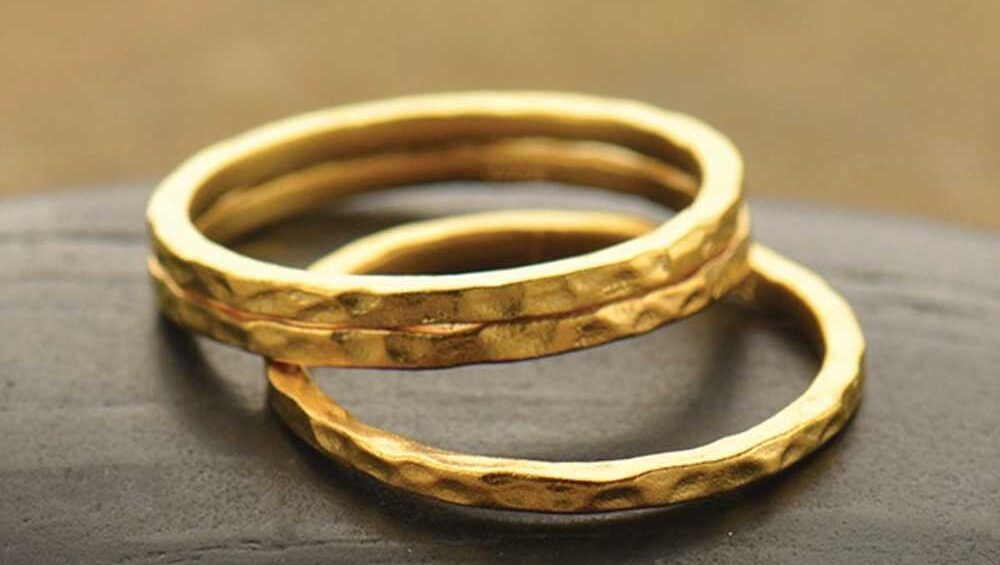
Step into the world of timeless elegance with hammered textures in jewelry design, one of many captivating jewelry textures that define artisan craftsmanship. From bold statement pieces to delicate jewelry accents, hammered textures add a touch of uniqueness and sophistication to any jewelry collection. This technique, in which metal is struck to create textured patterns, has been used for centuries by skilled artisans to achieve stunning visual effects.
The beauty of hammered textures lies in their ability to catch and reflect light, creating a mesmerizing play of shadows and dimensions. From rustic and organic to modern and sleek, the possibilities are endless when it comes to incorporating hammered textures into jewelry designs.
Whether you prefer the warmth of gold, the coolness of silver, or the rich hues of copper, hammered textures can enhance the allure of any metal. From earrings to rings, bracelets to necklaces, each piece showcases the artisan’s craftsmanship and attention to detail.
Discover the allure of hammered textures in jewelry design and let their timeless elegance leave a lasting impression. With their ability to add depth, character, and visual interest, hammered textures are sure to elevate any jewelry collection to new heights of style and sophistication.
History and significance of hammered textures in jewelry
The history of hammered textures in jewelry design is as rich and varied as the jewelry materials themselves. This ancient technique dates back thousands of years, with evidence of its use found in early civilizations such as the Egyptians and Mesopotamians. These artisans utilized simple tools to create intricate patterns, enhancing the beauty of their metalwork. The hammered texture was not merely a decorative choice; it signified craftsmanship and artistry, allowing jewelers to express individuality and cultural identity through their creations.
In many cultures, hammered jewelry held significant social and cultural importance. For instance, in ancient Greece, hammered gold and silver pieces were often used to denote status and wealth. The distinct textures added depth and a sense of luxury to the pieces, making them highly sought after by nobility and the affluent class. Similarly, in Celtic traditions, hammered designs were often incorporated into religious artifacts, symbolizing the connection between the physical and spiritual worlds. This historical significance underscores the enduring appeal of hammered textures, which continue to resonate with modern audiences.
As time progressed, various techniques and styles emerged, further evolving the use of hammered textures in jewelry. The Renaissance period saw a revival of interest in classical forms, with artisans blending traditional methods with innovative designs. Today, hammered textures have transcended their historical roots, becoming a staple in contemporary jewelry design. The versatility of this technique allows it to fit seamlessly into various styles, from rustic to modern, appealing to a broad audience while maintaining its timeless elegance.
Techniques used to create hammered textures in jewelry
Creating hammered textures in jewelry involves a range of techniques that require skill, precision, and an understanding of metal properties. The most common method is the use of a hammer and anvil. Artisans strike the metal with a hammer, creating dimples and ridges that catch light in unique ways. The choice of hammer and technique can significantly influence the outcome; for instance, a ball-peen hammer creates rounded indentations, while a flat hammer produces a more uniform texture. The process is labor-intensive, but the results are often stunning and well worth the effort.
Another technique involves the use of specialized tools such as texturing hammers or metal stamps. These tools allow for more intricate designs, enabling jewelers to create patterns that range from simple lines to complex geometric shapes. Some artisans may also employ hydraulic presses or rolling mills to create hammered effects on larger pieces of metal, ensuring consistency and uniformity across their designs. The advancement of technology has expanded the possibilities, but the traditional hand-hammering method remains cherished for its artisanal quality.
Heat can also play a role in creating hammered textures. By heating the metal before hammering, jewelers can alter its malleability, making it easier to shape and form. This technique can produce unique textures that differ from those achieved with cold hammering. Additionally, post-hammering processes such as patination or polishing can enhance the texture further, providing depth and contrast that elevate the overall aesthetic of the piece. The combination of these techniques allows for endless creativity, making each hammered piece a unique work of art.
Types of metals commonly used in hammered texture jewelry
When it comes to hammered texture jewelry, several metals are commonly used, each offering its distinct qualities and aesthetic appeal. Gold, with its warm hue and malleability, is a popular choice among jewelers. It not only holds its value well but also radiates elegance, making it ideal for both everyday wear and special occasions. Hammered gold pieces can range from delicate earrings to bold statement necklaces, showcasing the versatility of this luxurious metal.
Silver is another favored metal for hammered textures, appreciated for its bright, reflective surface and affordability compared to gold. Sterling silver, often alloyed with copper for added strength, can be easily manipulated to create intricate hammered designs. The coolness of silver complements various gemstones and materials, allowing for creative combinations. Additionally, its ability to develop a natural patina over time adds character to hammered silver pieces, making them even more cherished as they age.
Copper, with its rich reddish-brown tones, is often used in hammered jewelry for its warmth and unique appearance. This metal is not only affordable but also easy to work with, allowing artisans to experiment with various techniques and designs. Hammered copper jewelry can evoke a rustic, organic feel, making it a popular choice for bohemian or nature-inspired styles. Furthermore, copper can be treated with patinas to achieve vibrant colors, enhancing the visual interest of hammered textures. Each metal brings its charm and character, allowing for endless possibilities in hammered texture jewelry design.
Benefits of using hammered textures in jewelry design
Incorporating hammered textures into jewelry design offers numerous benefits that enhance both the aesthetic and functional aspects of the pieces. One of the most significant advantages is the visual depth that hammered textures provide. The unique patterns created by hammering allow light to play across the surface, creating a dynamic appearance that changes with movement. This captivating effect draws attention and adds an element of intrigue, making hammered jewelry stand out in any collection.
Another benefit is the versatility of hammered textures. They can be adapted to suit a wide range of styles, from rustic and bohemian to sleek and modern. This adaptability means that hammered textures can be seamlessly integrated into various types of jewelry, including earrings, bracelets, necklaces, and rings. As a result, artisans can cater to diverse tastes and preferences, ensuring that their creations appeal to a broad audience.
Furthermore, hammered textures can also enhance the durability of jewelry pieces. The process of hammering work-hardens the metal, making it less prone to bending or breaking compared to smoother, polished surfaces. This increased resilience is particularly beneficial for everyday wear items, as they are less likely to show signs of wear and tear. In addition, the tactile quality of hammered textures can create a sense of connection for the wearer, inviting them to appreciate the artistry and craftsmanship behind each piece. Overall, the benefits of hammered textures contribute to their timeless appeal in jewelry design.
Popular hammered texture jewelry designs and styles
Hammered texture jewelry encompasses a wide array of designs and styles that cater to various tastes and preferences. One of the most popular styles is the hammered ring, which can range from simple bands to intricate statement pieces. The organic texture of hammered rings adds a unique charm, making them ideal for wedding bands or fashion rings. Many artisans incorporate gemstones or other decorative elements into these designs, elevating the overall aesthetic while maintaining the focus on the textured surface.
Earrings are another area where hammered textures shine, offering a range of options from studs to dangles. Hammered hoop earrings, for instance, have gained immense popularity due to their versatility and ability to complement various outfits. The light-catching surfaces of hammered earrings add a touch of elegance, making them suitable for both casual and formal occasions. Additionally, artisans often experiment with different shapes and sizes, allowing for endless creativity in earring designs.
Necklaces and pendants featuring hammered textures also hold a special place in contemporary jewelry collections. Designers often use hammered metal as a backdrop for intricate pendants or as part of layered necklace designs. The juxtaposition of smooth and textured surfaces creates visual interest, drawing the eye and enhancing the overall composition of the piece. Whether it’s a simple hammered pendant on a delicate chain or a bold statement necklace featuring multiple hammered elements, these designs exemplify the beauty and versatility of hammered textures in jewelry.
Care and maintenance of hammered texture jewelry
Proper care and maintenance of hammered texture jewelry are essential to preserve its beauty and longevity. One of the primary considerations is to avoid exposure to harsh chemicals, as substances like chlorine and bleach can damage the metal and diminish its luster. When cleaning hammered jewelry, it’s best to use mild soap and warm water, gently scrubbing with a soft cloth or brush to remove any dirt or oils. After cleaning, thoroughly dry the piece to prevent water spots or tarnishing.
Storage is another critical factor in maintaining hammered texture jewelry. It’s advisable to store each piece separately in a soft pouch or lined jewelry box to prevent scratching or tangling. For silver and copper pieces, consider using anti-tarnish strips or cloths to minimize oxidation and maintain their shine. When wearing hammered jewelry, be mindful of activities that may scratch or dent the surface, such as intense physical activities or exposure to abrasive materials.
Regularly inspecting hammered jewelry for signs of wear or damage is also important to ensure its longevity. If any pieces show signs of tarnish or scratches, consider taking them to a professional jeweler for polishing or repairs. Many jewelers offer specialized services for hammered texture jewelry, ensuring that the original beauty and integrity of the piece are preserved. By following these care instructions, wearers can enjoy their hammered texture jewelry for years to come, keeping it as stunning as the day they acquired it.
Tips for incorporating hammered textures in custom jewelry designs
Incorporating hammered textures into custom jewelry designs can elevate the uniqueness and appeal of the pieces. One effective tip is to consider the overall theme or concept of the design. Hammered textures work well with various styles, so identifying a cohesive theme can guide the choice of metal, shape, and additional elements. For example, a nature-inspired design may benefit from organic, flowing hammered textures, while a geometric theme may pair well with structured, uniform patterns.
Another consideration is the scale of the hammered texture. Larger, bold textures can create a striking statement, while smaller, more delicate hammering can add subtle elegance. Balancing these elements within the design is crucial; for instance, a large hammered pendant may be enhanced with a simple chain to allow the texture to take center stage. Conversely, multiple smaller hammered components can be layered together for a more intricate look, creating a visually engaging piece.
Finally, don’t shy away from mixing hammered textures with other techniques or finishes. Combining hammered elements with polished, matte, or oxidized finishes can create a dynamic contrast that enhances the overall design. Additionally, incorporating gemstones or other materials alongside hammered textures can introduce color and further personalize the piece. Experimenting with these combinations will lead to unique and memorable designs that showcase the beauty of hammered textures in custom jewelry.
Hammered texture jewelry trends and inspirations
As the world of jewelry design continues to evolve, hammered texture pieces remain at the forefront of trends and inspirations. One significant trend is the move towards sustainable and ethical jewelry practices. Many artisans are now embracing recycled metals and eco-friendly techniques to create hammered jewelry, appealing to environmentally conscious consumers. This shift not only enhances the aesthetic appeal of the pieces but also promotes a sense of responsibility and care for the planet.
Another inspiring trend is the blending of traditional and contemporary styles. Many modern designers are drawing on the rich history of hammered textures while incorporating innovative techniques and materials. This fusion results in pieces that pay homage to timeless craftsmanship while appealing to contemporary sensibilities. The use of mixed metals, for instance, allows for a fresh take on hammered designs, creating unique combinations that attract a diverse audience.
Finally, the rise of personalized and custom jewelry has led to an increased interest in hammered textures. Consumers are seeking unique pieces that reflect their individuality, and hammered textures offer a wonderful opportunity for personalization. Artisans can create custom designs that incorporate meaningful symbols or initials, all while utilizing the captivating allure of hammered textures. This trend not only celebrates the craftsmanship behind the jewelry but also allows wearers to connect with their pieces on a deeper level.
Conclusion: Embracing the timeless elegance of hammered textures in jewelry design
In conclusion, hammered textures in jewelry design embody a timeless elegance that transcends trends and generations. This ancient technique, rooted in history, continues to captivate modern audiences with its unique ability to create depth, character, and visual interest in each piece. From the rich historical significance to contemporary interpretations, hammered textures have established themselves as a cornerstone of exquisite jewelry design.
The versatility of hammered textures allows them to be seamlessly integrated into various styles, making them suitable for a wide range of tastes and occasions. Whether you prefer the warmth of gold, the coolness of silver, or the rustic charm of copper, hammered textures enhance the allure of any metal, transforming simple designs into stunning works of art. Moreover, the durability and resilience of hammered jewelry ensure that these pieces can be cherished for years to come.
As you explore the world of hammered texture jewelry, consider how these captivating designs can elevate your collection. Embrace the artistry, craftsmanship, and timeless elegance that hammered textures offer, and let them leave a lasting impression on your personal style. With endless possibilities for customization and inspiration, hammered textures will undoubtedly continue to shine brightly in the realm of jewelry design for generations to come.
Shop Our Jewelry Collection
Discover our exquisite range of jewelry to complement your style:

Where softness, self-awareness, and emotional healing are allowed to coexist. Through reflective writing, grounding rituals, and intentional beauty, Sparrow Trades offers gentle support for sensitive souls learning to reconnect with themselves.
Jewelry Discovery: Explore Our Handpicked Insights
- Exploring the Beauty of Jewelry Textures: A Guide to Enhancing Your Style with Unique Patterns and Finishes
- The Ultimate Guide to Pendant Necklaces: Unveiling the Charms and Styles
- The Fascinating Origins of Hoop Earrings: Unveiling a Timeless Fashion Trend
- Shimmer and Shine: Exploring the Different Types of Gold Jewelry