In the realm of jewelry, materials like gold, silver, and gemstones have always reigned supreme. However, there is a newcomer that is quietly making its mark in the industry – ceramics. With its ancient origins and modern appeal, ceramics are emerging as one of the hottest trends in jewelry design.
This article explores the rise of ceramics as a jewelry material and the factors behind its increasing popularity. From delicate porcelain rings to bold statement necklaces, ceramics offer a unique aesthetic that captivates the eye. Not only are these pieces visually stunning, but they also boast durability and versatility that rival traditional materials.
Furthermore, the article dives into the artistic techniques used in ceramics jewelry making, highlighting the innovation and craftsmanship behind each piece. Whether it’s hand-painted patterns or intricate sculptural designs, ceramics allow artists to unleash their creativity and produce one-of-a-kind pieces that reflect personal style.
Unleash the timeless beauty of ceramics and discover why this ancient material is taking the jewelry industry by storm. Join us on this journey as we explore the allure and innovation of ceramics as a jewelry material.
Historical significance of ceramics in jewelry making
Ceramics have a rich and varied history that intertwines with human civilization itself. Dating back to ancient times, pottery and ceramic artifacts have been discovered in archaeological sites across the globe, indicating not only their practical uses but also their artistic significance. In various cultures, ceramics were used to create decorative objects and jewelry that held both aesthetic appeal and cultural meaning. For instance, the ancient Egyptians crafted beautiful faience beads, which were made from a non-clay ceramic material, to adorn their jewelry, symbolizing life and protection. These early examples highlight how ceramics have long been appreciated for their beauty and significance in personal adornment.
As civilizations evolved, so did the techniques and styles of ceramic jewelry making. In ancient China, artisans perfected the art of porcelain, creating delicate and intricate designs that captivated the elite. The use of ceramics in jewelry was not limited to mere fashion; it often represented social status, religious beliefs, and artistic expression. The rich patterns and colors of ceramics provided a canvas for storytelling, with motifs that depicted animals, nature, and mythology. This historical context lays the foundation for the resurgence of ceramics in modern jewelry design, as contemporary artists draw inspiration from these age-old practices and motifs.
Moreover, the revival of ceramics in jewelry can be seen as a nod to sustainable practices. In a world increasingly aware of environmental issues, artisans are returning to traditional materials like clay, which are natural and abundant. This shift not only honors the heritage of ceramic craftsmanship but also aligns with the growing consumer demand for sustainable and ethical products. As a result, the historical significance of ceramics transcends mere decoration; it embodies a timeless connection to culture, sustainability, and the artistry of generations past.
Unique properties of ceramics for jewelry design
Ceramics possess unique properties that make them particularly suitable for jewelry design, setting them apart from traditional materials like metal and gemstones. One of the most significant advantages of ceramics is their versatility. Available in a variety of colors, textures, and finishes, ceramics can be molded and shaped into an endless array of forms, allowing designers to experiment with innovative concepts. This flexibility enables artisans to create pieces that range from delicate, intricate designs to bold, statement-making items, catering to diverse tastes and personal styles.
Additionally, ceramics are known for their durability. Once fired in a kiln, ceramic pieces become hard and resistant to scratches, ensuring that they can withstand everyday wear and tear. Unlike softer materials, ceramics maintain their shape and color over time, making them a practical choice for jewelry that is both beautiful and enduring. This resilience does not compromise their aesthetic appeal; instead, it enhances the allure of ceramic jewelry by allowing intricate designs and rich colors to remain vibrant and intact.
Another notable property of ceramics is their ability to be customized through various artistic techniques. From hand-painting and glazing to sculpting and engraving, the potential for personalization is vast. Artisans can incorporate unique patterns, imagery, and textures that reflect individual creativity and style. This level of customization not only makes each piece distinctive but also connects wearers to the artistry and craftsmanship behind the jewelry. As consumers increasingly seek pieces that resonate with their identity, the unique properties of ceramics position them as an ideal medium for creating personalized and meaningful jewelry.
The rise of ceramics in contemporary jewelry
In recent years, there has been a noticeable resurgence of ceramics in the contemporary jewelry scene. This revival can be attributed to a growing appreciation for artisanal craftsmanship and a desire for unique, statement pieces. As the fashion industry continues to evolve, designers are exploring unconventional materials, and ceramics have emerged as a frontrunner due to their artistic potential. The rise of social media platforms has further amplified this trend, allowing artists to showcase their work to a global audience, inspiring a new generation of jewelry enthusiasts.
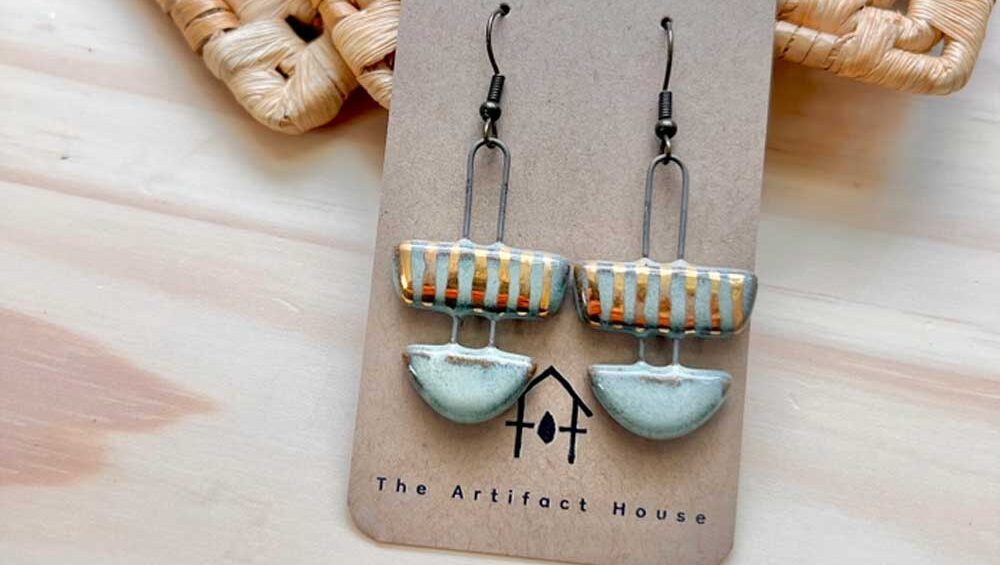
Contemporary ceramic jewelry often combines traditional techniques with modern aesthetics. Designers are experimenting with forms and finishes, creating pieces that challenge conventional notions of jewelry. For example, oversized ceramic earrings and chunky necklaces are gaining popularity, providing bold alternatives to traditional metal jewelry. This shift reflects a broader trend towards individuality and self-expression in fashion, where unique materials like ceramics allow wearers to make personal statements through their accessories.
Moreover, the rise of ceramics in jewelry is closely linked to the broader movement towards sustainability in the fashion industry. As consumers become more conscious of the environmental impact of their purchases, they are increasingly drawn to jewelry materials that are natural and sustainable. Ceramics, being derived from earth materials, align with this ethos, offering an eco-friendly alternative to more resource-intensive materials. This intersection of artistry, individuality, and sustainability has propelled ceramics into the spotlight, establishing them as a significant player in contemporary jewelry design.
Popular ceramic jewelry styles and trends
As the popularity of ceramic jewelry continues to grow, several distinctive styles and trends have emerged, showcasing the versatility of this medium. One prominent trend is the use of bold colors and patterns. Artisans are embracing vibrant glazes and intricate designs inspired by nature, art, and cultural motifs. This trend allows wearers to express their personality through eye-catching pieces that can serve as conversation starters. From floral patterns to abstract designs, the range of options available in ceramic jewelry is extensive, catering to both minimalists and maximalists alike.
Another notable style is the incorporation of mixed materials. Many contemporary designers are blending ceramic elements with metals, wood, and even textiles to create unique, multidimensional pieces. This fusion not only enhances the visual appeal of the jewelry but also adds a tactile quality that invites interaction. For instance, a ceramic pendant may be suspended from a leather cord, creating a striking contrast between the smooth, glossy surface of the ceramic and the organic texture of the leather. This trend reflects a broader movement in jewelry design that values diversity in materials and craftsmanship.
Additionally, there is a growing interest in sculptural and architectural designs within ceramic jewelry. Many artisans are exploring three-dimensional forms, creating pieces that resemble miniature sculptures. These avant-garde designs challenge traditional notions of what jewelry can be, pushing the boundaries of creativity and craftsmanship. Wearers are increasingly drawn to such sculptural pieces, as they offer a sense of artistry and individuality that resonates with contemporary aesthetics. As these styles and trends continue to evolve, ceramic jewelry remains an exciting and dynamic field within the world of accessories.
Advantages and challenges of using ceramics in jewelry
While ceramics offer numerous advantages as a jewelry material, there are also challenges that artisans must navigate in the design and production process. One of the primary advantages of ceramics is their unique aesthetic appeal. The ability to craft pieces in a wide range of colors, textures, and forms allows for unparalleled creativity. This artistic freedom enables designers to produce distinctive pieces that stand out in a crowded marketplace, appealing to consumers seeking something different from traditional metal and gemstone jewelry.
Durability is another significant advantage. Once fired, ceramic pieces become highly resilient. They are less prone to scratching compared to softer materials, and their color remains stable over time. This longevity makes ceramic jewelry an excellent investment for consumers who want pieces that will retain their beauty and integrity despite regular wear. Furthermore, ceramics can be lightweight, making them comfortable to wear while still offering a striking visual impact.
However, there are challenges associated with using ceramics in jewelry making. One major concern is the fragility of certain ceramic designs. Although fired ceramics are durable, intricate or thin-walled pieces may still be susceptible to chipping or breaking if dropped or handled roughly. Artisans must find a balance between creating delicate designs and ensuring that their pieces can withstand everyday use. Additionally, the firing process requires precision and skill, as any miscalculations can lead to cracks or imperfections in the finished product.
Another challenge lies in consumer perception. While ceramics have gained popularity, they are still often viewed as less prestigious than gold or silver. Overcoming this stigma requires continued education and marketing efforts to showcase the artistry and craftsmanship involved in ceramic jewelry. As the industry evolves, promoting ceramics as a legitimate and desirable material will be essential for its sustained growth and acceptance among consumers.
Care and maintenance of ceramic jewelry
To ensure the longevity of ceramic jewelry, proper care and maintenance are essential. Although ceramics are known for their durability, they still require gentle handling to prevent damage. It is advisable to store ceramic pieces separately from other jewelry to avoid scratching or chipping. Using a soft pouch or a dedicated jewelry box can help protect the surface of the ceramics and maintain their pristine condition. Additionally, avoiding overcrowding in jewelry storage can minimize the risk of accidental breakage.
Cleaning ceramic jewelry is relatively straightforward but should be done with care. A soft, damp cloth is often sufficient to remove dirt or oils that may accumulate on the surface. For more stubborn stains, a mild soap solution can be used, but it’s crucial to avoid harsh chemicals that could damage the glaze or finish. After cleaning, the pieces should be thoroughly dried to prevent moisture from seeping into any cracks or crevices. Regular maintenance not only keeps the jewelry looking its best but also helps to preserve the intricate details that make ceramic pieces unique.
It’s also important for wearers to be mindful of the environments in which they wear ceramic jewelry. Activities that may expose the pieces to harsh chemicals, extreme temperatures, or excessive moisture should be avoided. For example, wearing ceramic earrings or necklaces while swimming in chlorinated pools or engaging in strenuous physical activities could increase the risk of damage. By adopting simple care practices and being conscious of how and where ceramic jewelry is worn, individuals can enjoy their pieces for many years to come.
Artists and brands revolutionizing ceramic jewelry
A wave of innovative artists and brands is at the forefront of the ceramic jewelry movement, each contributing their unique vision and craftsmanship to the field. One notable figure is Marta Oleniak, whose work features intricate hand-painted designs that celebrate the beauty of nature. Oleniak combines traditional ceramics techniques with contemporary aesthetics, creating pieces that are both timeless and fresh. Her collections often draw inspiration from flora and fauna, resulting in wearable art that resonates with nature lovers and fashion enthusiasts alike.
Another influential brand is Clementine, founded by designer Miriam E. Kahn. Clementine specializes in bold, sculptural ceramic pieces that push the boundaries of conventional jewelry design. The brand is known for its use of vibrant colors and organic forms, making each piece a statement accessory. Kahn’s philosophy centers around the idea that jewelry should be an extension of the wearer’s personality, and this ethos is reflected in the distinctive character of Clementine’s collections.
Additionally, Lindsay Weller has garnered attention for her innovative use of ceramics in jewelry. Her approach often involves combining ceramics with unexpected materials, such as metals and textiles, resulting in eclectic and multidimensional pieces. Weller’s designs showcase the versatility of ceramics and highlight the creative potential of mixing different media. As more artists and brands embrace ceramics in their work, the landscape of jewelry design continues to evolve, offering consumers an exciting array of options that celebrate individuality and craftsmanship.
How to choose and purchase ceramic jewelry
When it comes to choosing and purchasing ceramic jewelry, there are several factors to consider to ensure you find the perfect piece for your style and needs. First and foremost, it’s essential to assess the quality of the craftsmanship. Look for artisans who pay attention to detail, as well as brands that prioritize high-quality materials and finishes. Examining the glaze and texture can provide insights into the piece’s durability and overall aesthetic appeal. A well-crafted ceramic piece should feel smooth and polished, without any visible imperfections.
Another important aspect to consider is the style of the jewelry. Ceramic pieces can range from minimalist designs to bold, sculptural forms, so it’s crucial to select items that resonate with your personal taste. Consider how the piece will complement your existing wardrobe and whether it aligns with your overall aesthetic. Many artisans offer customizable options, allowing you to choose colors, patterns, or even engravings that reflect your individuality. This level of personalization can enhance your connection to the piece and make it truly unique.
Finally, consider the reputation of the artist or brand from which you are purchasing. Researching the background of the creator can provide valuable context about their artistic vision and commitment to quality. Many ceramic jewelry makers share their stories and processes through social media, allowing you to gain insight into their craftsmanship and philosophy. By supporting independent artisans and brands, you not only invest in a unique piece of jewelry but also contribute to the sustainable and ethical fashion movement. Taking the time to find a piece that resonates with you will ensure that your ceramic jewelry becomes a cherished addition to your collection.
Conclusion: Embracing the enduring allure of ceramic jewelry
As we have explored throughout this article, the rise of ceramics as a jewelry material is not merely a trend; it is a celebration of artistry, individuality, and sustainability. With their rich historical significance and unique properties, ceramics have carved out a distinctive space within the modern jewelry landscape. From their durability and versatility to the innovative designs being produced by talented artisans, ceramic jewelry offers a refreshing alternative to traditional materials.
The ongoing evolution of styles and trends in ceramic jewelry reflects a broader cultural shift towards self-expression and sustainability. As consumers increasingly seek out unique, handcrafted pieces that resonate with their values, ceramics provide an opportunity for personal connection and artistic appreciation. The works of contemporary artists and brands exemplify the creative potential of ceramics, showcasing their ability to transcend conventional notions of jewelry.
In embracing the timeless beauty of ceramic jewelry, we not only recognize its aesthetic appeal but also honor the artistry and craftsmanship that goes into each piece. As this medium continues to flourish, it invites us to explore new dimensions of creativity and self-expression, making ceramic jewelry a truly captivating choice for those looking to adorn themselves with pieces that tell a story and reflect their individuality.
Shop Our Jewelry Collection
Discover our exquisite range of jewelry to complement your style:

Where softness, self-awareness, and emotional healing are allowed to coexist. Through reflective writing, grounding rituals, and intentional beauty, Sparrow Trades offers gentle support for sensitive souls learning to reconnect with themselves.
Jewelry Discovery: Explore Our Handpicked Insights
- Unveiling the Different Types of Promise Rings: A Symbol of Love and Commitment
- Accessorize in Style: Exploring the Beauty of Fabric as a Jewelry Material
- The Fascinating Meanings Behind Jewelry: Decoding Symbolism and Sentiments
- Hoop Earrings: A Timeless Fashion Staple Explained and Celebrated
- The Fascinating Origins of Hoop Earrings: Unveiling a Timeless Fashion Trend
- The Fascinating World of Dainty Jewelry: Exploring the Delicate Beauty and Timeless Elegance
- DIY Holiday Earrings: Craft Stunning Snowflake and Wreath Designs in Minutes
- Unlocking the Allure of Jasper Jewelry: A Gemstone Worth Exploring