Step into a world of elegance and sophistication as we dive into the sparkling secrets of polished jewelry. The alluring texture of these exquisite pieces is what sets them apart from the rest, captivating hearts and turning heads wherever they go.
With every facet meticulously polished to perfection, each piece of jewelry shimmers with an undeniable allure. The smooth and reflective surface enhances the beauty of precious gemstones, creating a mesmerizing play of light that catches the eye and ignites the imagination. From delicate necklaces to dazzling rings, the texture of polished jewelry adds a touch of glamour and refinement to any ensemble.
But what are the secrets behind achieving that radiant shine? In this article, we will uncover the techniques used by skilled craftsmen to bring out the true brilliance of each piece. From the art of polishing to the use of specialized tools, we will explore the intricate process that transforms raw materials into breathtaking works of art.
Prepare to be dazzled as we unveil the secrets behind the captivating texture of polished jewelry.
The allure of texture in polished jewelry
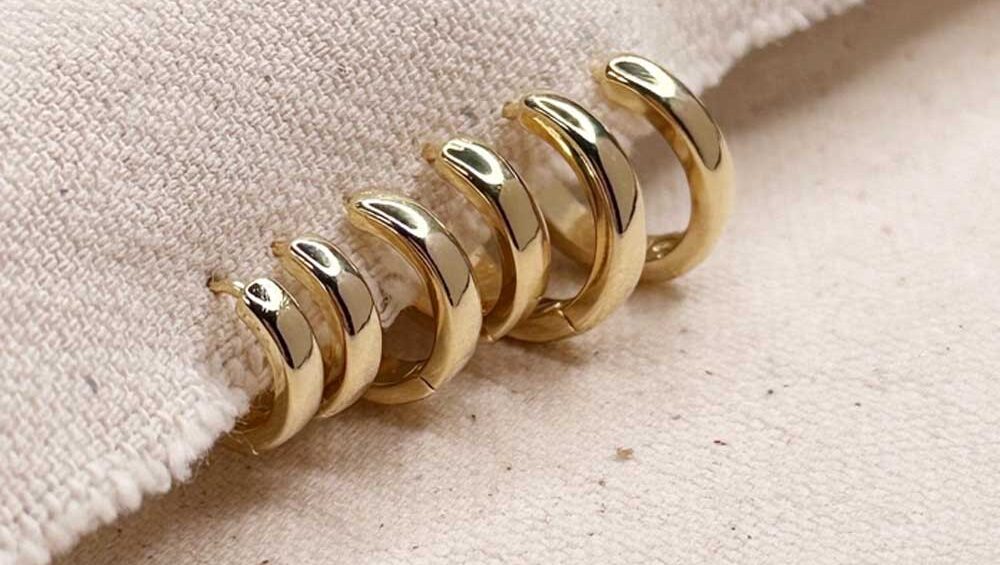
The allure of polished jewelry lies not just in its eye-catching design but in the captivating texture that enhances its overall beauty. Texture serves as an essential element in jewelry design, influencing how light interacts with each piece and how it is perceived by the wearer and the observer. Smooth, reflective surfaces invite admiration and evoke feelings of luxury, making polished jewelry a favorite in both casual and formal settings. The way light dances off these surfaces creates an enchanting visual effect, drawing attention and admiration to the wearer.
Moreover, the tactile quality of polished jewelry adds another layer to its allure. When worn, the cool, smooth finish against the skin provides a sensory experience that can be both comforting and exhilarating. This tactile appeal encourages individuals to engage with their jewelry on a personal level, fostering a deeper connection with each piece. The interplay between visual beauty and tactile pleasure is what makes polished jewelry truly special, allowing it to stand out in a world filled with various adornments.
Polished jewelry also tells a story of craftsmanship and dedication. The process of achieving that flawless surface requires meticulous attention to detail and a commitment to quality. Each artisan brings their unique touch to the creation of polished pieces, ensuring that the final product is not merely an accessory but a work of art. This artistry, combined with the inherent beauty of the materials used, enhances the allure of polished jewelry, making it a cherished addition to anyone’s collection.
Different types of textures in polished jewelry
The world of polished jewelry is rich with diverse textures that each convey a unique aesthetic and emotional response. While the smooth and glossy finish is the most commonly associated with polished pieces, there are various other textures that can be achieved through different techniques. For instance, a satin finish offers a soft sheen that diffuses light, providing a more understated elegance compared to the high reflectiveness of a traditional polish. This subtlety appeals to those who prefer a more muted yet sophisticated appearance in their jewelry.
Another popular texture is the hammered finish, which creates a series of small indentations on the surface of the metal, resulting in a dynamic play of light and shadow. This technique not only adds character to the piece but also enhances its visual interest, giving it a handcrafted feel. Hammered textures can be found in various types of jewelry, from rings to bracelets, providing an organic touch that resonates well with nature-inspired designs. The contrast between the polished and matte areas can create a striking visual effect, making these pieces truly stand out.
In addition to satin and hammered finishes, there are also more intricate textures such as filigree and lace patterns that can be applied to polished jewelry. These designs involve delicate metalwork that adds depth and intricacy to the piece, often incorporating gemstones to enhance their beauty further. Such textures are often seen in vintage and antique jewelry, embodying a sense of history and craftsmanship that modern designs sometimes lack. Each texture tells a story, inviting the wearer to explore its beauty and significance while adding a layer of complexity to polished jewelry.
Techniques for achieving polished textures
Achieving the perfect polished texture involves a series of carefully executed techniques that transform raw materials into stunning pieces of jewelry. One of the foundational steps in this process is the initial shaping of the metal or gemstone. Craftsmen often use tools like saws, files, and grinders to create the desired form, allowing for precision that sets the stage for the polishing phase. This stage is crucial, as any imperfections left during shaping can affect the final polish, making it essential for artisans to pay close attention to detail.
Once the jewelry piece is shaped, the polishing process begins. This typically involves using abrasive materials, such as polishing compounds and wheels, to gradually refine the surface. The technique often starts with coarser abrasives to remove any significant scratches or blemishes, followed by finer abrasives to achieve a smooth and reflective finish. Many jewelers employ a technique called “buffing,” where a soft cloth wheel spins at high speeds, gently polishing the surface to a brilliant shine. This method not only enhances the visual appeal but also protects the metal from tarnishing.
Another important technique used to achieve polished textures is chemical polishing, a method that utilizes specific solutions to remove surface imperfections and create a uniform finish. This technique is especially useful for intricate designs where traditional polishing methods may be challenging to apply. By immersing the piece in a chemical solution, artisans can achieve a level of smoothness and shine that may be difficult to replicate through mechanical means. The combination of these various techniques allows craftsmen to create polished jewelry that meets high standards of quality and beauty.
Popular gemstones for polished jewelry
When it comes to polished jewelry, the choice of gemstones plays a significant role in enhancing the overall allure of each piece. Among the most popular gemstones are diamonds, known for their unmatched brilliance and hardness. Their polished surfaces reflect light in a way that creates a stunning display of sparkle, making them a favored choice for engagement rings and high-end jewelry. The process of cutting and polishing diamonds is intricate, requiring skilled hands to maximize their potential and ensure they dazzle in any setting.
Another gemstone that has gained popularity in polished jewelry is amethyst, a beautiful purple variety of quartz. When polished, amethyst exhibits a captivating depth of color, often enhanced by its smooth surface that allows light to penetrate and reflect within the stone. Jewelry pieces featuring polished amethyst can range from elegant earrings to statement necklaces, showcasing the stone’s natural beauty in various forms. Its affordability compared to other gemstones also makes it a favorite among jewelry enthusiasts.
Sapphires and emeralds are other gemstones that shine in polished jewelry, each bringing their unique charm to the table. Sapphires, available in a spectrum of colors but most famously blue, deliver a regal touch when polished to perfection. The rich hues and clarity of these stones make them ideal for both classic and contemporary designs. On the other hand, emeralds, with their vibrant green color, offer a lush, exotic appeal, especially when combined with polished gold or silver settings. The allure of these gemstones lies in their ability to enhance the texture of polished jewelry, adding depth and sophistication to each piece.
Caring for and maintaining polished jewelry
Maintaining the allure of polished jewelry requires a commitment to proper care and cleaning. Regular maintenance is essential to preserve the shine and texture that make these pieces so captivating. One of the simplest yet most effective ways to care for polished jewelry is to clean it regularly with a soft, lint-free cloth. This practice helps remove dirt, oils, and residues that can dull the surface over time, ensuring the jewelry retains its brilliance.
For more thorough cleaning, using a mild soap solution is often recommended. A mixture of warm water and a few drops of gentle dish soap can effectively clean polished jewelry without damaging the surface. Soaking the pieces for a few minutes and gently scrubbing with a soft brush can help dislodge any buildup in crevices or settings. After rinsing, it’s crucial to dry the jewelry completely before storing it to prevent moisture-related damage.
In addition to regular cleaning, proper storage is vital for maintaining polished jewelry. It’s best to store these pieces separately in a soft pouch or a jewelry box lined with fabric to avoid scratches and tangling. The use of anti-tarnish strips can also help prevent tarnishing of metal surfaces, especially for silver jewelry. By taking these simple steps, wearers can ensure their polished jewelry remains as dazzling and alluring as the day it was crafted.
The significance of polished jewelry in different cultures
Polished jewelry holds significant cultural importance across various societies around the world. In many cultures, jewelry is not merely a decorative accessory but a symbol of status, wealth, and identity. For instance, in Indian culture, polished gold jewelry is often associated with auspicious occasions such as weddings and festivals. Gold’s reflective surface signifies prosperity and good fortune, making it a staple in traditional attire. The intricate designs and polished finish of these pieces reflect the rich heritage and artistry rooted in Indian craftsmanship.
Similarly, polished jewelry plays a vital role in African cultures, where it often represents tribal affiliations and social status. Beaded necklaces, bracelets, and earrings crafted from polished stones and metals are worn during ceremonies and celebrations, showcasing the wearer’s identity and cultural heritage. The vibrancy of colors and the shine of polished materials create a striking visual impact, serving as a form of expression and connection to one’s roots.
In Western cultures, polished jewelry has become a symbol of love and commitment, particularly in the form of engagement rings and wedding bands. The tradition of exchanging rings made of polished metals signifies a bond that is meant to last a lifetime. The allure of the polished surface mirrors the promise of everlasting love, making it a cherished token in romantic relationships. Through these cultural lenses, polished jewelry transcends mere adornment, embodying deeper meanings and connections that resonate with individuals across the globe.
The symbolism of polished jewelry textures
The textures of polished jewelry carry symbolic meanings that can vary across cultures and personal beliefs. Smooth, polished surfaces often symbolize purity and clarity, reflecting the idea of shining bright through adversity. This symbolism is particularly poignant in engagement and wedding rings, where the unblemished surface signifies the purity of love and commitment between partners. The act of polishing is akin to the nurturing of a relationship, where care and attention transform something raw into a flawless expression of devotion.
On the other hand, textured finishes such as hammered or satin can represent resilience and strength. These surfaces, while polished, showcase imperfections that tell a story of their creation, much like the journey of an individual. The contrasts between smooth and textured areas symbolize the balance of life, emphasizing that beauty can exist alongside flaws. This duality resonates deeply with those who wear jewelry as a reminder of their personal growth and the experiences that shape them.
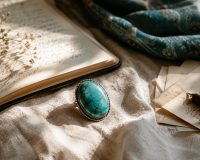
Moreover, the choice of gemstone in polished jewelry also contributes to its symbolic meaning. For instance, a polished turquoise piece may symbolize protection and healing, while a polished ruby might represent passion and vitality. The combination of texture and gemstone creates a powerful narrative, allowing wearers to express their emotions and aspirations through their adornments. This rich symbolism elevates polished jewelry from being merely decorative to serving as a meaningful representation of one’s identity and values.
Famous designers known for their polished jewelry creations
Throughout history, numerous designers have made their mark in the world of polished jewelry, each bringing their unique style and vision to life. One of the most renowned names is Cartier, a luxury brand synonymous with elegance and sophistication. Their polished pieces, often featuring intricate designs and high-quality gemstones, have captured the hearts of jewelry lovers for generations. Cartier’s commitment to craftsmanship and attention to detail are evident in every piece, making their jewelry highly sought after and celebrated for its beauty.
Another iconic designer is Bulgari, known for its bold and innovative approach to jewelry design. Their polished creations often blend classical elegance with contemporary flair, resulting in pieces that stand out while remaining timeless. Bulgari’s use of vibrant gemstones and distinctive textures adds an alluring dimension to their polished jewelry, creating a unique signature style that resonates with collectors and fashion enthusiasts alike.
In the realm of modern jewelry design, Taffin is a noteworthy name, recognized for its commitment to artistry and craftsmanship. Taffin’s polished jewelry often showcases unexpected combinations of jewelry materials, with a focus on the tactile experience of wearing jewelry. The brand’s ability to merge traditional techniques with contemporary design aesthetics has garnered a loyal following, making Taffin a celebrated name in the world of polished jewelry. Each designer’s unique interpretation of polished textures and their creative vision contributes to the ever-evolving landscape of jewelry artistry.
Conclusion: Embracing the beauty of polished jewelry textures
As we conclude our exploration of the sparkling secrets behind polished jewelry, it becomes evident that these exquisite pieces are more than mere adornments. The allure of texture, the meticulous techniques employed in their creation, and the cultural significance they embody all contribute to their timeless appeal. Polished jewelry stands as a testament to the artistry and dedication of skilled craftsmen, who transform raw materials into breathtaking works of art that resonate with individuals across the globe.
Embracing the beauty of polished jewelry textures invites a deeper appreciation for the craftsmanship and storytelling that each piece represents. Whether it is the smooth gleam of a diamond ring or the intricate patterns of a hammered bracelet, these textures capture the essence of elegance and sophistication. They serve as reminders of the moments they commemorate, the relationships they symbolize, and the personal journeys they accompany.
Ultimately, polished jewelry is a celebration of beauty, emotion, and heritage. By choosing to wear and cherish these pieces, individuals connect with a rich history of craftsmanship and artistry, while also embracing their unique narrative. The allure of polished jewelry continues to captivate hearts and minds, inviting us to explore the shimmering world of elegance that lies within each exquisite texture.
Shop Our Jewelry Collection
Discover our exquisite range of jewelry to complement your style:

Where softness, self-awareness, and emotional healing are allowed to coexist. Through reflective writing, grounding rituals, and intentional beauty, Sparrow Trades offers gentle support for sensitive souls learning to reconnect with themselves.