
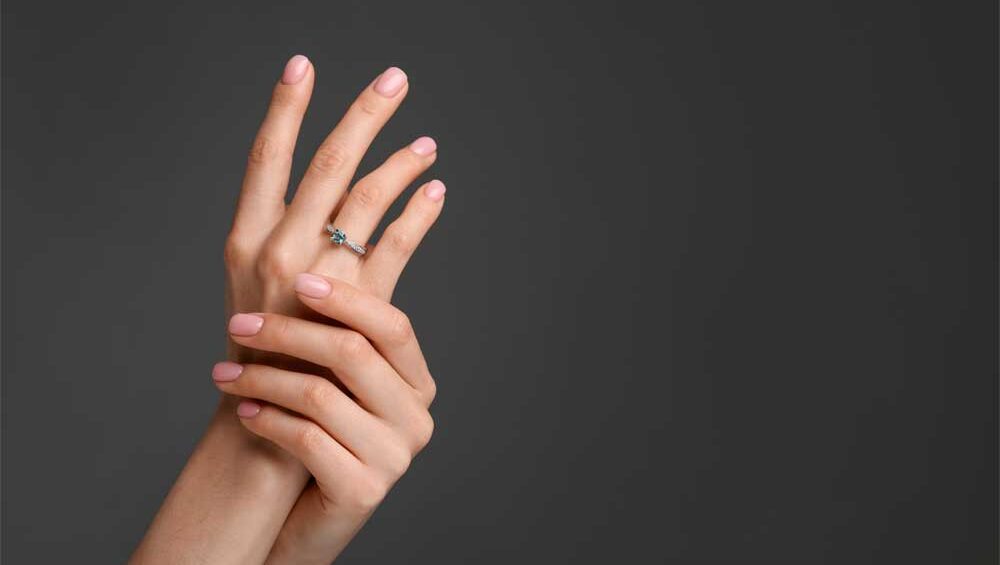
Rings have a timeless appeal, symbolizing love, commitment, and personal style. They are more than just pieces of jewelry – they hold deep meaning and significance. In this comprehensive guide, we dive into the fascinating world of rings, exploring their origin, symbolism, and different types.
From ancient civilizations to modern-day trends, the history of rings is rich and diverse. Discover how various cultures have used rings as symbols of power, love, and status. Uncover the stories behind popular ring designs and learn about the materials and gemstones commonly used in their creation.
But rings are not just about history and symbolism. We also dive into the practical aspects, exploring different types of rings, such as engagement rings, wedding bands, and fashion rings. Gain insights into the factors to consider when buying a ring, including ring sizing, gemstone quality, and setting styles.
Whether you’re a jewelry enthusiast or simply curious about rings, this article will provide you with all the knowledge you need to appreciate the beauty and significance of these cherished adornments. So, let’s embark on a journey into the captivating world of rings.
The history of rings
Rings have a rich and captivating history that spans centuries and crosses cultures. The earliest known rings date back to ancient civilizations, where they were used not only as adornments but also as symbols of power, status, and personal identity.
In ancient Egypt, for instance, rings were often adorned with hieroglyphic seals that served as a means of identification and authentication. These rings were worn by pharaohs, nobles, and scribes, reflecting their social standing and authority. Similarly, in ancient Greece and Rome, signet rings were used to seal documents and letters, demonstrating the wearer’s influence and importance.
As civilizations evolved, the symbolism and design of rings also underwent transformations. In the Middle Ages, rings became increasingly associated with religious and spiritual beliefs. Bishops and clergy members often wore ornate rings as a symbol of their sacred office, while the exchange of rings during marriage ceremonies solidified the bond between partners. The tradition of the wedding ring, in particular, has endured throughout history, with the circular shape representing the never-ending nature of love and commitment.
The Renaissance period saw a flourishing of ring design, with jewelers creating intricate and ornate pieces that showcased the skill and artistry of the era. Rings were not only a means of personal expression but also a reflection of the wearer’s wealth and social status. The discovery of new gemstones, such as diamonds and emeralds, further expanded the range of materials used in ring-making, leading to increasingly elaborate and eye-catching designs.
Today, the history of rings continues to evolve, with contemporary designers drawing inspiration from the past while incorporating modern materials and techniques. From heirloom pieces passed down through generations to the latest trends in fashion jewelry, rings remain a timeless and cherished form of self-expression and personal adornment.
Symbolism of rings in different cultures
Rings have long held deep symbolic meaning across various cultures and civilizations. The circular shape of a ring, with its continuous loop, has been interpreted as a representation of eternity, wholeness, and the cyclical nature of life.
In ancient Egypt, the ring was associated with the sun, representing the divine and eternal nature of the universe. Pharaohs and high-ranking officials often wore rings adorned with the ankh, a symbol of life and regeneration. Similarly, in ancient China, rings were seen as a symbol of harmony and balance, with the circular shape representing the unity of heaven and earth.
The tradition of exchanging rings during marriage ceremonies has its roots in ancient Rome, where the ring was believed to represent the unbreakable bond between the couple. The use of precious metals, such as gold, further emphasized the permanence and value of the commitment. This tradition has since been adopted by many cultures around the world, with the wedding ring becoming a universally recognized symbol of love and devotion.
In some cultures, rings have also been used as symbols of power, authority, and social status. In medieval Europe, for example, signet rings were used by nobles and clergy members to seal documents and letters, demonstrating their influence and position within society. In ancient India, the maharajas and other royalty often wore ornate rings adorned with precious stones, showcasing their wealth and status.
The symbolism of rings has also been influenced by religious and spiritual beliefs. In many cultures, rings have been associated with the divine, with certain designs or materials believed to have protective or healing properties. For instance, in some traditions, the wearing of a ring with a specific gemstone is thought to bring good luck or ward off negative energies.
Regardless of the cultural context, rings have consistently held deep symbolic meaning, serving as a tangible representation of the wearer’s identity, beliefs, and relationships. The enduring appeal of rings lies in their ability to transcend time and space, connecting us to the rich tapestry of human history and the timeless human desire for self-expression and connection.
Different types of rings
Rings come in a wide variety of shapes, sizes, and designs, each with its own unique purpose and significance. From the classic engagement ring to the more whimsical fashion ring, the world of rings is both diverse and fascinating.
Engagement rings are perhaps the most well-known and iconic type of ring. These rings, often featuring a prominent diamond or other precious gemstone, symbolize the commitment and promise of marriage. The tradition of proposing with an engagement ring has its roots in ancient Rome, where the ring was seen as a tangible representation of the couple’s bond. Over time, the design and symbolism of engagement rings have evolved, with modern couples often choosing rings that reflect their personal style and values.
Wedding rings, on the other hand, are the ultimate symbol of the marriage itself. Traditionally made of gold, these simple yet elegant bands represent the unbreakable union between two people. The exchange of wedding rings during the ceremony is a time-honored tradition that has been observed across cultures and religions for centuries. The circular shape of the ring is often interpreted as a symbol of the never-ending nature of love and commitment.
Birthstone rings are another popular type of ring, featuring a gemstone that corresponds to the wearer’s birth month. These rings not only add a personal touch but also hold deeper symbolic meaning, with each gemstone believed to have unique properties and associations. For example, a ruby ring might be worn to represent passion and vitality, while an amethyst ring could be seen as a symbol of wisdom and tranquility.
Fashion rings, on the other hand, are designed purely for personal expression and style. These rings come in a vast array of shapes, materials, and designs, from delicate, minimalist bands to bold, statement-making pieces. Fashion rings allow wearers to showcase their individuality and personal aesthetic, serving as a canvas for creativity and self-expression.
Men’s rings, while often overlooked, also have a rich history and diverse range of styles. From the classic signet ring to the modern wedding band, men’s rings can serve as symbols of power, identity, and personal style. Signet rings, in particular, have a long history, with their use dating back to ancient civilizations as a means of sealing documents and letters. Today, men’s rings continue to evolve, with contemporary designs that cater to a wide range of tastes and preferences.
Regardless of the type, rings hold a unique and enduring appeal, serving as both functional accessories and deeply symbolic adornments. Whether you’re drawn to the timeless elegance of a wedding band or the bold, expressive nature of a fashion ring, the world of rings offers endless possibilities for self-expression and personal significance.
Engagement rings: history and significance
The engagement ring holds a special place in the hearts and minds of many, serving as a tangible symbol of love, commitment, and the promise of a shared future. The history of the engagement ring is as rich and diverse as the cultures and traditions that have shaped its evolution.
The earliest known engagement rings date back to ancient Egypt, where they were made of braided reeds or leather and exchanged as a sign of a couple’s betrothal. Over time, the materials used in engagement rings evolved, with the ancient Greeks and Romans incorporating metals such as iron and copper into their designs. The circular shape of the ring was seen as a representation of the unending nature of love and commitment.
The modern engagement ring, as we know it today, has its roots in the 15th century, when the first diamond engagement rings began to emerge. The discovery of diamond deposits in India and the development of diamond-cutting techniques led to the increasing popularity of diamond rings among the European aristocracy. The enduring appeal of the diamond engagement ring was further solidified in the 19th century, when the De Beers diamond company launched their iconic “A Diamond is Forever” marketing campaign.
The symbolism and significance of the engagement ring have evolved over time, reflecting the changing values and customs of different cultures. In many Western societies, the engagement ring is seen as a symbol of the couple’s commitment to one another, with the diamond or other gemstone representing the strength and endurance of their bond. The act of proposing with an engagement ring is often a deeply meaningful and emotional experience, marking the beginning of a new chapter in the couple’s lives.
Beyond the traditional diamond engagement ring, contemporary couples are increasingly exploring a wider range of options, from colored gemstones to unique, non-traditional designs. This trend reflects a growing desire for personalization and self-expression, as couples seek to create engagement rings that truly capture their individual styles and values.
Regardless of the specific design or material, the engagement ring remains a powerful symbol of love, trust, and the promise of a shared future. As a tangible representation of the couple’s commitment, the engagement ring continues to hold a special place in the hearts and minds of those who cherish the timeless traditions of love and marriage.
Wedding rings: traditions and customs
The wedding ring is a universally recognized symbol of the sacred bond between two individuals who have chosen to commit their lives to one another. The tradition of exchanging wedding rings has deep roots in history, with variations and customs observed across diverse cultures and religions.
The earliest recorded use of wedding rings can be traced back to ancient Egypt, where they were made of braided reeds or leather and believed to represent the eternal nature of love. Over time, the materials used in wedding rings evolved, with the ancient Greeks and Romans incorporating metals such as iron and copper into their designs. The circular shape of the ring was seen as a symbol of the never-ending cycle of life and the enduring nature of the couple’s union.
In the Christian tradition, the exchange of wedding rings during the marriage ceremony is a time-honored ritual that has been observed for centuries. The circular shape of the ring is often interpreted as a representation of the eternal, unbroken nature of the couple’s love and commitment. The precious metal, typically gold, is seen as a symbol of the purity and value of the marriage.
In many cultures, the placement of the wedding ring on the fourth finger of the left hand is also imbued with symbolic meaning. This tradition is believed to have originated in ancient Rome, where it was thought that a vein in the fourth finger, known as the “vena amoris” or “vein of love,” connected directly to the heart. While this anatomical belief has since been disproven, the symbolic significance of the ring’s placement on the “ring finger” has endured.
The customs and rituals surrounding the exchange of wedding rings can vary greatly across different cultures and religions. In some traditions, the rings are blessed or anointed during the ceremony, while in others, the couple may exchange multiple rings to represent different aspects of their union. The engraving of the rings with personal messages or the couple’s initials is also a common practice, adding a deeply personal touch to the ceremony.
Today, the wedding ring continues to hold immense significance, not only as a symbol of the couple’s love and commitment but also as a reflection of their individual styles and values. From the classic gold band to the more elaborate, gemstone-encrusted designs, the options for wedding rings are vast and diverse, allowing couples to choose a ring that truly resonates with their personal aesthetics and beliefs.
Regardless of the specific traditions and customs observed, the exchange of wedding rings remains a profoundly meaningful and emotional moment in the lives of those who have chosen to embark on the journey of marriage together. The enduring power of the wedding ring lies in its ability to transcend time and space, connecting us to the rich tapestry of human history and the timeless human desire for love, commitment, and connection.
Birthstone rings: meaning and popularity
Birthstone rings have long held a special place in the hearts of many, offering a unique and personal way to celebrate one’s birth month and the associated gemstone. These rings not only serve as a beautiful accessory but also hold deeper symbolic meaning, connecting the wearer to the rich history and cultural traditions surrounding birthstones.
The concept of birthstones dates back to the ancient Israelites, who believed that each of the 12 tribes of Israel was associated with a specific gemstone. This belief was later adopted by the ancient Egyptians, Greeks, and Romans, who incorporated the idea of birthstones into their jewelry and adornment practices.
Over time, the specific gemstones associated with each birth month have evolved, with the modern birthstone list being standardized in the early 20th century by the American National Association of Jewelers. Today, the 12 birthstones are as follows: January (garnet), February (amethyst), March (aquamarine), April (diamond), May (emerald), June (pearl, alexandrite, or moonstone), July (ruby), August (peridot), September (sapphire), October (opal or tourmaline), November (citrine or topaz), and December (turquoise, zircon, or tanzanite).
The popularity of birthstone rings has endured for centuries, with each gemstone believed to hold unique properties and associations. For example, the ruby, the birthstone for July, is often seen as a symbol of passion, vitality, and courage, while the sapphire, the September birthstone, is associated with wisdom, loyalty, and inner peace. The wearer of a birthstone ring may feel a deep connection to the qualities and meanings associated with their particular gemstone, making the ring a deeply personal and meaningful accessory.
Beyond the symbolic significance, birthstone rings also offer a versatile and stylish option for personal adornment. From classic solitaire designs to more elaborate, multi-gemstone creations, there is a wide range of birthstone ring styles to suit every taste and preference. These rings can be worn as a daily accessory, a special occasion piece, or even as a cherished family heirloom, passed down through generations.
Whether you’re drawn to the timeless allure of a ruby ring or the serene beauty of an aquamarine, a birthstone ring can be a deeply meaningful and personal way to celebrate your unique identity and connection to the natural world. As a symbol of your birth month and the associated gemstone, a birthstone ring can serve as a constant reminder of your individuality and the rich tapestry of human experience that we all share.
Fashion rings: trends and styles
In the ever-evolving world of jewelry, fashion rings have emerged as a captivating and expressive form of personal adornment. These rings, often designed with a focus on style and creativity rather than traditional symbolism, offer wearers a canvas for self-expression and a means of showcasing their unique personal aesthetic.
The history of fashion rings can be traced back to the early 20th century, when avant-garde designers and artists began to challenge the conventions of traditional jewelry-making. Iconic figures like Coco Chanel and Salvador Dalí pioneered the use of unconventional materials and bold, statement-making designs, paving the way for the emergence of the fashion ring as we know it today.
In the modern era, fashion rings have become increasingly diverse and innovative, reflecting the ever-changing trends and the creative vision of contemporary designers. From delicate, minimalist bands to bold, sculptural pieces, the range of fashion ring styles is truly vast and captivating. Some designers may draw inspiration from nature, incorporating organic shapes and textures into their designs, while others might explore the intersection of jewelry and technology, experimenting with innovative materials and cutting-edge manufacturing techniques.
One of the key appeals of fashion rings is their ability to transcend traditional gender boundaries. While engagement and wedding rings have long been associated with the female form, fashion rings offer a gender-inclusive approach to personal adornment, allowing individuals of all genders to express their style and identity through the medium of jewelry. This democratization of ring design has led to a flourishing of creativity and self-expression, as wearers seek to curate a unique and personalized jewelry wardrobe that reflects their individual tastes and values.
Beyond their aesthetic appeal, fashion rings also serve as a means of self-expression and personal storytelling. The rings we choose to wear can be a reflection of our mood, our interests, or our cultural affiliations, serving as a tangible extension of our identity. Whether it’s a bold, statement-making cocktail ring or a delicate, minimalist band, the fashion ring allows the wearer to communicate something about themselves to the world around them.
As the fashion ring continues to evolve, the possibilities for personal expression and creativity are truly limitless. From the bold and the avant-garde to the subtle and the understated, these rings offer a versatile and captivating way for individuals to celebrate their unique sense of style and connect with the rich history and cultural traditions of personal adornment.
Men's rings: from signet rings to wedding bands
While the world of rings has long been associated with the female form, the history and significance of men’s rings are equally rich and captivating. From the iconic signet ring to the modern wedding band, these adornments have played a crucial role in the expression of masculinity, identity, and personal style throughout the ages.
The origins of men’s rings can be traced back to ancient civilizations, where signet rings were used as a means of authentication and social status. In ancient Egypt, Mesopotamia, and Greece, signet rings were often adorned with intricate engravings or seals, serving as a unique identifier for the wearer. These types of rings were worn by kings, nobles, and high-ranking officials, symbolizing their power, authority, and influence within their respective societies.
As civilizations evolved, the role and design of men’s rings also underwent transformations. In the Middle Ages, the signet ring continued to be a symbol of power and prestige, with knights and lords using their personal seals to authenticate documents and letters. The exchange of rings during marriage ceremonies also became a tradition during this period, marking a significant shift in the symbolic meaning of rings. Wedding bands for men began to symbolize not only a legal and religious bond but also a deep personal commitment. The design of these bands was typically simple, often crafted from gold or silver, reflecting the solemnity and seriousness of the vows taken.
By the Renaissance, men’s rings had evolved into more elaborate and decorative pieces, with gemstones, intricate engravings, and detailed designs becoming increasingly popular. These rings were often used to display wealth, rank, and personal achievements, as well as to express love and loyalty. The Renaissance period also saw the introduction of more personalized rings, with inscriptions and family crests becoming common elements in their design.
In modern times, men’s rings have continued to evolve, with a wide variety of styles and materials available to suit every taste and occasion. The traditional wedding band remains a staple, often crafted in classic types of metal jewelry like gold, platinum, or titanium. However, contemporary designs have introduced alternative materials such as tungsten, ceramic, and even wood, allowing for a broader range of personal expression.
Men’s rings today are not only about tradition and status but also about individual style and personality. Whether it’s a sleek, minimalist band or a bold statement piece, men’s rings continue to serve as powerful symbols of identity, commitment, and personal expression, carrying forward a rich history that spans thousands of years.
How to Choose the Perfect Ring
Choosing the perfect ring is a deeply personal and significant decision, whether it’s an engagement ring, a wedding band, or a fashion piece. The process involves considering various factors to ensure the ring not only meets your aesthetic preferences but also holds meaningful value.
Determine the Purpose: The first step in selecting the right ring is to understand its purpose. Are you looking for a ring to symbolize a commitment, such as an engagement or wedding band? Or are you searching for a fashion ring to enhance your personal style? Understanding the ring’s purpose will guide you in making the best choice.
Consider the Material: The material of the ring plays a crucial role in its durability, appearance, and value. Traditional metals like gold, platinum, and silver are popular choices for engagement and wedding rings due to their timeless appeal. However, contemporary options such as tungsten, titanium, and ceramic offer durability and a modern look. Consider any potential allergies to certain metals when making your selection.
Select the Gemstone: If the ring features a gemstone, the choice of stone is essential. Diamonds are the classic choice for engagement rings, known for their brilliance and durability. However, colored gemstones like sapphires, rubies, and emeralds can add a unique and personal touch. Birthstones or stones with special significance to the wearer can also be an excellent choice.
Evaluate the Setting: The setting of a ring not only affects its appearance but also its practicality. Prong settings, bezel settings, and channel settings are common choices, each offering different levels of security for the gemstone. Consider the wearer’s lifestyle when choosing a setting—those with active lifestyles may prefer a more secure and durable setting.
Find the Right Size: Ensuring the ring fits perfectly is crucial for comfort and wearability. It’s important to get an accurate ring size measurement, which can be done professionally at a jeweler or using a ring sizing guide at home. Keep in mind that the finger’s size can change slightly due to temperature and other factors, so it’s best to measure when the finger is at a neutral temperature.
Personalization Options: Personalizing a ring can add sentimental value and make it truly unique. Engravings, custom designs, or choosing a less common gemstone are all ways to personalize a ring. Many jewelers offer custom design services, allowing you to create a one-of-a-kind piece that perfectly reflects your style and significance.
Budget Considerations: Establishing a budget before beginning your search is important. Rings can vary significantly in price depending on the materials, gemstones, and design. Setting a budget will help narrow down options and prevent overspending. Remember that there are beautiful options available at every price point.
Conclusion: The Enduring Appeal of Rings
Rings have transcended time and culture, maintaining their place as symbols of love, commitment, and personal expression. From ancient civilizations to modern-day trends, these small yet powerful adornments carry deep significance and personal meaning.
Whether you’re drawn to the timeless elegance of a wedding band, the personal connection of a birthstone ring, or the bold statement of a fashion piece, the world of rings offers something for everyone. The process of choosing the perfect ring is a journey of self-discovery, personal expression, and connection to traditions that have been passed down through generations.
As you explore the vast and diverse world of rings, remember that the most important aspect of any ring is the meaning it holds for you. Whether it’s a symbol of a lifelong commitment, a reflection of your personal style, or a reminder of a cherished memory, a ring is more than just a piece of jewelry—it’s a timeless symbol of the things that matter most.
Shop Our Jewelry Collection
Discover our exquisite range of jewelry to complement your style:

Where softness, self-awareness, and emotional healing are allowed to coexist. Through reflective writing, grounding rituals, and intentional beauty, Sparrow Trades offers gentle support for sensitive souls learning to reconnect with themselves.