There are seasons of life when strength does not look loud.
It does not look like conquering or performing or pushing forward. It looks like holding steady. Like not collapsing. Like staying rooted when everything inside you wants to scatter.
Onyx has long been associated with that kind of strength.
When people search for what is onyx, they are often asking two questions at once. The first is practical: What kind of stone is it? Where does it come from? What does it represent? The second is quieter: Why does this stone feel grounding? Why do so many people reach for it when they feel overwhelmed, overstimulated, or emotionally unsteady?
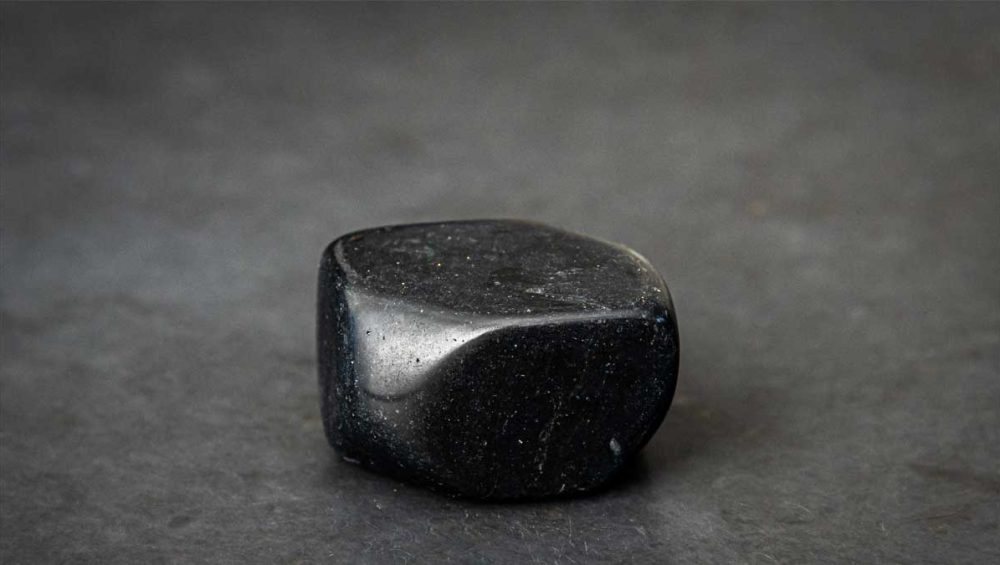
Onyx is a variety of chalcedony, a microcrystalline form of quartz. Traditionally black (though it can appear in layered bands), it has been used for thousands of years in carving, jewelry, protective talismans, and symbolic art. Its deep, matte-black presence carries a visual stillness that many people experience as stabilizing.
In the broader world of gemstone meanings, onyx is most often associated with protection, grounding, resilience, and inner fortitude. But those words can feel abstract until they meet lived experience.
Grounding, in real life, is not mystical. It is the moment your breath slows. It is when your shoulders drop a little. It is when you realize you are still here — even if the day has been chaotic. That is why onyx is often spoken about alongside crystal healing practices, not as a cure or a promise, but as a symbol of steadiness.
If you are familiar with other grounding stones like black tourmaline or stabilizing stones such as amethyst, you may notice that onyx feels different. Where amethyst soothes and tourmaline shields, onyx steadies. It is less about filtering energy and more about anchoring yourself within it.
Onyx does not shout. It absorbs.
And sometimes, that is exactly what a nervous system needs.
The Meaning of Onyx: Strength Without Noise
Onyx has been associated with protection and endurance since ancient civilizations. In Greek and Roman traditions, it was carved into amulets and signet rings. In various cultures, it symbolized courage under pressure and clarity in moments of stress.
But beyond history, its meaning has evolved into something more intimate.
Onyx is often described as a stone of inner strength — not the kind that performs, but the kind that persists. It is linked to emotional containment, personal boundaries, and self-possession. In times of emotional intensity, it represents the capacity to remain steady rather than reactive.
This makes it naturally aligned with grounding practices. When someone feels overstimulated, hypervigilant, or emotionally flooded, the body is seeking regulation. Practices like grounding with crystals daily practices often include onyx because of its symbolic association with anchoring and weight.
Its black color connects it symbolically to the root chakra — the energetic center associated with safety and stability. Many people exploring chakra crystals guide notice that darker stones are frequently linked to themes of security, embodiment, and belonging in the physical world.
Onyx, in this context, becomes less about mysticism and more about containment. When emotions feel large, this stone represents the ability to hold them without being overtaken.
It is not about suppressing feelings. It is about staying present with them.
That distinction matters, especially for those who have learned to dissociate or numb as a survival strategy. True grounding is not detachment. It is contact — gentle, regulated contact with your own internal experience.
And in that sense, onyx becomes a quiet reminder: you can stay.
Onyx in Healing Practices and Emotional Regulation
In modern spiritual spaces, onyx is often grouped among protective crystals. Yet protection does not always mean shielding from external forces. Sometimes it means strengthening your internal boundaries.
For people who resonate with nervous-system-aware approaches to healing, onyx can symbolize the act of reclaiming steadiness. Within broader crystal healing guide frameworks, it is frequently described as supportive during stressful transitions, grief, burnout, or emotional overwhelm.
If you have ever felt pulled in too many directions, emotionally absorbing others’ moods, or struggling to separate your feelings from someone else’s, the symbolic language around onyx may feel familiar. It represents containment — the ability to remain in your own emotional field.
That is why it is sometimes included among stones chosen through crystals by intention when someone is working with themes like protection, grounding, or emotional resilience.
There is also a practical aspect to its presence. Onyx has weight. When held in the palm, it feels solid and cool. For some, that sensory input alone can support grounding in moments of anxiety — similar to how textured objects or weighted items can help orient the body.
But it is important to remain trauma-informed here. No stone regulates a nervous system by itself. What it can do is act as a focal point — something steady to return attention to when thoughts spiral. Much like breathwork, much like touch, much like sitting on the floor and feeling the ground beneath you.
In that way, onyx functions as a companion to practices that restore stability. It does not promise transformation. It invites presence.
How Onyx Is Used in Jewelry
Onyx has been carved and worn for centuries, often in rings, amulets, pendants, and beads. Today, many people choose onyx jewelry not only for its aesthetic elegance but for what it represents.
Black is timeless. It pairs with everything. But emotionally, it also communicates depth and steadiness.
Wearing onyx bracelets can feel grounding because bracelets sit close to the pulse points of the wrist. Necklaces rest near the chest, and onyx necklaces are often chosen for symbolic protection of the heart space.
Jewelry becomes meaningful when it reflects inner states. That is why discussions of protective jewelry meaning often include darker stones. Not because they are magical shields, but because they represent a boundary — a reminder that your energy is your own.
Some people layer onyx with lighter stones such as clear quartz meaning to symbolize balance between grounding and clarity. Others pair it with gentler stones like rose quartz healing when working through emotional vulnerability while maintaining stability.
Jewelry is not just decoration. It is narrative.
And onyx tells a story of steadiness.
Frequently Asked Questions About Onyx
What is onyx made of?
Onyx is a variety of chalcedony, which is a microcrystalline form of quartz. It forms in layered bands, though the black variety is most widely recognized. The smooth, polished black stones commonly seen in jewelry are typically dyed agate or naturally dark chalcedony, depending on sourcing.
Its mineral composition places it within the broader quartz family, alongside stones like citrine crystal and lapis lazuli in discussions of symbolic meaning and spiritual use.
What does onyx symbolize?
Onyx is traditionally associated with protection, grounding, strength, and endurance. Emotionally, it represents steadiness under pressure — the capacity to remain centered during stress.
It is frequently connected to root chakra themes and may appear in lists of the best crystals for root chakra because of its grounding symbolism.
Is onyx good for anxiety?
Onyx does not treat anxiety. However, some people find comfort in its weight and symbolic grounding presence. When incorporated into mindful rituals or paired with practices like breath awareness, it can act as a tactile anchor.
Its role is supportive, not curative. The real regulation comes from nervous-system-aware practices — the stone simply becomes a steady focal point.
How do you cleanse onyx?
Onyx can be cleansed similarly to many quartz-family stones. Gentle methods such as sound, intention-setting, or resting it on selenite are commonly used.
If you prefer water-free methods, approaches aligned with crystal cleansing without water are often recommended, especially for stones that may be porous or dyed.
For ongoing care, many people appreciate guidance similar to how often to cleanse crystals, especially if the stone is worn frequently.
Can onyx be worn every day?
Yes. Onyx is relatively durable and well-suited for daily wear. Many people choose it during seasons when they need steadiness — grief, transition, burnout, or emotional boundary-setting.
Wearing it daily can serve as a quiet reminder of personal containment and resilience, particularly when integrated into meaningful jewelry choices.
Conclusion: The Quiet Power of Staying Grounded
Onyx does not promise transformation. It does not glow with iridescence or shimmer with vibrant color.
It is dark. Solid. Still.
And in a world that often feels overstimulating, that kind of presence can feel reassuring.
When someone asks, what is onyx, the technical answer is simple: a black variety of chalcedony within the quartz family. But the lived answer is deeper. Onyx represents the capacity to remain when things feel unstable. To stay in your body. To hold your own emotional weight.
In a time where so many people are seeking emotional wellness foundations, stones like onyx become symbolic tools — not because they fix us, but because they remind us.
Strength does not always roar.
Sometimes, it simply stays.

Where softness, self-awareness, and emotional healing are allowed to coexist. Through reflective writing, grounding rituals, and intentional beauty, Sparrow Trades offers gentle support for sensitive souls learning to reconnect with themselves.