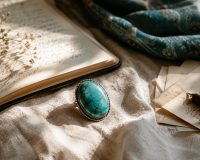
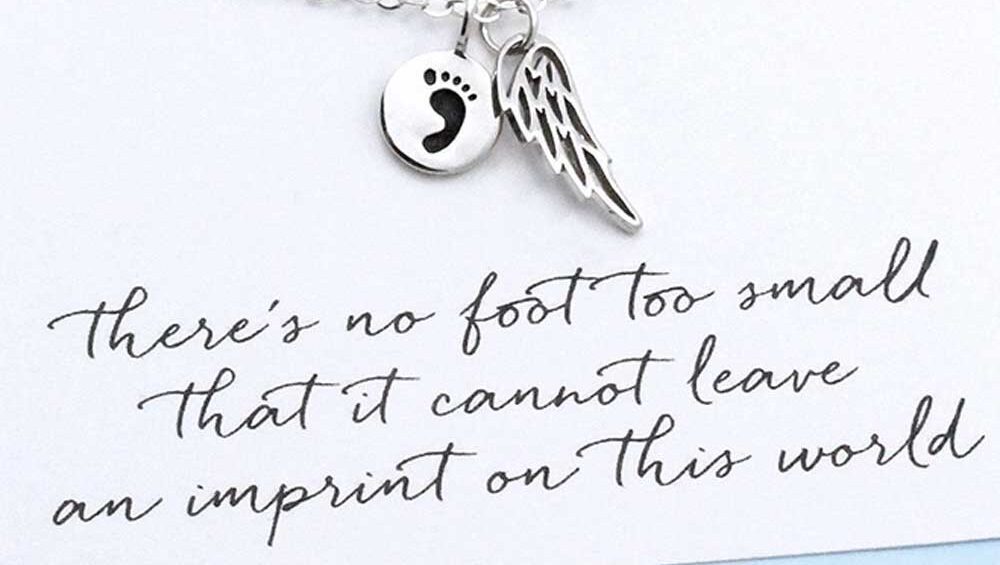
In the wake of loss and grief, finding solace and navigating the path to healing can be a personal journey. For many, keepsakes hold a special place in this process, serving as a tangible connection to our loved ones and a source of comfort in our darkest moments. In this article, we explore how jewelry becomes a powerful tool in the healing journey.
From lockets containing a tiny memento to custom-made charms that carry the essence of a cherished memory, jewelry becomes a tangible symbol of the love and connection we shared with those who have passed. It offers us a way to honor their memory, carry them close to our hearts, and find strength during difficult times.
But jewelry’s role in healing extends beyond sentimentality. Many believe in the therapeutic properties of certain gemstones, such as amethyst for peace and clarity or rose quartz for healing and love. Whether it’s the physical act of choosing and wearing a piece of jewelry or the emotional connection it provides, these keepsakes become an integral part of our grief journey.
Join us as we dive into the profound impact jewelry can have in helping us navigate the path of grief and find healing along the way.
The significance of jewelry in the grieving process
Jewelry has held a profound place in human culture for centuries, often serving as a symbol of connection and remembrance. In the context of grief, the significance of jewelry becomes even more poignant. When a loved one passes away, the world can feel unbearably empty, and the memories associated with them can seem fleeting. Jewelry acts as a tangible reminder of those cherished moments, allowing individuals to carry a piece of their loved one with them wherever they go. Wearing such pieces can provide a sense of comfort, turning the experience of loss into something that can be embraced and honored.
Moreover, the act of choosing and wearing jewelry can play a significant role in the grieving process. It becomes a ritual, a daily reminder of the bond shared with the deceased. Each time a person puts on a necklace, bracelet, or ring that belonged to or reminds them of their loved one, they are participating in a personal ceremony of remembrance. This act fosters a feeling of closeness, helping to alleviate feelings of isolation that often accompany grief. It transforms the mourning process from a solitary experience into one that acknowledges the ongoing presence of love.
Additionally, the emotional weight of jewelry can be deeply cathartic. Many people find that the simple act of touching or wearing a piece of jewelry associated with a loved one can evoke memories and emotions that facilitate healing. It can spark conversations about the deceased, allowing those in mourning to share stories and celebrate the life that was lived. In this way, jewelry serves not only as a personal memento but also as a bridge for connection with others who understand the depth of loss.
Types of jewelry commonly used for healing
When it comes to healing through jewelry, there are various types and styles that individuals may choose to incorporate into their grieving process. Lockets are perhaps one of the most traditional options, providing a small space to hold a photo or a tiny keepsake that represents the loved one. These necklaces can be worn close to the heart, serving as a constant reminder of the bond shared. The act of opening a locket to view the picture can evoke powerful memories and emotions, allowing the wearer to feel a sense of closeness to the departed.
Charm bracelets have also gained popularity as a form of grief jewelry. These bracelets allow individuals to add charms that represent significant moments or traits of the loved one. For example, a charm in the shape of a heart may symbolize the love shared, while a charm depicting a favorite hobby can remind the wearer of the joy the deceased brought into their lives. Each charm added can reflect a memory or emotion, making the bracelet a personalized tribute that grows over time.
In addition to lockets and charm bracelets, gemstone jewelry offers another layer of healing. Certain gemstones are believed to possess specific properties that can aid emotional healing. For instance, amethyst is often associated with peace and clarity, while rose quartz is linked to love and compassion. Wearing these stones can provide a sense of comfort and promote emotional balance during the tumultuous journey of grief. By choosing pieces that resonate with personal beliefs or feelings, individuals can create a meaningful connection to their healing process.
Personalizing jewelry for grief support
Personalization plays a crucial role in the healing power of jewelry during times of grief. Customizing a piece allows individuals to create a unique representation of their loved one, transforming a standard item into something profoundly meaningful. Engraving names, dates, or special messages onto jewelry can serve as a permanent reminder of the bond shared. These inscriptions can evoke memories and emotions, allowing the wearer to feel the presence of their loved one even in their absence.
Beyond engravings, incorporating specific elements that symbolize the deceased can enhance the personal connection. For instance, including birthstones, favorite colors, or jewelry motifs that reflect a loved one’s interests can create a deeply personal piece. This customization allows the jewelry to tell a story, making it a cherished item that embodies the essence of the person being remembered. By wearing such personalized jewelry, individuals can find comfort in the idea that their loved one is always with them in spirit.
Additionally, many jewelers now offer the option to create memorial pieces using ashes or hair of the deceased. This practice transforms the jewelry into a powerful keepsake that embodies the physical presence of the loved one. Whether it’s a pendant, ring, or bracelet, these items serve as a constant reminder of the connection that transcends physical absence. This level of personalization can be immensely healing, as it allows individuals to carry their loved ones with them in a tangible and meaningful way.
Stories of individuals who found solace through jewelry
The journey of grief is unique for each person, and the stories of individuals who have found solace through jewelry illustrate this diversity beautifully. One woman, Sarah, lost her mother unexpectedly and struggled to cope with the overwhelming sense of loss. In her search for comfort, she decided to create a charm bracelet that represented special memories shared with her mother. Each charm she added symbolized a cherished moment, from a tiny teapot for their shared love of tea to a charm shaped like a book to honor her mother’s passion for reading. Over time, the bracelet became a source of healing for Sarah, allowing her to reflect on the love and joy her mother brought into her life.
Another individual, Mark, chose to honor his late father by creating a customized ring that contained his father’s fingerprint. This unique piece of jewelry not only served as a daily reminder of his father but also became a conversation starter among friends and family. Mark found that sharing stories about his father’s life while wearing the ring helped him process his grief. It allowed him to keep his father’s memory alive while forging deeper connections with those who understood his loss.
A third story is that of Emily, who lost her partner to illness. In the midst of her grief, she discovered the therapeutic properties of gemstones and decided to create a necklace using specific stones that resonated with her emotions. The combination of rose quartz for love and amethyst for peace became her daily armor, helping her navigate the waves of sorrow and anxiety. Emily found solace not only in the beauty of the jewelry but also in the sense of empowerment it provided, reminding her that healing was a journey worth embracing.
The role of jewelry in memorializing loved ones
Jewelry serves as a powerful tool for memorializing loved ones, representing a physical manifestation of the emotional connection shared. When someone passes away, their presence can linger in the hearts and minds of those left behind, but jewelry provides a tangible reminder that can be worn and cherished. This act of memorialization allows individuals to honor the memory of their loved ones in a meaningful way, transforming grief into a celebration of life.
Creating memorial jewelry can take various forms, such as incorporating ashes into a piece or designing a ring that symbolizes a significant aspect of the deceased’s life. For instance, some individuals choose to have a piece crafted with their loved one’s birthstone, while others may opt for designs that reflect their loved one’s personality or passions. This personalization not only enhances the emotional connection but also serves as a source of comfort and strength during challenging times.
Moreover, wearing memorial jewelry can initiate conversations about the loved one who has passed. It provides an opportunity for individuals to share their stories and experiences, creating a supportive environment for discussing grief and healing. These conversations not only honor the memory of the deceased but also foster connections with others who may be experiencing similar losses. In this way, jewelry not only memorializes but also creates a community of remembrance and support.
Finding the right jewelry for healing and grief support
Choosing the right jewelry for healing and grief support is a deeply personal decision, as each individual’s journey through grief is unique. When selecting a piece, it’s important to consider what resonates on an emotional level. Some may find comfort in wearing something that belonged to their loved one, while others may prefer a new piece that captures the essence of their memories. Reflecting on the relationship shared with the deceased can guide the decision-making process, helping to identify what type of jewelry will provide the most solace.
Additionally, considering the symbolism associated with different types of jewelry can enhance the healing experience. For instance, a locket can serve as a reminder of closeness, while a charm bracelet allows for ongoing personalization. Individuals may also explore the healing properties of gemstones to find pieces that align with their emotional needs. Understanding what specific attributes are sought, whether it be peace, love, or strength, can help narrow down the options and lead to a more fulfilling choice.
Finally, it’s essential to choose jewelry that feels comfortable and wearable. Grief can manifest in various ways, and wearing jewelry that feels heavy or burdensome may not facilitate healing. Opting for pieces that are lightweight and easy to wear can help the individual feel more at ease as they navigate their grief. Ultimately, the right piece of jewelry will serve as a source of comfort, reminding the wearer of the love shared and the strength they possess as they move forward on their healing journey.
Jewelry care and maintenance for keepsakes
To ensure that keepsake jewelry remains a cherished part of one’s healing journey, proper care and maintenance are essential. Jewelry, especially pieces that bear significant emotional weight, should be treated with respect and care. Regular cleaning can help keep the jewelry looking its best while preserving its sentimental value. Depending on the material, gentle cleaning with a soft cloth or a mild solution can remove dirt and oils that accumulate over time, enhancing the piece’s beauty and longevity.
Storage is another critical aspect of jewelry care. It’s important to store keepsake jewelry in a safe and secure place, ideally in a padded box or a soft pouch to prevent scratches or damage. Keeping each piece separate can help avoid tangling or entanglement, especially for delicate chains and charms. Additionally, storing jewelry away from direct sunlight can prevent fading or discoloration, ensuring that the piece remains as vibrant as the memories it represents.
Lastly, individuals should be mindful of when and how they wear their keepsake jewelry. While it can be tempting to wear these pieces every day, certain activities may expose them to harsh conditions. Removing jewelry before engaging in activities such as swimming, exercising, or cleaning can help protect its integrity. By taking these simple precautions, individuals can ensure that their cherished keepsakes remain beautiful and meaningful for years to come, serving as a lasting reminder of love and connection.
Resources for finding grief support jewelry
Finding the right grief support jewelry can be a daunting task, but there are various resources available to assist individuals in their search. Online platforms and marketplaces specialize in memorial jewelry, offering a wide range of options from custom pieces to pre-designed items. Websites that focus on bereavement support often feature sections dedicated to grief jewelry, providing guidance and inspiration for those looking to honor their loved ones through meaningful keepsakes.
Local jewelers can also be a valuable resource. Many jewelers offer custom design services, allowing individuals to collaborate on pieces that truly reflect their unique memories and connections. Visiting a local jeweler can provide an opportunity to see materials and designs in person, making it easier to choose a piece that resonates on a personal level. Additionally, local support groups or counseling services may have recommendations for reputable jewelers who specialize in grief-related pieces.
Lastly, social media platforms and online communities can serve as a source of inspiration and support. Many individuals share their stories and experiences with grief support jewelry on platforms like Instagram and Pinterest. Following these accounts can provide ideas for designs and personalization options while connecting individuals with others who understand the journey of grief. By exploring these resources, individuals can find the perfect piece of jewelry to aid them on their path to healing.
Conclusion: Embracing the healing power of jewelry
In conclusion, the journey through grief is a deeply personal experience, and the role of jewelry in this process can be profoundly healing. From serving as tangible reminders of love to facilitating connections with others, keepsake jewelry provides comfort in times of sorrow. The significance of jewelry transcends mere aesthetics, becoming a symbol of resilience and the enduring bond shared with those who have passed.
As individuals navigate their own paths of healing, the options for grief support jewelry are vast and varied. From personalized pieces that reflect unique memories to gemstones that promote emotional balance, there is something for everyone. Embracing the healing power of jewelry allows individuals to honor their loved ones while finding solace in the memories they carry.
Ultimately, jewelry serves as a bridge between the past and the present, allowing individuals to carry their loved ones with them in a tangible way. By celebrating the lives of those who have impacted us deeply, we can transform grief into a celebration of love, connection, and resilience. In this journey, jewelry becomes not just an accessory but a cherished companion that nurtures healing and remembrance, guiding us toward a future filled with hope and love.
Shop Our Jewelry Collection
Discover our exquisite range of jewelry to complement your style:

Where softness, self-awareness, and emotional healing are allowed to coexist. Through reflective writing, grounding rituals, and intentional beauty, Sparrow Trades offers gentle support for sensitive souls learning to reconnect with themselves.