There’s a kind of magic in Middle Eastern jewelry—a pulse that beats with heritage, beauty, and mysticism. These aren’t just adornments. They’re heirlooms, whispers of ancestry, prayers wrapped in metal and stone. When we talk about gemstones used in Middle Eastern jewelry, we enter a realm where artistry and meaning fuse, where each sparkle tells a story handed down through centuries.
From ancient Persia’s opulent courts to bustling souks nestled between sand and sky, these gemstones have carried with them the strength of belief, the grace of craftsmanship, and the intimacy of tradition. This is more than jewelry—it’s identity worn close to the skin.
A History Cut in Stone
In the cradle of civilization, where empires rose and fell under the desert sun, gemstones held deep spiritual and societal power. Ancient Egyptians prized turquoise and lapis lazuli not just for their celestial hues but for their sacred protection. Across Mesopotamia, talismans crafted from agate and carnelian were believed to ward off evil and illness.
Later, Persian dynasties—lovers of opulence and poetry—elevated gemstones to new levels of refinement. The legendary Darya-i-Noor diamond in the Iranian crown jewels tells a tale of imperial grandeur that still glimmers today. And when the Silk Road breathed its multicultural lifeblood through the region, artisans welcomed new stones from India, Sri Lanka, and beyond—adapting styles but holding tightly to sacred traditions.
This wasn’t just ornamentation. It was cultural DNA.
The Most Revered Gemstones in Middle Eastern Jewelry
Middle Eastern jewelry doesn’t whisper—it speaks boldly through color, texture, and legacy. Let’s explore some of the most cherished stones and what they’ve come to represent:
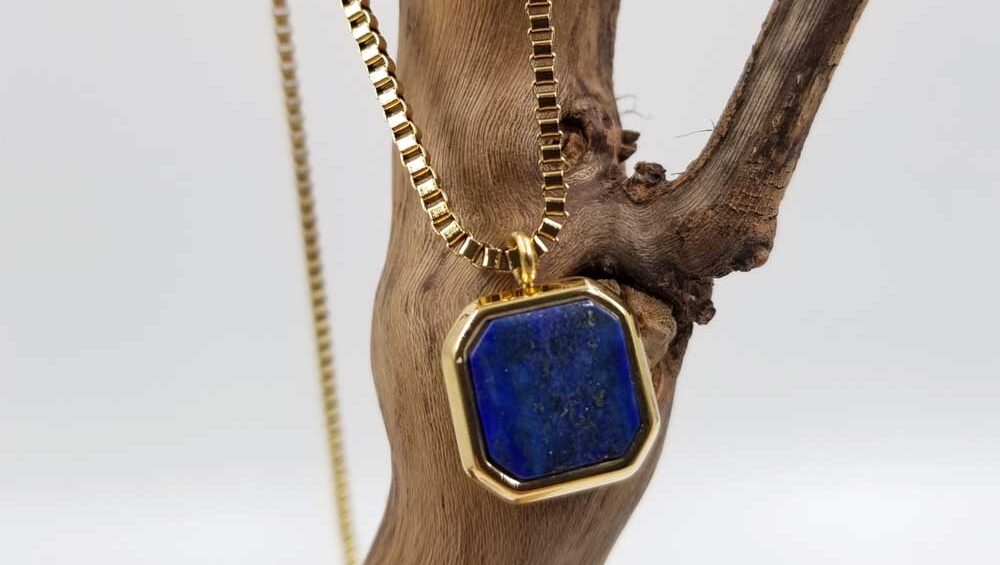
Lapis Lazuli: That deep, night-sky blue speckled with gold? It’s more than visual poetry. Lapis has long symbolized divine connection, worn by royalty and mystics alike.
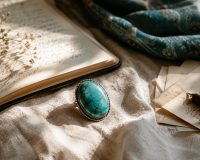
Turquoise: A protective force in pale green to ocean blue, turquoise has been etched into talismans for generations, guarding hearts and homes.
Ruby: The fiery red of rubies isn’t just for passion—it signals strength, leadership, and vitality. Often gifted during weddings or rites of passage.
Emerald: Associated with Venus, this green gem speaks of love, rebirth, and the calming of the soul.
Carnelian: A rich orange-red tied to courage and faith. It’s said the Prophet Muhammad wore a carnelian ring—its legacy endures in prayer beads and signet rings.
Agate: Used in religious amulets and rings, it is thought to ground the wearer and protect against jealousy and deceit.
Opal and Sapphire: Adored for their shifting hues and celestial beauty, they add modern flair to traditional designs.
Each gemstone is chosen not just for aesthetic reasons but because it holds meaning—emotional, spiritual, and cultural.
Craftsmanship That Transcends Time
Middle Eastern artisans are alchemists. Through jewelry techniques like filigree, inlay, and enamelwork, they transform metal and gemstone into stories. Gold threads are twisted like poetry. Powdered glass is melted into kaleidoscopic enamel. Tiny fragments of stones are embedded with impossible precision.
These techniques, passed down through families and apprenticeships, make each piece a living artifact—one that fuses soul with skill. Even today, these old-world methods anchor modern collections, offering continuity in a fast-moving world.
Modern Jewelry, Ancient Spirit
What’s remarkable is how gemstone jewelry from the Middle East keeps evolving. Today’s pieces may lean minimalist or be cast in bold, gender-neutral silhouettes, but the soul remains the same. Bespoke commissions are rising, with individuals choosing gemstones based on personal meaning rather than just fashion.
Ethically sourced stones and sustainable practices are also changing the landscape. Jewelers are choosing traceable, conflict-free gems and working with artisanal miners to protect heritage and human dignity.
We’re not just wearing stones. We’re choosing values.
Sacred Stones in Love and Legacy
Weddings across the Middle East continue to honor the gemstone’s symbolic weight. A ruby or emerald engagement ring may not just dazzle—it’s a wish for happiness, protection, and generational blessings. Bridal sets (parure) passed from mother to daughter are not just heirlooms; they’re love stories carved in stone.
In Persian ceremonies, turquoise jewelry is a beloved tradition, meant to shield couples from harm and bring serenity. The gemstones exchanged during these milestones serve as tangible expressions of love, resilience, and hope.
Caring for Jewelry That Carries a Legacy
Owning a piece of Middle Eastern gemstone jewelry means inheriting centuries of tradition. Protect it with care. Store pieces separately, clean them gently, and avoid direct sunlight and harsh chemicals. Take your heirlooms in for professional cleaning and inspection—these are not trends, they’re treasures.
When treated with love, gemstone jewelry doesn’t age—it evolves.
Where Heritage Meets Heart
In the end, gemstones used in Middle Eastern jewelry aren’t just mineral and metal. They are soul-stitched expressions of a people, of places, of prayers. They carry the richness of memory and the elegance of survival. And they remind us that beauty, when infused with meaning, becomes legacy.
At Sparrow Trades, we honor these traditions while walking our own path—curating collections that whisper stories, celebrate heritage, and connect hearts across cultures. Jewelry isn’t just what you wear. It’s who you are becoming.

Where softness, self-awareness, and emotional healing are allowed to coexist. Through reflective writing, grounding rituals, and intentional beauty, Sparrow Trades offers gentle support for sensitive souls learning to reconnect with themselves.
Jewelry Discovery: Explore Our Handpicked Insights
- Don’t Call Me Beautiful If You Don’t Respect Me
- Dazzling Beauty: Exploring Glass Beads as a Stunning Jewelry Material
- The Beauty of Nature & Craftsmanship: Exploring Wood as a Unique & Sustainable Jewelry Material
- Reclaiming Myself: Breaking Free from Emotional Chains
- Escaping the Breadcrumb Trail: Finding True Love Beyond the Games
- Discover the Allure and Versatility of Cuff Bracelets: A Fashion Statement That Never Goes Out of Style
- What Is Grounding Jewelry? A Guide to Energy, Balance, and Healing
- All That Glitters: Exploring the Brilliance of 14k Gold-Filled Jewelry