
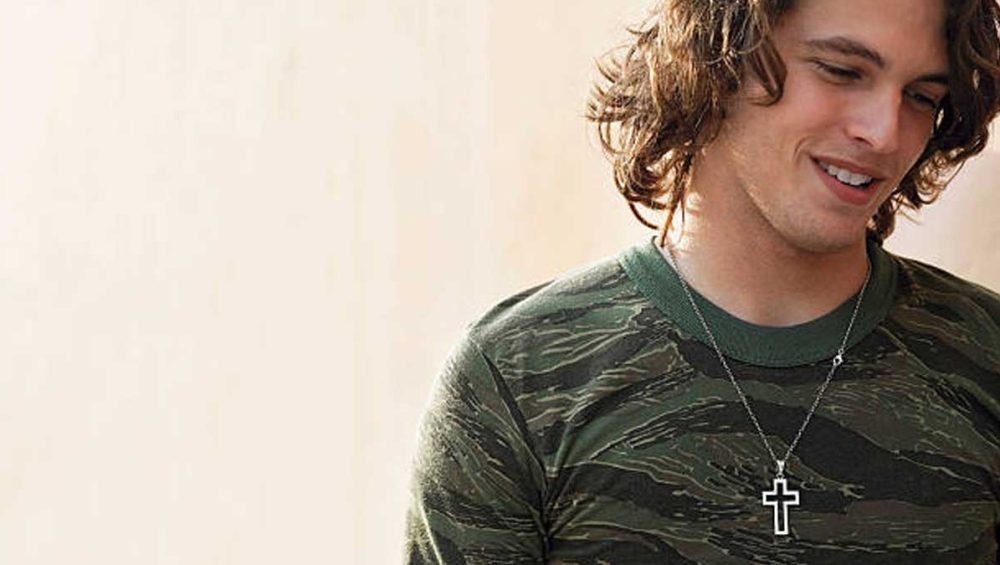
A cross necklace is rarely just a necklace.
For many men, it becomes a quiet companion — something worn close to the chest that carries faith, memory, grief, gratitude, hope, or a sense of identity that feels difficult to explain out loud. Some receive a cross necklace in childhood from a parent or grandparent. Some buy one for themselves after a season that changed them. Some wear one every day without speaking much about it, because the meaning feels too personal to perform. What matters is that the piece often holds more emotional weight than its size suggests.
That is part of the deeper human story behind jewelry itself. Across time, people have worn objects on the body not only for beauty, but for comfort, belonging, remembrance, and spiritual grounding. When you look closely at the long history of symbolism of jewelry, it becomes clear that adornment has always been tied to feeling as much as appearance. The pieces that stay with us usually do more than complete an outfit. They help us carry something invisible through visible form.
Men’s cross necklaces sit directly inside that tradition. They are simple enough for daily wear, recognizable across cultures, and emotionally durable in a way trend-driven accessories rarely are. A man may wear a cross because it reflects Christian devotion. Another may wear it because it reminds him of someone he loves. Another may reach for it during periods of uncertainty because the act of touching the pendant helps him feel steadier, calmer, or less alone. Sometimes the meaning is overtly religious. Sometimes it is more private than that. Sometimes it changes with time.
That changing meaning matters. A necklace that once represented family tradition can later become a symbol of personal conviction. A gift given at a spiritual milestone can slowly become part of someone’s nervous-system landscape — a familiar object that signals safety, continuity, and inner orientation. In that sense, many men’s cross necklaces live in the same emotional world as protective jewelry meaning: the desire to wear something that does not merely decorate the body, but supports the person living inside it.
Cross necklaces also belong to a much wider universe of wearable symbolism. Even when a cross is made only of silver, steel, or gold, it still shares space with traditions shaped by types of jewelry, material meaning, ritual use, and personal intention. Some men choose a plain cross because they want quiet simplicity. Others are drawn to engraved or stone-set pieces because they want the necklace to feel more ceremonial, historical, or expressive. Neither instinct is shallow. Both reflect the basic human need to make meaning tangible.
That is why men’s cross necklaces continue to matter. They are not loud. They do not require explanation. But for the person wearing one, they can become a gentle reminder of belief, character, endurance, or love. They can mark where someone comes from, what someone survived, or what someone is still trying to hold onto with tenderness and integrity.
And that is also why choosing one often feels more intimate than people expect.
The Meaning Behind Men’s Cross Necklaces
The most obvious meaning of a cross necklace is religious faith. For Christian men, the cross can represent the life of Jesus, sacrificial love, forgiveness, humility, and spiritual belonging. Worn daily, it can serve as a quiet reminder of how someone wants to live, what values they want to return to, and where they place their trust when life feels uncertain.
But meaning is rarely limited to one layer. Jewelry often gathers significance by staying close to the body through ordinary life. A cross necklace may begin as a religious symbol, then become intertwined with memory — a father’s gift, a baptism present, a graduation token, a piece worn through military service, illness, recovery, fatherhood, or grief. Over time, the necklace can stop feeling like an accessory and start feeling like part of the wearer’s emotional architecture.
That kind of attachment is not sentimental weakness. It is part of how humans regulate meaning. When life is overwhelming, people often hold onto tangible objects that help them remember who they are. A cross necklace can become that kind of anchor. Touching it during a stressful conversation, a long drive, a hospital visit, or a moment of prayer can offer a small but real sense of steadiness. The symbol does not erase pain, but it can hold a person in contact with what matters most while pain is present.
This is one reason crosses are often understood alongside protection jewelry. Not because the necklace magically prevents hardship, but because it can help the wearer feel spiritually held, morally centered, or emotionally accompanied. In a world that often rewards emotional numbness, meaningful jewelry can quietly restore contact with the inner life.
For some men, the cross also carries broader symbolic meaning beyond formal religion. It may represent sacrifice, courage, redemption, moral clarity, or the intersection between suffering and hope. A necklace worn for those reasons still belongs to the wider landscape of gemstone meanings, symbolic materials, and spiritually resonant adornment. People do not only wear what looks good. They wear what feels true.
That truth may be inherited, chosen, rediscovered, or slowly rebuilt after difficult seasons. Sometimes a man returns to wearing a cross after years away from faith. Sometimes he starts wearing one after losing someone and needing a reminder that love continues to shape him. Sometimes he simply knows that something in him softens when the necklace is there.
The meaning, then, is not only in the symbol. It is also in the relationship the wearer forms with it.
Popular Styles of Men’s Cross Necklaces
The emotional power of a cross may be timeless, but the style of the necklace still matters because form shapes feeling. The right design changes how the piece lives on the body and how naturally it fits into daily life.
Some men prefer minimal cross necklaces: clean lines, simple metal, modest scale, and a chain that disappears under a shirt when needed. These pieces tend to feel deeply personal. They are easy to wear every day and often appeal to men who want the necklace to be present without being performative. A simple silver or stainless-steel cross can feel calm, grounded, and enduring.
Others feel more drawn to bold or traditional designs. A crucifix with detailed figures, a larger pendant with engraved texture, or a heavier chain can make the necklace feel ceremonial, historical, and visibly rooted in devotion. These styles may resonate with men who want the symbolism to be unmistakable — not as a display of superiority, but as an honest expression of identity.
Material choice changes the emotional tone too. Stainless steel often feels durable, understated, and practical. Sterling silver can feel classic and versatile. Gold crosses may carry warmth, tradition, and a sense of inheritance. Blackened metals can feel modern and protective. A piece’s finish, weight, and texture all shape how intimate or expressive it feels when worn.
Some cross necklaces also include stones. While not every man wants gemstone accents, others are drawn to the added symbolism. A cross set with deep purple may echo associations linked to amethyst, which many people connect with calm, reflection, and spiritual clarity. A warmer golden accent may call to mind citrine, often associated with confidence and light. Rich blue detailing may evoke lapis lazuli, a stone long tied to truth and inner vision.
Even if a man chooses a plain metal cross, those traditions still matter because they show how often jewelry has been used to express inner qualities through outer materials. That is part of the reason cross necklaces sit naturally beside gemstone jewelry in a broader jewelry ecosystem: both categories speak to the human desire for pieces that carry more than surface beauty.
There are also many cross forms themselves — Latin crosses, Celtic crosses, crucifixes, geometric modern crosses, and softened minimalist silhouettes. A man’s preference often reflects the kind of meaning he wants the piece to hold. Traditional styles may feel rooted in heritage. Minimalist forms may feel quietly contemporary. The best style is not the one that looks most impressive in isolation. It is the one that allows the wearer to feel most like himself.
How to Choose the Right Cross Necklace for Men
Choosing a cross necklace is often less about finding the objectively best piece and more about noticing which one creates recognition in the body. Some jewelry looks nice but feels distant. Other jewelry creates an immediate sense of rightness — as though the piece belongs in your life before you can explain why.
That feeling deserves to be trusted.
Start with wearability. If the necklace will be worn daily, comfort matters as much as symbolism. Chain length affects whether the pendant sits close to the collarbone or lower on the chest. Pendant size affects whether it feels subtle or visually present. Men who are new to jewelry often feel most comfortable beginning with a moderate chain and a cross that has enough definition to feel meaningful without becoming cumbersome.
Next, consider material. Stainless steel is durable and low-maintenance, which makes it a strong choice for everyday wear. Sterling silver offers a classic look with a softer visual presence. Gold can feel deeply traditional and may suit milestone gifts or family heirlooms. None of these materials is inherently more meaningful than the others. Meaning comes from relationship, not price.
Then ask a quieter question: what do you want the necklace to hold for you?
Some men want a cross that feels plainly devotional. Some want one that feels protective. Some want a piece that bridges spirituality and style without feeling flashy. Others want a giftable necklace that can mark a transition, like a birthday, confirmation, wedding, recovery anniversary, or fatherhood milestone. Once that emotional purpose becomes clear, the design decision often gets easier.
That same instinct shapes how people choose symbolic stones and calming pieces. A man who feels drawn toward darker, grounding materials may also resonate with the emotional symbolism behind black tourmaline for protection. Someone who prefers a more contemplative spiritual tone may be drawn to a piece that visually echoes or pairs well with amethyst necklaces. The point is not to force meanings together. It is to notice that jewelry choices often arise from the same inner need for steadiness, truth, and coherence.
As you choose, it can also help to reflect on cross necklace meaning, because not every wearer relates to the symbol in the same way. Some men want the necklace to feel inherited and timeless. Some want it to reflect a personal recommitment. Some simply want something beautiful that lets faith or reflection remain close without constant explanation.
The right necklace will usually feel both wearable and emotionally congruent. It should fit the body, but it should also fit the life.
How Men’s Cross Necklaces Fit Into Everyday Life
The reason certain necklaces last for years is not only that they are well made. It is that they adapt to ordinary life without losing significance. A cross necklace can be worn to church, work, dinner, travel, grief rituals, family celebrations, and quiet mornings at home. The piece becomes part of the wearer’s rhythm, absorbing meaning through repetition.
That daily repetition is often where the emotional bond deepens. Jewelry that stays on through routine becomes part of the body’s sense of continuity. During seasons of stress, that matters. Familiar sensory anchors — the weight of a chain, the cool touch of metal, the movement of a pendant against the chest — can become unexpectedly regulating. A meaningful necklace may not solve overwhelm, but it can create a subtle thread of self-contact when someone feels scattered.
Because of that, styling matters less than many people assume. The necklace does not need to dominate an outfit to feel important. In fact, many men prefer quiet styling that lets the piece remain integrated rather than performative. A simple cross with a plain tee, button-down, sweater, or jacket often feels more honest than something overly arranged. If a man wants more clarity around that balance, reflecting on how to style cross necklaces for men can help him think about proportion, chain length, necklines, and visual tone without losing the emotional heart of the piece.
There is also value in understanding the broader shape of the category. Looking at types of cross necklaces can make it easier to distinguish between minimalist crosses, crucifixes, vintage-inspired designs, and statement pieces. Sometimes the right necklace has been hard to find simply because the wearer did not yet have language for what he was drawn to.
And for men who feel moved by continuity and tradition, there can be something powerful about reconnecting with history of cross necklaces. Knowing that men across centuries have worn similar symbols through devotion, danger, longing, and hope can make the necklace feel less like an isolated purchase and more like participation in an old human practice of carrying meaning close.
When that happens, everyday wear stops feeling casual. It starts feeling quietly sacred.
Frequently Asked Questions About Men’s Cross Necklaces
Why do men wear cross necklaces?
Men wear cross necklaces for many reasons, including faith, family tradition, remembrance, protection, and personal identity. For some, the cross is a direct expression of Christian belief. For others, it is a private reminder of values like courage, sacrifice, humility, or hope. A cross necklace can also become emotionally significant because it was given during an important life moment or worn through a difficult season.
Are men’s cross necklaces only for religious people?
No. While the cross is deeply rooted in Christianity, not every man who wears a cross necklace relates to it in the same way. Some wear it as an expression of faith, while others wear it for family, heritage, symbolism, or a sense of inner grounding. The meaning can be religious, spiritual, emotional, or deeply personal.
What chain length is best for a men’s cross necklace?
Most men’s cross necklaces are worn on chains between 20 and 24 inches. A 20-inch chain usually sits near the collarbone and feels subtle for everyday wear. A 22-inch chain is one of the most versatile options because it gives the pendant a little more presence without feeling too long. The best length depends on body frame, style preference, and whether the necklace will be worn over or under clothing.
What materials are best for men’s cross necklaces?
Stainless steel, sterling silver, and gold are the most common choices. Stainless steel is durable and practical for daily wear. Sterling silver offers a classic and timeless look. Gold can feel traditional, warm, and heirloom-like. The best material depends on how often the necklace will be worn, the wearer’s style, and the emotional tone they want the piece to have.
Can men wear cross necklaces with other jewelry?
Yes. Men often wear cross necklaces with watches, rings, or bracelets, especially when the overall styling remains balanced. A cross necklace usually carries enough visual and symbolic weight on its own, so pairing it with a few simple pieces often feels more natural than over-accessorizing. The goal is not to compete with the cross, but to let it remain the emotional center of the look.
How do you choose the best men’s cross necklace?
The best men’s cross necklace is the one that feels both comfortable and meaningful. Consider chain length, pendant size, material, and how the piece fits your daily life. It can also help to reflect on best cross necklaces for men if you want a clearer sense of quality, style, and gifting options. In the end, the right piece usually feels emotionally aligned as much as visually appealing.
Conclusion
A men’s cross necklace may be simple in form, but it often carries a life’s worth of meaning.
It can represent faith without needing performance. It can hold memory without needing explanation. It can become a steady, familiar presence through seasons of uncertainty, love, grief, recovery, responsibility, and growth. That is part of what makes the piece endure. Long after trends shift, the necklace remains because its value is not only aesthetic. It is relational.
For some men, wearing a cross is an act of devotion. For others, it is an act of remembrance. For many, it is both. The necklace sits close to the heart not by accident, but because that is where people tend to keep what matters most.
If you are choosing one for yourself or for someone you love, it helps to remember that the best piece is rarely the loudest. It is the one that feels emotionally honest, physically wearable, and quietly true to the person who will carry it. When a necklace meets someone at that level, it stops being just jewelry.
It becomes part of how they move through the world.

Where softness, self-awareness, and emotional healing are allowed to coexist. Through reflective writing, grounding rituals, and intentional beauty, Sparrow Trades offers gentle support for sensitive souls learning to reconnect with themselves.