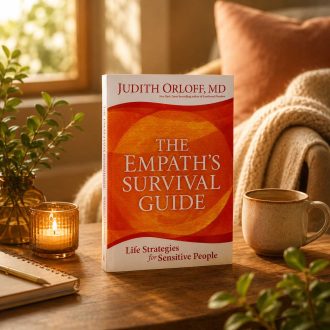

Some people feel deeply. Others analyze everything. But a melancholic empath? They do both—intensely.
If you’ve ever felt emotions so profoundly that they shape your entire perspective…
If you’ve picked up on unspoken truths, sensing what others don’t say…
If you’ve spent your life questioning everything—your purpose, the world, human nature…
Then you might be a melancholic empath.
This rare and complex personality type blends melancholic introspection with empathic intuition, creating individuals who not only feel the weight of the world but also spend endless hours trying to understand it. They absorb emotions, sense patterns, and often see through illusions others miss. But with this deep awareness comes challenges—overthinking, emotional exhaustion, and struggles with feeling misunderstood.
In this guide, we’ll explore the traits, strengths, and struggles of melancholic empaths, how they navigate relationships, and most importantly, how they can thrive. If you’ve ever felt like you see the world differently, like you carry emotions that aren’t always yours, this article is for you.
And at the heart of this journey, there’s a truth: Your depth is not a burden. It’s a gift.
What is a Melancholic Empath?
A melancholic empath is someone who combines the deep, analytical nature of the melancholic temperament with the heightened sensitivity and intuition of an empath. This means they don’t just feel emotions—they absorb them. They don’t just think deeply—they analyze every detail.
Key Traits of a Melancholic Empath:
✅ Deep Emotional Sensitivity – Feels emotions intensely, both their own and others’.
✅ Highly Intuitive – Can sense unspoken truths, emotional shifts, and sometimes even future outcomes.
✅ Introspective & Analytical – Constantly questioning, overanalyzing, and reflecting on life’s complexities.
✅ Empathic to the Extreme – Absorbs the emotions of others, often carrying burdens that aren’t theirs.
✅ Drawn to Meaningful Work – Craves purpose, often finding fulfillment in creative or healing fields.
✅ Struggles with Feeling Misunderstood – Often feels isolated, disconnected, or “different” from those around them.
✅ Attracts Complex Relationships – May be drawn to emotionally unavailable or toxic people due to their nurturing nature.
Unlike a typical melancholic, they are not just deep thinkers—they are deep feelers. Unlike a standard empath, they don’t just absorb emotions—they internalize and analyze them to the point of exhaustion.
How Does a Melancholic Empath Compare to Other Empaths?
While many people identify as empaths, melancholic empaths experience the world differently.
- More Analytical: Unlike highly emotional empaths, they overthink and overanalyze every interaction.
- Struggles with Self-Doubt: They don’t just feel things—they question if they should feel them.
- More Prone to Existential Crises: They are deeply introspective and constantly question the meaning of life and human nature.
How Rare Is a Melancholic Empath?
Melancholic empaths are one of the rarest personality types because they combine two uncommon traits:
- Melancholic temperament – Found in only a small percentage of people, melancholics are deep thinkers, introspective, and highly analytical.
- Empathic ability – While many people have empathy, true empaths—who absorb others’ emotions as if they were their own—are much rarer.
This combination makes melancholic empaths particularly unique. While exact statistics don’t exist, psychologists estimate that less than 5% of the population may fit this profile.
Why so rare?
- Most people lean toward either deep introspection (melancholic) or emotional absorption (empath).
- A true melancholic empath feels deeply but also dissects emotions, which is an unusual cognitive and emotional mix.
This rarity often leads melancholic empaths to feel misunderstood, isolated, or “different.” But the truth is, their unique wiring is what allows them to see and feel the world in extraordinary ways.
How Do You Become a Melancholic Empath?
Is being a melancholic empath something you’re born with, or does it develop over time? The answer is: a mix of both.
Nature: A Deeply Wired Personality
Some people are naturally predisposed to high emotional sensitivity and introspection from birth. They may have always been:
✔ Overly aware of other people’s emotions.
✔ Deeply analytical and lost in thought.
✔ More affected by art, music, and energy than others.
Nurture: Life Experiences Shape Sensitivity
Certain life experiences can heighten empathic and melancholic traits, especially if someone:
✔ Grew up in a toxic or emotionally unstable household, leading them to be hyper-aware of others’ emotions for self-protection.
✔ Experienced deep emotional pain, loss, or trauma, which made them more introspective.
✔ Learned from a young age to read people deeply—because they had to.
Can You Become a Melancholic Empath Later in Life?
While the core traits are usually innate, people can develop stronger empathic and melancholic tendencies over time, especially through:
- Spiritual Awakening – A deep transformation that increases emotional sensitivity and awareness.
- Trauma & Healing – Healing from emotional wounds can make someone more introspective and empathic.
- Personal Growth & Self-Discovery – Some people discover their melancholic empathic nature later in life after years of self-reflection.
The bottom line? Melancholic empaths are both born and made. Some come into the world with this unique depth, while others develop it through life’s experiences.
Strengths & Challenges of a Melancholic Empath
Strengths
✔ Profound Emotional Intelligence – Can read people, situations, and energy with incredible accuracy.
✔ Deep Thinkers – Always analyzing the bigger picture and seeking truth.
✔ Highly Creative – Finds emotional expression through art, writing, music, or other creative outlets.
✔ Truth Seekers – Can see through lies, manipulation, and false narratives.
✔ Incredibly Loyal & Compassionate – Gives their whole heart in relationships and friendships.
Challenges
❌ Emotional Exhaustion – Absorbing and analyzing emotions can be overwhelming.
❌ Overthinking Everything – May struggle with indecision or self-doubt.
❌ Attracting Narcissists & Energy Vampires – Often drawn to people who take more than they give.
❌ Feeling Lonely or Misunderstood – Struggles to find people who truly “get” them.
❌ Setting Boundaries – Tends to put others’ needs ahead of their own.
Learning to balance their strengths and challenges is essential for thriving as a melancholic empath.
Melancholic Empaths & Relationships
For melancholic empaths, relationships are intense, meaningful, and often overwhelming. They crave deep emotional connections but can struggle when their partner doesn’t meet them at the same level.
How a Melancholic Empath Loves
💛 Deep & Soulful Connection – They crave emotional intimacy and meaningful conversations.
💛 Highly Loyal & Devoted – When they love, they love deeply and unconditionally.
💛 Protective & Nurturing – They instinctively care for and support their partner.
💛 Intuitive & Perceptive – They sense unspoken emotions and unexpressed thoughts.
Common Relationship Struggles
💔 Attracting Emotionally Unavailable Partners – Their nurturing nature often draws in people who take without giving back.
💔 Overthinking & Anxiety – They analyze every word, text, and action, sometimes creating unnecessary doubts.
💔 Emotional Burnout – If their partner is closed off, they end up carrying all the emotional weight.
Best Match for a Melancholic Empath
✔ Someone emotionally available and communicative.
✔ Someone who respects their depth and doesn’t dismiss their emotions.
✔ Someone who values deep, meaningful connections.
How to Thrive as a Melancholic Empath
To thrive, melancholic empaths need to protect their energy and nurture their own well-being:
✨ Set Boundaries – Avoid emotional drain by protecting your personal space.
✨ Creative Outlets – Use art, writing, or music to process emotions.
✨ Mindfulness & Spirituality – Practices like meditation or journaling can help balance emotions.
✨ Find Like-Minded People – Connect with others who share similar depth and emotional intelligence.
Melancholic Empaths & Narcissists: A Toxic Attraction
Many melancholic empaths find themselves in relationships with narcissists—drawn to the idea of “healing” them. But this dynamic leads to emotional depletion.
🚩 Warning Signs of a Narcissist:
- Minimizes your emotions.
- Makes you feel guilty for setting boundaries.
- Gaslights you, making you question your reality.
The key to breaking free? Recognizing your worth and learning to walk away.
The Healing Journey: Moving Forward
Healing as a melancholic empath involves:
💖 Letting Go of Toxic Ties – Recognizing when a relationship is draining you.
💖 Prioritizing Self-Care – Making yourself a priority, not just others.
💖 Finding Strength in Sensitivity – Embracing your emotional depth as a superpower.
Sparrow Trades: A Symbol of Strength & Transformation
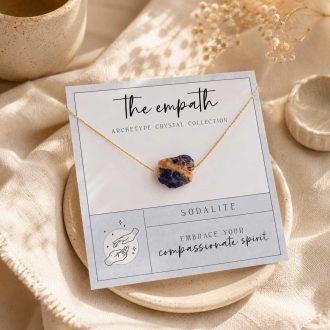
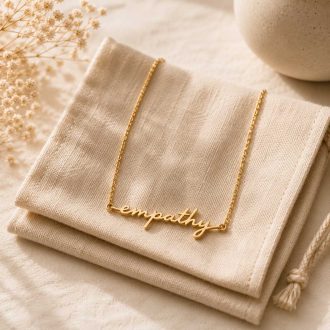
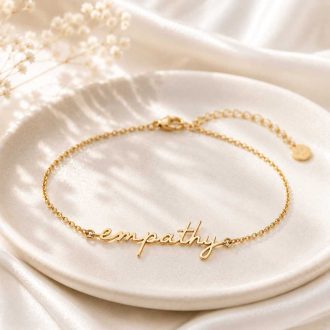
At Sparrow Trades, we believe that jewelry is more than an accessory—it’s a reflection of your journey, resilience, and transformation. Just as gemstones are formed under pressure, melancholic empaths are shaped by their experiences.
Our handcrafted pieces are curated for soulful individuals who embrace their depth and seek meaning in everything they wear. Whether it’s a piece symbolizing protection, healing, or empowerment, our jewelry is a reminder that your sensitivity is your strength.
Final Thoughts
Being a melancholic empath is both a challenge and a gift. But once you embrace your depth, protect your energy, and build meaningful connections, you can thrive in a world that often misunderstands you.
Where softness, self-awareness, and emotional healing are allowed to coexist. Through reflective writing, grounding rituals, and intentional beauty, Sparrow Trades offers gentle support for sensitive souls learning to reconnect with themselves.
Jewelry Discovery: Explore Our Handpicked Insights
- The Ultimate Guide to Caring for Your Necklaces: Expert Tips for Long-Lasting Beauty and Shine
- Blooming Beauty: Exploring the Timeless Elegance of Floral Motifs in Jewelry
- Pearls: The Perfect Jewelry Material for Your Elegance and Timeless Beauty
- Shine Bright All Day: Unleashing the Power of Daytime Jewelry Looks