
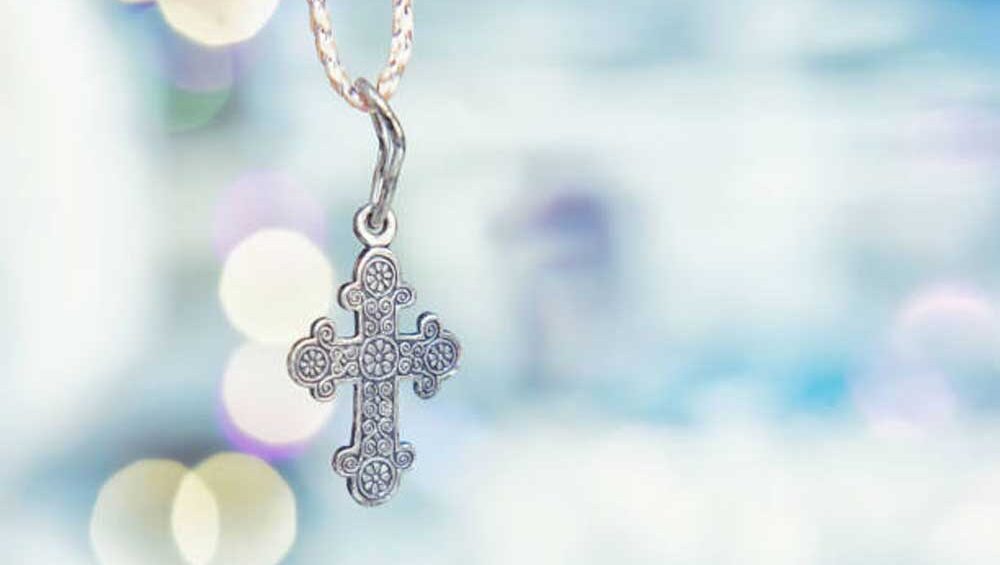
Religious motifs in jewelry have long held a captivating allure, and rightly so. They are symbolic expressions of spirituality and serve as personal reminders of one’s beliefs. In this exquisite collection of jewelry, we dive deep into the divine world of religious motifs. Each piece is a testament to the craftsmanship and devotion that goes into creating these wearable works of art.
From delicate pendants adorned with religious symbols to intricately designed bracelets featuring religious figures, the beauty and significance of these pieces are undeniable. Whether it’s a cross, a crescent moon, or an om symbol, each motif tells a unique story and carries profound meaning.
But religious jewelry is not limited to a particular faith or culture. It transcends borders and unites people in their shared beliefs. It serves as a tangible representation of faith, offering solace, protection, and a deep connection to the divine.
Join us as we explore the splendor and spirituality of religious motifs in jewelry. Discover the symbolism behind each piece and how they can serve as powerful reminders of the divine sparkle within us all.
Historical significance of religious motifs in jewelry
The history of religious motifs in jewelry is as old as civilization itself. From ancient times, people have adorned themselves with symbols that reflected their beliefs and values. In many cultures, jewelry served as a form of protection against evil spirits, a practice deeply rooted in spirituality. For instance, the ancient Egyptians created amulets bearing religious symbols to safeguard the wearer in the afterlife, believing that these items would provide divine protection. These early forms of jewelry not only held decorative purposes but also served as talismans, connecting the physical realm to the spiritual one.
As societies evolved, so did the complexity and diversity of religious motifs in jewelry. In medieval Europe, for example, Christian symbols such as the cross and the fish became popular among the faithful. These motifs were often crafted from precious materials, making them not only significant religious artifacts but also status symbols. Similarly, in the Islamic world, intricate designs featuring calligraphy and geometric patterns emerged as a means to express faith, while avoiding direct representation of divine figures. This melding of artistry and spirituality showcased the profound respect cultures have for their beliefs, which is reflected in their jewelry.
In the 19th and 20th centuries, the revival of interest in religious motifs gained momentum, particularly during the Arts and Crafts Movement. Jewelers sought to create pieces that were not only beautiful but also imbued with meaning. The popularity of religious motifs surged, as they provided a sense of identity and connection to one’s heritage. Today, these historical influences continue to inspire contemporary designers, merging traditional symbolism with modern aesthetics. The enduring legacy of religious motifs in jewelry reminds us of the powerful relationship between art, culture, and spirituality throughout human history.
Symbolism and meaning behind popular religious motifs in jewelry
Religious motifs in jewelry carry deep symbolism that resonates with the wearer’s faith and beliefs. One of the most recognized symbols is the cross, which represents the sacrifice of Jesus Christ in Christianity. It serves as a powerful reminder of faith, hope, and redemption. Jewelry featuring the cross often takes on various forms, from simple pendants to elaborate designs adorned with gemstones. Each piece serves as a personal testament to the wearer’s devotion and connection to their spiritual journey.
Another prominent motif is the Star of David, a symbol of Judaism that represents the connection between God and humanity. This six-pointed star has deep historical roots and is often incorporated into necklaces, rings, and bracelets. For many Jewish individuals, wearing the Star of David is a way to express their identity and heritage, fostering a sense of community and belonging. The symbol’s geometric design also reflects the balance between the physical and spiritual realms, making it a meaningful choice for those who wish to embody these ideals.
In Hinduism, the Om symbol is a sacred sound and spiritual icon representing the essence of the universe. Jewelry featuring the Om symbol serves as a reminder of one’s spiritual journey and the interconnectedness of all life. It is not uncommon to see this motif used in bracelets and pendants, often crafted from natural jewelry materials such as wood or gemstones. The significance of the Om symbol transcends its aesthetic appeal, resonating deeply with those who seek mindfulness and tranquility in their lives.
Cultural diversity and religious motifs in jewelry
The beauty of religious motifs in jewelry lies in their cultural diversity, reflecting the rich tapestry of beliefs around the world. Each culture has its unique symbols and interpretations, showcasing the universal quest for meaning and connection to the divine. For instance, in Buddhism, the lotus flower is a prevalent motif, symbolizing purity, enlightenment, and rebirth. Jewelry featuring the lotus often serves as a reminder of one’s spiritual path and the importance of rising above challenges, much like the flower emerges beautifully from murky waters.
Similarly, Native American jewelry often incorporates elements of nature and spirituality, using symbols such as the thunderbird or the dreamcatcher. These motifs represent protection, strength, and the interconnection of all living things. Each piece of jewelry tells a story, honoring ancestral traditions and beliefs. The craftsmanship involved in creating such pieces also reflects the deep respect for nature and spirituality that defines Native American culture.
In Africa, religious motifs often incorporate beadwork and vibrant colors, with each pattern and color holding specific meanings related to spirituality and community. For example, the Maasai people use beaded jewelry to express their spiritual beliefs and social status. Each piece is a celebration of cultural identity and heritage, connecting the wearer to their roots. This diversity in religious motifs across cultures highlights the profound impact of spirituality on human creativity and the desire to express one’s beliefs through art.
Contemporary interpretations of religious motifs in jewelry
The modern jewelry landscape has seen a resurgence of interest in religious motifs, with contemporary designers reinterpreting traditional symbols in innovative ways. This evolution reflects a growing desire for personalization and self-expression, allowing individuals to connect with their spirituality in a manner that resonates with their contemporary lifestyles. For instance, minimalist designs featuring subtle religious symbols have gained popularity, appealing to those who prefer understated elegance while still honoring their beliefs.
Moreover, the rise of ethical and sustainable jewelry has influenced the way religious motifs are crafted and marketed. Many contemporary designers prioritize using ethically sourced materials and traditional craftsmanship techniques, ensuring that each piece has a story behind it. This approach not only honors the spiritual significance of the motifs but also aligns with the values of modern consumers who seek authenticity and integrity in their purchases.
Additionally, technological advancements have opened up new avenues for creativity in jewelry design. 3D printing and laser cutting allow for intricate designs that were once impossible to achieve by hand. Many designers are now exploring the intersection of technology and spirituality, creating pieces that combine traditional motifs with modern aesthetics. This fusion of old and new enhances the appeal of religious jewelry, making it relevant to a younger audience while preserving its rich cultural heritage.
Materials and techniques used in creating religious motif jewelry
The materials and techniques used in crafting religious motif jewelry play a crucial role in enhancing the beauty and significance of each piece. Traditionally, precious metals such as gold, silver, and platinum have been the primary materials for jewelry making, symbolizing purity and value. These metals are often intricately designed with religious symbols, adding to the aesthetic and spiritual appeal. Additionally, gemstones are frequently incorporated into these designs, with each stone carrying its own meaning. For example, amethyst is associated with spiritual growth, while turquoise is believed to offer protection.
Artisanal techniques also contribute to the uniqueness of religious jewelry. Many artisans employ traditional methods passed down through generations, such as hand-hammering and filigree work. These jewelry techniques not only enhance the craftsmanship but also imbue each piece with a sense of history and cultural significance. For instance, the intricate designs often found in Islamic jewelry are created using techniques such as engraving and enamel work, which require great skill and patience.
In recent years, there has been a growing interest in alternative materials for creating religious motif jewelry. This includes the use of sustainable materials like recycled metals, ethically sourced stones, and even organic materials such as wood and bone. These eco-friendly approaches resonate with conscious consumers who appreciate the spiritual and environmental implications of their jewelry choices. As designers continue to innovate, the fusion of traditional craftsmanship and modern materials leads to a diverse range of religious jewelry that honors both the past and the future.
How to style and wear religious motif jewelry
Styling and wearing religious motif jewelry can be a deeply personal experience, reflecting one’s beliefs and sense of self. The key to successfully integrating these pieces into your wardrobe is to consider the overall aesthetic and message you wish to convey. Layering is a popular trend that allows individuals to mix and match different religious motifs, creating a unique and personalized look. For example, pairing a delicate cross pendant with a beaded bracelet featuring the Om symbol can create a harmonious blend of faith expressions.
When it comes to color and material, consider how the jewelry complements your overall outfit. Gold and silver religious motifs can elevate a casual look, while more colorful pieces can add a playful touch to your attire. Be mindful of the occasion as well; while bold, statement pieces may be suitable for social gatherings, delicate designs might be more appropriate for everyday wear or spiritual practices. The versatility of religious jewelry makes it easy to adapt to various styles and settings.
Finally, wearing religious motif jewelry can serve as a conversation starter, allowing you to share the significance of the symbols you choose. Whether it’s a cherished family heirloom or a newly acquired piece, expressing the stories behind your jewelry can foster connections with others who share similar beliefs or interests. Ultimately, styling and wearing religious motif jewelry is about embracing your spirituality and expressing your identity through meaningful adornments.
Ethical considerations when purchasing religious motif jewelry
In today’s world, ethical considerations are paramount when it comes to purchasing jewelry, particularly those featuring religious motifs. As consumers become increasingly aware of the environmental and social implications of their purchases, the demand for ethically sourced and produced jewelry has risen. It is essential to research brands and designers to ensure that their practices align with your values. Look for certifications that indicate responsible sourcing of materials, such as Fair Trade or recycled metals, which demonstrate a commitment to ethical standards.
Additionally, supporting local artisans and small businesses can enhance the ethical aspect of your jewelry purchases. Many artisans create religious motif jewelry using traditional techniques, ensuring that their craftsmanship is respected and valued. By choosing to buy from these makers, you not only support their livelihoods but also contribute to the preservation of cultural heritage. This direct relationship between consumer and artisan fosters a sense of community and authenticity in the jewelry market.
Furthermore, it is important to consider the cultural sensitivity surrounding religious motifs. Avoid purchasing items that may appropriate or misrepresent a particular faith or culture. Engaging with the stories and meanings behind the symbols can help in making informed decisions and respecting the significance of the pieces you choose to wear. By being mindful of these ethical considerations, you can celebrate the beauty of religious motif jewelry while honoring the beliefs and traditions they represent.
Famous religious motif jewelry designers and brands
The world of jewelry design is enriched by the contributions of talented artisans and brands that specialize in creating religious motif jewelry. One such designer is Alex and Ani, known for their eco-conscious approach to jewelry making. Their collections often feature symbols from various spiritual traditions, promoting a message of empowerment and positivity. Each piece is designed to resonate with the wearer, offering a tangible connection to their beliefs while emphasizing the importance of mindfulness and intention.
Another notable brand is Tiffany & Co., which has a long history of creating exquisite religious-themed pieces. Their collection includes beautifully crafted crosses and other religious symbols, often adorned with precious stones. The brand’s attention to detail and commitment to quality make their religious jewelry timeless and sought after. Tiffany & Co. not only celebrates spirituality through their designs but also ensures that their pieces are made with ethically sourced materials.
In the realm of artisanal jewelry, local artisans often create unique pieces that reflect their cultural heritage and spiritual beliefs. For instance, indigenous jewelers from North America create stunning pieces featuring symbols from their traditions, such as the thunderbird or the dreamcatcher. These artisans bring a personal touch to their jewelry, weaving stories and meanings into each creation. Supporting such artisans not only helps preserve their cultural heritage but also allows buyers to own one-of-a-kind pieces that carry significant spiritual value.
Conclusion: Celebrating the beauty and spirituality of religious motif jewelry
As we have explored the captivating world of religious motif jewelry, it becomes evident that these pieces are more than mere adornments; they are profound expressions of spirituality and identity. Each symbol carries a unique story, inviting wearers to connect with their beliefs on a deeper level. The historical significance of these motifs, coupled with their cultural diversity, showcases the universal desire for meaning and connection in our lives.
In contemporary interpretations, we see a beautiful blending of tradition and innovation, as designers create pieces that resonate with modern sensibilities while honoring their rich heritage. The materials and techniques employed in crafting religious motif jewelry further enhance their beauty and significance, allowing individuals to wear their faith in a way that feels authentic to them.
As we celebrate the allure of religious motif jewelry, it is vital to approach our purchases with ethical considerations in mind. By supporting responsible brands and artisans, we can ensure that our jewelry not only reflects our beliefs but also contributes to a more sustainable and respectful world. Ultimately, religious motif jewelry serves as a powerful reminder of the divine sparkle within us all, inviting us to express our spirituality with grace and beauty.
Shop Our Jewelry Collection
Discover our exquisite range of jewelry to complement your style:

Where softness, self-awareness, and emotional healing are allowed to coexist. Through reflective writing, grounding rituals, and intentional beauty, Sparrow Trades offers gentle support for sensitive souls learning to reconnect with themselves.
Jewelry Discovery: Explore Our Handpicked Insights
- The Allure of Heart Motifs in Jewelry: Expressing Love and Elegance
- Types of Necklaces: A Stylish Journey from Chokers to Statement Pieces
- The Art of Earring Placement: Find the Perfect Spot for Your Fashion Style
- Unleashing the Charm: Exploring the Allure of Wire as a Jewelry Material
- The Allure of Brooches: Exploring the Exquisite World of Ornamental Pins
- The Perfect Pair: A Guide to Choosing the Right Earrings to Complement Your Pearl Necklace
- Unlocking the Brilliance: Exploring the Beauty and Significance of Yellow Gold
- Accessorize Your Way to a Chic Look: Unleashing the Power of Jewelry