
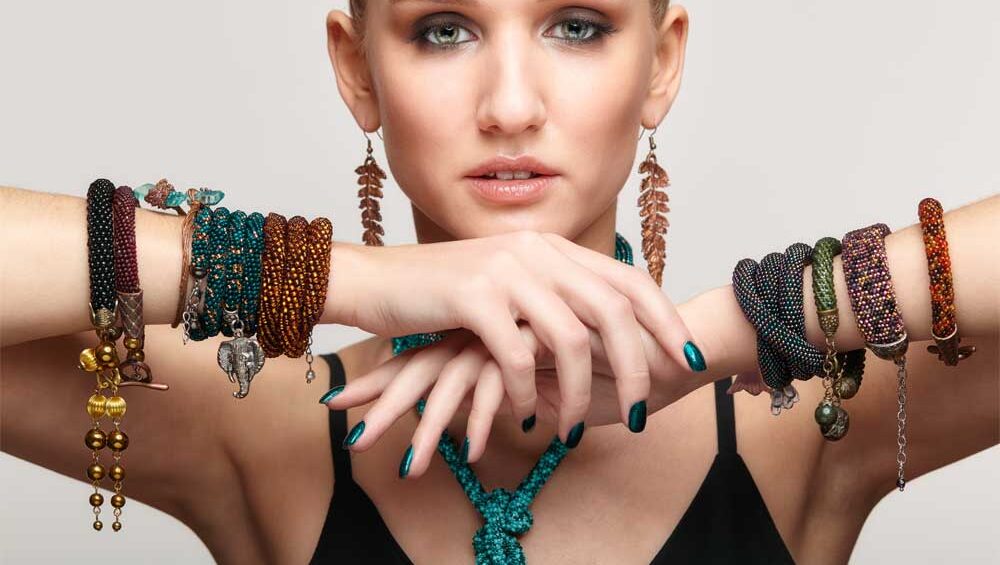
Jewelry, beyond its aesthetic beauty, holds a deeper significance imbued with symbolism and human sentiments. From the ancient times to today, jewelry has been a medium to express emotions, beliefs, and personal stories. Each piece carries its own narrative, creating a connection between the wearer and the world around them.
In this compelling article, we dive into the fascinating meanings behind jewelry, decoding the symbolism and sentiments they encompass. Whether it’s the romantic allure of a diamond engagement ring or the protective powers of a religious pendant, each piece has a unique tale to tell.
From cultural traditions to personal milestones, jewelry reflects our deepest desires, values, and aspirations. By understanding the hidden meanings, we can appreciate and cherish our jewelry even more, creating a deeper connection to the symbols that adorn us.
Join us on this captivating journey as we uncover the secrets behind various jewelry pieces, and gain a newfound appreciation for the beauty that goes beyond the surface. Discover the intriguing stories behind your favorite jewelry and learn how it can be a reflection of your own personal narrative.
Historical significance of jewelry symbolism
Jewelry has played a pivotal role throughout history, serving not merely as adornment but as a powerful symbol of status, identity, and belief. In ancient civilizations, like those of Egypt and Mesopotamia, jewelry was often reserved for the elite, signifying power and wealth. The pharaohs adorned themselves with intricate gold pieces, often embedded with precious stones, which were believed to have magical properties. This practice wasn’t merely for aesthetic appeal; it indicated a divine connection, as jewelry was thought to protect the wearer in the afterlife and signify their rank among the gods.
As societies evolved, so too did the meanings attached to various pieces of jewelry. The Greeks and Romans utilized jewelry to convey personal and societal status. Wreaths made of gold leaves symbolized victory and honor, while rings often denoted marital status or social class. The use of gemstones became prevalent, with each stone carrying its own specific meanings. For instance, emeralds represented fertility and rebirth, while sapphires were seen as symbols of wisdom and royalty. The symbolism associated with these pieces was often embedded in the cultural practices of the time, reflecting the values and beliefs of the society.
Moving into the Middle Ages, jewelry began to take on more religious connotations. Crosses and rosaries became prevalent, symbolizing faith and devotion. This era also saw the rise of gemstones being used in ecclesiastical regalia, marking the significance of divine connection and authority. The role of jewelry shifted from mere adornment to embodying spiritual beliefs, further enriching the historical tapestry of its symbolism. Each piece, whether it was a simple cross or an elaborate crown, told a story and connected the wearer to the broader narrative of human experience.
Cultural meanings of popular gemstones
Gemstones have been revered across various cultures for their beauty and inherent meanings. Each stone carries its unique symbolism, often reflecting the values and beliefs of the cultures that cherish them. For instance, diamonds, often associated with love and commitment, have a long-standing reputation as the ultimate symbol of romantic relationships. In many cultures, giving a diamond signifies a promise of fidelity and enduring love. This has made the diamond engagement ring a timeless piece, deeply embedded in modern matrimonial traditions.
Sapphires, on the other hand, have been cherished since ancient times for their deep blue hue and associations with nobility. In medieval Europe, they were believed to protect one from envy and harm, making them a popular choice among royalty. The gemstone’s symbolism extends beyond aesthetics; it represents wisdom, loyalty, and nobility. Even today, sapphires are often gifted as tokens of loyalty and faithfulness, embodying a deeper connection between the giver and receiver.
Emeralds, with their vibrant green color, symbolize rebirth and fertility in many cultures. In ancient Egypt, they were considered sacred to the goddess Isis and were often buried with the dead to ensure safe passage to the afterlife. The lush green of emeralds is also associated with growth and renewal, making them popular in jewelry for new beginnings, such as births or marriages. Each gemstone carries a rich history, and understanding these meanings allows individuals to connect more deeply with the jewelry they cherish.
Symbolism in different types of jewelry
The type of jewelry one chooses can also hold significant symbolic meaning. For example, rings are often associated with commitment and eternity, particularly in the context of engagement and wedding bands. The circular shape of a ring, which has no beginning or end, signifies an unbreakable bond between partners. In various cultures, different styles of rings carry distinct meanings; for instance, promise rings symbolize a commitment that precedes engagement, while birthstone rings may represent familial ties and heritage.
Necklaces, too, can embody powerful sentiments. A locket, for instance, often holds a photograph or a lock of hair from a loved one, serving as a tangible reminder of cherished memories and connections. This piece is particularly poignant as it embodies the wearer’s love and remembrance, making it a popular gift for significant milestones such as anniversaries or graduations. Additionally, pendants bearing religious symbols, such as crosses or the Star of David, serve as personal talismans, providing comfort and a sense of belonging to one’s faith.
Bracelets and anklets carry their own unique symbolism as well. In many cultures, these pieces are worn to ward off negative energies or to promote good luck. Charm bracelets, for example, have become a popular way to showcase personal stories, with each charm representing a significant event or memory in the wearer’s life. In this way, jewelry transcends mere decoration, evolving into a narrative of one’s journey, beliefs, and the relationships that define their existence.
Sentiments behind gifting jewelry
The act of gifting jewelry often carries profound emotional weight, serving as a tangible expression of love, appreciation, or remembrance. When individuals choose to give jewelry, they are not merely presenting an object; they are conveying sentiments that words may fail to express. A piece of jewelry can symbolize a significant moment in a relationship, such as an engagement or anniversary, making it a cherished keepsake that commemorates a shared journey. The thought and intention behind the gift often resonate far beyond the item itself, creating a lasting bond between the giver and the recipient.
Certain occasions call for specific types of jewelry that hold particular meanings. For instance, giving a necklace with a heart pendant can symbolize deep affection and love, making it a popular choice for romantic partners. Similarly, gifting a piece that incorporates birthstones can signify the importance of family and connection, as each stone represents a loved one’s birth month. This personal touch enhances the emotional value of the gift, transforming it into a cherished memory that can be passed down through generations.
Moreover, jewelry can be a source of comfort during times of loss or transition. Memorial jewelry, such as rings or pendants that incorporate ashes or a lock of hair, allows individuals to keep their loved ones close even after they have passed. This type of gifting can provide solace and a sense of continuity, reminding the wearer of the enduring bond they shared. The act of gifting jewelry, therefore, encapsulates deep emotional narratives that transcend time, making each piece a symbol of love, memory, and connection.
Jewelry as a form of self-expression
Jewelry is not only a means of adornment but also a powerful tool for self-expression. Individuals use jewelry to convey their personality, values, and beliefs without uttering a single word. The pieces one chooses to wear can speak volumes about their identity, conveying a sense of style, cultural heritage, or personal beliefs. For example, someone who prefers minimalist jewelry may be perceived as understated and elegant, while a person who opts for bold, colorful pieces might be seen as adventurous and expressive.
Beyond aesthetic choices, the symbolism behind certain pieces can reflect one’s beliefs and values. For instance, wearing jewelry that features symbols of peace, love, or empowerment can signal a commitment to social causes or personal philosophies. Many individuals choose to wear pieces that represent their spiritual beliefs, such as chakra bracelets or pendants depicting nature’s elements. This form of self-expression allows wearers to connect with their inner selves while also making a statement to the world around them.
Moreover, personalizing jewelry provides an opportunity for individuals to tell their unique stories. Custom pieces, such as engraved rings or necklaces with initials, allow wearers to carry their memories and milestones with them. This sense of individuality is further amplified in the world of fashion, where trends evolve, and new styles emerge. Jewelry becomes an extension of oneself, allowing for creativity and authenticity to shine through. In a world where self-expression is increasingly valued, jewelry serves as a beautiful medium to showcase one’s inner narrative.
How to choose jewelry with personal meaning
Choosing jewelry that holds personal meaning requires introspection and an understanding of the emotions and values one wishes to convey. Begin by reflecting on significant moments in your life, such as milestones, relationships, or achievements. Consider what symbols resonate with you and represent your journey. For example, if family is central to your identity, incorporating birthstones of loved ones into a piece can create a deeply sentimental piece that celebrates those connections.
Additionally, think about the style that speaks to you. Are you drawn to classic designs, or do you prefer contemporary pieces? This preference can guide you in selecting jewelry that aligns with your personality and aesthetic. Don’t hesitate to explore various materials, gemstones, and designs, as each choice can enhance the symbolic meaning of the jewelry. A handcrafted piece, for instance, may resonate more than a mass-produced item, as it can embody uniqueness and personal significance.
Finally, consider the stories that certain pieces can tell. Whether it’s a vintage heirloom passed down through generations or a modern piece that reflects your personal journey, each item carries its narrative. When selecting jewelry, envision how it will fit into your life and what it will represent. The more thought you put into your choices, the more meaningful the jewelry will become, transforming it into a cherished artifact that speaks to your heart and soul.
Famous examples of symbolic jewelry
Throughout history, many pieces of jewelry have become iconic due to their rich symbolism and the stories they embody. One of the most famous examples is the engagement ring worn by Princess Diana, which features a stunning sapphire surrounded by diamonds. This ring not only signifies love and commitment but also represents the royal family’s connection to tradition and heritage. After Princess Diana’s passing, her ring became a symbol of her legacy and was later worn by Kate Middleton, further intertwining the narratives of love and continuity.
Another poignant example is the “Heart of the Ocean” necklace from the film Titanic. This fictional piece, inspired by the real-life Heart of the Ocean necklace, became a symbol of unattainable love and loss. The deep blue color of the necklace signifies both beauty and sorrow, reflecting the film’s themes. While not a real item, its impact on popular culture demonstrates how jewelry can be woven into narratives that resonate deeply with audiences, transcending its physical form.
Lastly, consider the significance of the Claddagh ring, an Irish symbol of love, loyalty, and friendship. Traditionally given as a token of affection, the design features two hands holding a heart, topped with a crown. The way the ring is worn can indicate the wearer’s relationship status, making it a versatile piece that embodies love’s various forms. Its enduring popularity illustrates how jewelry can serve as a powerful emblem of cultural identity and personal connection, transcending generations and continuing to evoke meaningful sentiments.
Jewelry trends and symbolism in modern times
In contemporary society, jewelry trends reflect a blend of personal expression, cultural heritage, and evolving symbolism. The rise of minimalist designs is noteworthy, as many individuals gravitate towards sleek, understated pieces that emphasize quality and craftsmanship over ostentation. This trend often represents a shift toward valuing experiences and personal connections over material wealth. Minimalist jewelry can symbolize a return to simplicity and authenticity, resonating deeply with those seeking to declutter their lives and focus on what truly matters.
Conversely, statement jewelry remains a popular trend, allowing individuals to express boldness and creativity. Oversized earrings, chunky rings, and vibrant necklaces can serve as conversation starters, enabling wearers to showcase their unique style and personality. Such pieces often embody the wearer’s confidence and willingness to stand out, transforming jewelry into a form of art and self-expression. The symbolism behind statement jewelry often revolves around empowerment and individuality, encouraging wearers to embrace their uniqueness without fear of judgment.
Sustainable and ethically sourced jewelry is another prominent trend in modern times, reflecting a growing awareness of environmental and social responsibility. Consumers are increasingly seeking pieces made from recycled materials or ethically mined gemstones, embodying values of sustainability and respect for the planet. This shift toward conscious consumerism signifies a deeper connection to the stories behind the jewelry, as individuals choose pieces that align with their values and beliefs. As trends evolve, the symbolism of jewelry continues to adapt, allowing it to remain a meaningful expression of personal narrative and societal values.
Conclusion: The enduring power of jewelry symbolism
The world of jewelry is a captivating tapestry of history, culture, and personal narrative. Each piece carries a unique story, woven from the threads of human experience, emotions, and beliefs. From ancient civilizations to modern trends, jewelry has served as a powerful symbol of love, commitment, identity, and self-expression. Understanding the meanings behind various pieces allows us to appreciate the deeper connections we share with the adornments we choose to wear.
As we navigate our own journeys, jewelry continues to play a significant role in our lives, acting as a bridge between the past and present. Whether it’s a family heirloom, a gift from a loved one, or a piece that reflects our individuality, jewelry becomes a tangible reminder of the moments that shape us. The symbolism embedded in each item transcends its physical form, creating lasting connections that resonate with our hearts and souls.
In a world where personal expression and connection are increasingly valued, the enduring power of jewelry symbolism remains as relevant as ever. As we adorn ourselves with meaningful pieces, we celebrate our unique narratives, honoring the rich histories and sentiments that jewelry embodies. By decoding the symbolism behind our cherished items, we can cultivate a deeper appreciation for the beauty that lies beyond the surface, transforming our understanding of jewelry into a profound celebration of life and love.
Shop Our Jewelry Collection
Discover our exquisite range of jewelry to complement your style:

Where softness, self-awareness, and emotional healing are allowed to coexist. Through reflective writing, grounding rituals, and intentional beauty, Sparrow Trades offers gentle support for sensitive souls learning to reconnect with themselves.
Jewelry Discovery: Explore Our Handpicked Insights
- Stylish and Trendy: Discover the Must-Have Earrings for Women in 2024
- The Beauty and Meaning Behind Bar Necklaces: A Guide to Stylish Minimalism
- The Perfect Pair: A Guide to Choosing the Right Earrings to Complement Your Pearl Necklace
- Unlocking the Brilliance: Exploring the Different Types of 14K Gold-Filled Jewelry