
Grief does not arrive quietly. It reshapes your days, softens your edges, and sometimes leaves you feeling like a stranger in your own life. It can live in your chest as heaviness, in your throat as silence, or in your body as exhaustion that never quite lifts. And in those moments, when language fails and logic feels too sharp, people often turn to something softer—something that can be felt rather than explained.
That’s where rhodonite begins to make sense.
Not as a solution. Not as something that “fixes” grief. But as something that sits with it.
Grief is not something to rush through. It asks to be witnessed, not corrected. It asks for space, not pressure. Many people, especially those who have spent years staying strong for others, find it difficult to let themselves feel fully. They carry loss quietly. They minimize it. They move forward too quickly, only to feel it return later in waves they didn’t expect.
In those moments, the idea of gentle support becomes important. Not overwhelming change. Not forced healing. Just something that allows you to feel what is already there.
That’s where working with crystals often begins—not from certainty, but from lived experience. From noticing how certain objects feel grounding, calming, or emotionally resonant. From recognizing that your body responds to subtle shifts, even when your mind is unsure. For some people, holding a stone becomes a way of staying present when emotion would otherwise spill everywhere. For others, it becomes a ritual marker—a quiet signal that this moment matters and deserves care.
This is part of a larger landscape of crystal healing guide, where tools are not used to override emotions, but to support them.
Grief especially asks for this kind of approach.
It’s not linear. It’s not predictable. And it rarely looks the way we expect. Sometimes it shows up as sadness. Sometimes as anger. Sometimes as numbness that makes you question whether you’re feeling anything at all. Sometimes it comes through in practical ways—forgetfulness, fatigue, irritability, the inability to answer a simple text, the feeling that ordinary tasks now require too much of you.
In those states, you’re not broken. You’re responding.
And often, what you’re responding to goes deeper than the moment itself—into memory, attachment, identity, and the parts of you that learned how to cope long before this loss arrived. Grief can stir old survival patterns. It can make self-protection feel safer than feeling. It can leave you craving closeness one hour and needing distance the next.
That’s why grief sits so closely with your nervous system. It’s not just emotional—it’s physical, energetic, and deeply embodied. Which is why practices that support regulation, grounding, and emotional safety become essential.
You may find yourself reaching for things that help you feel steady again. Things that reconnect you to your body. Things that allow you to feel without becoming overwhelmed.
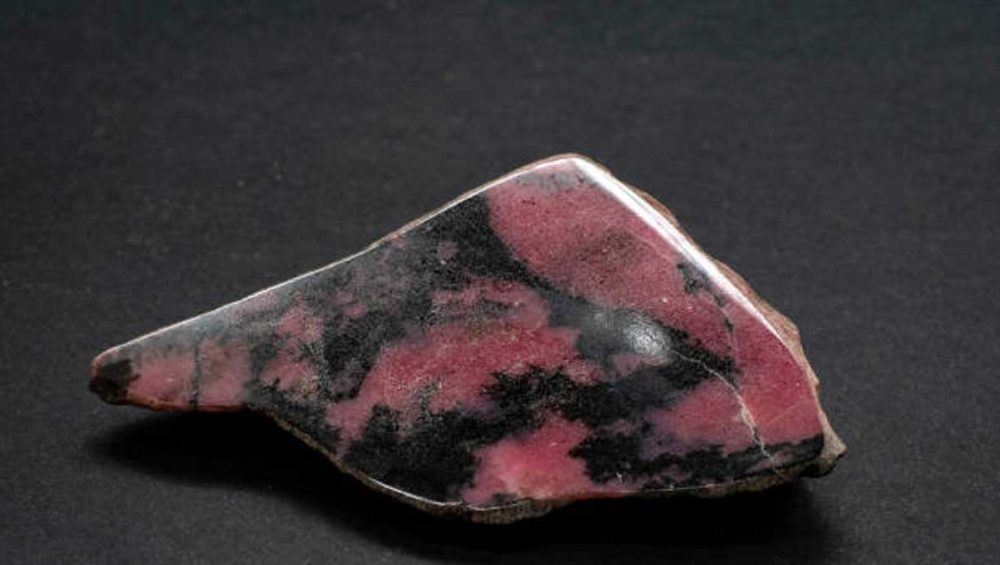
This is where stones like rhodonite begin to matter—not because they remove pain, but because they meet you inside it.
In the wider context of emotional wellness foundations, grief is not something to bypass. It is something to move through, slowly, with care.
And rhodonite, in its quiet way, becomes a companion in that process.
The Emotional Landscape of Grief
Grief is often misunderstood as a single emotion—sadness. But if you’ve lived through it, you know it’s far more complex than that.
It can feel like longing one moment, anger the next. It can bring up memories you thought were resolved. It can surface questions you didn’t know you were carrying. And sometimes, it can leave you feeling disconnected from yourself entirely.
This is especially true when grief intersects with past emotional wounds.
Loss has a way of reopening old spaces. It can remind you of earlier experiences of abandonment, rejection, or emotional absence. It can amplify feelings that were already there, just beneath the surface. A recent loss can awaken an older loneliness. The death of a loved one can stir grief for the version of you that once felt protected. The end of a relationship can touch the same place that once learned love was unstable.
In these moments, it’s not just about what you’ve lost now—it’s about everything your body remembers losing before.
This is why grief often requires more than just time. It requires awareness. Compassion. And the willingness to sit with yourself in ways you may not have been taught before. Many people were taught to perform resilience rather than inhabit it. They learned to be useful, composed, polite, or productive while their deeper feelings went underground.
Practices that support emotional safety become essential here. Not to control what you feel, but to create a space where feeling becomes possible without overwhelm.
This is where approaches like trauma-informed crystal care become meaningful. They shift the focus away from “fixing” emotions and toward supporting your nervous system as it processes them.
Because grief, at its core, is not something to solve. It’s something to metabolize.
And that process looks different for everyone.
Some people need stillness. Others need movement. Some need to talk. Others need silence. Some need to cry often. Others do not cry at all and still grieve deeply. There is no single path. Only what feels safe enough, in this moment, for you.
As grief continues, it often shifts form. What begins as acute pain can become something quieter but more persistent. A background feeling. A subtle ache. A sense that something is missing, even when life appears to be moving forward. You may laugh and still feel grief. You may function and still feel grief. You may have a beautiful day and then feel guilty for having one.
This stage can be confusing, especially because it doesn’t always match what others expect grief to look like.
You may find yourself wondering why you are still feeling this, why it comes back so strongly sometimes, or why certain dates, songs, objects, and places suddenly undo you. But grief does not follow timelines. It follows connection. The deeper the bond, the more layered the grief becomes. And those layers do not disappear on command—they soften when they are given room to breathe.
This is where emotional support becomes less about intensity and more about consistency. Small, gentle practices repeated over time can create a sense of stability inside your body. A few breaths before sleep. A hand over your heart. A journal beside your bed. A grounding object in your pocket. A ritual that reminds you that you are allowed to feel what you feel.
Rhodonite is often associated with the heart—not in a romantic sense, but in a deeply human one. The part of you that holds memory, attachment, regret, tenderness, and the capacity to keep loving even after loss.
This connects to the broader system of chakras and energy, where emotional experiences are understood as something that moves through the body, not just the mind.
And when grief feels stuck—when it lingers in your chest, your throat, or your stomach—working gently with that energy can begin to create space. Not by forcing release, but by allowing it. Not by demanding peace, but by supporting the conditions where peace sometimes returns on its own.
How Rhodonite Supports Grief
Rhodonite is often described as a stone of compassion. But in the context of grief, that compassion is not directed outward first—it’s directed inward.
It’s the kind of compassion that allows you to feel what you’re feeling without judgment.
Grief can bring up self-criticism in subtle ways. You may tell yourself you should be handling this better. You may compare your pain to someone else’s. You may feel ashamed of how much the loss changed you, or ashamed that your grief does not look dramatic enough to be taken seriously. Sometimes the hardest part is not the grief itself, but the way you tighten around it.
Rhodonite works differently. It doesn’t silence those thoughts—it softens your relationship to them.
It creates space between the thought and your identity.
You’re not failing. You’re grieving.
This kind of emotional support aligns with practices like gentle intention-setting practices, where the focus is not on changing your state, but on meeting it with care. In grief, an intention might be as small as “I will let today be what it is.” It might be “I will not rush myself.” It might be “I will stay with my body for one full breath before I leave myself.”
In this way, rhodonite becomes less of a tool and more of a presence. Something you can hold. Something you can return to. Something that quietly says you do not have to turn away from yourself just because your emotions are large.
Another aspect of rhodonite’s role in grief is its connection to emotional regulation.
Grief can feel overwhelming. It can flood your system in ways that make it difficult to think clearly or stay grounded. Sometimes it narrows your capacity for everything else. A small inconvenience feels unbearable. A normal conversation feels exhausting. Your body becomes the place where grief keeps speaking, even when you are trying to keep going.
In these moments, your body is responding exactly as it should. It’s processing something significant. But that does not mean you have to stay in a state of overwhelm.
Support becomes important here—not to stop the feeling, but to help your body move through it safely.
Practices like nervous system regulation techniques and somatic self-soothing practices create that safety.
And rhodonite can be integrated into those practices as a physical anchor. Something to hold while breathing. Something to place over your heart. Something to return to when emotions rise. Something that reminds your body there is a here-and-now beneath the wave.
Over time, this kind of support can help rebuild trust. The trust that you can feel deeply without being consumed. The trust that your emotions are not dangerous. The trust that tenderness and pain can exist together. Which is why grief often connects to deeper processes like learning to trust your emotions again.
Because grief, in its own way, teaches you how to feel. And rhodonite, in its own way, can make that feeling more survivable.
Ways to Work with Rhodonite While You Grieve
When you are grieving, gentleness matters more than intensity. This is not the time for rigid rituals that demand emotional performance. It is the time for practices that make room for truth. Rhodonite can be part of that—not as a dramatic centerpiece, but as something quiet enough to fit into the way grief actually moves.
You might begin simply by carrying it. In a pocket, in your hand, beside your bed. The point is not constant focus. The point is access. When a wave rises unexpectedly, you have something tangible to return to. Something cool, weighted, and present. Something that helps interrupt the feeling of floating too far from yourself.
Some people prefer to hold rhodonite during stillness. A few minutes of breathing. A pause before sleep. A moment after crying. If formal meditation feels too demanding, that’s okay. You can still create emotional space with very small practices, especially alongside crystals for meditation. Quiet attention counts, even when it only lasts a minute.
Because rhodonite is so often connected with the heart, some people place it over the chest while lying down, especially when grief feels lodged there as pressure, ache, or emptiness. This can pair naturally with rhodonite and the heart chakra, where the focus is less on abstract spirituality and more on emotional openness, tenderness, and repair.
If your grief also comes with anxiety, restlessness, or a feeling of leaving your body, combining emotional support with steadiness can help. That’s where crystals for grounding may fit into the larger rhythm of your healing. Rhodonite supports the heart, but grief sometimes also needs the body to feel anchored enough to stay present.
There is also room here for contrast. Some people notice they need softness one day and emotional processing the next. That’s part of why rhodonite vs rose quartz can feel relevant in seasons of loss. One may feel more supportive when you need comfort. The other may feel more supportive when you need help staying with what hurts.
None of this needs to be perfect. There is no correct performance of healing. If a ritual helps you feel more honest, more grounded, or more able to remain with yourself, it is enough. In grief, enough is sacred.
FAQ: Rhodonite and Grief Healing
Can rhodonite actually help with grief?
Rhodonite does not remove grief, and it is not meant to. What it can do is support the way you experience it. By creating a sense of emotional steadiness, it can help you feel without becoming quite so overwhelmed. For many people, it becomes part of a softer healing rhythm—something that supports reflection, tears, breath, and rest. It can sit naturally beside practices like mindfulness for anxiety, where gentleness matters more than control.
How should I use rhodonite during grief?
There is no single right way. The best approach is usually the one that feels least performative and most supportive. You might carry it during difficult days, hold it when emotions rise, place it near you during sleep, or keep it beside a journal or memorial object. What matters is not ritual complexity but emotional honesty. If it helps you stay with yourself, it is doing enough.
Is rhodonite connected to the heart chakra?
Yes, rhodonite is often associated with the emotional dimensions of the heart. That can make it feel especially supportive during grief, when love and loss are intertwined. This connection is not about forcing the heart open. It is about supporting tenderness, compassion, and emotional movement when the heart feels bruised, guarded, or heavy.
What makes rhodonite different from rose quartz for grief?
Both stones are often linked with the heart, but they can feel different in practice. Rose quartz is often experienced as softer and more comforting, while rhodonite can feel a little more grounded and emotionally processing. If your grief feels raw and you need soothing, rose quartz may help. If your grief feels tangled and you need support staying present with it, rhodonite may feel more resonant. Some people move between both depending on the day.
Can rhodonite help with older emotional wounds that grief brings up?
It can be supportive when current grief touches older pain. Loss often stirs memories of being left, unseen, or emotionally unsupported. In that sense, grief can become larger than the event itself. Rhodonite may help you stay compassionate with those deeper layers rather than shutting down around them. That’s one reason it can pair meaningfully with healing after being emotionally invalidated, especially when grief awakens older patterns of self-silencing.
Do I need to believe in crystal healing for rhodonite to feel supportive?
No. Many people connect with rhodonite in a simple, grounded way. You do not need to force a spiritual framework onto your grief for the stone to feel meaningful. Sometimes the support comes from symbolism. Sometimes it comes from touch. Sometimes it comes from ritual. And sometimes it comes from the quiet permission to treat your grief with more care than the world usually allows.
Conclusion
Grief changes you.
Not all at once, and not always in ways you can see—but it shifts something inside you. It asks you to feel more deeply, to move more slowly, to sit with parts of yourself you may have avoided before. It asks you to become intimate with tenderness, with memory, with the places where love still lives even after someone or something is gone.
And while that process can feel isolating, it does not have to be unsupported.
Rhodonite does not take grief away. It does not promise closure, answers, or a clean ending. What it offers is something quieter, but just as important.
Presence.
A way to stay with yourself when emotions rise. A way to soften the edges of self-judgment. A way to feel without needing to fix what you feel. A way to remember that healing is not always about becoming lighter; sometimes it is about becoming gentler with the weight you carry.
And over time, that kind of presence becomes something powerful.
Because healing does not happen through force. It happens through safety. Through repetition. Through small moments of awareness that slowly begin to reconnect you to yourself. Through the willingness to honor your grief without making it your enemy.
That is why support matters. Not support that rushes you. Not support that explains you away. Support that helps your body soften enough to tell the truth.
In that space, grief begins to shift—not by disappearing, but by becoming something you can carry differently. Something that no longer erases you, but slowly becomes woven into who you are becoming.
And in that quieter place, with care, breath, ritual, and the steady companionship of rhodonite, you may begin to find something unexpected.
Not the absence of grief—but the presence of yourself within it.

Where softness, self-awareness, and emotional healing are allowed to coexist. Through reflective writing, grounding rituals, and intentional beauty, Sparrow Trades offers gentle support for sensitive souls learning to reconnect with themselves.