

Many people think of rest as something to earn after everything on the to-do list is finished. It becomes a reward for productivity rather than a basic human need. Yet emotional wellness often begins to unravel long before we recognize that we are exhausted. We may still be showing up for work, caring for our families, answering messages, and meeting responsibilities while quietly carrying an invisible weight that grows heavier each day.
Emotional exhaustion doesn’t always announce itself dramatically. Sometimes it appears as irritability over small inconveniences, difficulty concentrating, or feeling disconnected from activities that once brought joy. Other times it shows up as numbness—a sense that you’re simply moving through the motions. These experiences don’t necessarily mean something is wrong with you. They can be gentle signals from your mind and body asking for something many of us overlook: genuine rest.
Unlike a quick break between tasks, restorative rest allows your nervous system to shift away from constant alertness. It creates space for your emotions to settle, your thoughts to become clearer, and your body to recover from the steady demands of everyday life. If you’ve been feeling overwhelmed, emotionally stretched thin, or simply unable to catch your breath, rest isn’t something to feel guilty about. It may be one of the most supportive gifts you can offer yourself.
Emotional wellness isn’t built through endless self-improvement. It’s built through rhythms of engagement and recovery. Just as muscles become stronger through periods of activity followed by recovery, our emotional lives also need moments of stillness. Without those moments, stress accumulates faster than we can process it.
Many people discover that once they begin allowing themselves intentional rest, other practices become easier too. Mindfulness feels less frustrating. Journaling becomes more honest. Relationships become less reactive. Rest creates the foundation that allows many other aspects of well-being to flourish.
If you’re beginning to explore your own emotional well-being, you may find yourself returning to the broader journey of emotional wellness as you discover how seemingly simple habits can profoundly influence how you feel each day.
What Is Rest for Emotional Wellness?
Rest for emotional wellness is the intentional practice of allowing your mind, body, and nervous system time to recover from the ongoing demands of life. It goes beyond simply stopping what you’re doing. True rest creates an environment where your emotional resources can replenish rather than continue to drain.
Many people associate rest exclusively with sleeping, but emotional rest begins long before bedtime. It may look like stepping outside for ten quiet minutes without your phone, choosing not to answer another email after work, declining an invitation when your energy is already depleted, or allowing yourself to spend an afternoon without feeling pressured to accomplish something productive.
Our culture often celebrates busyness. Productivity is praised, while rest is sometimes mistaken for laziness. Over time, this can make it difficult to recognize when our emotional reserves are running low. We may continue pushing ourselves because slowing down feels uncomfortable or even irresponsible.
Yet emotional wellness depends upon balance rather than constant output. Your nervous system was never designed to remain in a continuous state of alertness. It naturally moves between periods of engagement and restoration. When those restorative periods become too short or disappear altogether, emotional resilience gradually declines.
Many people notice that when they consistently make room for rest, they become more patient, more emotionally flexible, and better able to navigate life’s inevitable challenges. Rest doesn’t eliminate stress—it increases your capacity to respond to stress with greater steadiness.
This is why rest naturally supports practices like nervous system regulation and emotional regulation. A regulated nervous system makes it easier to process emotions instead of becoming overwhelmed by them.
Why Rest Is Different from Sleep
Sleep is one form of rest, but it isn’t the whole picture. Many people sleep eight hours each night and still wake feeling emotionally depleted. Others may get less sleep during a stressful season yet still feel emotionally grounded because they’re making space for different kinds of restoration throughout the day.
Understanding sleep and circadian rhythms can be helpful, especially when your body is asking for more predictable rhythms. But emotional rest also includes the waking moments when your mind, senses, and nervous system are allowed to soften.
Rest can take many forms.
Physical rest allows your body to recover from movement, tension, and physical fatigue.
Mental rest gives your mind permission to pause from constant decision-making, planning, and problem-solving.
Emotional rest creates opportunities to acknowledge your feelings without immediately fixing, suppressing, or analyzing them.
Social rest may involve spending time alone after extended periods of caring for others or navigating emotionally demanding relationships.
Sensory rest reduces the constant input from screens, notifications, bright lights, and background noise that quietly taxes the nervous system throughout the day.
These different forms of rest often work together. Someone experiencing chronic emotional stress may discover that improving sleep alone doesn’t fully restore them because their mind never has opportunities to slow down during waking hours.
Likewise, someone who practices mindfulness but continues overcommitting themselves socially may still feel emotionally exhausted.
Rest is not a single activity—it’s a rhythm of honoring what your mind and body need in a given moment.
Many people also find that combining intentional rest with gentle practices like mindfulness or quiet meditation helps create an even greater sense of calm without forcing relaxation.
The Emotional Cost of Constant Busyness
Modern life makes it surprisingly easy to remain busy without ever feeling restored.
Notifications arrive around the clock. Work follows us home through our phones. Social media fills quiet moments that once offered opportunities for reflection. Even leisure activities sometimes become another task to optimize.
Over time, constant activity can leave us disconnected from ourselves.
Instead of recognizing sadness, we stay busy.
Instead of noticing anxiety, we schedule another obligation.
Instead of allowing grief or disappointment to move through us, we distract ourselves until emotional fatigue quietly accumulates beneath the surface.
Eventually, this ongoing depletion may appear as chronic overwhelm, emotional numbness, increased sensitivity, difficulty concentrating, or a shorter emotional fuse than we’re accustomed to. These experiences don’t necessarily indicate personal weakness. Often, they’re compassionate reminders that our nervous system has been carrying more than it can comfortably sustain.
If you’ve noticed yourself feeling emotionally worn down, you might also recognize experiences connected with stress or find yourself seeking healthier forms of stress relief. Rest doesn’t replace addressing the sources of stress, but it creates the emotional capacity needed to respond with greater clarity rather than simply surviving from one day to the next.
Choosing rest isn’t stepping away from life.
It’s creating enough space within your life to fully participate in it again.
Signs Your Mind and Body Need Rest
Rest isn’t only for the moments when you’re completely burned out. Often, your mind and body begin asking for rest long before exhaustion becomes impossible to ignore. Learning to recognize these early signals can help you respond with compassion instead of continuing to push through them.
One of the first signs is feeling emotionally reactive. You may find yourself becoming frustrated by small inconveniences, feeling unusually impatient, or struggling to recover after difficult conversations. Situations that once felt manageable suddenly seem overwhelming.
Mental fatigue often follows. Thoughts become harder to organize, decisions feel heavier, and concentrating on simple tasks requires far more effort than usual. You may read the same paragraph several times or forget details that normally come easily.
Your body may also communicate its need for rest. Tight shoulders, headaches, digestive discomfort, muscle tension, or an overall sense of heaviness can sometimes reflect the cumulative effects of prolonged stress. While these symptoms can have many causes, chronic emotional strain often contributes to physical discomfort.
Emotionally, you may notice yourself feeling disconnected. Activities you normally enjoy no longer bring the same sense of fulfillment. Creativity fades. Motivation becomes difficult to access. You may even question whether you’ve become less capable when, in reality, your internal resources simply need replenishing.
Many people also begin withdrawing from relationships—not because they no longer care, but because they no longer have the emotional capacity to engage in the ways they’d like. Conversations feel draining instead of energizing.
If any of these experiences feel familiar, it doesn’t necessarily mean something is wrong. It may simply be your nervous system asking for more recovery than it has been receiving.
During seasons like these, practices that support healing often become more meaningful because they begin with listening rather than fixing. Healing frequently starts by acknowledging what your body has been trying to communicate all along.
Different Types of Rest That Support Emotional Wellness
One of the most freeing realizations is that rest doesn’t have to look the same for everyone. What restores one person may leave another feeling restless. Emotional wellness grows when we become curious about the kinds of rest our own lives are asking for.
Physical rest includes sleep, gentle stretching, restorative yoga, naps, and simply allowing your body to be still. Sometimes your muscles aren’t asking for another workout—they’re asking for recovery.
Mental rest gives your brain permission to step away from constant planning, decision-making, and problem-solving. This might mean taking a quiet walk without listening to a podcast, sitting outside for a few minutes, or allowing yourself to daydream without feeling guilty.
Emotional rest comes from feeling safe enough to experience your emotions without immediately trying to change them. This could involve crying, talking with someone you trust, spending quiet time alone, or writing honestly about what you’re feeling.
Many people discover that journaling creates a gentle space where emotions can be acknowledged instead of carried silently.
Social rest doesn’t necessarily mean avoiding people. Instead, it means spending more time with relationships that feel nourishing and less time in environments that consistently leave you emotionally depleted.
Sensory rest becomes increasingly important in today’s digital world. Turning off notifications, lowering background noise, dimming bright lights, or stepping away from screens for a while can help reduce the steady stream of stimulation your nervous system processes throughout the day.
Spiritual rest may involve prayer, meditation, time in nature, quiet reflection, or simply reconnecting with what gives your life meaning. For some people, this also includes spending time with practices that cultivate inner peace without pressure or performance.
There is no perfect formula. Rest becomes restorative when it responds to what you genuinely need instead of what you think you should be doing.
Rest Without Guilt
For many people, the greatest obstacle to rest isn’t finding the time—it’s believing they’ve earned it.
Perhaps you’ve learned to measure your worth by how much you accomplish. Maybe you feel responsible for caring for everyone else before yourself. Or perhaps slowing down feels unfamiliar because constant activity has become your way of coping with uncertainty, anxiety, or emotional discomfort.
These patterns are incredibly common.
Many of us receive subtle messages throughout life that productivity equals value. As a result, resting can create unexpected feelings of guilt or even anxiety. Instead of feeling peaceful, we begin thinking about everything we should be doing instead.
Yet emotional wellness asks a different question.
Rather than asking, Have I done enough to deserve rest? it invites us to ask, What do I need in order to continue showing up as the person I want to be?
Rest is not the opposite of responsibility.
It’s what makes responsibility sustainable.
Without adequate restoration, even meaningful work eventually becomes draining. Relationships become harder to nurture. Patience becomes more difficult to access. Compassion—for ourselves and others—begins to diminish.
If you’ve spent years pushing through exhaustion, allowing yourself to rest may initially feel uncomfortable. That’s okay. New patterns often feel unfamiliar before they begin feeling supportive.
Developing self-care isn’t about creating elaborate routines. It’s about giving yourself permission to meet genuine needs before they become overwhelming.
Likewise, strengthening resilience doesn’t come from never resting—it comes from honoring the natural rhythm between effort and recovery.
Everyday Rest Practices That Feel Sustainable
Rest doesn’t always require a weekend away or an uninterrupted vacation. While those experiences can certainly be restorative, emotional wellness is more often strengthened by small, consistent moments woven throughout everyday life.
You might begin your morning without immediately checking your phone. Those first few quiet minutes can help your nervous system wake gradually instead of being pulled into urgency before the day has truly begun.
During work, consider taking brief pauses between tasks rather than moving continuously from one responsibility to the next. Even sixty seconds of slow breathing while looking out a window can help interrupt cycles of chronic stress.
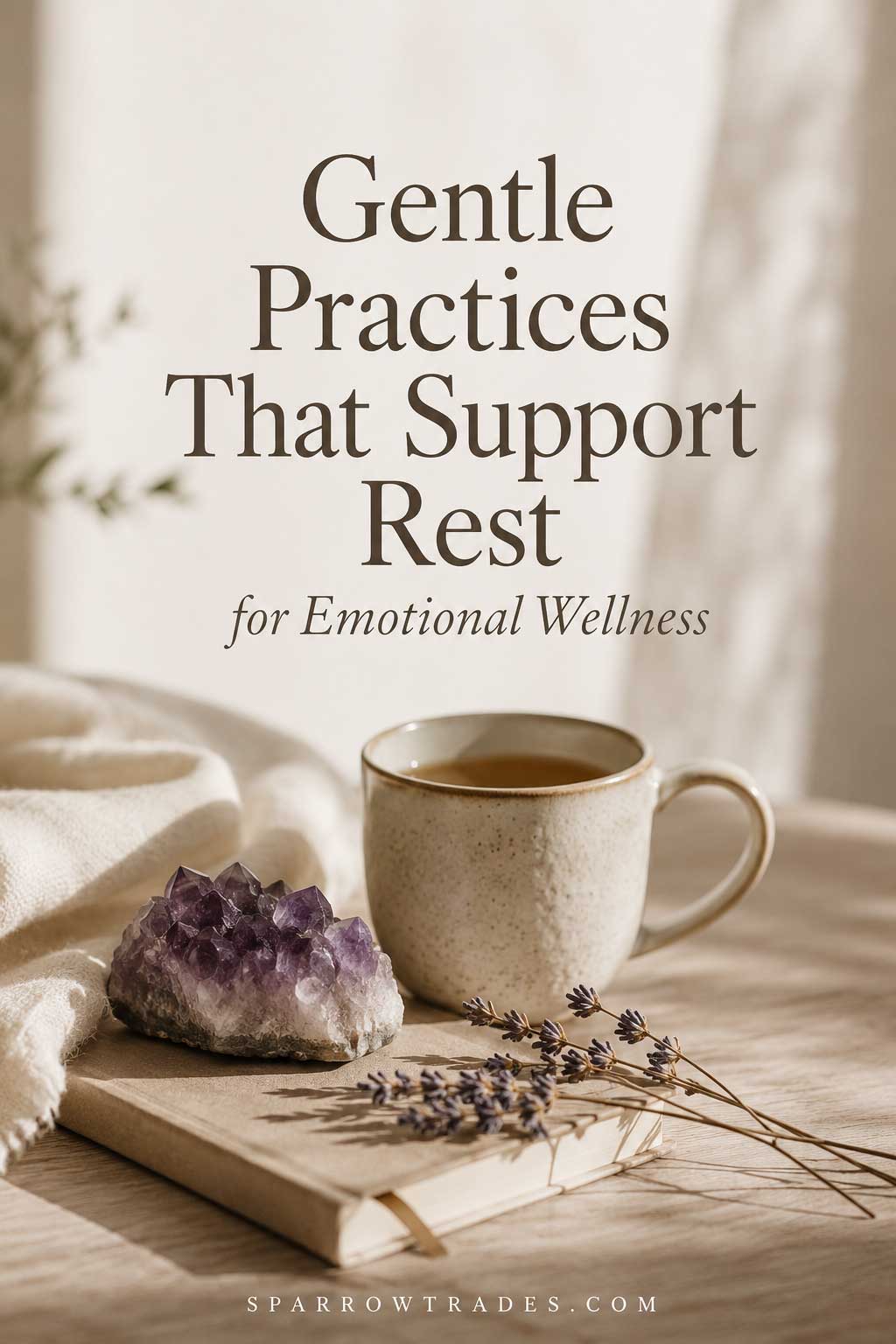
Creating gentle evening rituals can also signal to your body that it’s safe to begin winding down. Dimming lights, reading a few pages of a favorite book, listening to calming music, or simply sitting quietly with a warm cup of tea can become meaningful transitions between activity and rest.
Some people also notice that spending time outdoors naturally encourages restoration. Sitting beneath a tree, watching clouds move across the sky, or taking an unhurried walk can gently remind the nervous system that not every moment needs to be productive.
Practices such as mindfulness can become especially supportive here because they encourage noticing the present moment rather than rushing toward the next obligation.
The goal isn’t to build a perfect routine.
The goal is to create enough moments of restoration that your emotional reserves have opportunities to refill before they become completely depleted.
Over time, these small acts of rest begin shaping something much larger. They remind your mind and body that safety, stillness, and recovery are not interruptions to life—they’re an essential part of living it well.
Creating a Rest Ritual That Feels Like Your Own
Rest doesn’t have to look the same for everyone. Some people unwind with a cup of tea and a book. Others spend a few quiet minutes journaling before bed, practice gentle meditation, pray, stretch, or take a slow evening walk.
What matters most isn’t creating the perfect routine—it’s finding simple practices that help your mind and body recognize when it’s time to slow down. Small rituals, repeated consistently, can gently signal that the day is ending and that it’s safe to rest.
Some people also enjoy incorporating meaningful objects into these moments—not because the objects create rest, but because they become quiet reminders to pause with intention.
If gemstones resonate with you, amethyst is one many people associate with peaceful reflection, quiet evenings, and bedtime rituals. You might also appreciate amethyst for sleep and rest rituals if you’re looking for thoughtful ways to incorporate amethyst into an intentional evening routine.
If another stone speaks to you more personally, gemstones explore the traditions, symbolism, and personal meanings behind a variety of gemstones that many people enjoy incorporating into reflective and mindful practices.
The goal isn’t to find a perfect routine or the perfect object. It’s to create a rhythm of rest that feels authentic to you—one that gently reminds you to slow down, reconnect with yourself, and make space for restoration each day.
Frequently Asked Questions
What is rest for emotional wellness?
Rest for emotional wellness is intentionally creating time and space for your mind, body, and nervous system to recover from the emotional demands of everyday life. It involves more than simply sleeping—it includes allowing yourself moments of physical, mental, emotional, and sensory restoration so you can respond to life with greater resilience and balance.
Is rest the same as sleep?
No. Sleep is one important form of rest, but emotional wellness also benefits from mental, emotional, social, and sensory rest. Someone can sleep through the night and still feel emotionally exhausted if they rarely experience opportunities to slow down during the day.
Why do I feel guilty when I rest?
Many people grow up believing their value comes from being productive or constantly helping others. As a result, resting may feel uncomfortable at first. Recognizing that rest supports your long-term well-being can gradually help replace guilt with self-compassion.
How can I tell if I need more rest?
Common signs include emotional irritability, feeling overwhelmed by small problems, difficulty concentrating, persistent fatigue, loss of motivation, feeling emotionally numb, and struggling to recover after stressful situations. These experiences can be your body’s way of asking for more restoration.
How much rest do I need?
There isn’t one universal answer. Your need for rest changes depending on stress levels, physical health, work responsibilities, relationships, and life circumstances. Rather than following a strict formula, try noticing how your energy, emotions, and nervous system respond to different rhythms of activity and recovery.
Can mindfulness help me rest?
Many people find that mindfulness helps them become more aware of when they need rest and makes it easier to slow down intentionally. Rather than forcing relaxation, mindfulness encourages noticing the present moment without judgment, which can naturally support emotional recovery.
Can gemstones improve emotional wellness?
There is no scientific evidence that gemstones directly improve emotional wellness or treat emotional or medical conditions. However, some people enjoy using gemstones as personal symbols of intention, reflection, or mindfulness during self-care practices. If you choose to incorporate gemstones into your routines, they are best viewed as meaningful companions rather than treatments.
Conclusion
Choosing rest is often one of the most compassionate decisions you can make for yourself.
In a world that frequently celebrates doing more, moving faster, and accomplishing the next task, intentionally slowing down can feel unfamiliar. Yet rest reminds us that our worth has never depended upon constant productivity. We are human beings, not machines, and our emotional lives flourish when we honor the natural rhythm between effort and recovery.
Rest doesn’t remove life’s challenges. Responsibilities remain. Difficult conversations still happen. Seasons of uncertainty continue to come and go. What changes is your capacity to meet those experiences with greater steadiness, patience, and emotional flexibility.
You don’t need to transform your entire routine overnight. Sometimes emotional wellness begins with something remarkably simple: taking a few slow breaths before opening your laptop, sitting quietly with a cup of tea, stepping outside for a short walk, or allowing yourself permission to pause without feeling guilty.
These moments may seem small, but over time they become the foundation of a more sustainable way of living.
If this feels like the beginning of your journey, you may find yourself continuing to explore emotional wellness foundations, where many of the practices that support lasting emotional well-being naturally come together. From there, you can discover the approaches that resonate most deeply with your own life, remembering that emotional wellness isn’t built through perfection—it grows through consistent acts of care, curiosity, and compassion toward yourself.

Where softness, self-awareness, and emotional healing are allowed to coexist. Through reflective writing, grounding rituals, and intentional beauty, Sparrow Trades offers gentle support for sensitive souls learning to reconnect with themselves.