
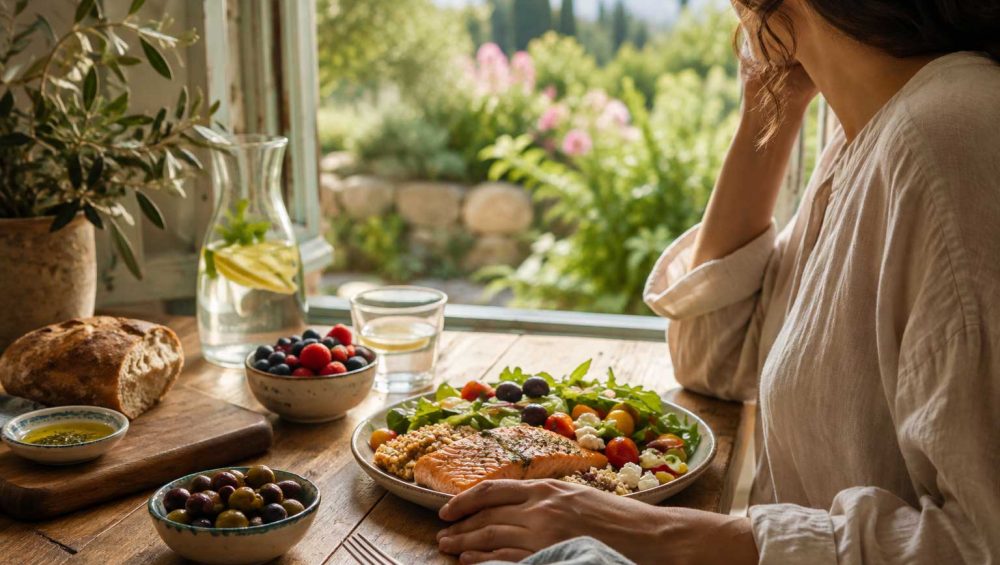
Food cannot prevent every difficult emotion, erase chronic stress, or replace the care of a trusted healthcare professional. Yet the way you nourish your body can become one meaningful part of caring for your emotional well-being. Small, consistent choices often support us more gently than dramatic changes that are difficult to sustain.
Emotional wellness is not built through perfection. It develops through daily experiences that help you feel more supported, resilient, and connected to yourself. Rest, movement, meaningful relationships, nourishing food, and self-compassion all contribute to that foundation, and each one can strengthen the others over time.
If you have ever noticed feeling more irritable after skipping meals, mentally foggy during stressful weeks, or steadier after consistently eating satisfying meals, you have already experienced how physical and emotional well-being can influence one another. Food alone cannot determine your emotional health, but it can affect many of the biological systems that support energy, concentration, and mood.
The Mediterranean Diet has become one of the world’s most widely studied eating patterns. Rather than focusing on strict rules or eliminating entire food groups, it emphasizes vegetables, fruits, whole grains, legumes, nuts, seeds, olive oil, herbs, and regular servings of fish while allowing flexibility for personal preferences, cultural traditions, and individual lifestyles.
Researchers continue exploring how Mediterranean-style eating may support both physical and psychological well-being. While the evidence continues to develop, nutrition should be viewed as one part of a much larger picture. A healthy dietary pattern works best alongside appropriate medical care, supportive relationships, quality sleep, regular movement, and other healthy habits rather than replacing them.
Many people are drawn to the Mediterranean Diet because it feels realistic rather than restrictive. It encourages gradual improvements instead of demanding immediate perfection. That slower pace can feel kinder to the nervous system, especially during seasons when life already feels overwhelming.
As one approach to nutrition, the Mediterranean Diet offers a sustainable way to think about nourishment. Instead of asking whether every meal is perfect, it encourages you to notice the overall pattern of how you care for yourself over weeks, months, and years. One balanced meal will not transform your emotional well-being, just as one less nourishing meal will not undo it.
Perhaps most importantly, this approach allows room for being human. Busy workdays, family celebrations, financial limitations, changing appetites, and periods of emotional exhaustion are all part of life. The goal is not flawless eating. It is creating a way of nourishing yourself that remains supportive, flexible, and achievable through life’s changing seasons.
How Can the Mediterranean Diet Support Emotional Wellness?
The relationship between food and emotional wellness is complex. There is no single ingredient that creates happiness or instantly relieves emotional distress. Instead, overall eating patterns may influence many of the systems that help the brain and body function well over time.
Mediterranean-style meals naturally provide dietary fiber, unsaturated fats, vitamins, minerals, antioxidants, and a variety of plant compounds through whole and minimally processed foods. Together, these nutrients support normal brain and body function while contributing to an eating pattern associated with positive long-term health outcomes.
Researchers continue studying several possible explanations for this connection. Fats from olive oil, nuts, seeds, and fish provide nutrients the brain uses in its normal functioning. Fiber-rich foods help nourish the gut microbiome, an area of ongoing research because of the communication between the digestive system and the brain. Colorful fruits and vegetables also contribute antioxidants and naturally occurring compounds that support cellular health throughout the body.
Beyond nutrition itself, the Mediterranean lifestyle often encourages slower, more intentional habits around food. Preparing a simple meal can create an opportunity to pause. Eating regularly may reduce the physical discomfort and irritability that can accompany becoming overly hungry. Sitting down without rushing through every meal can also complement mindfulness without requiring a complicated routine.
These daily practices do not eliminate difficult emotions, nor should they be expected to. Instead, they may provide a steadier physical foundation from which you can care for yourself during stressful seasons. Over time, consistently nourishing your body can become a quiet reminder that your well-being deserves attention, patience, and compassion.
What Foods Are Included in the Mediterranean Diet?
One reason the Mediterranean Diet feels approachable is that it focuses more on what you can add than on what you must avoid. Instead of organizing food into rigid categories of good and bad, it encourages meals built around simple foods that provide a range of nutrients. This flexibility makes the pattern easier to adapt to different cultures, budgets, households, and personal preferences.
Vegetables and fruits are central because they provide fiber, vitamins, minerals, and naturally occurring plant compounds. Whole grains such as oats, brown rice, barley, quinoa, and whole-grain bread can help meals feel satisfying while providing steadier nourishment than highly refined alternatives.
Beans, lentils, and chickpeas are also important because they offer both plant protein and fiber. Olive oil is commonly used as the primary added fat, while nuts, seeds, and avocado provide additional sources of unsaturated fats. Fish, particularly varieties such as salmon, sardines, trout, and mackerel, is often included regularly, while poultry, eggs, yogurt, and cheese may be enjoyed according to individual needs and preferences.
Rather than memorizing a long list of allowed and forbidden foods, it may feel easier to begin with one question: “How can I add another nourishing food to this meal?” A future Mediterranean Diet food list can provide practical examples organized into simple categories without turning everyday eating into another set of rules.
Choosing these foods consistently matters more than eating them perfectly. That naturally raises another question: how can you remain consistent without slipping into guilt or all-or-nothing thinking?
Why Is Consistency More Important Than Perfection?
Many diets feel manageable for a few weeks because they rely on novelty and motivation. Long-term emotional wellness, however, usually depends on habits that remain realistic when motivation fades, schedules change, or life becomes difficult. The Mediterranean Diet supports this kind of consistency by making flexibility part of the pattern instead of treating it as failure.
It is easy to believe that one less nourishing meal has erased weeks of progress or that eating well only counts when every choice is ideal. That all-or-nothing thinking often creates unnecessary guilt, which can make supportive habits harder to maintain. A more compassionate perspective recognizes that every meal is another opportunity to care for yourself, not a final judgment on your health.
This is where emotional regulation becomes especially relevant. Emotional regulation is not about controlling every feeling or making perfect decisions. It involves responding to your experiences with greater awareness, flexibility, and self-respect. Approaching food with curiosity rather than criticism can support that same process.
There will always be vacations, holidays, birthdays, demanding workweeks, illnesses, and unexpected moments that disrupt your routine. Those experiences do not erase the value of the habits you have built. Returning gently to your usual eating pattern after life interrupts it is often more sustainable than trying to compensate through restriction, punishment, or self-judgment.
How Can You Start Without Feeling Overwhelmed?
Beginning a new way of eating does not require emptying your pantry, following an elaborate meal plan, or changing everything overnight. In fact, gradual changes are often the easiest to sustain because they allow new habits to become part of everyday life without placing additional pressure on yourself. The Mediterranean Diet encourages progress through small, repeatable choices rather than dramatic transformations.
Some people begin by cooking with olive oil more often. Others add an extra serving of vegetables to dinner, replace refined grains with whole grains, or include beans in soups and salads throughout the week. Even keeping fresh fruit within easy reach can become a simple reminder to nourish yourself. These changes may seem small individually, but over time they create an overall pattern that supports both physical and emotional well-being.
Planning ahead can also reduce decision fatigue during busy weeks. Keeping frozen vegetables, canned beans, whole grains, yogurt, canned fish, and seasonal produce on hand makes preparing balanced meals easier when time and energy are limited. A future Mediterranean Diet meal plan can help organize those meals into a practical weekly routine, while a collection of Mediterranean Diet recipes offers simple ideas that make healthy eating feel enjoyable rather than overwhelming.
There is no perfect place to begin. Whether your first step is preparing one home-cooked meal this week or simply adding another colorful vegetable to your plate, consistency matters far more than speed. Sustainable habits are built one decision at a time.
Can the Mediterranean Diet Become Part of Everyday Life?
One of the greatest strengths of the Mediterranean Diet is that it was never intended to be a temporary program. It reflects a pattern of eating that people have practiced for generations, making it easier to adapt than diets built around strict rules or short-term results. Rather than asking you to follow a perfect plan every day, it encourages habits that can evolve alongside your life.
That flexibility leaves room for different cultures, family traditions, food preferences, schedules, and budgets. A Mediterranean-style meal does not have to look identical from one household to another. Fresh vegetables, frozen produce, canned beans, whole grains, olive oil, fish, yogurt, herbs, and seasonal fruit can all contribute to the overall pattern without requiring specialty ingredients or complicated recipes.
Many people also discover that simplifying meals reduces stress around food. Instead of searching for the perfect recipe every evening, a balanced plate often becomes enough. Combining vegetables, a source of protein, whole grains, and healthy fats creates countless meal possibilities while removing much of the pressure that complicated diets often create.
As those habits become more familiar, building a collection of dependable Mediterranean Diet breakfast ideas, practical Mediterranean Diet lunch ideas, and satisfying Mediterranean Diet dinner recipes can make healthy choices feel increasingly effortless. The goal is not endless variety but creating meals you genuinely enjoy returning to.
How Does the Mediterranean Diet Fit Into Emotional Self-Care?
Emotional self-care often brings to mind practices such as journaling, meditation, or spending time in nature. While those activities can certainly be valuable, caring for yourself also includes meeting your body’s everyday needs. Preparing nourishing meals, eating regularly, and responding to hunger with kindness rather than criticism are all meaningful expressions of self-care.
There may be seasons when preparing balanced meals feels easy and others when simply eating something nourishing is enough. Both experiences are part of life. During especially stressful periods, lowering expectations instead of abandoning healthy habits altogether can be a compassionate response. Convenience does not have to mean failure if it allows you to continue caring for yourself.
This perspective naturally complements mindfulness because both encourage paying attention without judgment. Rather than labeling foods as good or bad, you can become curious about how different meals influence your energy, concentration, satisfaction, and overall well-being. That awareness often creates lasting change more effectively than guilt ever could.
Practicing self-compassion can also make healthy eating feel more sustainable. Missing a planned meal, ordering takeout after an exhausting day, or celebrating with dessert does not erase your progress. Every meal becomes another opportunity to care for yourself, and every new day offers another opportunity to begin again.
Frequently Asked Questions
Is the Mediterranean Diet good for emotional wellness?
Research suggests that following a Mediterranean-style eating pattern may support emotional wellness as part of an overall healthy lifestyle. Because it emphasizes vegetables, fruits, whole grains, legumes, healthy fats, and fish, it provides nutrients that support normal brain function and overall health. The Mediterranean Diet is not a treatment for mental health conditions, but consistently nourishing your body can become one meaningful part of caring for both your physical and emotional well-being.
How long does it take to notice benefits from the Mediterranean Diet?
Every person is different. Some people notice improvements in energy or satisfaction after meals within a few weeks, while broader health benefits generally develop over months of consistent habits. Emotional wellness is influenced by many factors beyond nutrition, so lasting improvements usually come from combining healthy eating with sleep, movement, supportive relationships, and other healthy lifestyle practices.
Do I have to eat fish to follow the Mediterranean Diet?
No. While fish is commonly included because it provides beneficial nutrients, the Mediterranean Diet is flexible. People who do not eat fish can still build balanced meals around beans, lentils, nuts, seeds, whole grains, vegetables, fruits, dairy, eggs, and other protein sources that fit their dietary preferences or medical needs.
Can I follow the Mediterranean Diet on a budget?
Yes. Many Mediterranean Diet staples are affordable pantry foods, including oats, beans, lentils, brown rice, frozen vegetables, canned tomatoes, canned fish, and seasonal produce. Preparing simple meals at home can often cost less than relying on highly processed convenience foods or frequent restaurant meals.
Is the Mediterranean Diet meant for weight loss?
No. The Mediterranean Diet was not originally designed as a weight-loss program. Its primary purpose is supporting long-term health through a balanced and sustainable pattern of eating. Some people may lose weight naturally while following it, while others maintain their weight. The emphasis remains on nourishing the body rather than pursuing restrictive dieting.
Ritual & Journey Continuation: Nourishing Yourself One Meal at a Time
You do not have to transform your eating habits overnight for them to begin supporting your emotional well-being. Sometimes the most meaningful change starts with one meal enjoyed a little more slowly than usual. Instead of asking whether every choice is perfect, simply notice how you feel before eating, while eating, and afterward. Those quiet observations often teach more than rigid food rules ever could.
There will be days when preparing a balanced meal feels effortless and others when convenience is the kindest option available. Both belong in a healthy life. Returning to nourishing habits with patience rather than criticism allows every meal to become another opportunity to care for yourself instead of another measure of success or failure.
When you feel ready for the next step, a future Mediterranean Diet for beginners can help you build confidence through simple, sustainable habits that grow naturally over time.
Final Thoughts
Caring for your emotional well-being rarely comes down to one decision, one meal, or one habit. More often, it is shaped by the quiet choices you make repeatedly. The Mediterranean Diet reflects that same philosophy. Rather than demanding perfection, it encourages consistency, flexibility, and nourishment that can adapt to the realities of everyday life.
There will be weeks when cooking feels enjoyable and others when preparing something simple is enough. Neither season defines your success. Progress is not measured by flawless meals but by returning to habits that help you care for yourself with patience instead of criticism.
Food may not solve every challenge you face, but consistently nourishing your body can become one meaningful way of supporting your mind through both ordinary days and difficult ones. Combined with rest, movement, supportive relationships, and emotional wellness, healthy eating becomes part of a broader pattern of caring for yourself with compassion.
Whether your first step is adding another serving of vegetables to dinner, cooking with olive oil more often, preparing one balanced meal each week, or simply approaching food with greater kindness, lasting change rarely happens all at once. It grows through everyday choices that become easier—and more meaningful—with time.

Where softness, self-awareness, and emotional healing are allowed to coexist. Through reflective writing, grounding rituals, and intentional beauty, Sparrow Trades offers gentle support for sensitive souls learning to reconnect with themselves.