
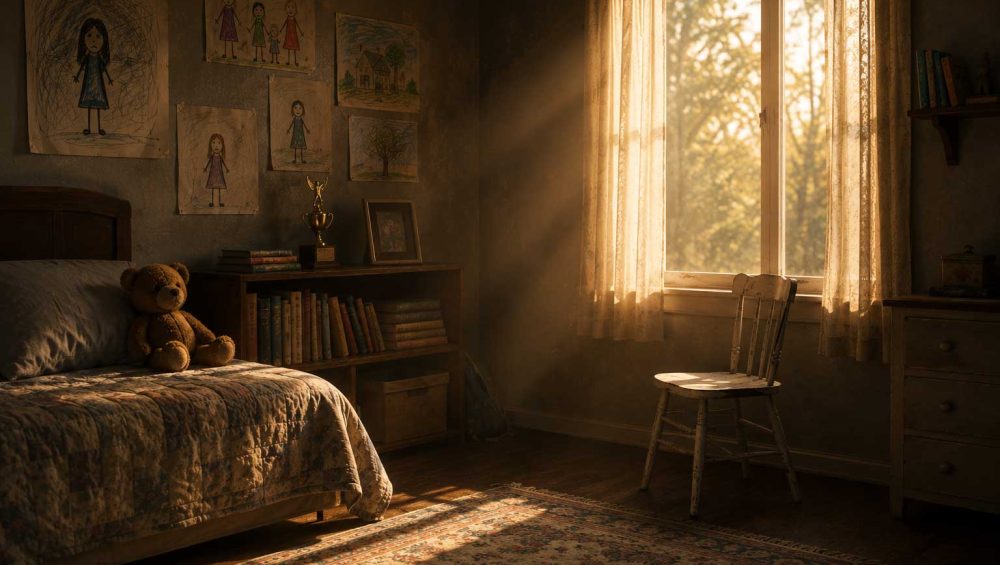
Growing up in a narcissistic family is like living in a house of mirrors—everything is distorted, confusing, and unpredictable. For the child who slips into the role of the lost child, the experience is especially isolating. Unlike the golden child who is showered with praise or the scapegoat who bears the brunt of criticism, the lost child often fades into the background, unseen and unheard.
If you were the lost child, you may recognize the quiet ache of invisibility. Perhaps you learned early to tiptoe around family dynamics, keeping your needs hidden to avoid drawing attention. You might have spent hours in your room, reading, playing alone, or daydreaming—worlds where you felt safer than in the chaos outside your door. As an adult, this survival strategy can linger, leaving you struggling with self-expression, boundaries, or believing you deserve love.
This journey is not just about pain—it’s also about resilience. Many lost children grow into highly empathetic, creative, and self-reliant adults. Yet, healing requires more than independence. It asks you to step out of the fog of invisibility and into the light of self-recognition. It asks you to claim your voice, your needs, and your place in the world.
This article explores what it means to be a lost child in a narcissistic family, the signs and struggles you may carry, and, most importantly, how you can reclaim your identity. Along the way, you’ll find strategies, boundaries, and stories of resilience that show you’re not alone. You are seen, you are valued, and you can break free from the shadows of your past. For a deeper look at the bigger picture, read more about healing from narcissistic family dynamics.
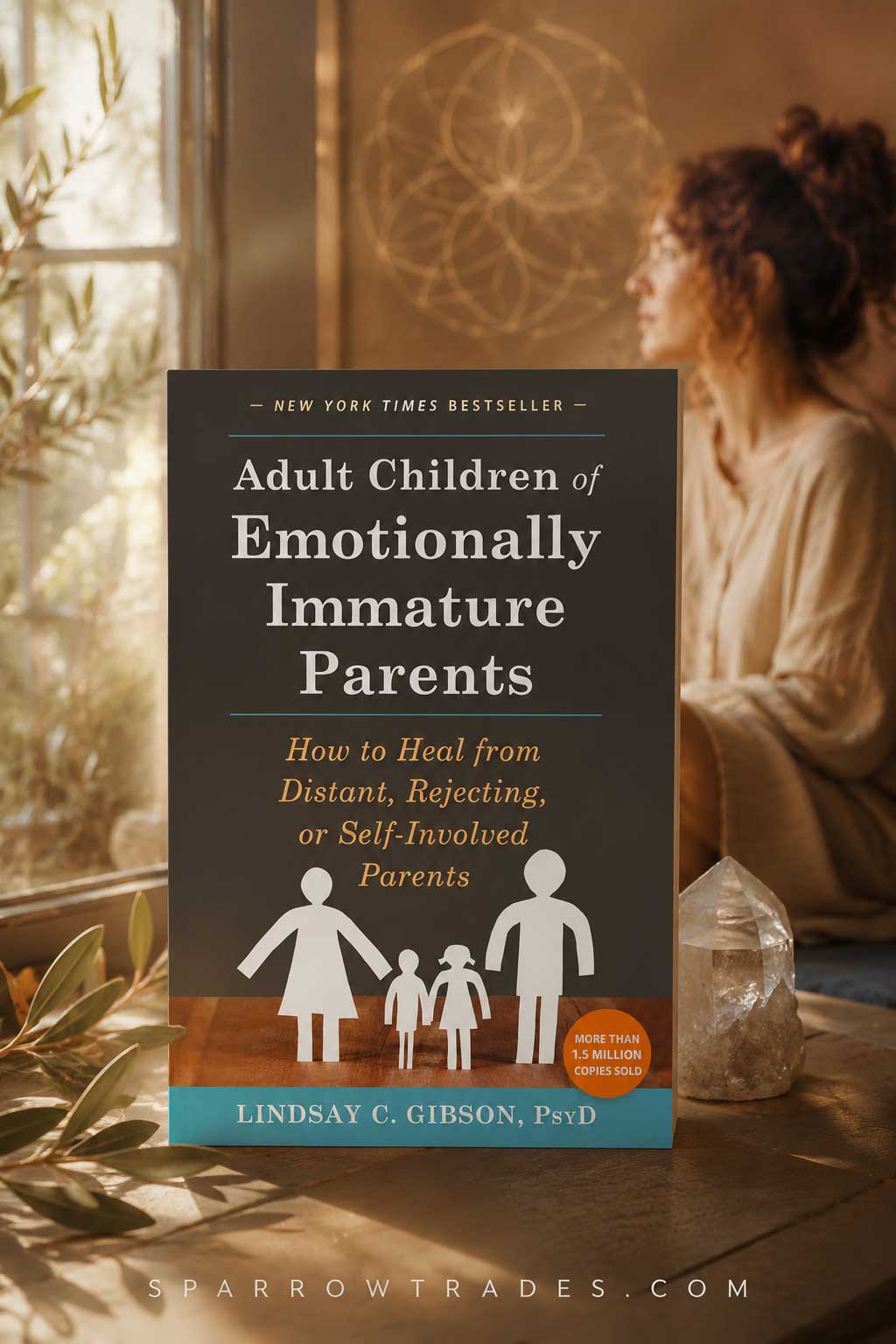
Understanding Narcissism and Its Impact on Family Dynamics
Narcissism goes far beyond simple self-centeredness. At its core, narcissistic personality traits involve a deep need for control, admiration, and validation, coupled with a striking lack of empathy. When a parent carries these traits into the family structure, the home becomes a stage where the parent is the star, and children are cast into rigid roles in a narcissistic family.
The golden child is idealized, reflecting the parent’s grandiosity. The scapegoat is blamed for dysfunction, carrying the weight of family chaos. And then there’s the lost child—quiet, compliant, and overlooked. This role develops as a survival mechanism. By disappearing into the background, the lost child avoids the wrath of the narcissistic parent, but also misses out on warmth, validation, and connection.
The effects ripple into every corner of life. Children in these families learn to suppress their needs to keep the peace. Emotional safety is replaced with hypervigilance. Instead of learning healthy self-expression, lost children learn invisibility. Over time, these patterns create deep scars—affecting self-worth, relationships, and even physical health. Recognizing the structure of a narcissistic family is the first step toward breaking the cycle and rewriting your story.
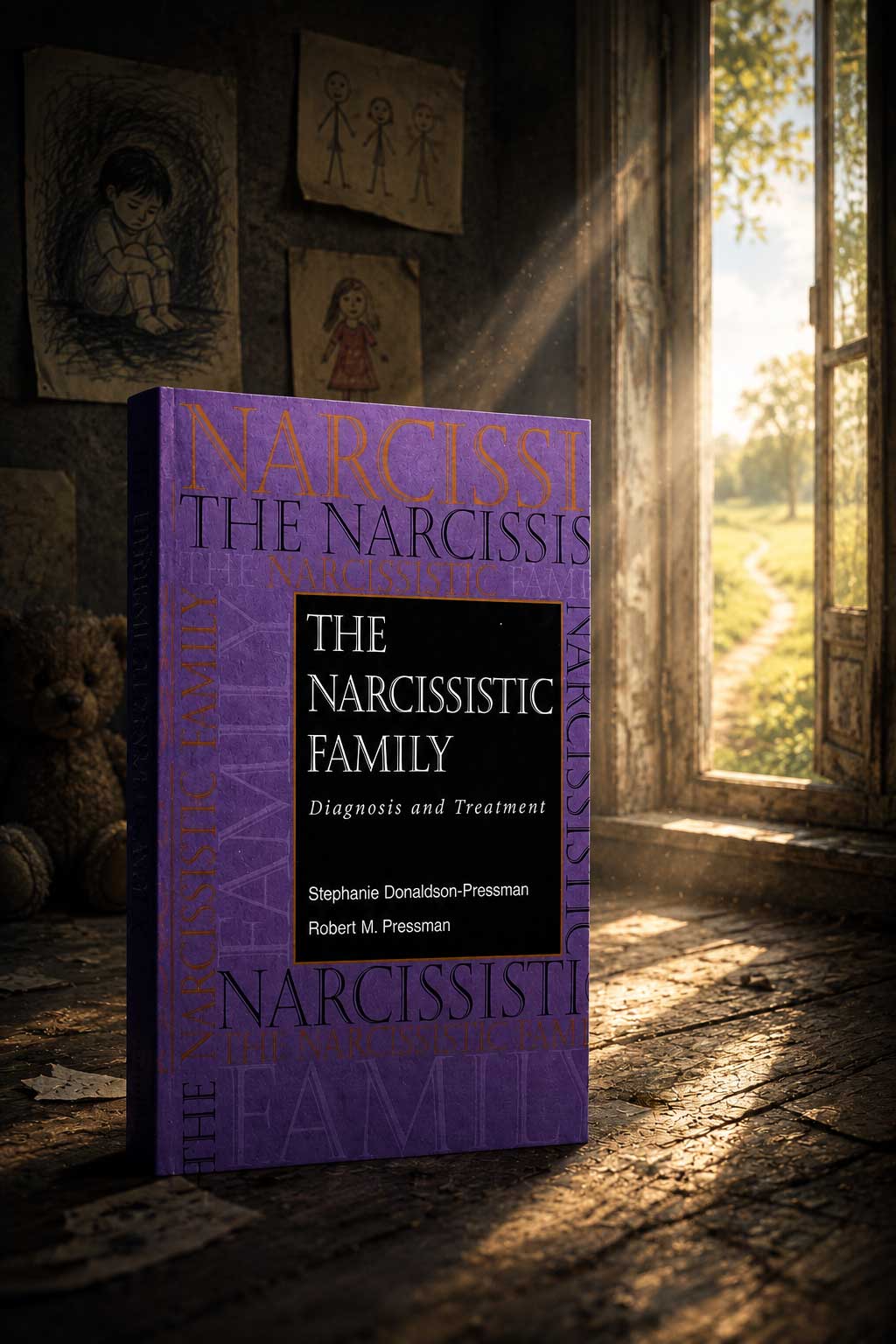
The Concept of the Lost Child in Narcissistic Families
The lost child doesn’t choose invisibility—it is thrust upon them. Imagine a child who senses the emotional storm in the household and instinctively hides in the eye of the storm. They learn quickly: silence means safety. Withdrawal means fewer conflicts. Compliance means invisibility.
But this invisibility cuts both ways. The lost child often misses out on essential nurturing, leaving them to believe they are unimportant or even unlovable. For instance, while siblings may argue at the dinner table for attention, the lost child might quietly eat, unnoticed, shrinking themselves to avoid tension. Their inner world becomes a place of refuge—books, imagination, and solitude provide comfort where family does not.
This role is often misunderstood by outsiders. Teachers may see a quiet, well-behaved student and assume all is well. Friends may see an easygoing personality without realizing the deep loneliness beneath the surface. The truth is that being the lost child means carrying a silent burden—one of invisibility, disconnection, and longing. For more on sibling roles, see golden child in a narcissistic family and scapegoat in a narcissistic family.
Signs You May Be a Lost Child
Healing begins with recognition. Here are some common signs you may have taken on the lost child role:
- A pervasive sense of invisibility: You often felt like your presence—or absence—didn’t matter. As an adult, this may show up as difficulty asserting yourself or a fear of being a burden.
- Struggles with connection: Because emotional vulnerability was unsafe, you may find it hard to open up or build deep relationships.
- Low self-worth: Neglect leaves its mark. You might carry the belief that your needs don’t matter or that you are undeserving of love.
- Preference for solitude: You may feel more comfortable alone than in groups, where visibility feels threatening.
- Difficulty knowing yourself: Years of invisibility may leave you unsure of your likes, dislikes, and even your identity.
Recognizing these patterns isn’t about blame—it’s about awareness. And awareness is the doorway to healing. For more, see emotional neglect in childhood.
Emotional and Psychological Effects of Growing Up in a Narcissistic Family
The scars of being a lost child often run deep. Many struggle with chronic low self-esteem, always questioning if they are good enough. Others carry anxiety and depression, born from years of unpredictability and neglect. Hypervigilance, perfectionism, or people-pleasing behaviors often emerge as ways to cope.
Relationships can also feel like a minefield. Lost children may repeat familiar patterns, gravitating toward narcissistic or emotionally unavailable partners. Trust can feel unsafe, intimacy overwhelming. Some may avoid relationships altogether, believing solitude is safer than vulnerability.
But here’s the hopeful truth: these patterns are not permanent. They were coping strategies that once kept you safe. By understanding where they come from, you can learn new ways of relating—to yourself and to others—that bring connection, safety, and joy. Explore more in healing from narcissistic abuse.
The Role of Boundaries in Healing
For lost children, boundaries are revolutionary. Growing up, you may not have had the space to say no, to express needs, or to protect your emotional well-being. Healing begins with learning that boundaries are not selfish—they are self-respect.
Start small. Practice saying no to small requests that drain your energy. Use “I” statements to express needs: “I need time to rest this evening”. Over time, you’ll learn that your needs are valid and your voice matters. Boundaries also extend to choosing who has access to your emotional world. You can decide which relationships nurture you and which ones need distance.
Think of boundaries as building a fence around your inner garden. You get to decide who enters, who stays outside, and who is allowed close. In doing so, you protect your growth and create space for healing. See more in setting healthy boundaries.
Strategies for Reclaiming Your Identity
Reclaiming identity is about rediscovery. Start by asking: Who am I outside of my family’s story? Engage in activities that light you up—painting, writing, hiking, cooking, or even journaling. These aren’t hobbies; they are doorways to selfhood.
Challenge old narratives by replacing them with affirmations: “I am worthy of love.” “My needs matter.” “I have a voice.” Surround yourself with people who see and affirm you. Sometimes, finding supportive friendships or communities can feel like finally being “seen” for the first time.
Therapy and support groups are powerful tools in this journey. A therapist can help unravel old patterns and rebuild healthier ones, while group support provides connection with others who understand. Each step toward self-discovery is a step away from invisibility and toward authenticity. Learn more about reclaiming your identity and self-discovery and empowerment.
Seeking Professional Help: Therapy and Support Groups
Healing from narcissistic family dynamics is heavy work, and you don’t have to do it alone. A skilled therapist can guide you through the maze of emotions, helping you process trauma, understand family roles, and build healthier coping strategies.
Therapies like CBT (Cognitive Behavioral Therapy), DBT (Dialectical Behavior Therapy), or trauma-informed approaches are often effective. More importantly, therapy offers a safe space to be heard and validated—something many lost children never had growing up.
Support groups also provide powerful healing. Hearing others share similar experiences breaks the illusion of isolation. Whether online or in-person, these spaces offer validation, community, and shared wisdom. Together, therapy and community can turn isolation into connection. For additional tools, see childhood trauma recovery.
Building Healthy Relationships Outside the Family
To heal is to learn new patterns. Building healthy relationships starts with recognizing what healthy looks like: mutual respect, trust, empathy, and reciprocity. For a lost child, this can feel foreign—but with time, it becomes natural.
Practice vulnerability with people you trust. Start small—share a thought, a feeling, a story. Watch for how people respond. True friends listen, validate, and respect boundaries. In these safe relationships, you can practice being seen without fear.
Equally important is self-care. Healthy relationships grow from self-worth, and self-worth grows when you invest in yourself. Prioritize rest, joy, and growth. As you heal, your relationships will naturally begin to reflect your new sense of worth.
Lost Child in Narcissistic Family: FAQs
Growing up as the lost child in a narcissistic family leaves deep questions. Here are some common ones, with compassionate answers to help guide your healing journey.
What does it mean to be the lost child in a narcissistic family?
The lost child is the child who fades into the background, often overlooked and ignored. This role develops as a survival mechanism—staying invisible feels safer than attracting negative attention.
How do I know if I was the lost child?
If you often felt invisible, avoided conflict by withdrawing, or learned not to express needs or emotions, you may have taken on the lost child role. These patterns often continue into adulthood.
Can the lost child role change over time?
Yes. Family roles are not always fixed. A lost child may shift into scapegoat or golden child depending on family dynamics, but invisibility often remains a core experience.
What are the long-term effects of being a lost child?
Long-term effects can include low self-esteem, struggles with intimacy, difficulty asserting needs, and a tendency toward isolation. Many also carry anxiety, depression, or perfectionism.
How can therapy help me heal?
Therapy provides validation, helps process trauma, and teaches healthier coping strategies. A therapist experienced with narcissistic family dynamics can help you set boundaries, build confidence, and reclaim your identity.
Is it possible to fully heal from being the lost child?
Yes. Healing takes time, but with boundaries, self-discovery, and support, lost children can reclaim their voice, build healthy relationships, and live with authenticity and joy.
Conclusion: Embracing Your Journey to Healing and Freedom
Being the lost child in a narcissistic family is a painful role, but it does not define your future. You are more than the silence you endured, more than the invisibility you carried. By understanding your role, setting boundaries, reclaiming identity, and seeking support, you can transform your story from invisibility to empowerment.
Remember: healing is not about erasing the past—it’s about reclaiming the present and building a future filled with authenticity, love, and freedom. You have the power to break free from the shadows and step fully into the light of your own life.

Where softness, self-awareness, and emotional healing are allowed to coexist. Through reflective writing, grounding rituals, and intentional beauty, Sparrow Trades offers gentle support for sensitive souls learning to reconnect with themselves.