

In healthy families, children are allowed to be individuals. Their emotions are responded to, their needs matter, and their identity unfolds naturally over time. In narcissistic family systems, something very different happens.
Rather than supporting emotional growth, the family organizes itself around control, image, and emotional survival. Children are not seen as separate people, but as extensions of the system’s emotional needs. Over time, this creates rigid, unspoken roles that children are pushed into—often without realizing it until adulthood.
This is what people mean when discussing narcissistic family dynamics and roles. It’s not simply about a difficult parent. It’s about a system that prioritizes appearance over authenticity and emotional stability over emotional truth. These dynamics often rely on gaslighting and trust erosion to keep children doubting their perceptions.
In these families, love is often conditional. Approval is earned through compliance, performance, or emotional caretaking. Emotional expression that disrupts the system is frequently met with healing after being emotionally invalidated, leaving children unsure whether their feelings are acceptable or safe.
Over time, children stop asking, “What do I feel?” and start asking, “Who do I need to be to stay safe?” That shift often leads to self-erasure, where identity becomes defined by function rather than authenticity.
Many adults raised in these systems later struggle with guilt, people-pleasing, and difficulty trusting themselves. Understanding the larger pattern is often the first moment of clarity.
How Narcissistic Family Systems Operate
At the core of narcissistic family systems is emotional instability that must be controlled. Instead of helping children regulate emotions, the system quietly requires children to regulate the adults.
One common mechanism is healing after family blame and projection, where unresolved shame or anger is displaced onto a child who becomes the emotional outlet for the system.
Another defining feature is the collapse of understanding emotional boundaries and the psychology of respect. Children are expected to absorb adult emotions or suppress their own needs to maintain stability.
Reality inside these families is often unstable, reinforced through recognizing emotional manipulation and gaslighting in relationships. Over time, children learn to doubt themselves instead of the system.
The Core Roles in Narcissistic Family Dynamics
Narcissistic family systems rely on roles to maintain balance. These roles are assigned, not chosen, and they often shape identity well into adulthood.
The scapegoat. This child absorbs blame and carries the family’s unresolved conflict. The experience aligns with being the scapegoat in a narcissistic family. Healing often includes releasing the scapegoat identity.
The golden child. This child is rewarded for compliance, achievement, or emotional alignment. The golden child in a narcissistic family may appear privileged, but love remains conditional, often requiring breaking the golden child programming later in life.
The lost child. This role survives by disappearing emotionally, learning early that needs are unsafe or inconvenient.
The caretaker. Often praised as mature, this child manages adult emotions and conflict, reinforcing how to heal generational trauma patterns unless interrupted.
Roles are not personality flaws—they are survival strategies.
FAQ: Narcissistic Family Dynamics and Roles
These questions often come up when people begin recognizing role-based family patterns.
Why do narcissistic families assign roles to children?
Roles stabilize an emotionally fragile system. Instead of resolving conflict directly, the family distributes emotional labor and blame to preserve control.
Can siblings experience the same family very differently?
Yes. Roles shape perception, often resulting in long-term tension and the need for healing sibling relationships after family trauma.
Do these roles affect adult relationships?
Often, yes. Many adults unconsciously repeat familiar dynamics, especially under stress.
Is it possible to heal without confronting family members?
Yes. Healing may include boundaries, nervous system regulation, and learning boundaries with a narcissistic sibling.
Does recognizing these dynamics mean blaming parents?
No. Awareness allows accountability without self-blame or demonization.
Conclusion: Reclaiming Identity Beyond the Role
Growing up in a narcissistic family often means learning who you are in relation to others, not who you are within yourself. Roles provided safety when emotional security was missing.
Healing begins when survival strategies are separated from identity. This may include rebuilding self-worth after being the family scapegoat or recognizing how golden child and scapegoat roles in adulthood continue shaping relationships.
Recovery is not about erasing the past. It’s about restoring choice, self-trust, and emotional autonomy, sometimes through reparenting for scapegoat survivors.
When roles loosen, identity becomes something you inhabit—not something you perform.
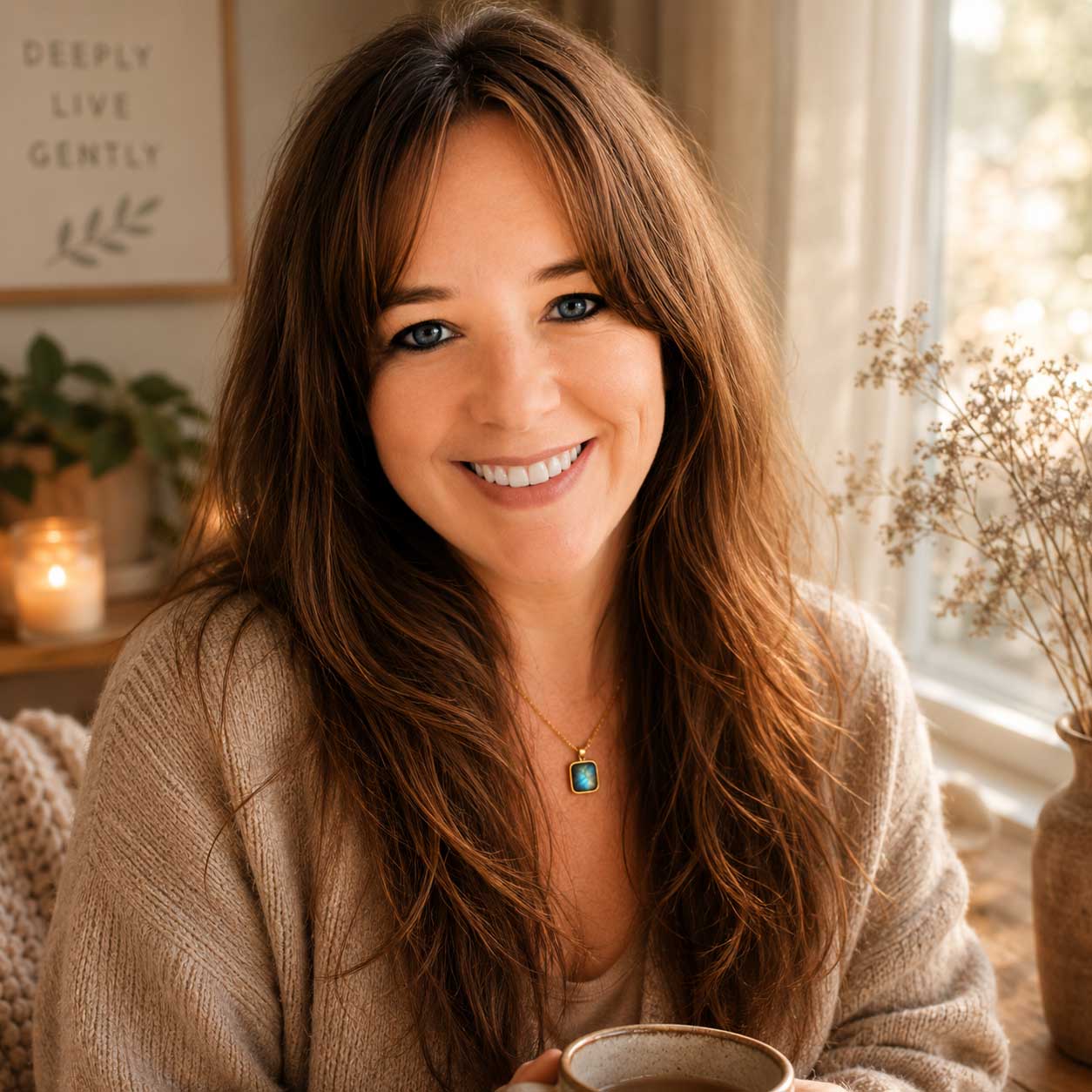
Where softness, self-awareness, and emotional healing are allowed to coexist. Through reflective writing, grounding rituals, and intentional beauty, Sparrow Trades offers gentle support for sensitive souls learning to reconnect with themselves.