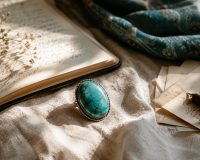
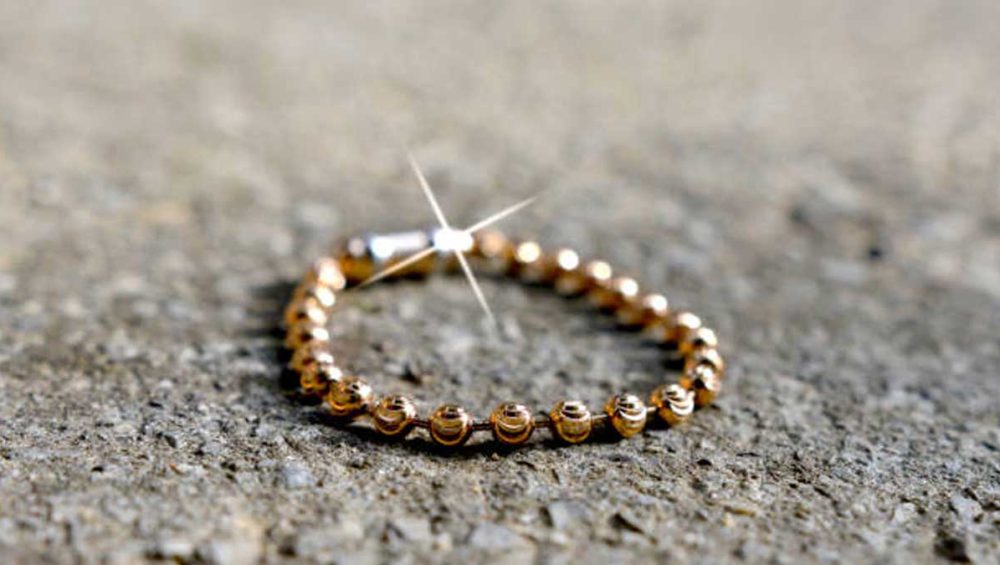
There is a specific kind of letdown that comes with jewelry losing its shine.
It usually starts small. A ring that looked bright a week ago suddenly seems cloudy in the bathroom light. A bracelet you wore every day begins to leave a faint mark on your skin. A necklace you loved because it felt easy now feels like one more thing to manage. You start taking it off before washing your hands. You wonder if you stored it wrong. You question whether your skin, your routine, or your life is somehow too hard on delicate things.
That is often the real reason people start searching for jewelry that doesn’t tarnish. Not because they are trying to be demanding. Not because they expect perfection. They are usually just tired of getting attached to something that cannot stay with them in the way they hoped.
Jewelry lives close to the body. It picks up the warmth of your skin, the rhythm of your day, the ordinary intimacy of being worn through errands, work, grief, celebration, and all the quiet in-between moments. That closeness is part of the symbolism of jewelry people feel even when they do not have words for it. Jewelry is rarely only about appearance. It becomes memory, comfort, expression, and sometimes a tiny form of steadiness you can carry without explaining yourself.
So when a piece tarnishes quickly, the disappointment is not always shallow. Sometimes it feels like the promise of it changed. Something that seemed dependable turns unpredictable. Something that felt like part of your rhythm starts asking for care you do not have the bandwidth to give.
If your nervous system is already carrying a lot, that matters. Constant maintenance can feel louder than it should. Repeatedly checking, removing, cleaning, protecting, remembering what can and cannot get wet—it all creates friction. And friction has a way of taking up more emotional space than people expect.
That is why long-lasting materials matter. Not because beautiful things should never change, but because some pieces are meant to support daily life rather than interrupt it. The right material lets jewelry stay soft in your awareness. You put it on and forget about it in the best possible way. It remains part of your day without pulling attention toward damage control.
This article is for that kind of search. The honest one. The one rooted in wanting ease, steadiness, and a little more trust in what you wear close to your skin. Because choosing jewelry that does not tarnish is not really about being high-maintenance. It is often the opposite. It is about wanting something that can meet you where you already are.
What People Usually Mean When They Want Jewelry That Doesn’t Tarnish
When most people say they want jewelry that does not tarnish, they are not asking for a chemistry lesson. They are asking for consistency.
They want a piece that still looks like itself after real life happens. After warm days, rushed mornings, long commutes, hand washing, sunscreen, sweat, rain, and the thousand ordinary ways a body moves through the world. They want something they do not have to monitor all the time.
Tarnish itself is simply a reaction. Certain metals respond to air, moisture, skin chemistry, and daily exposure by darkening, dulling, or changing color. But the emotional experience of tarnish is often more important than the technical explanation. It can feel like unpredictability. Like one more thing that was easier at first than it turned out to be.
That is part of why durable jewelry often feels more calming to wear. It gives you fewer decisions to make. It does not keep asking whether today is a day you can safely wear it. That quiet ease is one reason people are drawn to pieces associated with grounding jewelry meaning. Stability is not only a visual quality. Sometimes it is a bodily one.
The same is true of jewelry chosen for symbolic reasons. A piece meant to help you feel centered, protected, or emotionally steady works differently when you trust that it can stay with you. That is why material matters just as much as style in jewelry connected to protective jewelry meaning. If a piece is meant to feel supportive, it helps when it is not constantly asking for rescue.
So the deeper question is not only, “Will this tarnish?” It is also, “Will this keep asking something from me?” For many people, that is the real dividing line between jewelry that looks good for a moment and jewelry that feels good to live with.
The Materials That Tend to Hold Up Best
One of the most relieving things to learn is that not all jewelry fades because you did something wrong. A lot of it comes down to the material itself.
Stainless steel is one of the most dependable options for everyday wear. It resists corrosion, holds its finish well, and usually tolerates water, sweat, and routine contact better than more reactive metals. It does not always carry the romance people associate with gold, but it often gives something just as valuable: peace of mind. It also makes sense in pieces people wear constantly, especially when they want the feel of healing jewelry without the pressure of delicate upkeep.
Solid gold is another strong choice, especially when you want warmth, softness, and longevity in the same piece. Higher-karat gold resists tarnish well, though it can be softer depending on the blend. People often choose gold not just because it lasts, but because it carries emotional weight. It shows up in milestones, inheritances, and intimate gifts for a reason. That thread becomes more visible when you think about the symbolism of gold in relationships and how deeply people connect lasting metals with lasting meaning.
Titanium is another underrated option. It is light, strong, and highly resistant to corrosion. If you are sensitive to heavy jewelry or you want something you can wear without noticing, titanium often feels surprisingly easy on the body.
Where people get tripped up is usually plated jewelry. Gold-plated pieces can look beautiful at first, but the outer layer is thin. Over time, friction wears it down. That does not make plated jewelry bad. It just means it is not built for the same kind of daily intimacy as more stable materials. If you want something that survives constant wear, the difference between appearance and structure matters.
And if part of your draw is the beauty of stones, that is where thoughtfully chosen gemstone jewelry can feel especially meaningful—when the material holding the stone is as reliable as the intention behind it.
Why Daily-Wear Jewelry Needs to Match Real Life, Not Fantasy Life
There is a version of ourselves we sometimes imagine when we buy jewelry. In that version, we remember to remove it before the shower. We store everything carefully. We never sleep in it, never rush, never forget, never toss it on the counter after a long day and promise to deal with it tomorrow.
And then there is actual life.
Actual life is warm weather, full schedules, emotional fatigue, travel, errands, sweaty afternoons, and those days when the simplest routine already feels like enough. In actual life, the best jewelry is often the jewelry that does not demand a perfect owner.
That is why material choice becomes even more important when seasons change. Heat, humidity, sunscreen, salt air, and more skin exposure all tend to make delicate pieces show their limits faster. The people who feel most disappointed by that are usually not careless. They are just living inside a real body, in real weather. It is one reason articles about lightweight jewelry materials for hot weather resonate so strongly. Comfort and durability often need each other.
The same goes for styling. Summer looks effortless from the outside, but easy styling only feels easy when the materials cooperate. A simple chain, a favorite bracelet, a layered neckline—those choices stay enjoyable when they still feel good at the end of the day. That is part of the appeal of pieces woven into how to layer necklaces in summer or a calm, unfussy beach jewelry styling guide. Beauty lands differently when it can keep pace with life.
Sometimes the kindest choice is not the most delicate one. It is the piece that understands your actual rhythm and stays beautiful inside it.
The Hidden Emotional Cost of Jewelry That Keeps Failing You
When jewelry tarnishes quickly, the loss is rarely dramatic. It is usually cumulative. A small disappointment here, a little frustration there. Over time, it can create a quiet mistrust in your own choices.
You might start thinking you are too hard on your things. That your skin ruins everything. That you always pick the pretty option instead of the practical one. But that story is often unfair.
Many affordable pieces are designed for short-term shine, not long-term wear. Some use reactive base metals. Some rely on coatings that naturally wear down. Some were never meant to survive water, friction, or frequent contact. When they change, it is not always a sign that you misused them. Sometimes you are simply asking a temporary material to do a permanent job.
This becomes especially confusing with metals people associate with wellness or everyday support. Someone may love the look or feeling of bracelets tied to the benefits of copper bracelets, then feel surprised when copper behaves like copper and shifts over time. Others get caught in comparison loops about copper vs magnetic bracelets, hoping one option will somehow solve both meaning and maintenance at once.
The truth is gentler than that. Different materials serve different needs. Some are wonderful for occasional wear, trend-driven styling, or budget flexibility. Others are better for attachment—the kind where a piece stays on so often it begins to feel like part of your baseline.
That distinction matters, because when you stop framing tarnish as your failure, you can choose from a steadier place. You start noticing what you really want: not just beauty, but reliability. Not just symbolism, but a structure strong enough to hold it. Sometimes that leads naturally toward a clearer sense of best non tarnish jewelry materials, or toward practical clarity around does stainless steel jewelry tarnish and is gold plated jewelry worth it. The point is not to overthink every purchase. It is to stop blaming yourself for wanting something that lasts.
How to Choose Jewelry That Feels Easy to Trust
If you want jewelry that does not tarnish, it helps to think less about trends and more about relationship. How do you want this piece to live with you? What kind of care can you genuinely offer? What do you need it to withstand without becoming another item on your mental list?
If you rarely remove your jewelry, stable materials matter more than surface sparkle. If you wear pieces through work, workouts, travel, or emotionally demanding days, the right choice is usually the one that asks the least from you. You should not have to become more vigilant just to keep a bracelet or necklace looking like itself.
That does not mean only buying expensive pieces. It means being honest about use. Some jewelry is for occasions. Some is for identity. Some is for everyday companionship. The clearer you are about which role a piece is meant to play, the easier it becomes to choose wisely.
It can also help to notice whether you are seeking more than durability. Sometimes the piece you want is not only long-lasting, but emotionally steady—something you can wear as a kind of quiet return to yourself. That is where care choices and styling choices start to meet. You might find yourself paying more attention to how to keep jewelry from tarnishing, or comparing practical language like tarnish resistant vs waterproof jewelry because you want reality, not marketing promises.
And often, once you find the right material, the whole experience softens. You stop checking. You stop compensating. You stop wondering whether your body or routine is too much for beautiful things.
You just wear the piece.
And it stays with you.
Frequently Asked Questions About Jewelry That Doesn’t Tarnish
What type of jewelry is least likely to tarnish?
Jewelry made from stainless steel, titanium, and solid gold is usually least likely to tarnish. These materials hold up well because they do not react as easily to air, moisture, or everyday contact. They are often the best fit for people who want something they can wear regularly without constant upkeep.
Is stainless steel jewelry good for everyday wear?
Yes, stainless steel is one of the best choices for everyday wear. It is durable, resistant to corrosion, and usually handles sweat, water, and frequent use better than more reactive metals. It tends to work especially well for people who want a low-maintenance piece that still looks polished.
Does gold-plated jewelry tarnish over time?
Gold-plated jewelry can tarnish or fade over time because the outer gold layer is thin and wears down with friction and exposure. It can still be beautiful, but it is usually better for occasional wear than for constant daily use. If you want something longer lasting, solid gold or stainless steel is often a steadier choice.
Can you shower with jewelry that does not tarnish?
Some jewelry materials, like stainless steel and solid gold, are more shower-safe than others, but daily exposure to water, soap, and product buildup can still affect the finish over time. Even with durable jewelry, gentle care helps preserve the piece longer. The safest approach is still to know the material rather than assume all non-tarnish jewelry behaves the same way.
How do I know if a piece of jewelry will last?
The best clue is the material, not just the color or shine. Solid metals like stainless steel, titanium, and solid gold usually last longer than plated pieces or jewelry made from reactive base metals. Looking at how you actually plan to wear the piece also helps, because longevity depends on whether the material matches your daily routine.
What is the difference between tarnish-resistant and waterproof jewelry?
Tarnish-resistant jewelry is made to reduce discoloration, while waterproof jewelry is meant to handle exposure to water with less damage. Some materials offer both qualities, but the terms are not identical. A piece can resist tarnish and still need thoughtful care if it is exposed to water often.
Conclusion
There is something deeply reassuring about jewelry that stays the way you need it to stay.
Not frozen. Not perfect. Just dependable. Quietly bright. Able to move through your life without becoming another thing you have to monitor, protect, or troubleshoot. When a piece can do that, it stops feeling like an accessory and starts feeling like support.
That is why the search for jewelry that does not tarnish carries more feeling than people sometimes admit. It is not only about metal. It is about trust. It is about the relief of finding something beautiful that can handle ordinary life with you.
And maybe that matters because so much of modern life already asks us to be vigilant. To notice every detail. To anticipate problems before they happen. A durable piece of jewelry offers a tiny refusal of that pattern. It says: this can be simple. This can stay. You do not have to work so hard for this part.
If that is what you are looking for, let that be enough. Choose materials that match your real rhythm. Let ease be part of your standard. Let durability count as beauty. And if a piece supports how you live—not just how it looks in a still moment—there is a good chance you will feel the difference long after the first shine would have faded.

Where softness, self-awareness, and emotional healing are allowed to coexist. Through reflective writing, grounding rituals, and intentional beauty, Sparrow Trades offers gentle support for sensitive souls learning to reconnect with themselves.