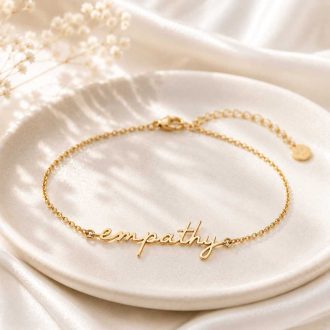

There are people who can immediately recognize pain in someone else’s voice.
They notice the pause before a friend says, “I’m fine.” They feel tension in a room before anyone speaks. They instinctively soften their tone when someone looks overwhelmed. They know how to comfort, reassure, and emotionally hold the people around them.
But when those same people are hurting, they often become strangely invisible to themselves.
They push through exhaustion. They explain away their own sadness. They minimize their needs before anyone else has the chance to dismiss them. Somewhere along the way, caring for others became easier than extending that same tenderness inward.
That is where empathy for self quietly disappears.
For many emotionally sensitive people, self-neglect does not look dramatic. It looks responsible. Helpful. Adaptable. It looks like constantly checking on everyone else while silently hoping someone notices you are drowning too.
Sometimes this pattern begins in environments where emotional safety felt conditional. Maybe your emotions were criticized, ignored, mocked, or treated like a burden. Maybe you learned that being emotionally useful earned connection while having needs created tension. Over time, you stopped turning toward yourself with care.
Instead, you learned survival.
You learned how to stay emotionally available while becoming emotionally absent from your own inner world.
That disconnection can slowly evolve into self-erasure without you even realizing it. You become deeply attuned to everyone else while losing access to your own emotional reality.
The painful part is that many people who struggle with empathy for self are not lacking compassion. They are overflowing with it. Their nervous systems simply learned that other people’s emotions mattered more.
This is especially common for people navigating empath identity or chronic emotional caregiving patterns. Sensitivity itself is not the problem. The problem begins when your emotional awareness only flows outward.
Eventually, your body starts trying to get your attention.
Exhaustion becomes constant. Emotional numbness appears unexpectedly. You feel resentment after overextending yourself. You become disconnected from what you actually need because your emotional energy is always scanning outward.
Sometimes people call this burnout, but often it is something deeper: when empathy becomes emotional exhaustion that develops after years of abandoning your own emotional experience.
Empathy for self is not selfishness. It is not emotional indulgence. It is the ability to stay emotionally present with yourself without immediately minimizing, judging, or abandoning what you feel.
It means noticing your exhaustion before your body collapses.
It means treating your emotional pain as worthy of care even when no one else validates it.
It means realizing that compassion was never supposed to exclude you.
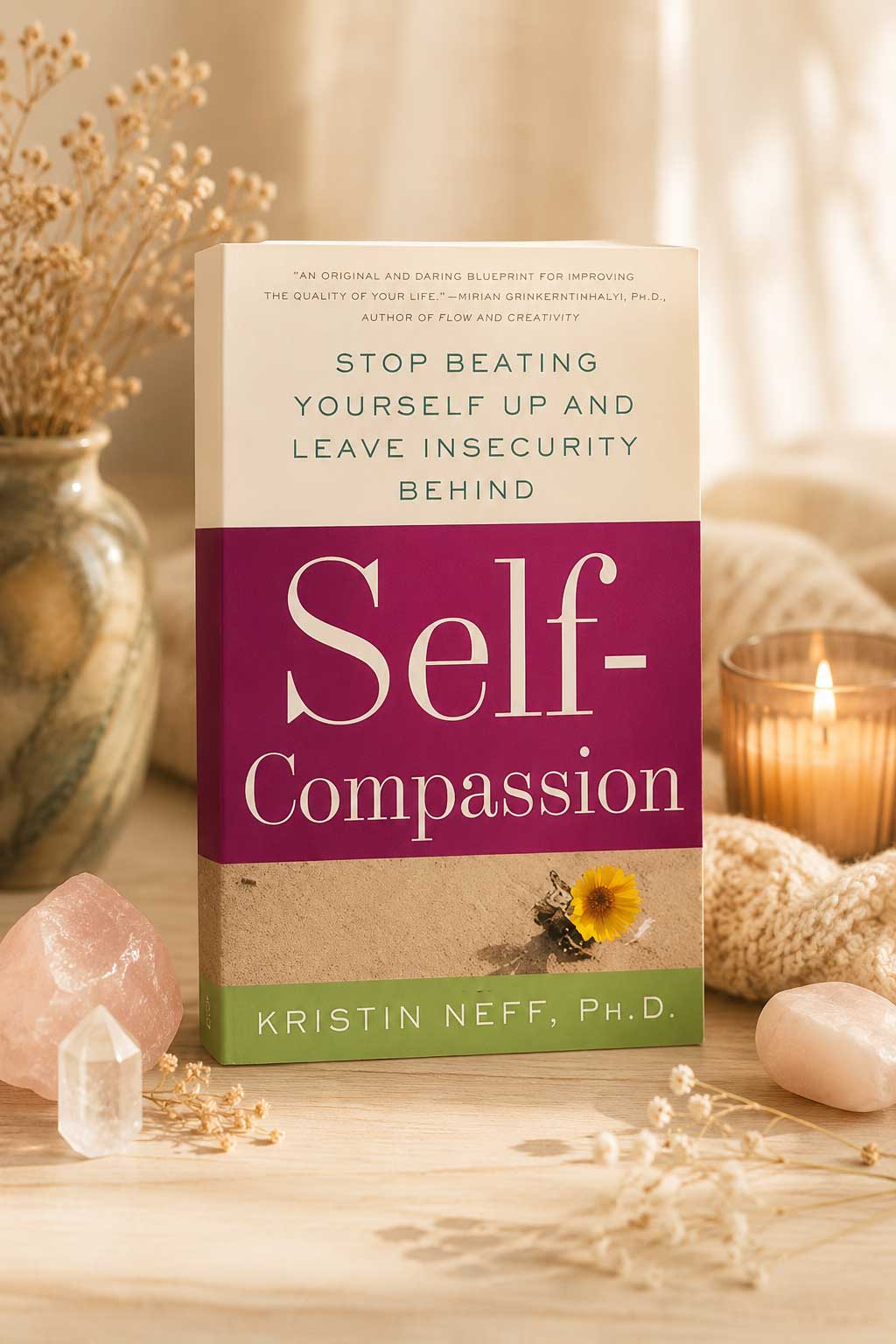
Why So Many Emotionally Sensitive People Struggle With Empathy for Self
Many people assume self-compassion should come naturally.
But for emotionally sensitive individuals, empathy often developed as a survival response long before it became a healthy relational skill.
If you grew up constantly monitoring emotional atmospheres, reading facial expressions, or adjusting yourself to keep peace, your nervous system may have learned that safety depended on emotional awareness directed outward.
You became highly skilled at anticipating discomfort in others while disconnecting from discomfort inside yourself.
Over time, this can create a painful imbalance. You know how to comfort everyone else, but you freeze when trying to comfort yourself.
Even recognizing your own emotions may feel confusing.
Some people notice this when they finally stop moving long enough to feel their own exhaustion. Others recognize it after emotional burnout, relationship breakdowns, or chronic overwhelm.
They realize they spent years giving understanding away while silently starving for it internally.
This pattern often overlaps with emotional invalidation experienced earlier in life. When emotions are repeatedly dismissed, people begin doubting their inner reality. They stop trusting what they feel because trusting themselves once created rejection, shame, or conflict.
Eventually, your emotional needs start feeling inconvenient even to you.
You apologize for being tired.
You explain away your sadness.
You talk yourself out of your own boundaries.
Sometimes people become so externally focused that they no longer know how to tell if an emotion is yours or someone else's because emotional absorption has become automatic.
This is not weakness.
It is a nervous system adaptation.
And adaptations can be softened.
The first step is recognizing that empathy for self does not require becoming less caring toward others. It simply asks you to stop abandoning yourself in the process.
That shift can feel uncomfortable at first because many people unconsciously associate self-attunement with guilt. The moment they prioritize their emotional needs, anxiety appears.
That anxiety usually has a history.
People who learned to emotionally overfunction often fear disappointing others, appearing selfish, or losing connection if they stop constantly accommodating.
But emotional exhaustion is not proof of goodness.
It is often proof that your care has been flowing in only one direction for too long.
What Self-Abandonment Actually Feels Like
Self-abandonment rarely announces itself clearly.
Most people do not wake up thinking, “I am disconnected from myself.”
Instead, they feel constantly overwhelmed, emotionally exhausted, resentful, numb, or strangely invisible inside their own lives.
They know how everyone else is feeling but cannot answer simple questions about themselves.
What do you need?
What hurt you?
What would help right now?
The silence that follows can feel unsettling.
Sometimes self-abandonment looks like endlessly rationalizing harmful behavior from others while criticizing yourself for reacting emotionally.
Sometimes it looks like becoming emotionally available to everyone except yourself.
Many people trapped in these patterns learned early that their emotional survival depended on maintaining harmony. They became caretakers, peacekeepers, listeners, mediators, or emotional absorbers.
Eventually, they stopped asking whether their own emotional world felt safe.
This is why empathy for self often begins with grief.
Not because you are broken, but because you start realizing how long you have been emotionally leaving yourself behind.
For some people, this awareness emerges after recognizing healing after being emotionally invalidated in their past relationships or family systems.
For others, it appears after navigating gaslighting and trust erosion that slowly disconnected them from their emotional instincts.
Once you stop trusting yourself emotionally, it becomes easier to abandon your own needs before anyone else can.
You preemptively silence yourself.
You convince yourself your pain is not “serious enough.”
You become emotionally self-protective by emotionally disappearing.
And eventually your nervous system begins carrying the weight of everything you never allowed yourself to fully feel.
That emotional accumulation often shows up physically.
Tightness in the chest.
Difficulty relaxing.
Persistent emotional hypervigilance.
Feeling emotionally responsible for everyone around you.
Living in survival mode for too long can disconnect people from their bodies entirely, which is why practices like somatic self-soothing practices and nervous system regulation techniques can feel surprisingly emotional.
The body often notices self-abandonment before the mind does.
Empathy for self starts when you stop treating your emotional pain like an interruption.
Relearning How to Stay Emotionally Present With Yourself
One of the hardest parts of healing self-abandonment is learning how to remain emotionally present without immediately escaping, minimizing, or intellectualizing what you feel.
Many emotionally sensitive people are skilled at analyzing emotions while still remaining disconnected from them.
They can explain their pain clearly while never actually sitting with it compassionately.
Empathy for self requires something slower.
It asks you to stop performing emotional strength long enough to hear yourself honestly.
That may begin with very small moments.
Noticing your exhaustion before pushing past it.
Acknowledging disappointment without shaming yourself for having expectations.
Recognizing that emotional overwhelm does not make you weak.
For many people, this process initially feels unsafe. Emotional awareness may activate old survival fears connected to criticism, rejection, or abandonment.
That is why nervous-system safety matters so deeply during emotional healing.
Sometimes people cannot access self-compassion because their bodies still associate emotional openness with danger.
Practices like grounding rituals for emotional safety and journaling for nervous system safety can help create emotional steadiness without forcing vulnerability too quickly.
The goal is not emotional perfection.
The goal is emotional presence.
Many people discover they have spent years emotionally abandoning themselves every time discomfort appeared. They distracted themselves, overexplained, caretook others, or stayed busy to avoid sitting with their own pain.
But emotions that are consistently abandoned do not disappear.
They accumulate.
They surface as irritability, numbness, anxiety, burnout, emotional shutdown, or chronic people pleasing.
This is why developing learning to trust your emotions again becomes such an important part of empathy for self.
You cannot emotionally support yourself if you automatically distrust your own inner experience.
That rebuilding process often happens gradually.
You begin checking in with yourself more honestly.
You stop immediately overriding your emotional instincts.
You notice when your body feels unsafe around certain people.
You allow your emotions to exist without instantly trying to justify them.
This is not emotional selfishness.
It is emotional reconnection.
And for many people, it is the first time they have ever truly felt emotionally accompanied by themselves.
Why Emotional Boundaries Are Necessary for Self-Empathy
Empathy without boundaries eventually becomes self-erasure.
Many emotionally sensitive people confuse compassion with unlimited emotional accessibility. They believe being caring means staying endlessly available regardless of exhaustion, resentment, or overwhelm.
But empathy for self changes the way you understand emotional responsibility.
You begin realizing that constantly abandoning your own needs does not create healthy connection. It creates emotional depletion.
People who struggle with boundaries often learned that saying no risked guilt, rejection, criticism, or emotional withdrawal. So they adapted by becoming highly accommodating.
They ignored discomfort.
They overexplained themselves.
They absorbed emotional labor that was never theirs to carry.
Eventually, their nervous systems became overwhelmed from chronic emotional overextension.
This is why setting emotional boundaries is not only relational work. It is self-protection.
Boundaries create space where empathy for self can finally exist.
Without boundaries, your emotional energy is constantly pulled outward.
You stay focused on managing reactions, preventing conflict, soothing others, or avoiding disappointment. There is little room left to hear your own emotional reality.
Many people first recognize this exhaustion while trying to stop absorbing other people's emotions after years of emotional hyper-attunement.
At first, boundaries may feel emotionally uncomfortable.
You may experience guilt when prioritizing rest.
You may feel anxiety when disappointing someone.
You may fear being misunderstood when choosing emotional distance.
But discomfort does not always mean you are doing something wrong.
Sometimes discomfort simply means your nervous system is adjusting to healthier emotional patterns.
Empathy for self means understanding that your emotional needs matter even when someone else dislikes them.
It means recognizing that protecting your peace is not cruelty.
It means allowing yourself to exist as a full emotional person instead of functioning only as emotional support for everyone else.
For people who spent years emotionally overfunctioning, this shift can feel deeply unfamiliar.
But unfamiliar does not mean unsafe.
Often, it means healing is finally beginning.

Rebuilding Emotional Safety Inside Yourself
Many people spend years searching for emotional safety entirely outside themselves.
They look for reassurance from relationships, validation from others, or proof that their emotions are acceptable.
But empathy for self changes where emotional safety begins.
Instead of abandoning yourself whenever discomfort appears, you slowly learn how to remain emotionally supportive toward yourself even during difficult moments.
This does not mean pretending everything is okay.
It means refusing to become emotionally cruel toward yourself when things are hard.
That internal shift can feel life changing.
People who lacked self-empathy often carry harsh internal narratives.
They criticize themselves for struggling.
They shame themselves for emotional sensitivity.
They minimize their exhaustion.
They hold themselves to standards of emotional endurance they would never demand from someone they loved.
Over time, these patterns create chronic nervous-system stress.
Your body begins expecting emotional abandonment even from yourself.
This is why practices connected to emotional self-trust tracker and daily emotional check-in prompts can become surprisingly healing.
They gently teach your nervous system that your emotional experience deserves attention instead of dismissal.
Many people also discover unresolved grief underneath their emotional exhaustion.
Grief for the version of themselves that spent years overextending.
Grief for childhood emotional neglect.
Grief for relationships where they constantly abandoned themselves to preserve connection.
This is why healing often overlaps with inner child healing practices and rebuilding self-worth after abandonment wounds that address the deeper emotional roots of self-neglect.
Empathy for self is not achieved through affirmations alone.
It grows through repeated emotional experiences where you stop leaving yourself emotionally unsupported.
That might look like resting without guilt.
Saying no without overexplaining.
Allowing yourself to cry without self-judgment.
Choosing distance from emotionally unsafe dynamics.
Or simply noticing your own emotional pain with gentleness instead of criticism.
These moments may appear small.
But over time, they rebuild trust between you and yourself.
And that trust changes everything.
Frequently Asked Questions About Empathy for Self
What does empathy for self actually mean?
Empathy for self means responding to your own emotions with the same care, understanding, and emotional presence you naturally offer others.
It involves noticing your emotional experience without immediately judging, dismissing, or abandoning it.
For many people, this requires unlearning survival patterns connected to emotional suppression, people pleasing, or chronic self-neglect.
Developing self-awareness in emotional healing often becomes an important part of this process because emotional awareness creates the foundation for emotional compassion.
Why is it easier to care for others than myself?
Many emotionally sensitive people learned early that caring for others created safety, connection, or approval.
As a result, emotional awareness became externally focused while personal emotional needs were ignored.
This pattern is especially common in people who experienced emotional invalidation, family instability, or chronic relational stress.
Over time, outward empathy becomes automatic while self-empathy feels unfamiliar or uncomfortable.
For some people, this overlap with why emotional independence can hide deeper needs creates the illusion that self-neglect is strength.
Is empathy for self the same as self-compassion?
They are deeply connected, but empathy for self specifically focuses on emotionally attuning to yourself.
Self-compassion often involves kindness and forgiveness, while self-empathy begins with emotional presence.
It means allowing yourself to honestly recognize what you are feeling without minimizing it.
Many people cannot practice self-compassion consistently until they first rebuild emotional safety inside their nervous systems through practices like mindfulness for beginners and how to reset your nervous system after stress that help slow emotional overwhelm.
Can emotional burnout affect empathy for self?
Yes.
Emotional burnout often disconnects people from their own needs entirely.
When your nervous system spends too long prioritizing everyone else’s emotions, emotional numbness and exhaustion can develop.
Many people stop recognizing their own distress until their bodies force them to slow down.
This is why recovering from compassion fatigue checklist and chronic emotional caregiving patterns is often necessary when rebuilding empathy for self.
Why do I feel guilty when prioritizing my emotional needs?
Guilt around self-care often develops in environments where emotional needs were treated as burdensome, selfish, or inconvenient.
Your nervous system may still associate self-prioritization with rejection or conflict.
That does not mean your needs are wrong.
It means your body learned survival patterns that no longer support your emotional well-being.
Many people begin healing this guilt by reconnecting with emotional boundaries and learning that protecting emotional energy is healthy rather than selfish.
How do I start building empathy for myself?
Start small.
Notice how you speak to yourself during difficult moments.
Pay attention to how quickly you dismiss your own emotions.
Practice checking in with your body before overriding your needs.
Healing often begins with simple moments of emotional honesty.
For people who feel disconnected from themselves physically and emotionally, practices connected to reconnecting with your body after years of dissociation and emotional grounding for dissociation can help rebuild a sense of internal safety slowly and gently.
Conclusion
Empathy for self is not about becoming less compassionate toward others.
It is about finally including yourself in the care you so freely extend outward.
For many emotionally sensitive people, this shift feels unfamiliar at first because self-neglect has been normalized for so long. Emotional overfunctioning becomes identity. Exhaustion becomes routine. Internal criticism becomes background noise.
But eventually, the nervous system reaches a limit.
The body begins asking for the compassion the mind keeps postponing.
And healing often begins the moment you stop treating your own emotional experience like something unworthy of attention.
Empathy for self means learning how to stay emotionally present with yourself during pain instead of immediately abandoning your needs to maintain comfort for others.
It means recognizing exhaustion before collapse.
It means listening to your emotions instead of automatically doubting them.
It means creating emotional safety inside yourself instead of constantly searching for it externally.
Most importantly, it means understanding that your sensitivity was never the problem.
You were never meant to carry endless emotional weight without support.
You were never supposed to disappear inside everyone else’s needs.
Healing begins when compassion stops being something you only deserve after proving your usefulness.
And sometimes the deepest emotional transformation is not becoming more understanding toward the world.
It is finally becoming gentler with yourself.


Where softness, self-awareness, and emotional healing are allowed to coexist. Through reflective writing, grounding rituals, and intentional beauty, Sparrow Trades offers gentle support for sensitive souls learning to reconnect with themselves.