

There is a particular kind of loneliness that happens when someone says they love you, but your nervous system never fully feels safe with them.
You may have spent years trying to understand the contradiction. One moment they seemed emotionally consumed by you — attentive, affectionate, intense, almost desperate for connection. The next moment they felt cold, dismissive, unreachable, or even cruel. You learned to survive emotional whiplash while still hoping the loving version of them would come back.
That confusion can become its own emotional prison.
Many people who find themselves asking whether narcissists love are not asking from curiosity alone. They are asking because they are trying to reconcile painful experiences that never fully made emotional sense. They are trying to understand how someone could cry for them, cling to them, pursue them relentlessly, and still leave them feeling emotionally abandoned.
Sometimes the hardest part is realizing that the relationship may have contained attachment, dependency, admiration, possession, fear, or obsession — without containing the kind of emotionally safe love you were hoping for.
That realization can feel devastating because people naturally want to believe that intense emotional pursuit equals depth. But intensity and emotional safety are not the same thing.
Many narcissistic relationships begin with overwhelming closeness. You may have felt seen in a way that seemed almost spiritual. They mirrored your desires, validated your wounds, and created the feeling that you had finally found someone who understood you completely. Over time, though, the relationship may have started revolving around emotional control, approval-seeking, criticism, unpredictability, or emotional withdrawal.
The emotional confusion often deepens because narcissistic behavior rarely feels entirely fake. There are moments of tenderness. Moments of vulnerability. Moments where they genuinely seem wounded, afraid, loving, or emotionally dependent on you. This is why survivors often struggle to trust their own perception afterward.
The question becomes even more painful because the answer is rarely simple.
People with narcissistic traits can experience attachment, emotional longing, fear of abandonment, admiration, dependency, and even forms of affection. But healthy love requires empathy, accountability, emotional reciprocity, and the ability to care about another person’s emotional reality even when it does not serve the self. Without those qualities, relationships often become emotionally unsafe no matter how intense the connection appears on the surface.
This is why many survivors eventually realize they were not simply experiencing relationship conflict. They were slowly losing trust in their own emotions while trying to hold onto connection at any cost. Over time, that erosion can start resembling gaslighting and trust erosion that quietly disconnects people from their own emotional instincts.
The grief that follows is rarely just about the relationship itself. It is also grief for the version of love you kept hoping would finally become emotionally consistent.
Why Narcissistic Love Often Feels Intense at First
One of the most confusing parts of narcissistic relationships is how emotionally powerful the beginning can feel.
In the early stages, many people describe feeling emotionally chosen. The narcissistic partner may appear deeply attentive, emotionally available, affectionate, passionate, or unusually invested. Conversations feel magnetic. Emotional intimacy seems accelerated. You may feel emotionally understood in ways you have never experienced before.
For someone longing to feel seen, this kind of attention can feel healing.
But intensity is not always intimacy.
Many narcissistic relationships are built on emotional idealization rather than grounded connection. During idealization, the narcissistic partner may project fantasies onto you instead of fully seeing you as a separate human being with independent emotional needs. The relationship becomes emotionally consuming because it is tied to validation, admiration, emotional dependency, or the need to secure attachment quickly.
This is why so many survivors later recognize patterns connected to why narcissists love-bomb and devalue you that initially felt romantic rather than destabilizing.
The emotional intensity often creates trauma bonds because your nervous system becomes conditioned to associate unpredictability with emotional reward. Moments of affection feel amplified after periods of emotional withdrawal. The inconsistency itself strengthens attachment.
Over time, you may begin working harder and harder to regain emotional closeness that once felt effortless.
That cycle can leave people trapped in constant self-monitoring. You may start questioning your tone, your needs, your reactions, or your worthiness. Emotional survival becomes tied to maintaining connection.
For many survivors, this creates a gradual collapse of emotional self-trust. The relationship stops feeling mutual and starts feeling emotionally performative — as though love must constantly be earned.
This is often where people begin needing learning to trust your emotions again after spending so long overriding their own emotional reality to preserve attachment.
Can Narcissists Feel Attachment Without Healthy Love?
One of the hardest truths to process is that attachment and love are not always the same thing.
A narcissistic person may feel emotionally attached to you while still struggling to offer emotionally healthy love. They may fear losing you intensely while also harming you emotionally. They may become distressed when you pull away, not because they understand your pain, but because your presence regulates their emotional world.
This distinction matters because many survivors stay trapped trying to prove the relationship was “real.”
Often, it was emotionally real to them — but not emotionally safe for you.
People with narcissistic traits may experience fear of abandonment, emotional dependency, jealousy, possessiveness, admiration, obsession, attachment panic, and shame around rejection.
But healthy love requires emotional reciprocity. It requires the ability to recognize another person’s emotional reality without immediately turning the focus back toward self-protection, control, validation, or ego preservation.
Without empathy and accountability, relationships can become emotionally consuming while still lacking emotional safety.
This is why many narcissistic relationships leave survivors feeling emotionally invisible even when they were constantly emotionally needed.
The relationship becomes centered around managing the narcissist’s emotional state rather than mutually nurturing both people.
Over time, many people begin minimizing their needs to avoid conflict. They become hypervigilant toward emotional shifts, criticism, withdrawal, or disapproval. Their nervous system starts organizing around emotional unpredictability.
Eventually, survivors may find themselves desperately searching for emotional wellness foundations because the relationship slowly disconnected them from stability, grounding, and internal safety.
In some cases, survivors also internalize blame for the emotional inconsistency. They begin believing they are “too emotional,” “too needy,” or impossible to love.
That emotional distortion often deepens through experiences connected to being called sensitive is manipulation that train people to distrust perfectly valid emotional pain.
Why Narcissists Struggle With Emotional Intimacy
Healthy intimacy requires vulnerability.
It requires the ability to tolerate emotional closeness without controlling it, dominating it, escaping it, or turning it into a threat to self-worth. For many narcissistic individuals, this level of emotional exposure feels profoundly unsafe.
Underneath grandiosity or emotional control, there is often deep emotional fragility.
Real intimacy requires mutuality. It asks someone to acknowledge another person’s emotions as equally important. It asks for accountability after harm. It asks for emotional repair instead of emotional defensiveness. It asks for empathy during conflict rather than self-protection at all costs.
For someone heavily organized around shame, validation-seeking, or ego defense, intimacy can trigger panic beneath the surface.
This is why narcissistic relationships often cycle between closeness and emotional withdrawal. The relationship may feel emotionally intense until vulnerability becomes uncomfortable. Then criticism, distancing, blame, coldness, or control begins replacing connection.
Many survivors spend years trying to “earn back” emotional closeness without realizing the withdrawal was never truly about their worth.
This emotional instability can become deeply disorienting because moments of tenderness still exist. Survivors often cling to those moments as proof that genuine love is hidden underneath the emotional harm.
But emotional inconsistency itself becomes part of the trauma.
You may find yourself walking on eggshells, suppressing emotions, or abandoning your needs to preserve emotional connection. Over time, this can create profound emotional exhaustion and nervous-system dysregulation.
Many people later recognize themselves inside patterns connected to healing after being emotionally invalidated because their emotions were repeatedly minimized, redirected, punished, or dismissed within the relationship.
Others begin needing nervous system regulation techniques because their body no longer feels emotionally safe after prolonged unpredictability.
The damage often happens slowly enough that survivors normalize it while living through it.
The Difference Between Being Needed and Being Loved
Many survivors eventually realize they spent years confusing being emotionally needed with being emotionally loved.
Narcissistic relationships can create a powerful illusion of importance. The narcissistic partner may depend heavily on your emotional support, validation, admiration, caretaking, reassurance, or availability. You may become central to their emotional regulation.
At first, this can feel meaningful.
But being emotionally necessary is not always the same thing as being emotionally cherished.
Healthy love allows room for your humanity. It allows emotional disagreement without punishment. It allows your needs to exist independently. It allows emotional safety even during conflict.
In narcissistic dynamics, love may feel conditional upon emotional compliance. You may feel valued when you are accommodating, admiring, forgiving, emotionally available, or useful — and emotionally rejected when you express boundaries, hurt, disappointment, or independence.
This creates enormous internal confusion because the relationship often contains genuine emotional dependency alongside emotional harm.
Over time, many survivors lose connection to their own voice entirely.
They stop asking difficult questions. Stop expressing discomfort. Stop advocating for themselves. Stop trusting their instincts. Emotional survival becomes more important than emotional honesty.
This is where many people eventually begin seeking reclaiming your voice after emotional suppression because they no longer recognize the version of themselves that existed before the relationship.
Others start confronting deeper attachment wounds connected to rebuilding self-worth after abandonment wounds because the relationship trained them to equate emotional inconsistency with love.
Healing often begins when survivors stop asking whether the narcissist “really loved” them and start asking whether the relationship allowed them to feel emotionally safe, emotionally respected, and emotionally whole.
Frequently Asked Questions About Narcissists and Love
Can narcissists genuinely fall in love?
Some narcissistic individuals may experience forms of emotional attachment, affection, admiration, or dependency that feel like love to them. But healthy love requires empathy, accountability, emotional reciprocity, and the ability to prioritize another person’s emotional wellbeing alongside their own needs.
Without those qualities, relationships often become emotionally unstable and emotionally unsafe.
This is why many survivors feel emotionally confused long after the relationship ends.
Why do narcissists seem loving sometimes and cruel other times?
Many narcissistic relationships operate through cycles of idealization, emotional withdrawal, criticism, and reconnection.
Moments of tenderness may feel completely genuine because emotional attachment does exist. But unresolved shame, fear of vulnerability, emotional control, and validation-seeking can quickly destabilize intimacy.
This unpredictability often leaves survivors trapped inside emotional confusion connected to how gaslighting destroys trust and reality perception where they begin doubting their own experience.
Do narcissists know they are hurting people?
Some do. Some do not fully understand the emotional impact of their behavior because their self-protection mechanisms override empathy during conflict.
What matters most is not whether harm was intentional every single time, but whether accountability, repair, and consistent emotional responsibility are possible within the relationship.
Repeated emotional harm without meaningful accountability eventually damages emotional safety regardless of intent.
Why is it so hard to leave a narcissistic relationship?
Narcissistic relationships often create trauma bonds through cycles of emotional reward and emotional pain.
Your nervous system becomes attached to intermittent closeness, validation, and emotional relief after distress. The relationship can begin feeling addictive because moments of affection temporarily soothe the emotional wounds created by the instability itself.
Many survivors later realize they missed the emotional hope more than the actual relationship.
This is why experiences connected to signs youre being hoovered and how to break the cycle can feel emotionally overwhelming even after periods of separation.
Can a narcissist change?
Change is possible only when someone develops sustained self-awareness, accountability, emotional responsibility, and genuine willingness to confront harmful patterns consistently over time.
But many survivors stay trapped waiting for potential instead of responding to present reality.
This is why healing often requires reconnecting with the power of self-awareness in emotional healing rather than remaining emotionally anchored to promises of future change.
How do you heal after loving a narcissist?
Healing usually begins by rebuilding emotional safety within yourself.
That process may involve grieving the relationship honestly, reconnecting with your emotions, learning boundaries, calming chronic hypervigilance, and slowly restoring self-trust.
For many survivors, healing also means learning that love should not require emotional self-erasure in order to survive.
Over time, practices connected to setting emotional boundaries and journaling for nervous system safety can help create emotional steadiness after prolonged relational instability.
The Question Beneath the Question
When people ask whether narcissists love, they are often asking something deeper.
They are asking whether the pain they experienced was real.
They are asking whether the tenderness meant something.
They are asking whether the relationship could ever have become emotionally safe if they had simply loved harder, stayed calmer, needed less, or healed more of themselves first.
But love is not supposed to require abandoning your emotional reality.
Healthy love does not leave you chronically anxious about emotional withdrawal. It does not train your nervous system to fear honesty. It does not repeatedly punish vulnerability while demanding closeness at the same time.
A relationship can contain attachment, intensity, longing, chemistry, dependency, and emotional need while still failing to provide emotionally safe love.
That truth can feel heartbreaking at first. But it can also become liberating.
Because once you stop trying to decode whether the narcissist loved you “correctly,” you can begin paying attention to something far more important: whether the relationship allowed you to remain emotionally connected to yourself.
Healing often begins there.
Not in proving your worth to someone emotionally unavailable.
But in slowly rebuilding your ability to trust your body, your emotions, your instincts, your boundaries, and your need for safe love that does not require emotional survival skills just to endure.
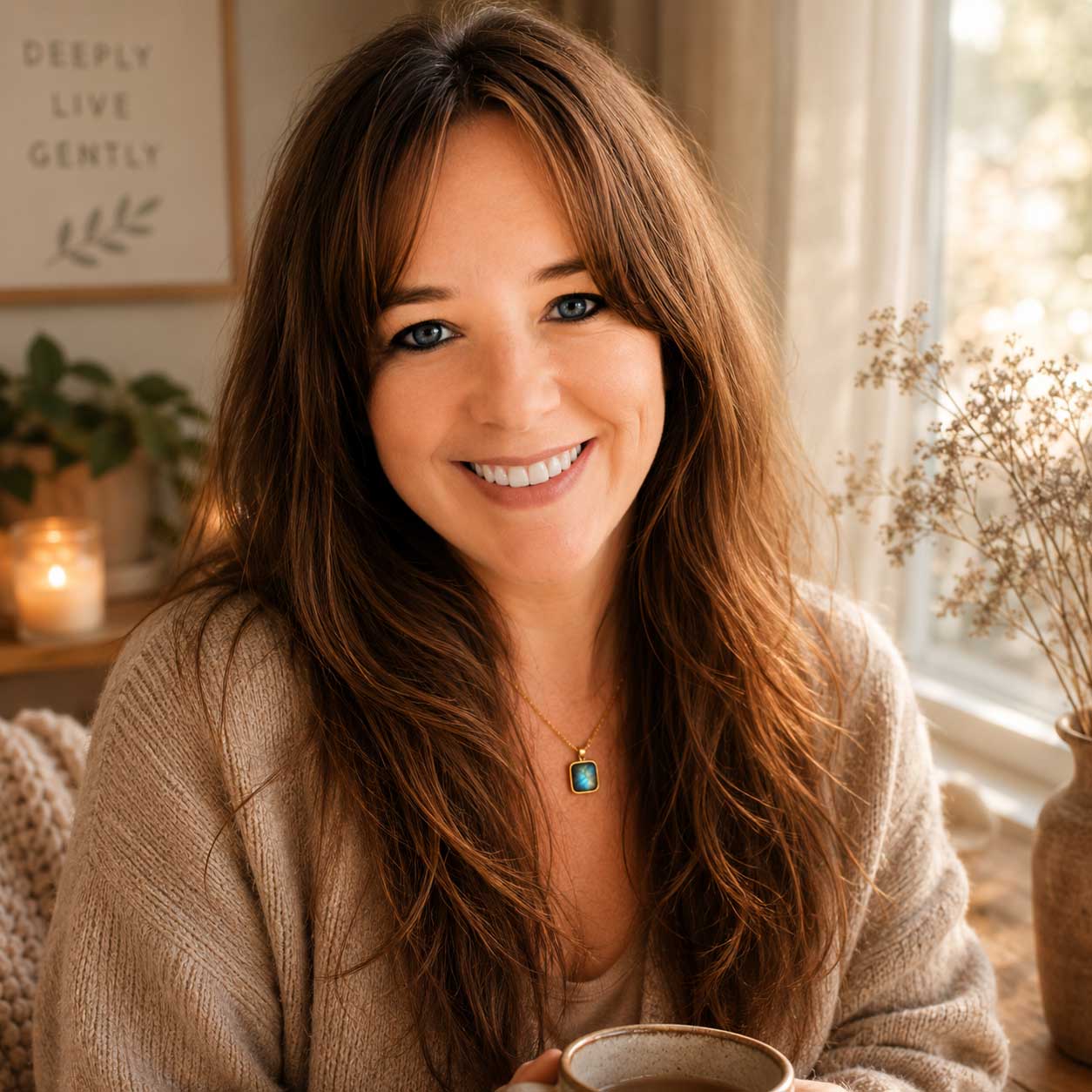
Where softness, self-awareness, and emotional healing are allowed to coexist. Through reflective writing, grounding rituals, and intentional beauty, Sparrow Trades offers gentle support for sensitive souls learning to reconnect with themselves.