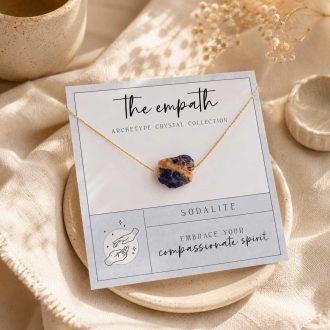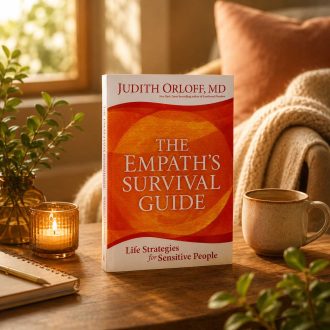

There are people who move through the world with a kind of quiet awareness — those who feel the unspoken tension in a room long before anyone says a word, who instinctively soothe others without being asked, who sense shifts in energy the way most people notice changes in the weather. These are the empaths and healers. And if you’re reading this, there’s a good chance you’ve spent much of your life wondering why you feel so deeply, why you pick up emotions that aren’t yours, or why others seem to turn to you for comfort without even thinking about it.
Being an empath or a healer isn’t a role you learn — it’s a way of being. It’s an inner tuning that picks up subtleties, a sensitivity that goes beyond logic, and a natural inclination to care, mend, and understand. Understanding this sensitive temperament becomes easier when you explore broader foundations of emotional well-being, such as the ones outlined in emotional wellness foundations. Your sensitivity is part of a larger emotional ecosystem — one that deserves context and care.
Many empaths spend years trying to “toughen up,” numb out, or distance themselves from the emotional noise around them. Others absorb so much from others that their nervous system is constantly overwhelmed, leaving them anxious, fatigued, or emotionally drained without knowing why. If this sounds familiar, you’re not alone — and you’re not imagining it. Empaths genuinely experience the world differently. Resources like what is an empath can help you name what you’ve always felt but never fully understood.
Your body registers emotion, tension, and subtle cues with heightened precision. Your heart opens easily. Your mind scans for meaning and emotional truth almost automatically. But here’s the deeper truth: you are not meant to carry everything.
Your sensitivity has a purpose, but it was never intended to become a burden. Many empaths learned early in life to read the emotional landscape for safety, especially when environments were unpredictable or emotionally unstable. Without realizing it, you may have developed an instinctive tendency to absorb others’ feelings — a pattern that mirrors the experiences described in how to stop absorbing other peoples emotions.
This article is here to help you reconnect with your gifts — not through self-sacrifice, but through grounded awareness. You’ll learn what it truly means to be an empath or a healer, how these traits show up in everyday life, and why your emotional landscape feels uniquely intense. You’ll also be introduced to practices that support your emotional and physiological health, including approaches similar to those in nervous system regulation techniques.
You are not fragile — you are finely tuned. You are not dramatic — you are perceptive. You are not absorbing too much because you’re weak — you’re absorbing too much because no one taught you how to filter. Learning to trust your own emotional truth again is a powerful part of this process, and guides like learning to trust your emotions again can be a supportive companion on that journey.
By the end of this guide, you’ll have a clearer understanding of who you are, why you feel the way you do, and how to live your purpose as an empath or healer without burnout or emotional depletion. Your sensitivity is a gift. Let’s help it become your strength.
What It Really Means to Be an Empath or a Healer
Empaths and healers are often described as people who “feel deeply,” but that description barely scratches the surface. Their emotional world is textured, multidimensional, and constantly attuned to the inner landscapes of others. For an empath, emotion isn’t just a thought — it’s a physiological response. You may feel someone’s disappointment as heaviness in your chest or someone’s anxiety as a rise in your heartbeat. This embodied response is one reason many people resonate with how intuitive empaths sense unspoken emotions, which explores how your intuition picks up energy before words are spoken.
Healers, similarly, carry an intuitive inclination to soothe, mend, or restore emotional balance. Without even realizing it, you may be the one others turn to during conflict or emotional uncertainty. Your presence often creates a sense of safety — a gentle grounding that helps others feel understood. But this awareness and attunement can make it harder to know where you end and someone else begins, especially if your boundaries haven’t been consciously developed.
Sometimes an empath’s gifts become tangled with emotional depletion. Maybe you’ve pushed past your limits trying to help others, leading to patterns described in signs of intuitive empathy burnout. Or perhaps you’ve found yourself absorbing emotional intensity long before you even realized it was happening.
These sensitivities are not flaws; they are part of your empathic blueprint — a design that makes you exceptionally perceptive. But they require nurturing and protection. Developing clear boundaries, like those explored in energetic boundaries for intuitive empaths, is what allows your gifts to flourish without overwhelming you.
Being an empath or a healer is not about taking on the world’s emotional weight. It’s about understanding your nature so you can engage with others from a place of grounded clarity rather than emotional absorption.
Emotional Sensitivity as a Gift — Not a Flaw
For many empaths and healers, sensitivity has been a lifelong source of misunderstanding. You may have been told you were “too emotional” or that you “overreact,” when in reality you were picking up emotional undercurrents that others couldn’t see. Emotional sensitivity is not fragility — it’s finely tuned awareness. It’s your internal radar system, guiding you toward truth, depth, and authenticity.
The challenge is that this radar doesn’t automatically come with filters. If untrained, it can pull in too much — leaving you overwhelmed, overstimulated, or emotionally saturated. This is why so many sensitive individuals relate deeply to experiences like those in being called sensitive is manipulation, where their sensitivity has been dismissed or weaponized instead of honored.
Yet sensitivity is a remarkable gift. It allows you to perceive nuance, detect subtle shifts in atmosphere, and understand emotional dynamics with incredible clarity. When supported with grounding practices — such as understanding what is grounding — sensitivity transforms from overwhelm into power.
Internal grounding is not the only tool that helps. Mindfulness practices, like those introduced in mindfulness for anxiety, help empaths build emotional space within themselves so they don’t merge with others’ feelings. These practices train your nervous system to shift from reactivity into awareness — allowing you to observe emotion without becoming swallowed by it.
When you support your sensitivity with grounded emotional care, you begin to feel the difference between what belongs to you and what you’ve picked up from others. Your intuition sharpens. Your nervous system softens. Your emotions become guides instead of burdens.
Sensitivity is not the problem — it’s the guidepost. Unprotected sensitivity is what leads to overwhelm.
How to Navigate the World Without Absorbing Everything
One of the greatest challenges empaths and healers face is learning how to move through the world without becoming a sponge for everyone else’s emotions. You may walk into a room and instantly feel the tension of an unspoken argument. You might leave a conversation feeling drained even when nothing explicitly “bad” happened. Or you may carry emotional heaviness long after interacting with someone who was struggling.
This is not a personal flaw — it’s your sensitive nervous system picking up emotional signals others overlook. But sensitivity doesn’t have to equal self-loss.
A key skill for empaths is learning the difference between emotional resonance and emotional absorption. Emotional resonance allows you to connect compassionately and intuitively. Emotional absorption pulls you into someone else’s emotional field until you feel weighed down by what isn’t yours.
Building a practice of grounding helps you stay rooted in yourself instead of merging with someone else’s energy. Simple rituals, like those shared in 5 minute grounding rituals, can quickly recalibrate your body when you feel overloaded. They help bring your awareness back into your own emotional center.
Still, even with grounding, many empaths experience moments where everything feels “too much.” This is especially common when your system has been overworked for years. If you resonate with this, you may find comfort in resources such as empath nervous system overwhelm recovery, which explore why your emotional circuitry becomes overloaded and how to slowly rebuild capacity.
Another important practice is emotional discernment. When you feel a sudden shift in mood, pause and ask yourself: “Did this come from me, or did I pick it up from someone else?”
Empaths often assume every emotion they feel is their own. But with practice — and with support from grounding and body-awareness tools, such as breath-based approaches similar to grounding with air and breath — you begin to notice the moment an emotion enters your system. This observation alone often prevents absorption.
When you stay centered, connected to your breath, and anchored in your own emotional baseline, you no longer feel swept away by other people’s feelings. You can show up with compassion, but remain sovereign in your own energy.
You’re not here to carry the emotional weight of the world. You’re here to bring awareness, clarity, and grounded presence — without abandoning yourself.
Empath & Healer Traits Through the Lens of Emotional Healing
Empaths and healers are often drawn to emotional understanding not by coincidence, but by nature. Their intuitive and perceptive qualities allow them to sense what others feel beneath the surface. But those same qualities can make them vulnerable in environments where their sensitivity is not acknowledged or respected.
For many, sensitivity shaped itself around early emotional experiences. If you grew up in environments where you had to stay alert to subtle shifts — changes in tone, mood, or facial expression — you might have developed empathic attunement as a survival tool. This can lead to patterns of over-responsibility and self-erasure, especially when your emotional experience was dismissed or minimized. If that resonates, reflections like those in healing after being emotionally invalidated can offer language for the wounds you may still be carrying.
But here’s the empowering part: the traits that formed under pressure can evolve into intuitive strengths. Your attunement becomes insight. Your sensitivity becomes awareness. Your compassion becomes a healing presence.
To let your gifts flourish without depletion, you need practices that support emotional autonomy. Developing rituals of energetic hygiene — such as those found in energetic self care for empaths — helps you stay connected to yourself while still offering compassion to others. These rituals teach you how to give without draining your reserves.
As you deepen into emotional healing, you may also become curious about the nuances within empathic experience. Some empaths primarily feel emotional energy in their bodies, others receive intuitive impressions, and some experience empathic insight in symbolic or sensory ways. Exploring frameworks like emotional signatures of empath types can help you understand how your empathic system operates uniquely.
When you integrate emotional healing with your natural empathic gifts, your sensitivity becomes sustainable. It becomes a source of wisdom rather than exhaustion. You begin to navigate relationships, environments, and energetic exchanges with clarity instead of overwhelm.
Healing doesn’t make you less sensitive — it helps you use your sensitivity wisely. It helps you belong fully to yourself while remaining open to others.
Frequently Asked Questions About Empaths and Healers
How do I know if I’m an empath or a healer?
You might be an empath if you consistently absorb or sense emotions that aren’t yours, or if you feel emotional tension in your body without anyone saying a word. You may be a healer if people naturally seek you out for comfort, clarity, or emotional grounding. These experiences often overlap, especially if your presence has a calming effect or you intuitively understand what others need on an emotional level.
It isn’t always about job titles or spiritual labels — it’s about the way your nervous system and emotional intuition function. If you’ve spent your life “feeling more” than those around you, there’s a strong chance you carry empathic or healing capacities by nature.
Why do empaths absorb other people’s emotions so easily?
Empaths absorb emotions because their nervous systems register emotional data rapidly and intensely. Without grounding practices or emotional differentiation, the body may interpret someone else’s feelings as its own. This can happen especially if, earlier in life, you needed to read emotional cues to stay safe or connected.
Absorption is not a flaw; it’s untrained sensitivity. Once you learn how to create internal space, check in with your own emotional baseline, and gently question, “Is this mine?”, you gradually experience more resonance and less overwhelm.
Can emotional sensitivity become a strength instead of overwhelming me?
Yes. Emotional sensitivity becomes overwhelming when it is unsupported, dismissed, or chronically overextended. When you pair your sensitivity with grounding, nervous system care, and practices that help you stay present in your body, it turns into intuitive insight rather than emotional chaos.
Instead of feeling flooded by every atmosphere you enter, you begin to notice what you’re sensing without becoming consumed by it. Your emotions shift from feeling like constant waves to feeling more like meaningful signals you can respond to thoughtfully.
Why do I feel responsible for other people’s emotions?
Many empaths and healers developed their gifts in environments where emotional attunement felt necessary for connection or safety. If you were always scanning for how others felt, you may have learned to equate their emotional state with your own responsibility.
Over time, this can create a pattern where you feel guilty for setting boundaries or saying no. Part of healing is recognizing that you can care deeply without carrying everything for others. Responsibility for someone else’s feelings does not actually belong to you, even if your empathy makes you aware of them.
How can I avoid burnout as an empath or healer?
Burnout arises when emotional output exceeds emotional replenishment for too long. Many empaths feel drained because they give instinctively but recover only when they “have time,” which often never fully arrives.
To avoid burnout, you need regular practices that restore your energy: quiet time alone, grounding rituals, gentle movement, supportive relationships, and boundaries around how and when you show up for others. It also helps to notice early signs of exhaustion — irritability, numbness, or resentment — as indicators that you need rest, not more pushing.
Does healing my past make me less empathic?
No. Healing doesn’t make you less sensitive — it makes your sensitivity more sustainable. As you address old wounds, your nervous system no longer has to stay in constant vigilance. This frees your empathic gifts to be expressed with greater clarity, ease, and choice.
Rather than losing your depth, you gain more intentionality. You can decide when and how you engage, instead of feeling perpetually at the mercy of everything you sense around you.
Conclusion: Your Sensitivity Is Not a Burden — It’s Your Power
If you’ve spent years feeling “too sensitive” or unsure why you experience emotions so intensely, let this be your moment of recognition: nothing about your sensitivity is wrong. It is a gift — profound, intuitive, and capable of bringing clarity and healing into the world.
Sensitivity becomes overwhelming only when it remains unsupported. When paired with grounding, emotional differentiation, nervous system care, and self-trust, your empathic gifts become sustainable. You stop drowning in emotional noise and start navigating it with purpose.
Many empaths find freedom when they begin reconnecting with their own emotional truth. As you learn to listen inwardly, your choices start to reflect what you genuinely feel and need, not just what others expect from you. Your relationships shift, your energy stabilizes, and your inner world feels less chaotic and more coherent.
You are not meant to absorb the world — you are meant to illuminate it. You are not meant to lose yourself — you are meant to understand yourself. You are not meant to hold all emotions — only the ones that are yours.
Your sensitivity is your power. Your presence is your medicine. And your inner journey is only just beginning.

Where softness, self-awareness, and emotional healing are allowed to coexist. Through reflective writing, grounding rituals, and intentional beauty, Sparrow Trades offers gentle support for sensitive souls learning to reconnect with themselves.