
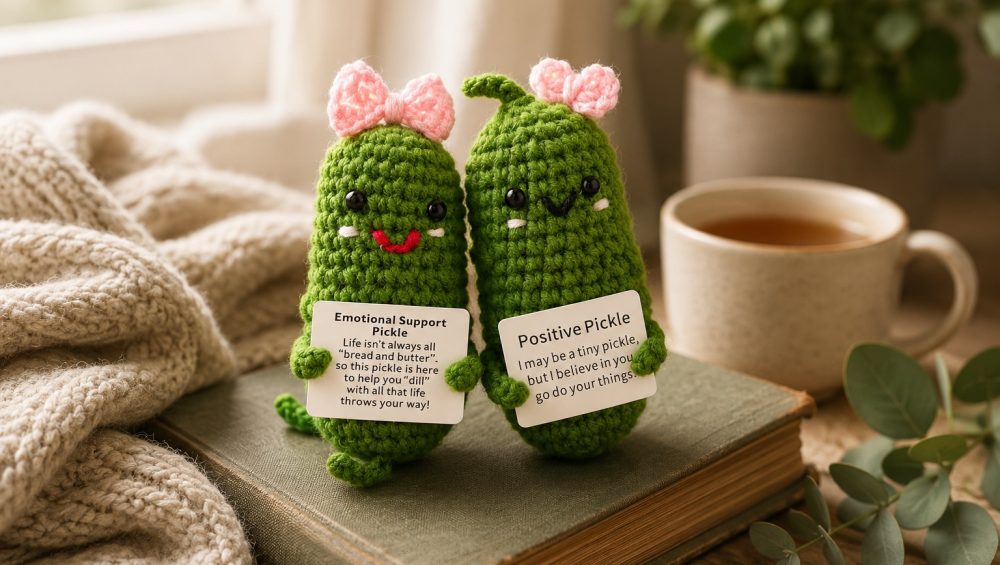
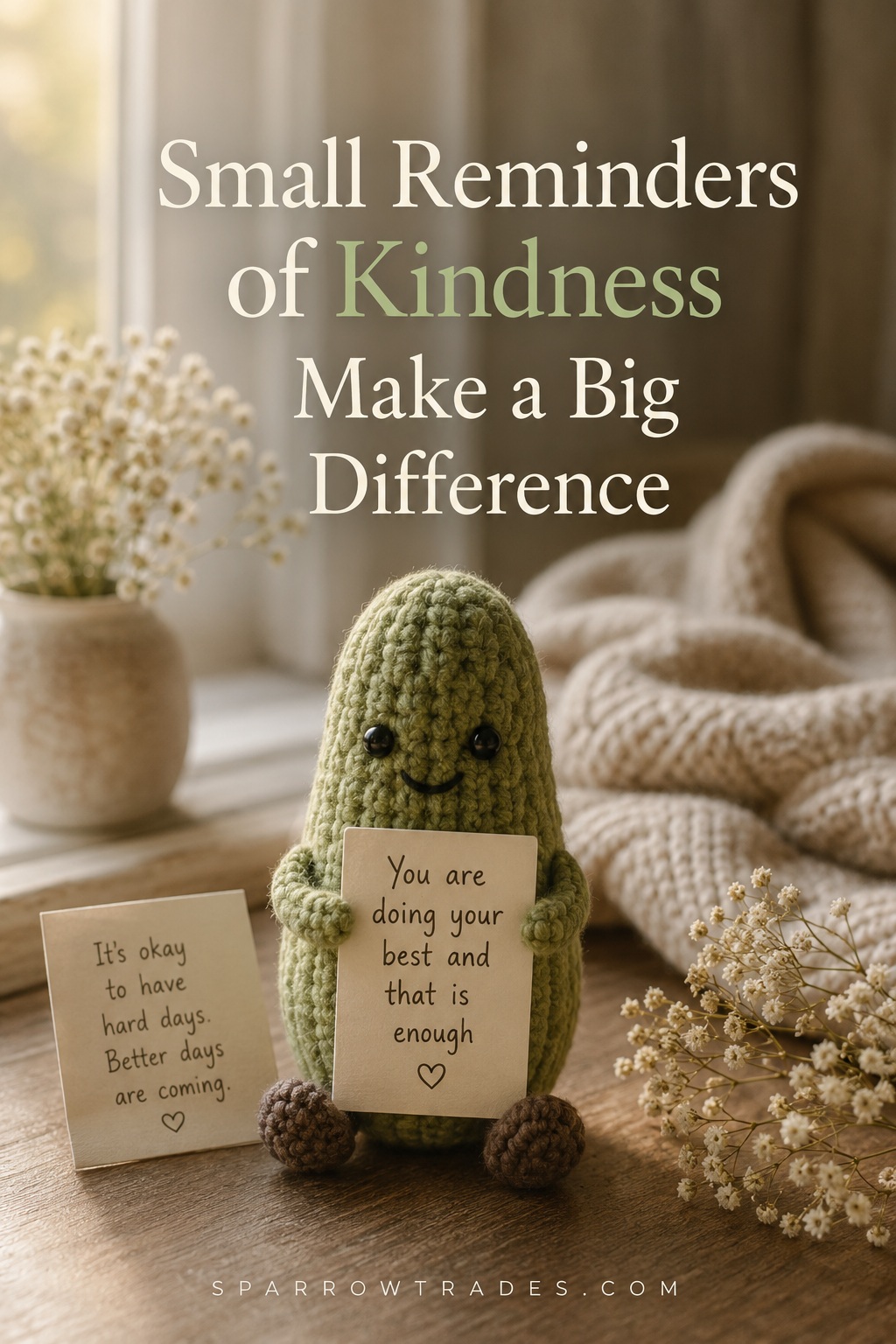
Have you ever looked at a tiny crocheted pickle holding a handwritten sign and wondered why thousands of people are buying one for themselves—or sending one to someone they love?
At first glance, it seems almost ridiculous. It’s a pickle with a smile. Sometimes it has tiny arms and legs. Often it arrives with a simple message reminding you that you’re doing your best, that someone cares, or that brighter days will come. It isn’t expensive, complicated, or life-changing in any obvious way. Yet countless people describe smiling the moment they see one sitting on a desk, bookshelf, or nightstand.
That reaction tells us far more about human nature than it does about pickles.
The growing popularity of emotional support pickles isn’t really about following a viral trend. It’s about the deeply human desire to feel encouraged, understood, and connected, especially during seasons when life feels overwhelming. Small objects have long carried emotional meaning. A favorite mug, a childhood stuffed animal, a handwritten note tucked into a drawer, or a tiny keepsake from someone special can all become reminders that we’re not alone.
For many people, an emotional support pickle quietly fills that same role.
It isn’t pretending to solve anxiety, erase grief, or fix difficult circumstances. Instead, it offers something much gentler: a reason to pause for a moment and smile. Sometimes that’s exactly what a difficult day needs.
That idea fits naturally within emotional wellness. Emotional well-being isn’t built only through major breakthroughs or life-changing moments. More often, it’s strengthened through consistent experiences that help us reconnect with hope, humor, and compassion, even if only for a few seconds at a time.
The popularity of these cheerful little plush toys also reflects something many of us quietly crave: permission to embrace comfort without embarrassment. Adults are often encouraged to be practical, productive, and composed. Choosing a whimsical object simply because it makes you smile can feel surprisingly freeing. It reminds us that joy doesn’t always have to be earned or justified.
Some psychologists describe objects like these as sources of symbolic comfort rather than magical solutions. They don’t possess special powers, but they can become meaningful reminders of the intentions we want to carry into everyday life. A crocheted pickle sitting beside your computer might remind you to be kinder to yourself after making a mistake. One tucked into a care package might quietly communicate, “I wish I could take away your pain, but I hope this lets you know you’re being thought about.”
That emotional symbolism is one reason these gifts resonate so widely. Like empathy, they communicate care without requiring perfect words. Sometimes people struggle to know what to say when someone is grieving, overwhelmed, or simply having a difficult week. A small, unexpected gift doesn’t replace meaningful conversation, but it can become a gentle expression of presence and kindness when language feels inadequate.
The trend also reflects our growing appreciation for everyday rituals of encouragement. Many people intentionally surround themselves with objects that reinforce the kind of life they want to cultivate—photographs, inspirational artwork, journals, plants, or meaningful keepsakes. An emotional support pickle simply joins that collection in a lighthearted way, reminding us that encouragement doesn’t always have to arrive wrapped in seriousness.
As amusing as these little plush companions appear, their popularity raises an interesting question: why do such small, seemingly insignificant objects have such a powerful emotional effect on us?
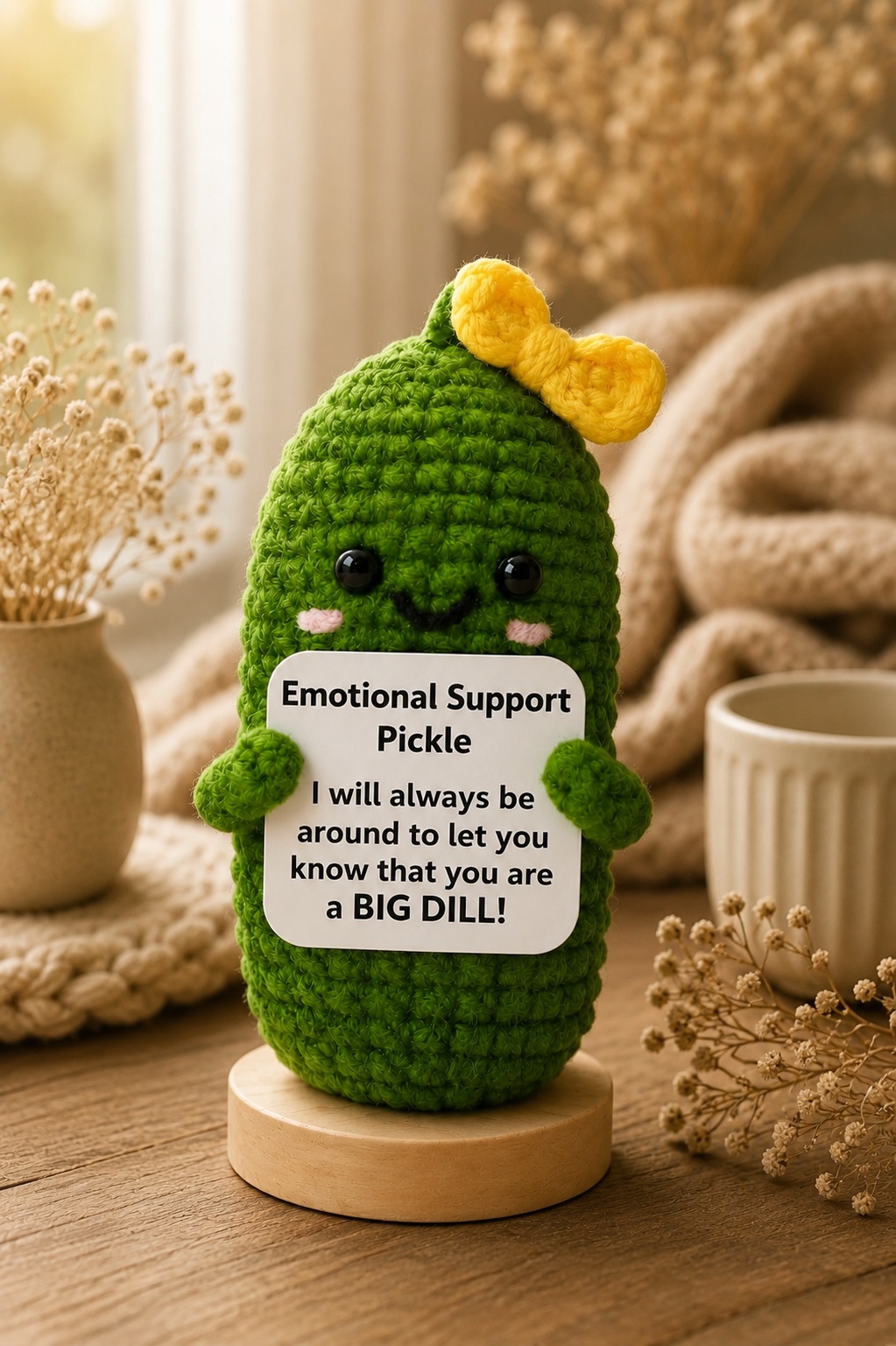
Why Do Emotional Support Pickles Make People Feel Better?
The comfort people experience from an emotional support pickle doesn’t come from the pickle itself. It comes from the meaning we attach to it. Humans naturally form emotional connections with objects that represent important memories, relationships, values, or intentions. A wedding ring, a favorite blanket, a postcard from a friend, or even a well-loved coffee mug can carry emotional significance far beyond its practical purpose.
An emotional support pickle works in much the same way. It becomes a symbol rather than a solution. Looking at it may remind you to breathe after a stressful meeting, laugh at a frustrating moment, or remember that someone cared enough to send you a thoughtful gift. These tiny moments of recognition may seem insignificant, but they often help interrupt the cycle of stress and self-criticism that can build throughout the day.
This is closely related to emotional validation. Feeling supported doesn’t always require a long conversation or perfectly chosen advice. Sometimes what people need most is a reminder that their experiences matter and that they’re worthy of kindness, even when life feels messy.
Interestingly, the humor of the pickle plays an important role. Our brains often respond positively to unexpected combinations of comfort and playfulness. A serious motivational quote might feel distant during a difficult day, but a smiling crocheted pickle holding a tiny sign somehow lowers our defenses. It invites a smile before our inner critic has time to object.
That gentle humor doesn’t minimize genuine struggles. Instead, it creates a brief emotional pause—a moment where tension softens just enough for encouragement to reach us. Many people describe this experience as feeling unexpectedly comforting precisely because they weren’t expecting to care about something so silly.
There’s also something reassuring about choosing joy without needing to justify it. Adults are often taught that comfort should be practical or productive. Yet emotional well-being is frequently strengthened by small experiences that simply make life feel a little lighter. A cheerful reminder on your desk isn’t solving every problem, but it may help you approach those problems with a little more patience and perspective.
For some people, these objects also become part of a broader collection of personal reminders that encourage self-compassion. Instead of constantly measuring themselves against impossible standards, they create environments that gently reinforce messages like, “You’re doing enough,” “Take a break,” or “Tomorrow is another day.” Over time, those consistent reminders can become meaningful companions to healthier emotional habits.
Even though emotional support pickles are playful, they reflect something surprisingly profound: people rarely remember the cost of a thoughtful gesture, but they often remember how it made them feel.
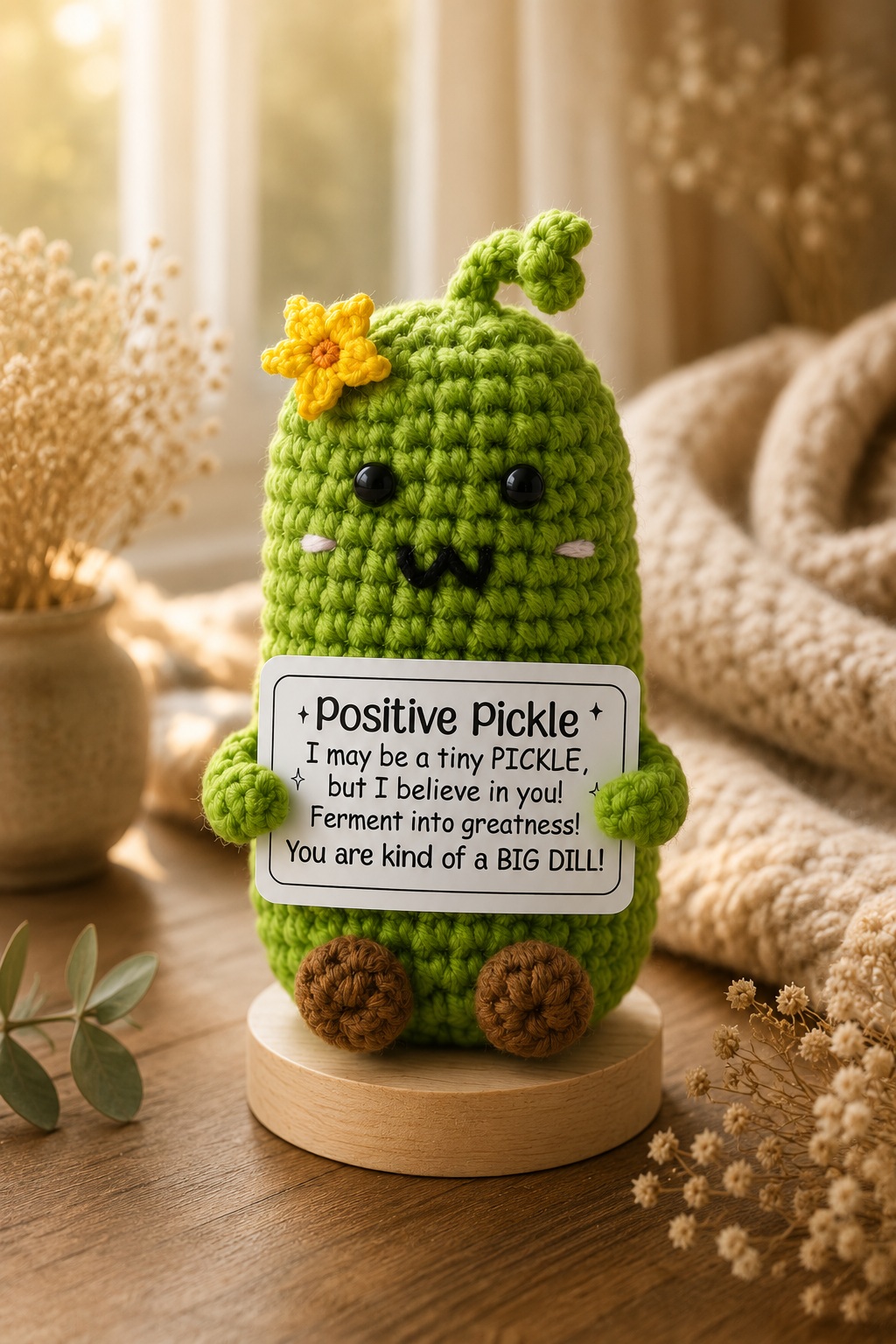
Why Are Emotional Support Pickles So Popular Right Now?
Part of the answer is simple: they’re adorable. Social media has introduced millions of people to handmade crocheted characters that combine humor with encouragement, making them highly shareable and easy to gift. Their quirky appearance stands out in a world filled with polished, carefully curated products, and their messages feel refreshingly sincere.
But their popularity also reflects something deeper happening in our culture. Over the past several years, conversations about stress, burnout, loneliness, and mental well-being have become much more common. People are increasingly looking for everyday ways to express care without making those moments feel overly serious or uncomfortable. A tiny pickle with an encouraging note somehow manages to acknowledge that life can be hard while still making someone smile.
Unlike extravagant gifts, emotional support pickles also feel approachable. They’re affordable, easy to mail, and don’t carry the pressure that sometimes comes with larger presents. Sending one often says, “I was thinking about you,” without creating any expectation that the recipient respond in a particular way. That simplicity makes them especially meaningful for long-distance friendships, coworkers, college students, healthcare workers, and anyone navigating a difficult season.
There’s another reason these gifts resonate: they represent the growing appreciation for small acts of kindness. Grand gestures are memorable, but everyday encouragement often has a more lasting impact because it becomes woven into ordinary life. A smiling pickle sitting beside your keyboard may brighten hundreds of ordinary mornings over the course of a year.
That idea naturally connects to daily self-care rituals. Many people intentionally create environments that support their emotional well-being, whether that means keeping fresh flowers on a table, lighting a candle while journaling, displaying meaningful photographs, or placing a comforting object where they’ll naturally see it. These rituals aren’t about perfection—they’re about creating gentle reminders to slow down, reconnect with yourself, and notice moments of joy that might otherwise pass unnoticed.
The popularity of emotional support pickles ultimately says less about a viral product than it does about what people are quietly searching for: encouragement that feels genuine, kindness that feels uncomplicated, and reminders that even difficult days can contain moments of unexpected warmth.
comfort objects for adults sometimes become part of that experience—not because they change our circumstances, but because they help us remember the attitudes and relationships that carry us through them.
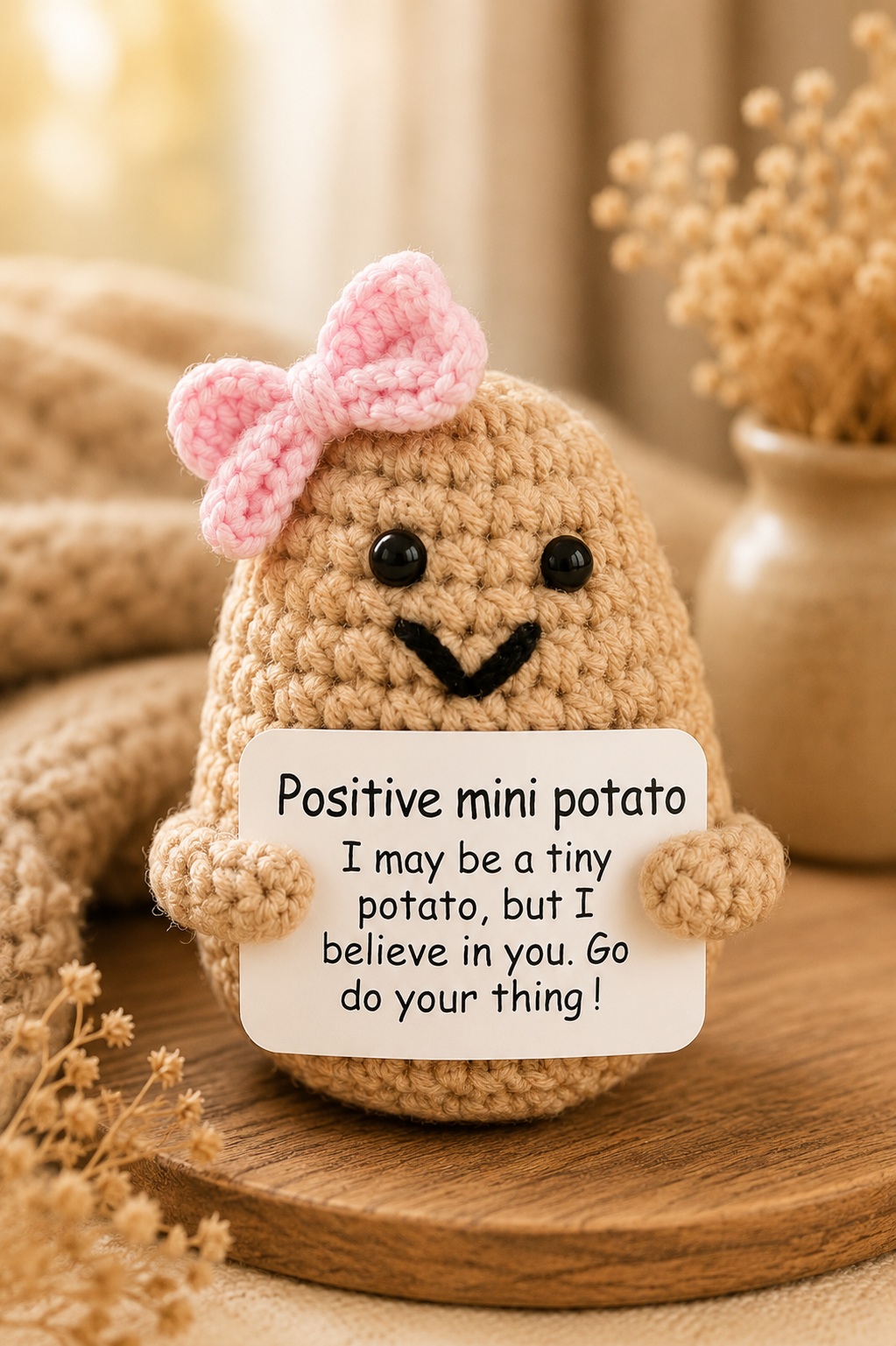
Are Emotional Support Pickles Really Helpful?
The answer depends on what you expect them to do.
If someone believes an emotional support pickle will eliminate anxiety, heal grief, or replace meaningful support from loved ones or a mental health professional, it’s likely to disappoint. No plush toy—no matter how charming—can solve life’s deeper challenges. But that doesn’t mean it lacks value.
Its lasting value comes from what it represents.
Psychologists have long recognized that people often benefit from meaningful cues in their environment. A family photograph may remind you of unconditional love. A handwritten letter can reconnect you with a cherished memory. A bracelet might symbolize resilience after overcoming a difficult chapter. Objects themselves don’t create emotional change, but they can gently reinforce thoughts, intentions, and relationships that already matter to us.
An emotional support pickle functions in much the same way. It becomes a visual reminder to pause, breathe, smile, or simply acknowledge that today doesn’t have to be perfect. Those small interruptions can help shift your attention away from constant pressure and back toward the present moment.
That doesn’t mean everyone will connect with one, and that’s perfectly okay. Some people find comfort in music, while others reach for books, nature, prayer, art, or quiet reflection. Emotional well-being is deeply personal, and what feels encouraging for one person may not resonate with someone else.
The important question isn’t, “Does everyone need an emotional support pickle?”
It’s, “What helps you feel a little more supported when life becomes overwhelming?”
For some, the answer genuinely is a tiny crocheted pickle sitting beside a computer monitor.
For others, it’s something entirely different.
Recognizing those differences is part of practicing relationships with both ourselves and the people we care about. Encouragement isn’t about giving everyone the same solution. It’s about noticing what helps each individual feel seen, supported, and understood.
When Does an Emotional Support Pickle Make a Thoughtful Gift?
One of the reasons these little plush companions have become so popular is that they solve a surprisingly common problem: wanting to let someone know you’re thinking about them without needing the perfect words.
Many situations leave us unsure what to say. A friend loses a job. A coworker feels burned out. A college student is overwhelmed during finals. A loved one is recovering from surgery or adjusting to a major life change. Even happy transitions, like moving to a new city or starting a new career, can bring uncertainty and emotional exhaustion.
In moments like these, a small symbolic gift often communicates something simple but meaningful: “You crossed my mind today.”
That message can matter more than an elaborate present.
Because emotional support pickles are playful rather than serious, they also remove some of the pressure that accompanies traditional sympathy gifts. They don’t ask someone to feel better immediately or imply that everything will soon return to normal. Instead, they quietly acknowledge that difficult seasons exist while offering a reason to smile along the way.
They’re also remarkably versatile. People tuck them into care packages, place them inside birthday gifts, include them in graduation baskets, or surprise coworkers before stressful presentations. Teachers, nurses, therapists, librarians, military families, and long-distance friends have all embraced them because the gesture feels personal without becoming overwhelming.
This is where symbolic gifts for emotional support naturally fits into a broader conversation. The most memorable gifts are often the ones that represent encouragement rather than expense. They become physical reminders of a relationship, a shared laugh, or someone’s quiet belief in your ability to get through whatever you’re facing.
That doesn’t mean every difficult moment calls for a gift. Sometimes the greatest kindness is listening without trying to fix anything. Sometimes it’s sending a text, making a phone call, or simply showing up. An emotional support pickle isn’t a substitute for genuine human connection.
Instead, it’s often an extension of it.
When given thoughtfully, it says, “I can’t walk every step of this journey for you, but I wanted you to have a little reminder that you don’t have to face it feeling completely alone.”
Long after the gift has been opened, its greatest impact often comes from becoming part of someone’s everyday life. That quiet transition—from thoughtful present to familiar companion—is what leads many people to keep these little reminders close by.
A Small Reminder Can Become a Meaningful Ritual
One reason people keep their emotional support pickle long after receiving it is that it gradually becomes part of everyday life rather than remaining just another gift on a shelf.
Some place it beside their computer where they’ll see it before opening emails each morning. Others keep it near a journal, on a bedside table, or beside a favorite reading chair. Parents sometimes leave it on a child’s backpack before school, while friends quietly hide one inside a care package for someone living hundreds of miles away.
These simple choices aren’t about superstition. They’re about creating intentional moments of encouragement.
Some people even pair these moments with reflective habits. Before starting work, they might pause for a few slow breaths. At the end of the day, they may write one thing that went well or one challenge they handled with more grace than they realized. Over time, these small practices often contribute more to lasting well-being than dramatic bursts of motivation.
For readers who enjoy reflecting through writing, journals for emotional wellness can become another gentle companion to this practice. The goal isn’t to create perfect routines or maintain endless positivity. It’s simply to notice moments of kindness, gratitude, resilience, and hope as they naturally appear.
An emotional support pickle may become part of that ritual, but it’s never the point of the ritual itself. The true purpose is building habits that help you reconnect with yourself—even on ordinary days that don’t feel especially remarkable.
A Gentle Ritual for Everyday Encouragement
By now, it’s probably clear that an emotional support pickle isn’t valuable because it’s a pickle. It’s valuable because it can represent a choice—a choice to notice small moments of encouragement instead of waiting for life to become perfect before allowing yourself to feel hopeful.
That ritual will look different for everyone.
Some people begin the morning by taking a slow breath before opening their laptop, noticing one thing they’re looking forward to that day. Others end the evening by reflecting on a small victory, even if that victory was simply making it through a difficult afternoon. Someone else may pause while holding a warm cup of tea, spending a quiet minute appreciating something beautiful they almost overlooked.
If your emotional support pickle happens to be nearby during those moments, it simply becomes part of the environment you’ve intentionally created. It isn’t the source of peace, resilience, or joy. Instead, it’s a cheerful reminder of the kind of relationship you want to have with yourself—one that’s rooted in patience rather than perfection.
Many people also enjoy pairing these quiet moments with resources that encourage continued personal growth. Reading thoughtful books for emotional wellness, writing in a journal, or completing simple worksheets for emotional wellness can help transform occasional encouragement into consistent habits of reflection. None of these practices need to be complicated. Even five intentional minutes can become a meaningful pause in an otherwise busy day.
The important thing to remember is that the ritual matters far more than any object within it. Whether your reminder is a crocheted pickle, a favorite photograph, a meaningful quote, or a handwritten note from someone you love, the goal is the same: creating regular opportunities to reconnect with kindness, perspective, and hope.
The Lasting Appeal of Emotional Support Pickles
Trends come and go.
Some disappear almost as quickly as they arrive, while others remain because they speak to something timeless about being human. Emotional support pickles seem to belong in the second category. Even if their popularity eventually fades from social media, the reason people connected with them will likely remain unchanged.
We all need reminders.
We need reminders that difficult seasons eventually pass. We need reminders that we’re worthy of compassion on the days when we don’t feel particularly successful. We need reminders that laughter still belongs in our lives, even when circumstances aren’t ideal.
Sometimes those reminders arrive through conversations with people we trust. Sometimes they’re found in meaningful routines, quiet moments of reflection, or simple acts of kindness shared between friends. And sometimes they arrive wearing a tiny smile, holding a handwritten sign, and looking suspiciously like a crocheted pickle.
Its greatest gift isn’t the laughter it creates the day someone unwraps it.
It’s the hundreds of ordinary moments afterward when that smile quietly encourages someone to keep going.
Ultimately, emotional support pickles remind us that comfort doesn’t always have to be profound to be meaningful. A thoughtful gesture, however small, has the ability to brighten an ordinary afternoon, strengthen a friendship, or remind someone that they’re remembered.
That’s a surprisingly powerful message for something shaped like a pickle.
Conclusion
An emotional support pickle probably won’t change your life.
But it might change a moment.
And sometimes, that’s exactly where meaningful change begins.
Life is filled with ordinary days that rarely make headlines—the stressful Tuesday afternoon, the difficult conversation replaying in your mind, the long week when you’re simply trying to keep moving forward. During those moments, even the smallest reminder that someone cares can feel unexpectedly significant. That’s why these cheerful little pickles have found a place on so many desks, bookshelves, and nightstands around the world.
Their popularity isn’t really about following a trend. It’s about our shared desire to feel connected, encouraged, and understood. A crocheted pickle with a handwritten message isn’t pretending to solve life’s hardest problems. Instead, it quietly reminds us that kindness doesn’t have to be grand to matter.
Whether that reminder comes from a handmade gift, a favorite photograph, a meaningful journal, or a daily ritual of reflection, its greatest purpose is the same: helping you pause long enough to remember that difficult moments don’t define your entire story.
The most meaningful emotional support often comes through people—the friend who checks in, the family member who listens without judgment, the coworker who leaves an encouraging note, or the stranger whose unexpected kindness brightens your day. Objects can never replace those relationships, but they can gently remind us of them.
Perhaps that’s why emotional support pickles continue to resonate with so many people.
They remind us that encouragement isn’t measured by size, cost, or perfection.
Sometimes it arrives as a quiet smile.
Sometimes it arrives as a thoughtful gift.
And sometimes, it arrives in the form of a tiny crocheted pickle, patiently waiting to remind you that tomorrow is another chance to begin again.
Frequently Asked Questions
What is an emotional support pickle?
An emotional support pickle is a small plush, crocheted, or knitted pickle designed to provide encouragement through humor and symbolism. Many include a handwritten note or positive message, making them popular as thoughtful gifts for friends, family members, coworkers, and anyone going through a challenging time.
Do emotional support pickles actually help?
They don’t treat anxiety, depression, grief, or other mental health conditions. Instead, many people find that they serve as meaningful reminders of encouragement, kindness, and emotional connection. Their value comes from the personal meaning people attach to them rather than any special properties they possess.
Why are emotional support pickles so popular?
Their popularity combines several factors: they’re humorous, handmade, affordable, highly giftable, and emotionally relatable. Social media helped introduce them to a wider audience, but their lasting appeal comes from the simple idea that small gestures of kindness can have a meaningful emotional impact.
Who makes a good recipient for an emotional support pickle?
They’re commonly given to friends, students, teachers, healthcare workers, coworkers, family members, graduates, or anyone navigating a stressful or uncertain season. They also make thoughtful “thinking of you” gifts because they communicate care without requiring a special occasion.
Can adults benefit from comfort objects?
Absolutely. Many adults keep meaningful objects nearby because they represent cherished memories, important relationships, or personal values. Whether it’s a family photograph, a favorite mug, or a crocheted pickle, symbolic reminders can become part of healthy routines that support emotional wellness foundations by encouraging moments of reflection, gratitude, and self-kindness.
Are emotional support pickles only meant to be funny?
Humor is certainly part of their charm, but most people appreciate them because they combine laughter with genuine encouragement. They acknowledge that life can be difficult while offering a lighthearted reminder that even small acts of kindness can make someone feel seen and supported.

Where softness, self-awareness, and emotional healing are allowed to coexist. Through reflective writing, grounding rituals, and intentional beauty, Sparrow Trades offers gentle support for sensitive souls learning to reconnect with themselves.