
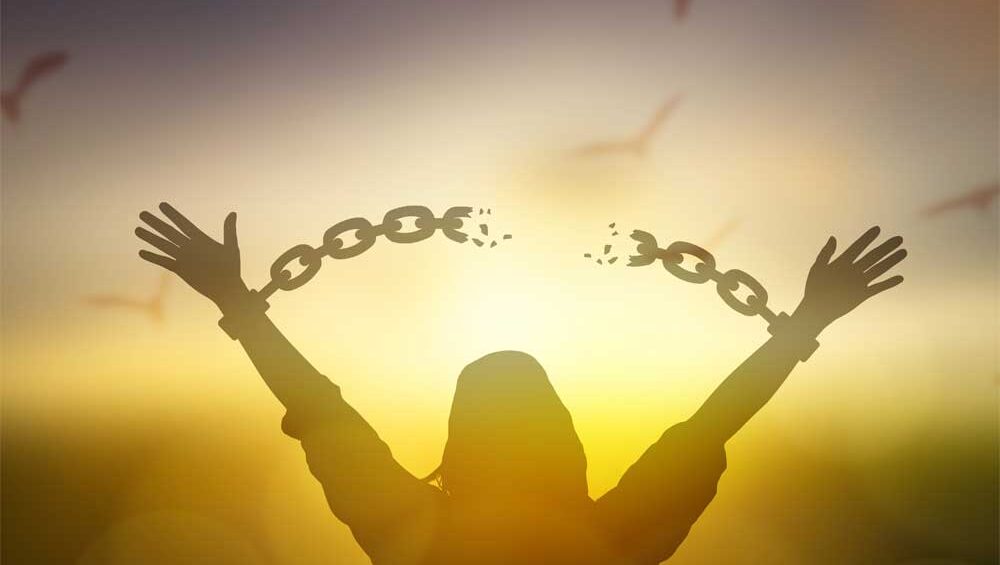
There was a time when I thought love was supposed to be hard, that the highs and lows were just part of the experience. I told myself that the pain meant passion, that the waiting, the guessing, and the endless craving for scraps of affection were signs of deep love. But I was wrong.
What I was experiencing wasn’t love—it was a trauma bond.
If you’ve ever found yourself stuck in a cycle of emotional pain, longing for someone who keeps pulling away, excusing their actions, and believing that things will change if you just try harder—you’re not alone. Trauma bonds are deceptive, powerful, and difficult to break, but the truth is, real love doesn’t hurt like this.
What Is a Trauma Bond?
A trauma bond is an intense emotional attachment that forms between two people in a relationship filled with cycles of emotional highs and devastating lows. It happens when love and pain become intertwined, making it feel impossible to leave—even when you know you should.
This type of bond often develops in relationships where:
✔ There’s a power imbalance (one person controls the dynamic)
✔ Moments of affection are followed by neglect, rejection, or abuse
✔ You feel addicted to their validation, constantly chasing their approval
✔ You keep hoping they’ll change, despite repeated disappointment
✔ You feel trapped, believing that no one else will ever understand you
In my case, I wasn’t even sure what I was chasing. Was it him, or was it the idea of him finally choosing me? The moment he would give me attention, it felt like a win. But the moment he pulled away, I felt emptier than before. That was the cycle—a trauma bond disguised as love.
The Signs of a Trauma Bond in Relationships
Looking back, I see all the signs that I once ignored. Maybe you will, too:
💔 Emotional Whiplash: One moment, they make you feel like the most important person in the world. The next, they disappear or treat you like an afterthought.
💔 Justifying Their Behavior: You find yourself making excuses for the way they treat you. “They had a bad childhood.” “They’re just stressed.” “I know they care deep down.”
💔 Feeling Addicted to Them: Even when they hurt you, the thought of leaving feels unbearable. The pain of staying is bad, but the idea of losing them is worse.
💔 Holding on to the ‘Good Moments’: You cling to the rare moments when they are kind, affectionate, or attentive—believing that’s the real version of them.
💔 Believing You Can ‘Fix’ Them: You think if you love them enough, they’ll finally change. (Spoiler: They won’t.)
💔 Losing Yourself in the Process: You slowly stop prioritizing your own needs, happiness, and even self-respect—because keeping them close feels like the only thing that matters.
I know how easy it is to get caught in this cycle. I stayed too long, hoping, waiting, and trying. But the truth is, trauma bonds don’t get better—they only get stronger the longer you stay.
Why Is It So Hard to Leave a Trauma Bond?
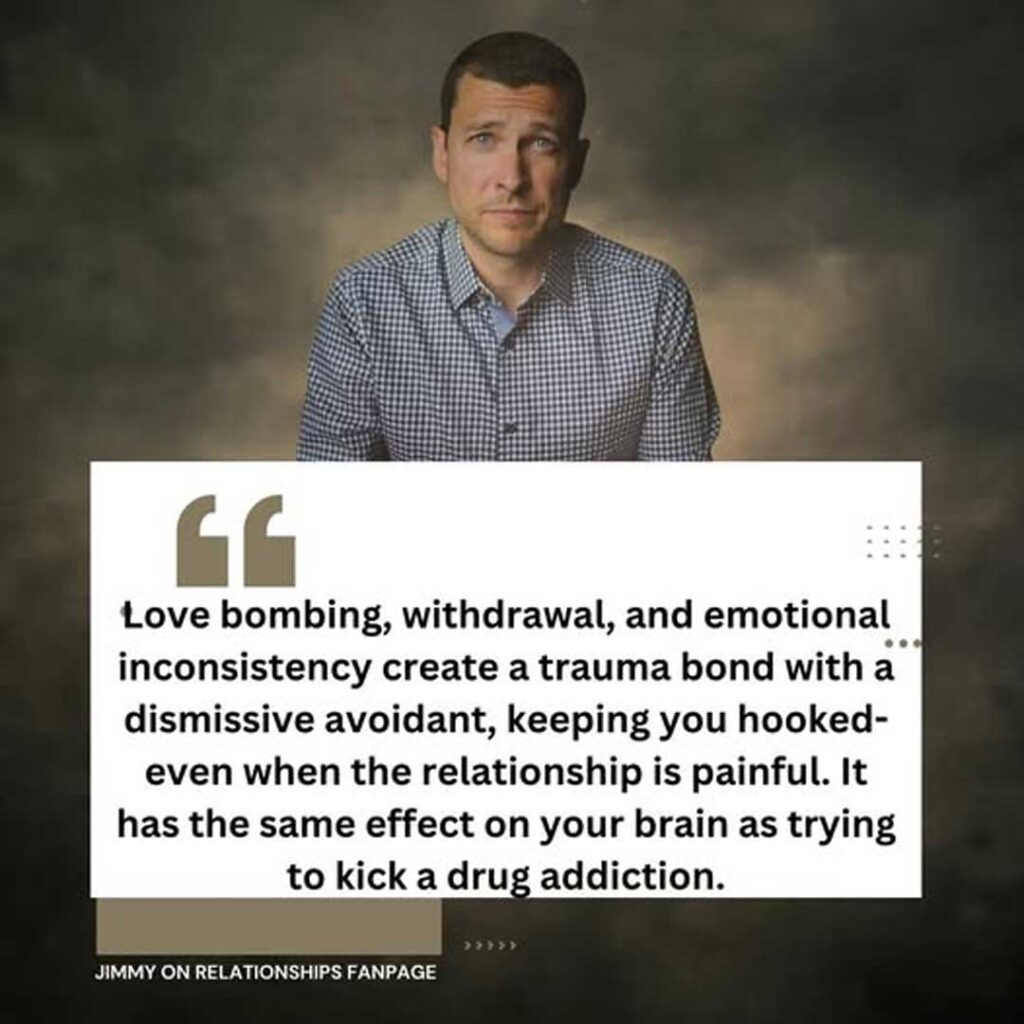
Leaving someone you are trauma-bonded to feels as hard as breaking an addiction—because, in a way, it is. The cycle of affection followed by rejection triggers dopamine surges, making you crave their attention even more.
It’s not just emotional—it’s chemical. Your brain becomes wired to seek their approval, even when they hurt you. That’s why the more they pull away, the more you want them back.
I used to ask myself:
💭 Why do I want someone who clearly doesn’t want me?
💭 Why does their validation feel more important than my self-worth?
💭 Why can’t I just move on?
The answer? Because trauma bonds keep you hooked by confusing love with survival.
Breaking Free: How to Heal from a Trauma Bond
Walking away from a trauma bond isn’t just about cutting contact—it’s about reprogramming your mind and reclaiming your power.
Here’s what I did (and what you can do, too):
1. Recognize That It’s Not Love—It’s Conditioning
💡 Real love doesn’t feel like withdrawal. It doesn’t leave you questioning your worth or begging for attention. The moment I realized that I was chasing a feeling, not a person, everything changed.
2. Go No Contact (or As Low Contact as Possible)
🚪 Closure isn’t something they give you—it’s something you create for yourself. I stopped waiting for an explanation, an apology, or a final goodbye. I blocked, deleted, and removed every reminder of him from my life. Hard? Yes. Necessary? Absolutely.
3. Replace the Dopamine Source
⚡ Trauma bonds create an addiction to the emotional highs and lows. To rewire my brain, I found healthier dopamine sources—exercise, journaling, deep conversations, new passions. Every time I wanted to reach out to him, I did something that made me feel good for me instead.
4. Reconnect with Who You Were Before the Trauma
💫 When was the last time you felt like you? Trauma bonds make you shrink—but healing makes you expand. I revisited old hobbies, started taking care of myself, and rebuilt my sense of self-worth without needing anyone else to validate it.
5. Learn What Healthy Love Actually Looks Like
💕 Love that is real isn’t a rollercoaster—it’s a steady, unwavering presence. I once expected love to be hard, but I’ve learned that real love is safe, consistent, and grounding.
What Happens When You Finally Break Free?
One day, you’ll wake up and realize:
✔ You no longer crave their attention.
✔ You stop checking your phone, hoping they’ll reach out.
✔ You feel lighter, stronger, and at peace.
✔ You realize that you deserve so much more.
And when that day comes, you’ll know you’ve truly healed.
Final Thoughts: You Deserve More Than a Trauma Bond
If you’re still in the cycle, I want you to hear this:
💛 You are not crazy.
💛 You are not weak.
💛 You are not unlovable.
You are someone who was caught in an emotional trap, but that does not define you. You can walk away. You can heal. And you will love again.
I know, because I did.
And if I can do it, so can you. 💛
Want More Healing & Empowerment?
🌿 Explore More Personal Growth & Jewelry Symbolism on Sparrow Trades.
💎 Shop Curated Pieces That Represent Strength & Transformation.

Where softness, self-awareness, and emotional healing are allowed to coexist. Through reflective writing, grounding rituals, and intentional beauty, Sparrow Trades offers gentle support for sensitive souls learning to reconnect with themselves.