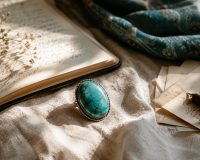

Nickel, a shining gem in the world of jewelry materials, offers a remarkable versatility that sets it apart from the rest. From high-end designs to everyday accessories, this unsung hero delivers brilliance and durability in equal measure.
With its distinctive white-silver hue, nickel effortlessly complements a wide range of jewelry styles, making it a prime choice for designers and collectors alike. Its ability to take on intricate detailing and delicate finishes makes it perfect for intricate filigree work or minimalist designs.
Beyond its aesthetic appeal, nickel jewelry also boasts impressive strength and corrosion resistance. This ensures that your favorite pieces will withstand the test of time, preserving their shine and beauty through the years.
Whether you’re looking for a statement necklace, a pair of elegant earrings, or a timeless ring, nickel jewelry offers a stunning array of options to suit every taste and occasion. Why settle for ordinary when you can embrace the shining brilliance of nickel? Discover the endless possibilities that this versatile material has to offer and let its allure adorn your jewelry collection.
The unique properties of nickel for jewelry
Nickel, known for its distinct silver-white appearance, has several unique properties that make it an exceptional choice for jewelry-making. One of its most notable characteristics is its high malleability and ductility, allowing it to be shaped into intricate forms without breaking. This property is particularly advantageous for jewelers looking to create detailed designs that require precision and finesse. Whether it’s a delicate pendant or an elaborate brooch, nickel can be transformed into a variety of artistic expressions while maintaining structural integrity.
In addition to its malleability, nickel is also remarkably durable. It boasts a high tensile strength, which means that jewelry made from nickel is less likely to bend or break under pressure. This quality is especially important for pieces that are worn daily, such as rings and bracelets, where they may encounter frequent stress. The durability of nickel jewelry makes it a practical choice for anyone seeking long-lasting adornments that can withstand the rigors of everyday wear, ensuring that each piece remains beautiful and functional for years.
Furthermore, nickel is resistant to corrosion and tarnishing, which is a significant advantage in the jewelry industry. Unlike other metals that may develop unsightly stains or discoloration over time, nickel maintains its brilliant shine with minimal effort. This resistance to environmental factors not only enhances the longevity of the jewelry but also reduces the need for frequent polishing or maintenance. As a result, nickel becomes an appealing option for both designers looking to create lasting pieces and consumers seeking easy-to-care-for accessories.
Advantages and disadvantages of using nickel in jewelry
The advantages of using nickel in jewelry production are numerous and varied. One of the primary benefits is its affordability compared to other precious metals like gold or platinum. This cost-effectiveness does not compromise quality; rather, it allows consumers to enjoy stylish and durable jewelry without breaking the bank. Nickel can be alloyed with other metals to create a range of materials, such as sterling silver and white gold, which can elevate its status and appeal within the market.
Moreover, nickel’s versatility in design is another significant advantage. Jewelers can easily combine nickel with gemstones, enamels, and other materials to create unique and eye-catching pieces. Its ability to take on various finishes—from high-polish to matte—further expands the range of aesthetic possibilities. This adaptability makes nickel an ideal choice for both contemporary and traditional designs, catering to a wide array of personal styles and preferences.
However, there are some disadvantages associated with nickel use in jewelry. One of the most commonly cited issues is the potential for allergic reactions in some individuals. Nickel can cause skin irritations or dermatitis in those with nickel allergies, which affects a significant percentage of the population. This limitation can deter some consumers from choosing nickel-based jewelry, prompting designers to seek alternative materials that are hypoallergenic. Additionally, while nickel’s durability is an advantage, it can also be a double-edged sword; excessive exposure to moisture and certain chemicals can still lead to discoloration or degradation over time, which may require careful handling and maintenance.
Popular jewelry designs and styles using nickel
Nickel’s unique properties and aesthetic appeal have inspired a wide range of jewelry designs and styles. One of the most popular applications is in the creation of statement pieces, such as chunky necklaces and bold cuff bracelets. These designs often feature intricate metalwork, showcasing nickel’s ability to hold shape and form. The shiny finish of nickel complements various gemstones, making it a favored choice for designers looking to create eye-catching focal points in their collections.
In addition to statement pieces, nickel is commonly used in minimalist jewelry designs. The sleek, modern look of nickel aligns perfectly with the contemporary trend of simplicity and understated elegance. From thin bangles to delicate chain necklaces, nickel’s versatility allows for an array of pieces that can be worn alone or layered for a more personalized look. This adaptability makes nickel a staple in the wardrobes of fashion-forward individuals who appreciate both style and substance.
Another popular trend is the use of nickel in vintage-inspired jewelry. Many designers incorporate nickel into retro-style pieces, such as Art Deco or Victorian designs, where the metal’s luster enhances the ornate detailing often associated with these eras. Filigree work, engraving, and intricate settings are easily achieved with nickel, allowing artisans to replicate historical styles while maintaining modern durability. This blend of old and new captures the hearts of collectors and enthusiasts who seek unique, timeless treasures.
Nickel allergy and how to prevent it
Nickel allergy is a common concern among jewelry wearers, affecting an estimated 10-20% of the population. The condition arises when the skin comes into contact with nickel, leading to localized reactions such as rashes, itching, and inflammation. As a result, individuals with a known sensitivity often find themselves avoiding nickel-containing jewelry altogether. For those who love the aesthetic appeal of nickel but suffer from allergies, prevention and management strategies are crucial.
One effective way to prevent allergic reactions is by choosing jewelry that is labeled as “nickel-free” or made from high-purity nickel alloys. These products typically contain lower levels of nickel, significantly reducing the risk of skin irritation. Additionally, many jewelers offer pieces coated with protective layers such as rhodium or gold, providing a barrier between the metal and the skin. This not only helps prevent allergic reactions but also enhances the overall appearance and durability of the jewelry.
For those who already experience nickel allergies, it’s essential to pay attention to the types of jewelry worn. Opting for hypoallergenic materials, such as titanium, stainless steel, or surgical-grade metals, can help avoid reactions. When wearing nickel-based jewelry, individuals can also apply a clear nail polish to the areas of contact to create a barrier. This simple measure can extend the wearability of nickel jewelry without compromising comfort. Ultimately, awareness and proactive steps can allow those with sensitivities to enjoy the beauty of nickel without the discomfort of allergic reactions.
Care and maintenance of nickel jewelry
Caring for nickel jewelry is essential to ensure its longevity and preserve its stunning appearance. Regular maintenance can prevent tarnishing and keep pieces looking their best. One of the simplest yet most effective care practices is to store nickel jewelry in a cool, dry place, away from direct sunlight and humidity. Using anti-tarnish pouches or cloths can further protect pieces from environmental factors that may cause discoloration over time.
When cleaning nickel jewelry, it is crucial to use gentle methods to avoid damaging the surface. A soft cloth dampened with warm water and mild soap can effectively remove dirt and oils without scratching the metal. For more stubborn tarnish, a specialized jewelry cleaner designed for nickel may be used, but it’s essential to follow the manufacturer’s instructions carefully. Harsh chemicals or abrasive materials should be avoided, as they can strip away the protective coating and leave the jewelry susceptible to further damage.
Additionally, it’s advisable to remove nickel jewelry before engaging in activities that may expose it to moisture or chemicals, such as swimming, exercising, or applying lotions and perfumes. These substances can lead to tarnishing and deterioration of the metal over time. By incorporating these simple care practices into a regular routine, wearers can maintain the beauty and brilliance of their nickel jewelry, ensuring that each piece remains a cherished part of their collection for years to come.
The cost-effectiveness of nickel jewelry
One of the most appealing aspects of nickel jewelry is its cost-effectiveness. Compared to precious metals like gold, silver, or platinum, nickel is significantly more affordable, making it accessible to a broader audience. This affordability allows individuals to explore a variety of styles and designs without the financial burden associated with higher-end materials. As a result, nickel jewelry has gained popularity among fashion-conscious consumers who seek quality without compromise.
Moreover, the cost-effectiveness of nickel jewelry extends beyond the initial purchase price. Its durability and resistance to wear and tear mean that nickel pieces can withstand the test of time, reducing the need for frequent replacements. This long-lasting quality translates into a more sustainable investment, as consumers can enjoy their jewelry for years without worrying about deterioration. In an era where sustainability is increasingly valued, nickel jewelry stands out as both a stylish and practical choice.
Additionally, the ability to create intricate designs with nickel allows for a diverse range of options at various price points. From affordable everyday pieces to more elaborate statement jewelry, the versatility of nickel enables designers to cater to different budgets while maintaining high standards of craftsmanship. This dynamic range ensures that everyone can find something that suits their taste and financial considerations, solidifying nickel’s place as a valued material in the jewelry industry.
Ethical considerations of using nickel in jewelry production
As the jewelry industry evolves, ethical considerations surrounding materials and production processes have come to the forefront. Nickel, while widely used, presents specific ethical challenges that both consumers and manufacturers must address. One significant concern is the environmental impact of nickel mining, which can lead to habitat destruction, soil erosion, and pollution. Responsible sourcing practices are essential to mitigate these issues and promote sustainability within the industry.
Many jewelers are now prioritizing ethical sourcing of nickel by ensuring that their materials come from reputable suppliers who adhere to environmental regulations. Certifications and transparency in the supply chain can help consumers make informed choices about the jewelry they purchase. By supporting brands that prioritize ethical practices, individuals can contribute to a more sustainable future while enjoying the beauty of nickel jewelry.
Additionally, the social implications of nickel production cannot be overlooked. The mining industry can often lead to labor exploitation and poor working conditions, particularly in developing regions. Advocating for ethical labor practices and supporting companies that prioritize fair treatment of workers can create a positive change in the industry. As consumers become more aware of these issues, the demand for ethically produced nickel jewelry will likely rise, encouraging manufacturers to adopt more responsible practices.
Alternative materials for those with nickel sensitivities
For individuals with nickel sensitivities, exploring alternative materials is essential to enjoy jewelry without the discomfort of allergic reactions. There are several hypoallergenic options available that provide beauty and durability without the risks associated with nickel. Titanium is one popular choice; it is lightweight, strong, and resistant to corrosion, making it an ideal material for rings, bracelets, and earrings. Its natural gray hue offers a modern aesthetic that appeals to many.
Another excellent alternative is surgical stainless steel, often used in medical applications for its biocompatibility. This metal is durable, easy to maintain, and resistant to tarnishing, making it a popular choice for everyday jewelry. Surgical stainless steel can be crafted into various designs, from classic to contemporary, ensuring that individuals with sensitivities can still enjoy stylish pieces without compromising comfort.
Gold and platinum are also hypoallergenic options that provide a luxurious feel. While they tend to be more expensive than nickel, many jewelers offer gold-plated or gold-filled pieces that can provide the look of gold without the higher price tag. Additionally, there are various synthetic materials and resin-based designs that can mimic the appearance of traditional metals while being entirely nickel-free. By exploring these alternatives, individuals with nickel sensitivities can find beautiful jewelry options that suit their tastes and lifestyle.
Conclusion: The future of nickel in the jewelry industry
As the jewelry industry continues to evolve, nickel’s future remains promising due to its unique properties, versatility, and cost-effectiveness. With a growing demand for sustainable and ethically sourced materials, manufacturers are increasingly focusing on responsible production practices that prioritize both environmental and social considerations. This shift in focus enhances the appeal of nickel, as it can be utilized responsibly while still delivering the quality and durability that consumers desire.
Moreover, the ongoing exploration of innovative designs and styles using nickel ensures that it remains relevant in the ever-changing fashion landscape. As designers push creative boundaries, nickel will likely play a key role in crafting unique pieces that resonate with a diverse audience. Whether through bold statement jewelry or minimalist designs, the aesthetic potential of nickel continues to inspire and captivate.
Ultimately, the future of nickel in the jewelry industry will depend on the collective efforts of consumers, designers, and manufacturers to promote ethical practices and sustainability. By embracing the shining brilliance of nickel while being mindful of its impact, the industry can ensure that this versatile material remains a beloved choice for generations to come. As we look ahead, nickel jewelry will undoubtedly continue to shine brightly, enhancing the beauty of personal adornment and self-expression.
Shop Our Jewelry Collection
Discover our exquisite range of jewelry to complement your style:

Where softness, self-awareness, and emotional healing are allowed to coexist. Through reflective writing, grounding rituals, and intentional beauty, Sparrow Trades offers gentle support for sensitive souls learning to reconnect with themselves.