Step into the dazzling world of jewelry materials. From precious metals like gold and silver to ethical alternatives like lab-grown diamonds and eco-friendly gemstones, there’s an array of choices for jewelry enthusiasts.
In this article, we dive deep into the realm of jewelry materials, exploring their unique properties and uncovering the stories behind their origins. Whether you’re a jewelry lover, a conscious consumer, or simply curious about the craftsmanship behind these adornments, this guide is your gateway to understanding the materials that make up your favorite pieces.
Discover the allure of precious metals such as gold, silver, and platinum, revered for their timeless elegance and inherent value. Dive into the world of ethical alternatives, such as lab-grown diamonds and recycled metals, which offer a sustainable and socially responsible option for the environmentally conscious buyer.
Join us on this journey as we explore the fascinating world of jewelry materials, shedding light on their origins, characteristics, and the impact they have on the jewelry industry. From traditional to innovative, there’s a material for every style and conscience. Embark on this exploration and unlock the secrets of jewelry materials today.
Precious metals: gold, silver, and platinum
When it comes to jewelry, precious metals hold a special place in the hearts of enthusiasts and collectors alike. Gold, silver, and platinum have been cherished for centuries, not only for their beauty but also for their intrinsic value. Gold, with its warm hue and luster, is often seen as a symbol of wealth and prosperity. It is known for its malleability, allowing artisans to create intricate designs that stand the test of time. Additionally, gold’s resistance to tarnish ensures that pieces maintain their shine, making them a popular choice for both fine jewelry and everyday wear.
Silver, on the other hand, has a bright, reflective quality that many find appealing. It is more affordable than gold, making it an accessible option for those looking to create beautiful jewelry without breaking the bank. However, silver can tarnish over time, requiring regular cleaning to maintain its shine. Despite this, its affordability and versatility make it a favorite among designers who often combine it with various gemstones to create stunning pieces that appeal to a wide audience.
Platinum is the most precious of the three metals, known for its durability and rarity. It is denser than gold and silver, which gives it a unique weight and feel. Platinum’s natural white sheen makes it an excellent choice for showcasing diamonds and colored gemstones, as it enhances their brilliance. Additionally, its hypoallergenic properties make it suitable for those with sensitive skin. Jewelry made from platinum is often viewed as a lifelong investment, as it can withstand the rigors of daily wear while maintaining its beauty for generations to come.
Other popular metals: stainless steel, titanium, and tungsten
In recent years, alternative metals have gained popularity in the world of jewelry, particularly stainless steel, titanium, and tungsten. Stainless steel is celebrated for its strength and resistance to corrosion. This metal is often used in modern jewelry designs due to its sleek, industrial appearance. Its affordability and durability make it a practical choice for everyday wear, particularly in fashion jewelry and unisex styles. Stainless steel can also be polished to a high shine or given a matte finish, allowing for a variety of aesthetic options.
Titanium is another metal that has carved out a niche in the jewelry market. Known for its lightweight nature and incredible strength, titanium is often favored for men’s wedding bands and other durable pieces. It is also hypoallergenic, making it a safe option for those with sensitive skin. Titanium can be anodized to create a spectrum of colors, adding versatility to its aesthetic appeal. Whether in a polished or brushed finish, titanium jewelry exudes a modern and minimalist vibe that appeals to contemporary tastes.
Tungsten, while less common, is gaining traction due to its remarkable hardness. Tungsten carbide, a compound of tungsten, is one of the hardest metals used in jewelry, making it resistant to scratching and wear. This quality, combined with its weighty feel, makes tungsten rings particularly popular for wedding bands. The metal can also be combined with precious metals and inlaid with gemstones, providing a unique blend of durability and elegance. As consumers look for alternatives that offer both style and practicality, these metals are becoming essential components of modern jewelry collections.
Gemstones: diamonds, rubies, sapphires, and emeralds
Gemstones have captivated humanity for centuries, with diamonds, rubies, sapphires, and emeralds leading the pack in terms of popularity and desirability. Diamonds, often referred to as a girl’s best friend, are celebrated for their unmatched brilliance and fire. Composed of carbon, diamonds are formed under extreme pressure deep within the Earth, and their rarity contributes to their high value. The four Cs—cut, color, clarity, and carat weight—are essential factors that determine a diamond’s quality, influencing its desirability and price.
Rubies, with their captivating red hue, symbolize passion and love. The rich color of a ruby is due to the presence of chromium, which gives it a unique vibrancy. Rubies are often used in fine jewelry, particularly in engagement rings and statement pieces. Their hardness, ranking just below diamonds on the Mohs scale, makes them suitable for everyday wear. Additionally, the rarity of high-quality rubies further enhances their allure, making them a sought-after choice for collectors and jewelry enthusiasts alike.
Sapphires are known for their stunning blue color, but they also come in a variety of shades, including pink, yellow, and green. This versatility makes sapphires an attractive option for various jewelry designs. Historically associated with nobility and royalty, sapphires symbolize wisdom and nobility. Their hardness, second only to diamonds, ensures that they can withstand the test of time, making them ideal for heirloom pieces. Emeralds, with their lush green color, are beloved for their beauty and rarity. Their characteristic inclusions, known as “jardin,” add to their charm, as no two emeralds are alike. These gemstones are often set in classic and vintage designs, making them a timeless choice for collectors.
Semi-precious stones: amethyst, topaz, garnet, and citrine
While precious gemstones often steal the spotlight, semi-precious stones like amethyst, topaz, garnet, and citrine deserve recognition for their beauty and unique characteristics. Amethyst, a variety of quartz, is known for its stunning purple hues, ranging from light lavender to deep violet. It has long been associated with tranquility and clarity, making it a popular choice for meditation and spirituality. In jewelry, amethyst’s affordability and versatility allow it to be used in various styles, from classic to contemporary.
Topaz is another semi-precious gemstone available in a wide spectrum of colors, including blue, yellow, and pink. Blue topaz, in particular, is prized for its vibrant hue and clarity. This gemstone is often associated with love and affection, making it a popular choice for gifts and special occasions. Its durability makes it suitable for everyday wear, and its ability to complement both gold and silver settings enhances its versatility.
Garnet is known for its rich, red tones, although it can also be found in green, orange, and even purple varieties. Often associated with protection and healing, garnet has a long history of use in jewelry, particularly in vintage pieces. Its affordability and striking color make it an appealing choice for those seeking unique statement pieces. Citrine, often referred to as the “merchant’s stone,” is celebrated for its warm, golden-yellow color. Known for its association with prosperity and abundance, citrine is a favorite among those looking to bring positivity into their lives. Its vibrant hue and affordability make it a popular choice for fashion jewelry and everyday wear.
Organic materials: pearls, coral, and amber
Organic materials have a unique charm that sets them apart from traditional gemstones and metals. Pearls, formed within the soft tissue of mollusks, are treasured for their lustrous appearance and smooth texture. Cultured pearls, created through human intervention, have made these gems more accessible to jewelry lovers. Pearls symbolize purity and elegance, making them a classic choice for bridal jewelry and formal occasions. Their versatility allows them to be paired with a variety of metals and styles, from vintage to modern designs.
Coral, another organic material, is formed from the calcium carbonate skeletons of tiny marine animals. Coral jewelry is often associated with vibrant colors, ranging from deep reds to soft pinks. Its unique texture and natural patterns make it a favorite among artisans. However, due to environmental concerns regarding coral harvesting, many jewelers now use sustainably sourced coral or alternative materials that mimic its beauty while protecting marine ecosystems. Coral jewelry is often seen as a statement piece, adding a touch of the ocean’s allure to any collection.
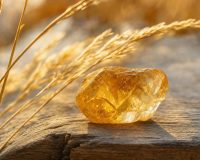
Amber, fossilized tree resin, is known for its warm hues, typically ranging from golden yellow to deep orange. Often containing ancient inclusions, such as insects or plant matter, amber provides a glimpse into the past. This organic gem has been used in jewelry for centuries, often in the form of beads or cabochons. Amber is believed to possess healing properties and is associated with warmth and positivity. Its unique qualities make it a sought-after material for those looking to add a touch of nature to their jewelry collection.
Synthetic and lab-grown alternatives
As the demand for unique and ethical jewelry options grows, synthetic and lab-grown alternatives have emerged as a popular choice. Lab-grown diamonds, often indistinguishable from their mined counterparts, are created through advanced technological processes that replicate the natural conditions under which diamonds form. These diamonds offer the same physical and chemical properties as natural diamonds but are produced with a significantly lower environmental impact. This makes them an appealing choice for eco-conscious consumers seeking an ethical alternative without compromising on quality.
Synthetic gemstones are also gaining popularity in the jewelry market. Created in controlled laboratory environments, these stones offer the same beauty and brilliance as natural gemstones but are often available at a fraction of the cost. From synthetic rubies and sapphires to emeralds, these gemstones provide an accessible option for those looking to enjoy the allure of colored stones without the ethical concerns associated with mining.
Additionally, innovations in material science have led to the development of new synthetic alternatives that closely mimic the appearance of precious and semi-precious stones. Moissanite, for example, is a lab-created gemstone that resembles diamonds but is often more affordable and eco-friendly. As technology continues to evolve, consumers can expect an even wider range of synthetic options that cater to both aesthetic preferences and ethical considerations, enriching the jewelry landscape.
Ethical and sustainable jewelry materials
In an era of heightened environmental awareness, ethical and sustainable jewelry materials are becoming increasingly important to consumers. Many jewelers are now prioritizing ethical sourcing and sustainable practices, ensuring that their materials are obtained in a way that minimizes environmental impact and supports fair labor practices. Recycled metals, for instance, have gained traction as a sustainable alternative to newly mined materials. By repurposing existing metals from old jewelry, electronics, and industrial sources, jewelers can create beautiful pieces without the ecological footprint associated with mining.
Additionally, many brands are focusing on ethical gemstones, ensuring that their sources adhere to responsible mining practices. This includes transparency in the supply chain and certifications that guarantee fair labor conditions and environmental stewardship. Initiatives such as the Kimberley Process aim to prevent conflict diamonds from entering the market, encouraging consumers to seek out ethically sourced stones. As consumers become more aware of the impact of their purchases, the demand for responsibly sourced materials is likely to continue growing.
Furthermore, innovative options such as lab-grown gemstones and synthetic alternatives provide consumers with guilt-free choices that align with their values. By opting for these materials, buyers can enjoy beautiful jewelry while contributing to a more sustainable and ethical industry. As the jewelry landscape evolves, brands that prioritize sustainability and ethical practices will likely stand out, appealing to a new generation of conscious consumers who value both style and responsibility.
Choosing the right jewelry material for your needs
When selecting the right jewelry material, it’s essential to consider various factors, including personal style, lifestyle, and ethical considerations. Precious metals like gold, silver, and platinum offer timeless elegance and durability, making them suitable for both everyday wear and special occasions. However, if you lead an active lifestyle, you may want to explore alternative metals like titanium or tungsten, known for their strength and resistance to scratching. Understanding your daily activities and how they may impact your jewelry is crucial in making the right choice.
Gemstones also play a significant role in the selection process. If you prefer vibrant colors and unique designs, semi-precious stones like amethyst or garnet may resonate with you. However, if you’re looking for classic beauty, diamonds or sapphires might be the way to go. Take into account the symbolism and meanings associated with certain stones, as they can add a personal touch to your jewelry collection. Moreover, consider how the gemstone’s durability aligns with your lifestyle, especially if you plan to wear the piece regularly.
Lastly, ethical considerations are becoming increasingly important in the jewelry industry. As a conscious consumer, you may want to prioritize sustainable materials and ethically sourced gemstones. Researching brands that align with your values can help you make informed choices that reflect your commitment to sustainability and social responsibility. By considering your personal style, lifestyle, and ethical beliefs, you can confidently choose jewelry materials that not only enhance your collection but also resonate with your values.
Conclusion
The world of jewelry materials is as diverse as it is captivating, offering a wide array of options for every style and preference. From the timeless allure of precious metals like gold, silver, and platinum to the innovative realm of synthetic and lab-grown alternatives, there is something for everyone. Gemstones, both precious and semi-precious, provide a spectrum of colors and meanings, allowing individuals to express their unique personalities through their jewelry choices.
As consumers become more conscious of the impact of their purchases, the demand for ethical and sustainable materials continues to rise. By prioritizing responsibly sourced metals and gemstones, jewelry lovers can enjoy their adornments with a sense of pride, knowing they are contributing to a more sustainable future. Whether you’re drawn to classic elegance or modern innovation, understanding the materials behind your favorite pieces can deepen your appreciation for the artistry and craftsmanship involved in jewelry making.
Embarking on a journey through the world of jewelry materials not only enhances your jewelry knowledge but also empowers you to make informed decisions as a consumer. With a wealth of options at your fingertips, you can curate a collection that reflects your style, values, and commitment to sustainability. So, dive into this fascinating realm and explore the endless possibilities that await you in the world of jewelry materials.
Shop Our Jewelry Collection
Discover our exquisite range of jewelry to complement your style:

Where softness, self-awareness, and emotional healing are allowed to coexist. Through reflective writing, grounding rituals, and intentional beauty, Sparrow Trades offers gentle support for sensitive souls learning to reconnect with themselves.
Jewelry Discovery: Explore Our Handpicked Insights
- Types of Necklaces: A Stylish Journey from Chokers to Statement Pieces
- The Perfect Pair: A Guide to Choosing the Right Earrings to Complement Your Pearl Necklace
- The Timeless Elegance of Silver: Exploring Its Beauty as a Jewelry Material
- The Mesmerizing World of Amazonite Jewelry: Exploring the Different Types and Styles