
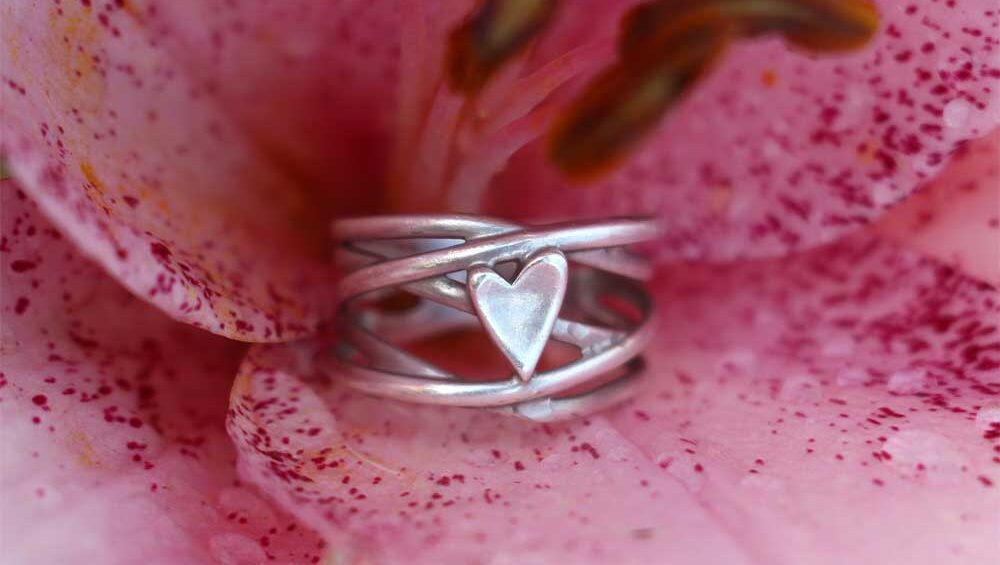
Discover the fascinating world of rings and unlock the hidden meanings behind these symbolic pieces of jewelry. Rings have long held special significance, not only as fashionable accessories but also as powerful symbols of commitment, status, and personal expression. In this article, we dive into the depths of different ring styles and uncover the intriguing stories they tell.
From engagement rings that signify love and unity to wedding bands that represent an unbreakable bond, these rings hold immense sentimental value and are cherished for a lifetime. But the symbolism of rings isn’t limited to romantic relationships. Signet rings, for example, have been used for centuries to signify authority and prestige, while class rings are a proud reminder of academic accomplishments.
Throughout history, rings have also been associated with cultural traditions and religious beliefs. From the Claddagh ring, a cherished symbol of Irish heritage, to the intricate designs of ancient Egyptian rings, each piece tells a unique tale that reflects the values and beliefs of its wearer.
Join us on this journey as we explore the hidden meanings behind different rings and gain a deeper understanding of the symbolic power they hold.
The history of ring symbolism across different cultures
Throughout history, rings have served not merely as decorative items but as potent symbols imbued with deeper meanings across various cultures. The earliest recorded use of rings can be traced back to ancient Egypt, where they were crafted from materials like reeds and leather, symbolizing eternity and the unbreakable bond between a couple. Egyptians often wore rings as a testament to their social status, and many were adorned with hieroglyphics or intricate designs that conveyed personal or familial identity. The circular shape of the ring itself was representative of eternity, as it has no beginning or end, making it an ideal choice for symbolizing everlasting love and commitment.
In ancient Rome, rings gained prominence as symbols of marriage and fidelity, specifically with the introduction of the wedding ring. Roman brides were given rings made of iron, a material thought to signify strength and durability. Over time, these rings became more ornate, often featuring gemstones or engravings. The Romans believed that the ring’s placement on the fourth finger of the left hand connected to the heart through a vein, known as the “vena amoris,” further reinforcing the ring’s association with love and devotion. This tradition has endured throughout the centuries and remains prevalent in modern wedding customs.
Other cultures have also embraced the symbolic power of rings, each adding unique interpretations. In India, for example, the wedding ring is part of a larger set of ornamental jewelry that signifies the union of two families. The Mangalsutra, a sacred thread or necklace worn by brides, can also be seen as a ring-like symbol of marital fidelity. In contrast, the Claddagh ring from Ireland symbolizes love, loyalty, and friendship, representing the values cherished in relationships. These historical contexts illustrate how rings have transcended mere adornment to become powerful symbols of cultural identity, love, and commitment, carving a significant place in the hearts of people worldwide.
The symbolism of engagement rings and wedding bands
Engagement rings and wedding bands are among the most recognized symbols of love and commitment across cultures. Traditionally, the engagement ring is given during a marriage proposal, and it marks the beginning of the journey towards matrimony. This ring is often set with a diamond, a stone that symbolizes enduring love, strength, and purity. The choice of a diamond can be traced back to the 15th century when Archduke Maximilian of Austria presented a diamond ring to Mary of Burgundy, setting a precedent for future engagement traditions that emphasize the value and rarity of the diamond as a symbol of love.
The wedding band, on the other hand, is exchanged during the marriage ceremony itself and is often simpler than the engagement ring. Its unadorned shape embodies the idea of eternity, reflecting the vow to be with one another for life. In many cultures, the act of exchanging rings serves as a public declaration of love and commitment, transforming the couple’s relationship from one of courtship to that of a married partnership. The circular shape of the wedding band signifies that love is never-ending and that the couple’s commitment to one another is solid and continuous.
Moreover, the choice of material and design for engagement rings and wedding bands can carry personal significance and cultural meanings. While gold and platinum are commonly used, some couples might opt for alternative metals or even non-traditional gemstones to reflect their personalities or shared values. This customization allows couples to express their unique love stories through their rings, making them not only symbols of commitment but also personal artifacts that tell a tale of their journey together.
The meaning behind different gemstones in rings
The choice of gemstones in rings plays a significant role in conveying messages and meanings beyond mere aesthetics. Each gemstone is steeped in symbolism, often tied to cultural beliefs and historical significance. For instance, diamonds, the most popular choice for engagement rings, symbolize strength, purity, and invincibility. They are often associated with enduring love, making them a fitting representation of the commitment that comes with marriage. The tradition of giving diamond rings gained momentum in the 20th century, spurred by successful marketing campaigns that positioned diamonds as the ultimate symbol of love.
Other gemstones also carry profound meanings. For example, sapphires symbolize wisdom, loyalty, and nobility. This gemstone has been favored in royal circles for centuries, often found in engagement rings for princesses and queens. The deep blue hue evokes a sense of tranquility and depth, making it an appealing choice for couples who value stability and commitment in their relationships. Similarly, emeralds, with their lush green color, are known to symbolize renewal and growth, representing the flourishing love between partners.
Birthstones also play a role in the symbolism of rings, as they are believed to hold special significance for individuals born in a particular month. For example, rubies symbolize passionate love, while amethysts are thought to promote calmness and balance. Incorporating a partner’s birthstone in a ring can serve as a personalized touch that reflects the individual’s essence, adding layers of meaning to the piece. By understanding the symbolism associated with different gemstones, couples can choose rings that resonate with their values and experiences, creating a more profound connection to their jewelry.
Symbolism of rings in religious and spiritual contexts
Rings have long been used in religious and spiritual practices, often serving as symbols of divine connection, commitment, and faith. In Christianity, the wedding ring is a sacred symbol of the covenant between a couple and God. The circular shape signifies eternity, representing the unbreakable bond of love that mirrors the relationship between Christ and the church. During the wedding ceremony, the exchange of rings is a public affirmation of vows, underscoring the spiritual significance of the marriage commitment.
In various cultures, rings also represent a connection to the divine. In many Indigenous traditions, rings are worn as symbols of spiritual protection and guidance. They may feature totems or symbols that are significant to the wearer’s heritage, serving as a reminder of their spiritual beliefs and ancestral connections. These rings often carry stories and meanings passed down through generations, linking the wearer to their cultural roots and spiritual lineage.
Additionally, in some Eastern religions, rings are used in rituals to signify spiritual awakening or enlightenment. For instance, the use of rings in meditation practices can aid in focusing one’s energy and intentions. The act of wearing a ring can also serve as a talisman, believed to bring good fortune or protection to the wearer. This spiritual dimension adds depth to the symbolism of rings, transforming them into powerful artifacts that connect individuals to their beliefs, values, and the greater universe.
Cultural symbols and meanings associated with rings
Rings have deep cultural significance, with variations in symbolism that reflect the values and traditions of different societies. In Japan, for example, the concept of “monozukuri” emphasizes craftsmanship and the spirit of making things, which extends to the creation of rings. Japanese wedding rings often feature intricate designs that embody the couple’s personal story and cultural heritage. The importance placed on aesthetic beauty and meaningful craftsmanship highlights the cultural appreciation for art and connection.
In Africa, rings can signify various life stages and transitions, from engagement to marriage and even to mourning. In many African cultures, the bride’s family presents a ring to the groom as a symbol of acceptance and integration into their family. Additionally, the design and materials used in these rings can vary widely, often incorporating local traditions and resources that hold cultural significance. This practice underlines the deep connection between identity, family, and community in African societies.
The significance of rings can also be seen in Native American cultures, where certain rings are worn as symbols of unity and commitment to tribal values. These rings often feature specific symbols that represent strength, protection, or guidance from ancestors. The incorporation of natural elements, such as turquoise or silver, further enhances the spiritual connection these rings hold. This cultural perspective emphasizes how rings serve as more than just adornments; they are reflections of identity, heritage, and the values upheld by particular communities.
The symbolism of family heirloom rings
Family heirloom rings carry a unique weight of symbolism, representing generations of love, history, and connection. These rings often serve as a tangible link to the past, carrying with them stories and memories that transcend time. For many, inheriting a family ring is a rite of passage, symbolizing the continuity of familial bonds and the values passed down through generations. The emotional significance of these pieces often outweighs their material value, as they embody the love and commitment of those who wore them before.
Heirloom rings can also symbolize the importance of legacy and tradition within families. When a family member gifts a ring to a younger relative, it often signifies trust and the desire to pass on family history. This act reinforces the idea that the love and values shared within the family are meant to endure, creating a sense of belonging and responsibility for future generations. The stories associated with these rings—whether they are tales of romance, resilience, or familial pride—add depth to their meaning.
Moreover, family heirloom rings are often customized or adapted to reflect personal styles while retaining their original significance. This blend of old and new allows individuals to keep their heritage alive while making the piece their own. In this way, heirloom rings are not only symbols of the past but also of the present, illustrating how love and family ties evolve while remaining rooted in shared history and tradition.
Rings as symbols of power and authority
Historically, rings have also been powerful symbols of authority and status, often worn by leaders, monarchs, and influential figures to signify their power. Signet rings, for example, were used by royals and nobility as a means of sealing documents, serving as a mark of authenticity and authority. These rings were often intricately designed, featuring family crests or symbols that represented the wearer’s lineage and status. The act of sealing a document with a signet ring was more than a formality; it was a declaration of power that established legitimacy and control.
In modern times, rings continue to symbolize power in various contexts. For instance, championship rings in sports signify not only victory but also the authority and prestige associated with being part of a winning team. These rings are often adorned with precious metals and gemstones, representing the hard work and dedication required to achieve greatness. The symbolism extends beyond personal achievement, reflecting the collective effort of a team and the recognition of their success within the larger community.
Additionally, rings are often worn by individuals in positions of power, such as judges or elected officials, as symbols of their authority and responsibility. The design of these rings can convey specific meanings related to justice, governance, or public service, reinforcing the values associated with their roles. This connection between rings and authority highlights their enduring significance as symbols of power, responsibility, and the societal structures that shape our lives.
Unconventional ring symbolism in modern society
In contemporary society, the symbolism of rings has evolved, embracing unconventional meanings that reflect changing values and attitudes towards relationships and identity. One notable trend is the rise of “self-love” rings, which individuals purchase for themselves as a celebration of personal achievements or milestones. These rings are not bound to traditional concepts of engagement or marriage; instead, they symbolize empowerment, self-acceptance, and the importance of prioritizing one’s own happiness and well-being.
Another example of unconventional symbolism is found in promise rings. Often exchanged between partners, these rings signify a commitment to a future together, without the immediate intention of marriage. This modern interpretation allows couples to express their dedication to one another while acknowledging the evolving nature of relationships. The symbolism associated with promise rings emphasizes communication, trust, and the importance of building a strong foundation for the future.
Moreover, the use of alternative materials and designs in modern ring-making reflects a shift towards individual expression and sustainability. Many individuals are now opting for eco-friendly options, such as lab-grown diamonds or recycled metals, as a statement against traditional practices in the jewelry industry. These choices not only carry personal significance but also reflect broader cultural values surrounding environmental responsibility and ethical consumption. The evolving nature of ring symbolism in today’s society underscores the importance of personal expression and the diverse meanings that can be attached to these timeless pieces of jewelry.
Conclusion: Appreciating the diverse symbolic meanings of rings
Rings have transcended their role as mere accessories to become powerful symbols laden with meaning across cultures, relationships, and individual identities. From the historical significance of engagement and wedding rings to the spiritual and cultural symbolism they embody, rings serve as a reflection of our values, beliefs, and connections to one another. Each ring tells a story, whether it be of love, commitment, authority, or heritage, weaving together the threads of personal and cultural history.
As we navigate the complexities of modern relationships and societal values, the symbolism of rings continues to evolve, embracing unconventional meanings that resonate with contemporary life. The rise of self-love rings, promise rings, and sustainable materials reflects a growing recognition of the importance of individual expression and the diverse narratives that rings can convey. Each piece of jewelry holds the potential to communicate personal stories and shared experiences, making them profoundly meaningful artifacts in our lives.
In appreciating the symbolic significance of rings, we can better understand the intricate relationships between culture, identity, and personal values. By recognizing the hidden meanings behind these timeless pieces, we celebrate not only the beauty of the rings themselves but also the rich tapestry of human experience that they represent. Whether passed down through generations or chosen for personal milestones, rings remain enduring symbols of love, connection, and the stories that shape our lives.
Shop Our Jewelry Collection
Discover our exquisite range of jewelry to complement your style:

Where softness, self-awareness, and emotional healing are allowed to coexist. Through reflective writing, grounding rituals, and intentional beauty, Sparrow Trades offers gentle support for sensitive souls learning to reconnect with themselves.
Jewelry Discovery: Explore Our Handpicked Insights
- Is Starting a Jewelry Business Worth the Investment? Unveiling the Gems and Pitfalls
- Hoop Earrings: A Timeless Fashion Staple Explained and Celebrated
- The Meaning Behind Gemstone Colors: Discover the Hidden Messages in Vibrant Hues
- Unlocking the Hidden Symbolism: Discovering the True Meaning of Earrings
- Unveiling the Shimmer: Exploring Different Types of Metal Jewelry for Every Fashion Enthusiast
- Unlocking the Brilliance: Exploring the Beauty and Significance of Yellow Gold
- The Glamorous World of Metal Jewelry: Unveiling the Secrets Behind Its Timeless Beauty
- Threader Earrings: Shedding Light on this Trendy Jewelry Accessory