Fine jewelry has long been admired for its elegance, craftsmanship, and timeless beauty. Whether adorned with diamonds, sapphires, rubies, or crafted from gold, silver, or platinum, fine jewelry is more than just an accessory—it is a statement of luxury, a work of art, and often a family heirloom passed down through generations. In this article, we will explore what defines fine jewelry, its history, the materials used, its craftsmanship, and why it is a worthy investment compared to fashion and costume jewelry. We will also provide tips for choosing and caring for fine jewelry so that it can last for years to come.
What Is Fine Jewelry?
Fine jewelry refers to pieces made from precious metals such as gold, silver, and platinum, often adorned with genuine gemstones like diamonds, emeralds, rubies, or sapphires. These materials are inherently valuable, making fine jewelry a durable and often long-lasting option. Unlike fashion or costume jewelry, which is made from base metals or synthetic materials, fine jewelry can be worn daily, withstand wear and tear, and even appreciate in value over time. Many fine jewelry pieces are passed down as heirlooms, becoming cherished family treasures.
One of the primary distinctions between fine jewelry and other types of jewelry is the quality and authenticity of the materials used. Fashion jewelry, often referred to as costume jewelry, typically consists of less valuable metals like brass or copper and simulated gemstones, such as crystals, glass, or plastic. Fashion jewelry is designed to be affordable and trendy, but it lacks the lasting value and durability of fine jewelry.
The History of Fine Jewelry
Fine jewelry has a rich and diverse history dating back thousands of years. From the intricate gold designs of ancient Egypt to the gem-studded creations of the Roman Empire, jewelry has always been a symbol of wealth, status, and personal expression. The Mesopotamians were among the first to craft jewelry with precious metals, and the Egyptians followed suit, burying their kings and queens with ornate gold pieces for the afterlife.
During the Renaissance, fine jewelry took on a new level of complexity as artisans began experimenting with more sophisticated designs, incorporating gemstones and elaborate metalwork. The discovery of new materials during the Age of Exploration further expanded the range of fine jewelry. By the 19th and 20th centuries, designers like Cartier, Tiffany & Co., and Van Cleef & Arpels brought fine jewelry into the modern era, blending tradition with innovative techniques and creating timeless pieces that are still admired today.
Types of Fine Jewelry
Fine jewelry comes in a wide variety of forms, each serving a unique purpose and offering a distinct style. Some of the most common types include:
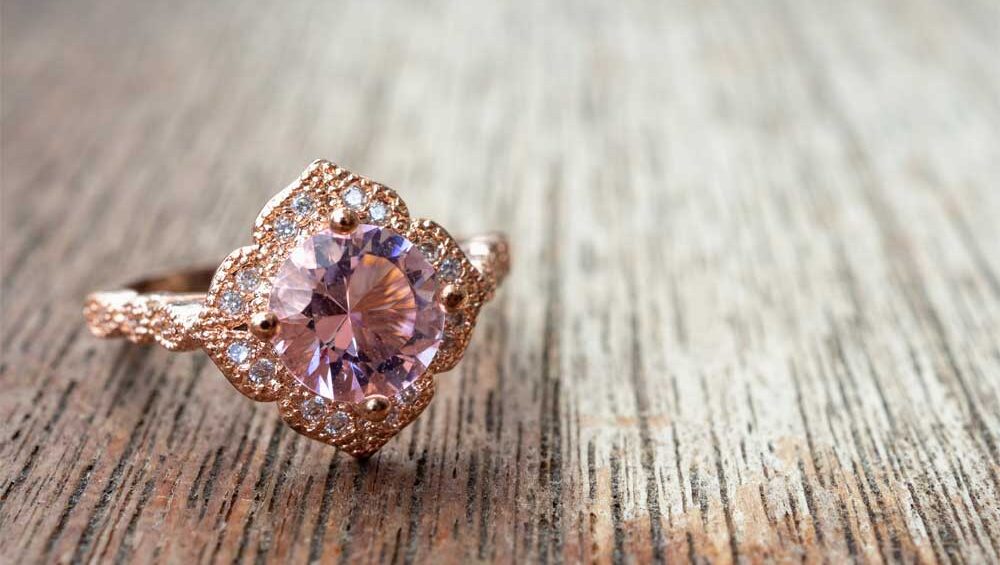
Engagement Rings and Wedding Bands: Perhaps the most meaningful types of fine jewelry, engagement rings and wedding bands are often made from gold or platinum and set with diamonds or other precious stones. These rings symbolize love and commitment and are passed down through generations as treasured family heirlooms.
Necklaces and Pendants: Ranging from simple chains to elaborate statement pieces, necklaces can feature a variety of designs and gemstones. Diamond pendants, gold chains, and pearl necklaces are popular options in fine jewelry.
Bracelets: Fine jewelry bracelets are typically crafted from gold, silver, or platinum, often adorned with diamonds or colored gemstones. Tennis bracelets, in particular, are known for their elegance and timeless appeal.
Earrings: Diamond studs, hoop earrings, and drop earrings are common forms of fine jewelry. Whether subtle or bold, earrings crafted from fine materials can elevate any outfit.
Brooches: While not as commonly worn today, fine jewelry brooches have a history of being adorned with diamonds and gemstones, used to signify wealth and style.
Materials Used in Fine Jewelry
The defining feature of fine jewelry is the use of high-quality, precious materials. The metals and gemstones used in fine jewelry are not only beautiful but also durable, making them suitable for everyday wear.
Gold: One of the most popular metals in fine jewelry, gold is available in different karats. The purest form is 24-karat gold, but because it is too soft for everyday wear, most fine jewelry is made with 18k or 14k gold, which is alloyed with other metals for added strength.
Silver: Sterling silver, which is 92.5% pure silver, is a commonly used metal in fine jewelry. It offers a bright, lustrous finish and is more affordable than gold or platinum.
Platinum: Known for its rarity and durability, platinum is often used in high-end fine jewelry. It is hypoallergenic and resistant to tarnish, making it a popular choice for engagement rings and other special pieces.
Gemstones: Fine jewelry often features natural gemstones such as diamonds, sapphires, rubies, and emeralds. These stones are valued for their beauty and rarity. Diamonds, in particular, are known for their brilliance and hardness, making them a popular choice for engagement rings and other fine jewelry pieces.
The Craftsmanship Behind Fine Jewelry
What truly sets fine jewelry apart is the craftsmanship involved in its creation. Skilled artisans spend years mastering the techniques required to transform raw materials into works of art. The process begins with the design phase, where the jeweler sketches out the concept and selects the appropriate materials.
Once the design is finalized, the crafting process begins. Techniques such as casting, soldering, and stone setting are used to bring the piece to life. Casting involves creating a mold of the design and filling it with molten metal, while soldering is used to join different metal components. Stone setting is an especially delicate process, requiring precision to ensure that each gemstone is securely placed and displayed to its best advantage.
The final step in crafting fine jewelry is finishing. This includes polishing the metal to a high shine, engraving intricate designs, or adding textures to enhance the piece’s overall appeal. The attention to detail at every stage of the process is what makes fine jewelry stand out, ensuring that each piece is unique and of the highest quality.
Fine Jewelry vs. Fashion Jewelry
When comparing fine jewelry to fashion or costume jewelry, the differences are clear. Fashion jewelry is typically made from inexpensive materials like base metals, plastic, or glass and is designed for short-term use. While fashion jewelry may be trendy and fun, it does not have the durability, craftsmanship, or intrinsic value of fine jewelry.
Fine jewelry, on the other hand, is made to last. Pieces can be repaired, resized, and passed down through generations, making them a wise investment. Fine jewelry also retains its value and can even appreciate over time, especially if it features rare gemstones or is crafted by a renowned designer. Fashion jewelry, while affordable, is not made to withstand the test of time and often needs to be replaced when it breaks or tarnishes.
Understanding the distinctions between fine jewelry and other forms can deepen your appreciation; for a broader overview, see our what is jewelry article.
The Importance of Semi-Fine Jewelry
In recent years, a new category known as “semi-fine jewelry” has emerged. Semi-fine jewelry bridges the gap between fashion and fine jewelry, offering high-quality designs at a more affordable price point. These pieces are often made from precious metals like sterling silver and plated with gold or rhodium, giving them the look of fine jewelry without the high price tag. Semi-fine jewelry may also include semi-precious gemstones, offering a more budget-friendly option for those looking for durable, beautiful pieces.
How to Choose and Care for Fine Jewelry
Selecting the perfect piece of fine jewelry requires careful consideration. Here are a few tips to help you make an informed choice:
Consider the Occasion: Whether you’re looking for an engagement ring, a special gift, or an everyday accessory, the occasion should guide your choice. For example, an engagement ring may feature a diamond, while a birthday gift could include a birthstone like sapphire or ruby.
Know the Four Cs: When choosing a piece with gemstones, especially diamonds, familiarize yourself with the Four Cs—cut, clarity, color, and carat weight. These factors determine the quality and value of the stone.
Choose the Right Metal: Consider your lifestyle when selecting the metal. Gold and platinum are durable options for everyday wear, while sterling silver may require more maintenance.
Caring for fine jewelry is essential to ensure its longevity. Regular cleaning is important, especially for pieces worn daily. Use a soft cloth and a gentle solution of warm water and mild soap to clean metal and gemstones. Store your jewelry in a cool, dry place, preferably in a lined jewelry box or pouch, to prevent scratches and tangling.
Conclusion
Fine jewelry is more than just an adornment—it’s a reflection of artistry, craftsmanship, and timeless elegance. Whether it’s a diamond ring, a sapphire necklace, or a pair of gold earrings, fine jewelry holds a special place in the hearts of those who wear it. Its enduring value, coupled with the care and skill that goes into each piece, ensures that fine jewelry will continue to captivate for generations to come. Whether you are building your collection or passing down a cherished heirloom, fine jewelry is always a wise and beautiful investment.
Shop Our Jewelry Collection
Discover our exquisite range of jewelry to complement your style:

Where softness, self-awareness, and emotional healing are allowed to coexist. Through reflective writing, grounding rituals, and intentional beauty, Sparrow Trades offers gentle support for sensitive souls learning to reconnect with themselves.
Jewelry Discovery: Explore Our Handpicked Insights
- A Guide to the Trendiest Types of Chain Necklaces for Every Style
- Earring Stacking: How to Create Stunning Ear Jewelry Combinations
- Unlocking the Brilliance: Exploring the Beauty and Significance of Yellow Gold
- Express Your Unique Story Through a Custom Birthstone Bracelet
- The Perfect Pair: A Guide to Choosing the Right Earrings to Complement Your Pearl Necklace
- 10 Must-Have Bohemian Bracelets to Elevate Your Fashion Game
- All You Need to Know About Necklaces: From History to Styles and Everything in Between
- In-Depth Jewelry Glossary: Definitions and Explanations of Essential Terms