In the heart of Navajo culture, a stone holds immense spiritual significance – turquoise. This sacred gemstone has been revered by the Navajo people for centuries, believed to possess remarkable spiritual powers. Join us on an enchanting journey as we unveil the captivating secrets and spiritual significance of turquoise in Navajo culture.
For the Navajo people, turquoise is more than just a beautiful gemstone; it is a conduit for connecting with the divine. Its mesmerizing blue-green hue is symbolic of the sky and water, representing balance, harmony, and protection. It is said to bring good fortune, promote healing, and ward off negative energies. The Navajo have a deep respect for nature and believe that turquoise holds the essence of the earth, bestowing wisdom and guidance to those who wear it.
“In the heart of Navajo culture, turquoise holds immense spiritual significance. As one Navajo teaching explains, ‘The color blue or turquoise is very important to remind us of the existence in the second world… the turquoise world or the blue world.’ This underscores the stone’s profound connection to their ancestral history.”
In this article, we will explore the rich history and intricate symbolism behind turquoise in Navajo culture. From its origins in ancient trade routes to its modern-day significance as a token of identity and spirituality, we will dive into the unique power and deep-rooted meaning of this remarkable stone. Join us as we unlock the spiritual power of turquoise in Navajo culture and discover the profound connection it holds with the Navajo people.
Watch this video to learn more about the spiritual significance of turquoise in Navajo culture:
The Significance of Turquoise in Navajo Beliefs
For the Navajo people, turquoise is not just a beautiful gemstone, but a sacred symbol that holds deep spiritual significance. Turquoise is believed to be a physical manifestation of the sky, representing the connection between the earth and the heavens. The Navajo believe that this celestial stone possesses the power to bring balance, harmony, and protection to those who honor it.
The Navajo’s reverence for turquoise stems from their deep-rooted respect for the natural world and their belief in the interconnectedness of all things. They see turquoise as a living entity, imbued with the essence of the earth and the wisdom of the ancestors. This sacred stone is believed to be a conduit for communicating with the divine, allowing the Navajo to connect with the spiritual realm and seek guidance from their deities and ancestral spirits.
The teaching among the Navajo people concerning turquoise and jewelry emphasizes its importance in reminding them of their existence in the second world, known as the turquoise or blue world. This world represents a previous spiritual existence, and wearing turquoise jewelry is a way to honor this past and retain its teachings.
As one teaching explains,
“We have to wear the turquoise… to remind us that we came from a previous existence and the world of the turquoise world or the blue world.”
Turquoise as a Spiritual Stone
In Navajo culture, turquoise is revered as a powerful spiritual stone that possesses the ability to heal, protect, and guide those who honor it. The Navajo believe that turquoise is a living entity, imbued with the essence of the earth and the wisdom of the ancestors. This sacred stone is seen as a conduit for connecting with the divine, allowing the Navajo to access the spiritual realm and seek guidance from their deities and ancestral spirits.
The Navajo’s deep respect for turquoise is rooted in their belief that the stone holds the power to balance and harmonize the physical and spiritual realms. The blue-green hue of the stone is believed to represent the perfect union of the sky and the earth, the masculine and feminine energies, and the physical and ethereal worlds. This symbolic duality is a central tenet of Navajo cosmology, and the presence of turquoise is seen as a way to maintain this delicate equilibrium.
Turquoise is also believed to possess powerful protective and healing properties in Navajo culture. The stone is often used in rituals and ceremonies to ward off negative energies, cleanse the body and mind, and promote physical and emotional well-being. Navajo healers and spiritual leaders may incorporate turquoise into their practices, using the stone to channel the earth’s energy and facilitate the healing process. The Navajo’s reverence for turquoise as a spiritual stone is a testament to their deep connection with the natural world and their belief in the power of the divine to guide and protect them.
Traditional Uses of Turquoise in Navajo Rituals and Ceremonies
Turquoise holds a central place in Navajo rituals and ceremonies, where it is used to connect with the spiritual realm and invoke the blessings of the divine. The Navajo believe that the stone’s celestial hue and its association with the sky and the earth make it a powerful conduit for communicating with their deities and ancestral spirits.
One of the most significant uses of turquoise in Navajo rituals is in the creation of ceremonial objects, such as prayer sticks, medicine bundles, and talismans. These sacred items are often adorned with turquoise beads, inlays, or pendants, imbuing them with the stone’s spiritual power and transforming them into powerful tools for spiritual practice. Navajo healers and spiritual leaders may use these objects in various rituals, such as healing ceremonies, coming-of-age rituals, and ceremonies for the blessing of the land.
The necklace is worn to let the holy people know that we understand that we came from their presence and we are their children, their actual offspring,
explains a Navajo teaching. This highlights the deep spiritual connection and respect embodied in turquoise jewelry.
Turquoise is also an essential component in Navajo sand paintings, which are intricate, temporary works of art created during ceremonial practices. These sand paintings often feature the image of the Turquoise Boy, a revered figure in Navajo mythology who is believed to possess the power to heal and protect. The inclusion of turquoise in these sand paintings is a way for the Navajo to invoke the stone’s spiritual energy and connect with the divine.
Turquoise in Navajo Jewelry and Art
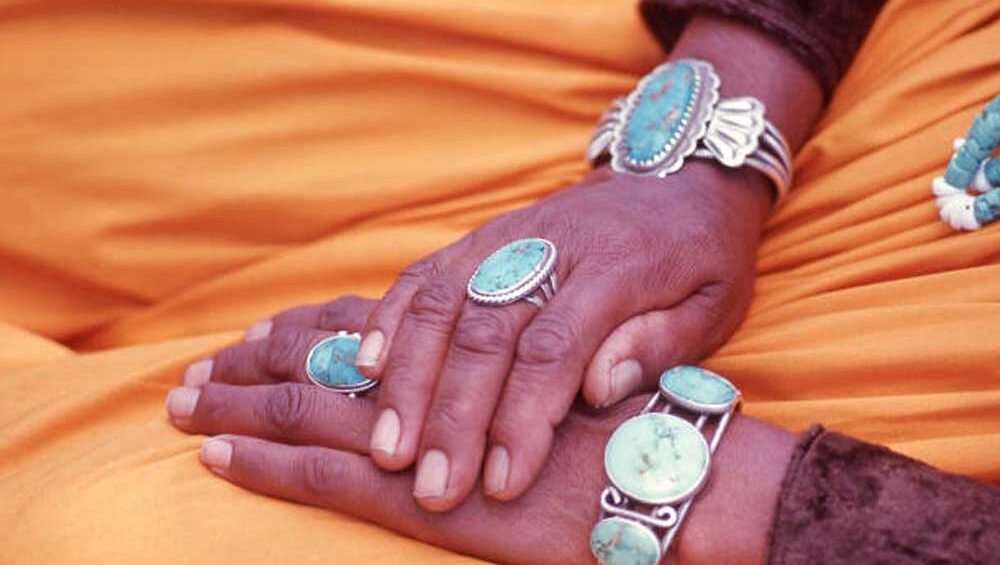
Turquoise holds a special place in Navajo art and jewelry, where it is used to create breathtaking and spiritually significant pieces. The Navajo’s deep reverence for this sacred stone is reflected in the intricate craftsmanship and symbolic meaning of their turquoise-adorned creations.
One of the most iconic examples of Navajo turquoise jewelry is the concha belt, a traditional accessory that features a series of silver or copper discs, each adorned with a central turquoise stone. These belts are not only a beautiful fashion statement but also a powerful symbol of the Navajo’s connection to their spiritual heritage. The turquoise stones are believed to represent the balance and harmony between the physical and spiritual realms, while the circular shape of the concha discs symbolizes the cyclical nature of life and the interconnectedness of all things.
In addition to jewelry, the Navajo also incorporate turquoise into their art, creating intricate and visually stunning pieces that celebrate the stone’s spiritual significance. Navajo artists may use turquoise in the creation of pottery, weaving, and other traditional art forms, often incorporating the stone’s hue and symbolic meaning into their designs. These works of art serve not only as beautiful objects but also as a means of preserving and honoring the Navajo’s rich cultural heritage.
The Importance of Turquoise in Navajo Healing Practices
Turquoise holds a vital role in Navajo healing practices, where it is believed to possess powerful restorative and protective properties. The Navajo view the stone as a conduit for channeling the earth’s energy and facilitating the healing process, both on a physical and spiritual level.
Navajo healers, known as medicine men or women, often incorporate turquoise into their practices, using the stone to cleanse, balance, and restore the body and mind. In traditional Navajo healing rituals, the stone may be placed directly on the body, used in the creation of talismans or amulets, or even ground into a fine powder and ingested. The Navajo believe that the turquoise’s celestial hue and its association with the sky and the earth imbue it with the power to harmonize the physical and spiritual realms, promoting overall well-being and vitality.
The Navajo’s reverence for turquoise as a healing stone extends beyond its use in traditional medicine practices. In everyday life, many Navajo individuals wear turquoise jewelry or carry the stone with them as a way to harness its protective and restorative properties. The stone is believed to shield the wearer from negative energies, promote emotional balance, and even enhance physical and mental clarity. This deep-rooted belief in the healing power of turquoise is a testament to the Navajo’s profound connection with the natural world and their unwavering faith in the transformative power of the divine.
The Role of Turquoise in Navajo Mythology and Legends
Turquoise holds a prominent place in Navajo mythology and legends, where it is often depicted as a sacred and powerful entity that holds the key to the spiritual realm. The Navajo’s reverence for this celestial stone is reflected in the numerous stories and legends that have been passed down through generations, each one revealing the stone’s profound significance in their cultural and spiritual traditions.
One of the most well-known Navajo legends surrounding turquoise is the story of the Turquoise Boy, a revered figure who is believed to possess the power to heal and protect. According to the legend, the Turquoise Boy emerged from the earth, his body adorned with the shimmering blue-green hue of the sacred stone. He is said to have taught the Navajo people the art of turquoise mining and crafting, imparting to them the stone’s profound spiritual significance and its ability to connect the physical and ethereal worlds.
In addition to the Turquoise Boy, Navajo mythology also features other powerful turquoise-related entities, such as the Turquoise Woman, who is believed to be the guardian of the stone, and the Turquoise Serpent, a mythical creature that is said to possess the power to control the weather and bring prosperity to the Navajo people. These legends and the reverence they inspire serve as a testament to the Navajo’s deep-rooted belief in the transformative power of turquoise and its role as a conduit for connecting with the divine.
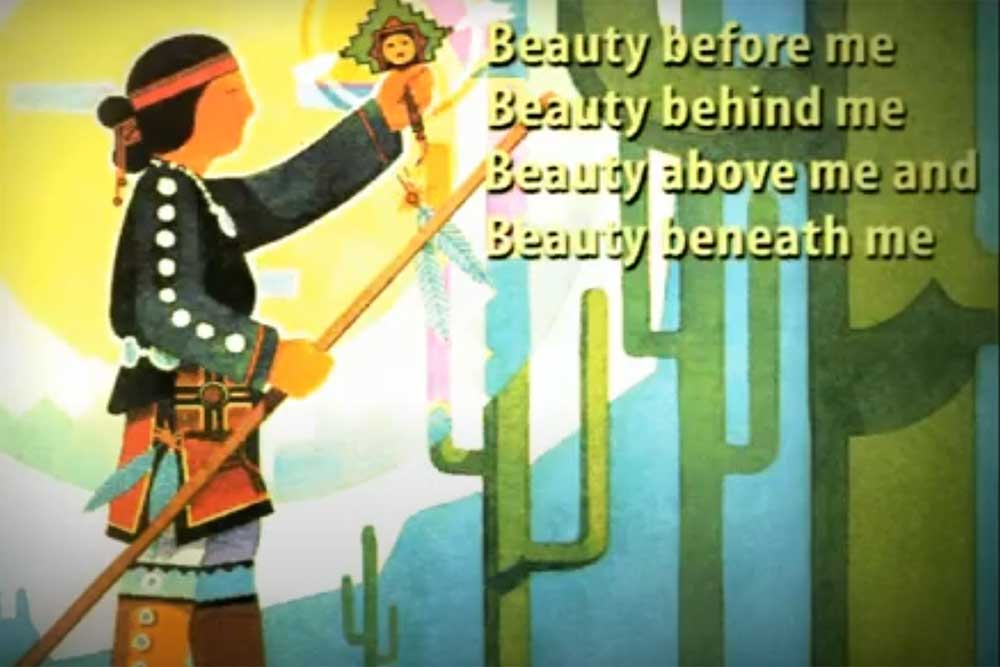
The Cultural Heritage and Preservation of Turquoise in Navajo Culture
The Navajo people’s reverence for turquoise is deeply rooted in their cultural heritage, and the preservation of this sacred stone’s significance is of utmost importance to the Navajo community. For centuries, the Navajo have carefully guarded the knowledge and traditions surrounding turquoise, ensuring that this sacred stone remains a central part of their spiritual and artistic practices.
One of the ways in which the Navajo have preserved the cultural heritage of turquoise is through the passing down of traditional turquoise mining and crafting techniques. Navajo artisans have honed their skills over generations, learning the intricate processes of extracting, cutting, and shaping the stone to create the beautiful and spiritually significant pieces that are so highly valued within their community. This knowledge is often closely guarded and passed down selectively, ensuring that the Navajo’s unique turquoise-working techniques remain a closely held cultural treasure.
In addition to the preservation of traditional craftsmanship, the Navajo have also worked tirelessly to protect the sacred sites and sources of turquoise that are integral to their cultural and spiritual practices. Many Navajo communities have established strict protocols and regulations to ensure the responsible and sustainable extraction of turquoise, with the goal of preserving these precious resources for future generations. This commitment to the preservation of turquoise is a testament to the Navajo’s deep reverence for this sacred stone and their unwavering dedication to safeguarding their cultural heritage.
Modern-Day Appreciation and Commercialization of Turquoise in Navajo Society
While turquoise has long been a central part of Navajo culture and spirituality, the stone has also gained widespread recognition and appreciation in the modern world. As the Navajo’s turquoise-adorned jewelry and art have become increasingly sought after by collectors and enthusiasts, the commercialization of this sacred stone has presented both opportunities and challenges for the Navajo community.
On the one hand, the growing demand for Navajo turquoise has provided a valuable economic opportunity for many Navajo artisans and craftspeople. The sale of turquoise-based products has become a significant source of income for many Navajo families, allowing them to preserve their traditional practices and pass them down to future generations. This economic empowerment has also enabled the Navajo to invest in the preservation and protection of their sacred turquoise resources, ensuring that this cultural treasure remains a vital part of their community for years to come.
However, the commercialization of turquoise has also presented some challenges for the Navajo people. The widespread popularity of Navajo-style turquoise jewelry and art has led to a proliferation of imitations and counterfeit products, which can undermine the Navajo’s cultural and spiritual connection to the stone. Additionally, the commodification of turquoise has the potential to dilute the stone’s sacred significance, as its value becomes increasingly tied to its monetary worth rather than its spiritual and cultural importance. The Navajo community has had to navigate these complexities carefully, working to balance the economic opportunities presented by turquoise with the need to preserve its deep-rooted spiritual and cultural significance.
Conclusion: The Enduring Spiritual Power of Turquoise in Navajo Culture
Turquoise holds a profound and enduring spiritual significance in Navajo culture, serving as a sacred conduit for connecting with the divine and honoring the delicate balance of the natural world. This celestial stone, with its mesmerizing blue-green hue, is believed to possess the power to heal, protect, and guide the Navajo people, imbuing their rituals, ceremonies, and artistic expressions with a deep sense of reverence and spiritual connection.
Through the centuries, the Navajo have carefully guarded the knowledge and traditions surrounding turquoise, ensuring that this sacred stone remains a central part of their cultural and spiritual heritage. From the intricate craftsmanship of their turquoise-adorned jewelry and art to the use of the stone in their healing practices and ceremonial rituals, the Navajo’s reverence for turquoise is a testament to their deep respect for the natural world and their unwavering faith in the transformative power of the divine.
As the modern world continues to embrace the beauty of Navajo turquoise, it is crucial to remember its deep spiritual roots. As a Navajo teaching beautifully states,
“Those are also the things that we have been told… the idea of providing me with the necklace was their gesture and thanking me.”
By honoring the Navajo’s cultural heritage and preserving the sacred traditions that have been passed down through generations, we can ensure that the enduring spiritual power of turquoise continues to be celebrated and revered for generations to come.

Where softness, self-awareness, and emotional healing are allowed to coexist. Through reflective writing, grounding rituals, and intentional beauty, Sparrow Trades offers gentle support for sensitive souls learning to reconnect with themselves.
Jewelry Discovery: Explore Our Handpicked Insights
- Unveiling the Beauty: Exploring the Mesmerizing World of Semi-Precious Stones
- The Perfect Pair: A Guide to Choosing the Right Earrings to Complement Your Pearl Necklace
- The Perfect Equation: Finding the Right Number of Earrings for Every Woman
- Discover the Magic of Boho Turquoise Jewelry: How to Embrace the Free-Spirited Trend