
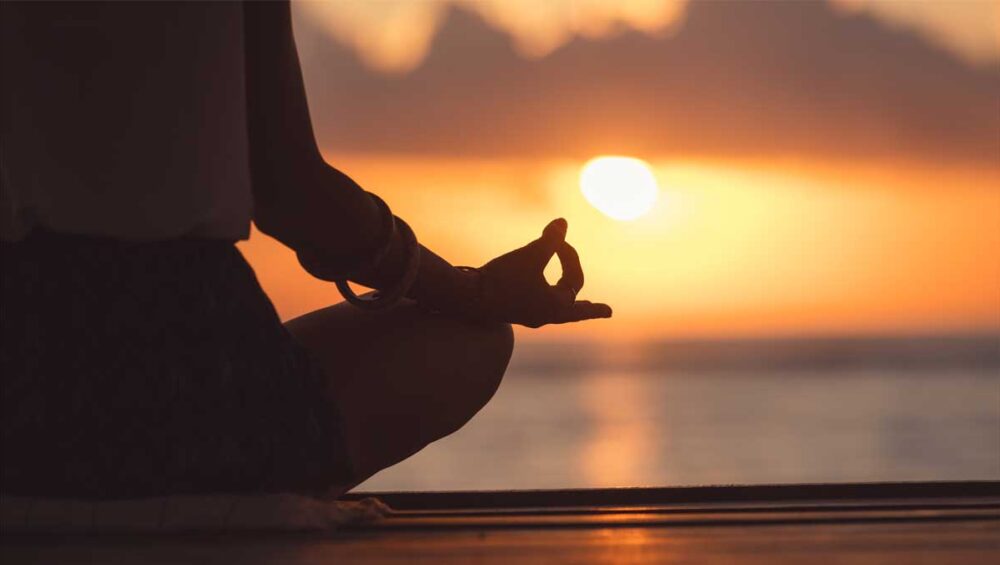
In our fast-paced world, finding peace can feel out of reach. Yet, true peace begins within. Through self-reflection and mindfulness, you can quiet mental clutter, uncover emotional clarity, and live with greater intention.
These practices aren’t just wellness trends; they are powerful tools that help you heal, grow, and reconnect with yourself. By embracing mindful living and reflective awareness, you can transform stress into balance and cultivate lasting inner calm.
This is not simply about slowing down; it’s about reconnecting with yourself, quieting mental clutter, and creating space for healing and growth. By cultivating these practices, you can unlock a calmer, more intentional way of living.
Understanding Inner Peace and Why It Matters
Inner peace is more than the absence of stress—it’s a state of mental and emotional harmony. When you nurture inner peace through mindfulness for stress relief and regular self-reflection, you experience:
Reduced anxiety and emotional overwhelm
Greater self-awareness and mental clarity
Healthier relationships through empathy and patience
Improved physical well-being from lower cortisol levels
This balance creates space for emotional resilience, helping you navigate life’s challenges with calm and confidence.
The Role of Self-Reflection in Emotional Clarity
Self-reflection is the practice of examining your inner world—your thoughts, feelings, and patterns—with honesty and compassion.
Why it matters:
Reveals hidden patterns: Helps you identify beliefs or habits that hold you back.
Encourages growth: Aligns your choices with your core values.
Promotes emotional clarity: Brings focus to what truly matters, easing mental clutter.
By integrating self-reflection exercises into your routine—like journaling or meditative questioning—you create a foundation for meaningful growth and inner healing.
Mindfulness: The Key to Present-Moment Awareness
Mindfulness meditation is a powerful way to center yourself. By observing your thoughts without judgment, you stay anchored in the present instead of getting lost in regrets or future worries.
Benefits of mindfulness:
Lowers stress and anxiety
Enhances focus and emotional intelligence
Boosts empathy and compassion for yourself and others
Supports physical health by improving sleep and reducing blood pressure
Even a few minutes of mindfulness for stress relief can create immediate calm, making it easier to handle life with clarity and ease.
The Science Behind Self-Reflection and Mindfulness
Neuroscience continues to validate what these practices achieve:
Neuroplasticity: Regular mindfulness strengthens the prefrontal cortex (focus and decision-making).
Reduced overthinking: Both practices quiet the brain’s default mode network, lowering rumination.
Improved emotional regulation: Mindfulness calms the amygdala, reducing reactivity to stress.
Mind-body connection: Research links mindfulness meditation to lower cortisol, better sleep, and improved immune function.
These benefits make mindfulness and self-reflection for mental health more than a lifestyle choice—they’re transformative tools.
Practical Self-Reflection Techniques
You don’t need hours of silence to connect with yourself. Start small:
Journaling: Write freely about your thoughts and feelings—no judgment.
Meditative questioning: Ask yourself, “What am I holding onto that I can release today?”
Quiet check-ins: Pause for a few minutes each day to observe your emotions and reactions.
These simple practices deepen self-awareness and build a foundation for lasting emotional balance.
Simple Mindfulness Techniques for Stress Relief
Mindfulness fits easily into daily life.
Mindful breathing: Focus on slow, steady breaths to calm your mind.
Mindful eating: Savor each bite and reconnect with the present moment.
Mindful walking: Pay attention to each step, the sounds, and the sensations around you.
These small acts help reduce anxiety and anchor you in the present, creating a sense of grounding and peace.
Overcoming Common Challenges
Starting a mindfulness or self-reflection practice isn’t always easy:
Time constraints: Begin with 5 minutes a day. Consistency matters more than duration.
Self-judgment: Approach every practice with compassion, not criticism.
Staying committed: Link your practice to daily routines—like morning coffee or evening wind-down.
Remember, progress comes with patience. These practices are about transformation, not perfection.
How Self-Reflection and Mindfulness Reduce Stress
Together, self-reflection and mindfulness form a powerful framework for stress relief.
Self-reflection helps identify root causes of stress, giving you tools for long-term change.
Mindfulness provides immediate relief by calming your mind and body in the moment.
By blending both, you create a sustainable path to emotional resilience and lasting inner peace.
Frequently Asked Questions About Self-Reflection and Mindfulness
Before starting, many wonder how to apply these practices in real life. Here are some of the most common questions answered:
1. What is the difference between self-reflection and mindfulness?
Self-reflection focuses on examining your inner world, while mindfulness is about staying present and aware. When combined, they support emotional healing and mental clarity.
2. How can I practice mindfulness daily?
Start with mindful breathing or short meditations. Even brief moments of mindfulness for stress relief throughout the day can significantly reduce anxiety.
3. Why is self-reflection important for emotional healing?
It helps you identify limiting beliefs and emotional triggers, creating the space for personal growth and balance.
4. Can mindfulness improve physical health?
Yes. Mindfulness reduces cortisol levels, improves sleep, lowers blood pressure, and boosts immunity.
5. How long until I notice results?
Many feel immediate calm from mindfulness, while deeper transformation from self-reflection often unfolds over weeks or months.
Conclusion: Choosing Balance and Inner Calm
Self-reflection and mindfulness are more than practices—they’re pathways to healing, self-awareness, and emotional clarity.
By weaving these tools into your daily routine, you create a calmer mind, a stronger heart, and a life rooted in balance and intention. Your journey to peace begins the moment you decide to pause, reflect, and be present.

Where softness, self-awareness, and emotional healing are allowed to coexist. Through reflective writing, grounding rituals, and intentional beauty, Sparrow Trades offers gentle support for sensitive souls learning to reconnect with themselves.