Lapis lazuli has long been associated with wisdom, truth, and self-expression. Across many spiritual traditions, it is considered a stone that encourages honest reflection and deeper awareness. For some people, that experience feels inspiring and comforting. For others, it can feel surprisingly intense.
If you’ve searched for lapis lazuli negative effects, you may be wondering whether the stone can actually cause headaches, vivid dreams, emotional overwhelm, or a general sense that something doesn’t feel right. Perhaps you recently began wearing a lapis lazuli necklace, meditated with the stone, or placed it beside your bed and noticed changes you weren’t expecting.
These experiences can be unsettling, especially when many articles focus only on the positive qualities of crystals. It’s natural to question whether you’re imagining things, whether the stone is “too powerful,” or whether you should stop using it altogether.
The answer is a little more nuanced than either “yes” or “no.”
From a scientific perspective, there is no reliable evidence that lapis lazuli itself produces measurable energetic effects on the body or mind. Many of the experiences people describe come from personal beliefs, spiritual traditions, individual interpretation, or entirely unrelated physical and emotional factors. That doesn’t make someone’s experience unimportant, but it does mean it’s helpful to approach those experiences with both curiosity and discernment.
At the same time, there are practical considerations worth understanding. Some people experience skin irritation from the metal in jewelry rather than the gemstone itself. Others unknowingly expose themselves to unnecessary risk by using unsuitable crystals in water preparations or by handling stone dust incorrectly during cutting or polishing. Understanding these practical realities can be just as valuable as exploring spiritual interpretations.
Before assuming that lapis lazuli is causing every uncomfortable feeling, it also helps to consider the broader context of crystal healing. Different traditions describe crystals in different ways, and those perspectives are not the same as established medical knowledge. Holding space for both personal meaning and evidence-based thinking allows you to make choices that feel grounded rather than fear-driven.
If you enjoy working with crystals, this balanced approach doesn’t diminish the experience. Instead, it encourages you to pay attention to your own body, emotions, and intuition without feeling pressured to interpret every sensation as proof that a stone is either helping or harming you.
Like many aspects of emotional wellness, the goal isn’t to search for certainty in every feeling. It’s to become more aware of your own experiences while remaining open to both reflection and practical wisdom.
What Are the Possible Negative Effects of Lapis Lazuli?
There is no universally accepted list of side effects associated with lapis lazuli. Most reported experiences come from personal accounts rather than scientific research, and they vary considerably from one individual to another.
Among people who work with crystals, some describe feeling emotionally overwhelmed after spending extended time with lapis lazuli. Others report vivid dreams, increased self-reflection, temporary headaches, mental fatigue, or a stronger awareness of emotions they had previously ignored. Because lapis lazuli is traditionally associated with truth and communication, some believe these experiences reflect a period of emotional processing rather than harm.
At the same time, it’s important not to assume that every uncomfortable feeling is connected to the stone. Stress, poor sleep, dehydration, anxiety, underlying health conditions, and everyday life can all produce similar symptoms. Correlation alone doesn’t establish a cause.
Some people also experience practical issues unrelated to spiritual beliefs. Jewelry containing lapis lazuli may include metals that irritate sensitive skin. Low-quality or heavily dyed stones may wear differently than natural lapis lazuli. During cutting or shaping, inhaling mineral dust should always be avoided, just as it should with many other natural stones.
For many people, the healthiest response isn’t to force themselves to continue using lapis lazuli or to immediately conclude that the stone is harmful. Instead, it can be helpful to pause, observe how you’re feeling, and approach the experience with thoughtful curiosity. If symptoms are severe, persistent, or medically concerning, it’s always appropriate to seek guidance from a qualified healthcare professional rather than assuming a crystal is responsible.
Can Lapis Lazuli Cause Headaches or Emotional Overwhelm?
Headaches are one of the most commonly reported concerns among people searching for lapis lazuli negative effects. While some crystal enthusiasts believe the stone’s association with the third eye chakra or heightened self-awareness can temporarily intensify mental or emotional experiences, there is no scientific evidence showing that lapis lazuli directly causes headaches.
That doesn’t mean your experience should be dismissed. Our bodies and minds are remarkably complex. Stress, dehydration, muscle tension, disrupted sleep, increased screen time, or anxiety can all contribute to headaches. If you begin using a new crystal while other parts of life are changing, it’s easy to connect the two, even when another explanation may exist.
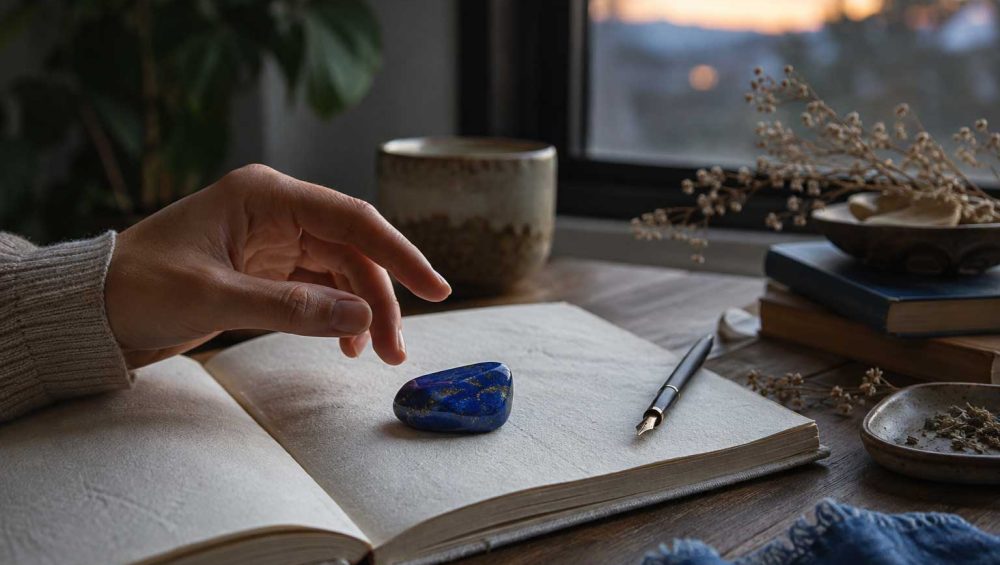
Some people also notice a greater awareness of emotions they’ve been avoiding. Rather than creating new feelings, spending intentional time journaling, meditating, or reflecting with a meaningful object may simply create enough quiet for existing emotions to surface. For some, that experience feels healing. For others, it can feel uncomfortable before it becomes clarifying.
Traditional crystal practices often encourage balance rather than constant use. If working with lapis lazuli leaves you feeling emotionally exhausted instead of supported, there is nothing wrong with taking a break. Rest, hydration, fresh air, and simple grounding practices may feel more supportive than pushing through discomfort because you believe you “should” continue.
If headaches become severe, frequent, or are accompanied by symptoms such as vision changes, confusion, weakness, fever, or persistent dizziness, they should be evaluated by a healthcare professional rather than attributed to a crystal.
Is Lapis Lazuli Safe to Wear Every Day?
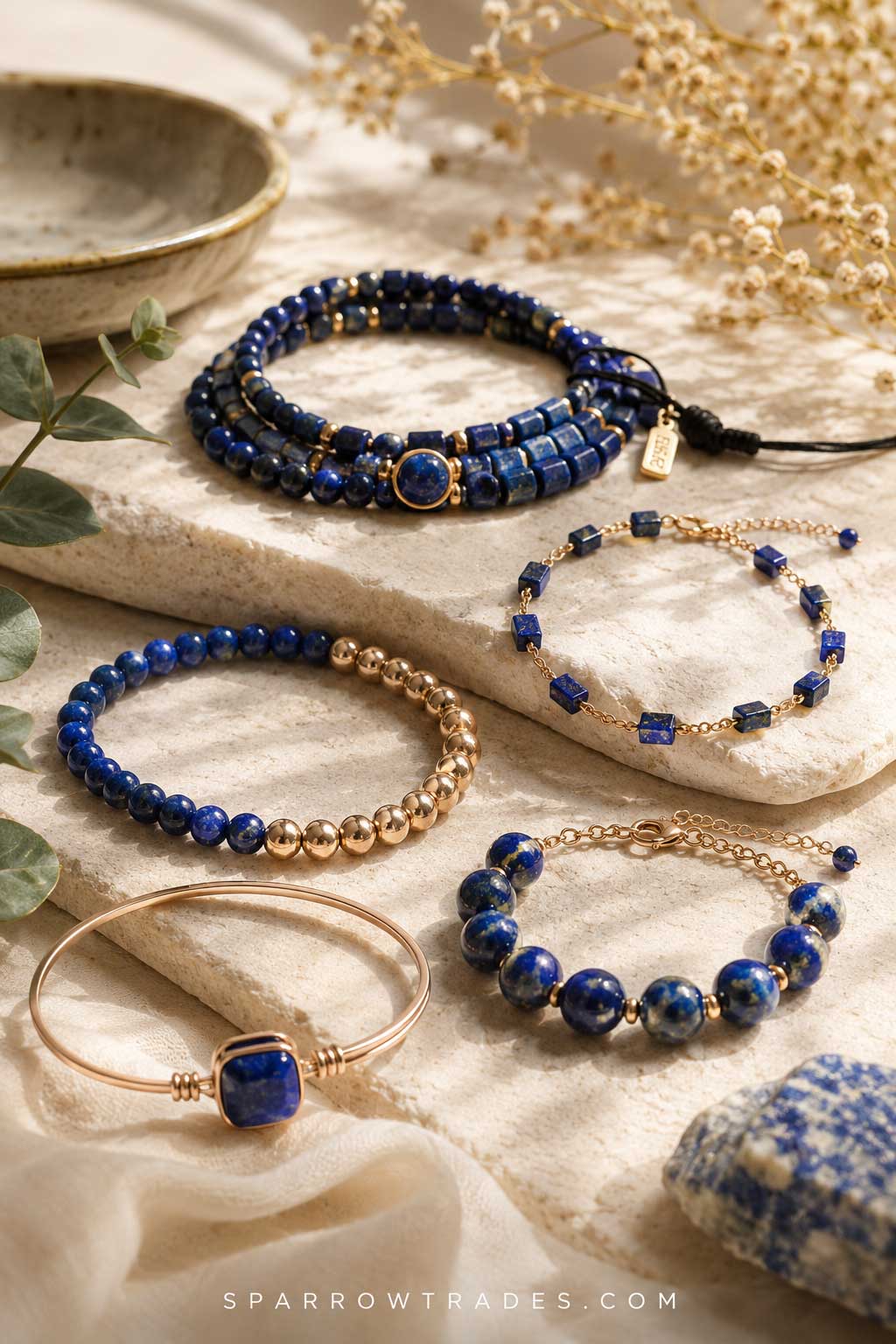
For most people, wearing lapis lazuli jewelry is physically safe. The stone itself is stable when worn in necklaces, bracelets, or earrings, and simply wearing it against your skin does not expose you to harmful substances under normal conditions.
However, everyday wear isn’t always the best choice for everyone.
Some people find that a meaningful piece of jewelry gradually fades into the background of daily life, while others appreciate wearing it as a personal reminder of values such as honesty, wisdom, or authentic communication. Neither approach is more “correct.” What matters is whether the experience continues to feel supportive rather than obligatory.
If you notice that wearing lapis lazuli leaves you feeling emotionally preoccupied, distracted, or unusually uncomfortable, consider giving yourself permission to wear it less often. Personal practices are most sustainable when they remain flexible rather than becoming rigid rules.
It’s also worth remembering that irritation isn’t always caused by the gemstone. Clasps, chains, plated metals, or nickel-containing components are much more likely to trigger skin sensitivity than lapis lazuli itself. If redness or itching develops where jewelry touches your skin, examining the metal components is often more helpful than assuming the stone is responsible.
For readers who enjoy the symbolism of gemstones, lapis for emotional clarity and truth explores why many people are drawn to lapis lazuli in the first place. Understanding those traditional associations can provide context without requiring you to interpret every personal experience as evidence that the stone is working—or not working.
Are There Any Physical Safety Concerns With Lapis Lazuli?
Most discussions about lapis lazuli negative effects focus on emotional or spiritual experiences, but there are also practical safety considerations that deserve attention.
Natural gemstones such as lapis lazuli often contain minerals including lazurite, calcite, and pyrite. These minerals are generally stable in finished jewelry and decorative stones. Problems are much more likely to arise during cutting, drilling, or polishing, where inhaling fine mineral dust should always be avoided. Appropriate safety equipment is recommended whenever stones are worked professionally or as a hobby.
Another important consideration is crystal-infused water. Because lapis lazuli contains multiple minerals and is not considered a water-safe crystal for direct immersion, it should not be placed directly into drinking water or used to prepare crystal elixirs. If someone enjoys symbolic crystal rituals involving water, indirect methods—where the stone never comes into contact with the water—are the safer choice.
Finally, remember that no crystal should replace medical care. If you’re experiencing persistent physical symptoms, significant emotional distress, or changes that interfere with daily life, it’s important to seek appropriate professional guidance. Personal spiritual practices can be meaningful companions to well-being, but they are not substitutes for evidence-based healthcare.
Should You Stop Using Lapis Lazuli If It Doesn’t Feel Right?
If you’ve been feeling uncertain, one of the most reassuring things to remember is that there is no rule saying you have to continue using a crystal if it no longer feels supportive.
Sometimes people worry that setting a stone aside means they’ve done something wrong or somehow “failed” a spiritual lesson. In reality, personal practices are most helpful when they remain flexible. Your emotional needs change over time, and the objects that feel meaningful during one season of life may not feel the same in another.
If you’ve been feeling emotionally overwhelmed, unusually tired, or simply unsettled since introducing lapis lazuli into your routine, consider taking a short break. Notice how you feel after several days or a week without intentionally using the stone. This isn’t about proving that lapis lazuli caused your experience. Instead, it’s a gentle way of observing your own patterns without jumping to conclusions.
Many people also find it helpful to return to simple routines that create a sense of stability. Spending time outdoors, maintaining healthy sleep habits, staying hydrated, and practicing emotional grounding can often provide more immediate support than searching for a different crystal to solve the problem.
Approaching the experience with curiosity instead of certainty allows you to remain open to multiple explanations. Sometimes you’ll discover the stone wasn’t the source of your discomfort at all. Other times, you may simply realize that now isn’t the season when it feels meaningful to use it.
Why Do People Report Such Different Experiences With Lapis Lazuli?
One of the reasons conversations about crystals can become confusing is that no two people approach them in exactly the same way.
Some people view lapis lazuli as a beautiful natural gemstone with historical and cultural significance. Others incorporate it into meditation, journaling, or spiritual reflection. Still others simply enjoy wearing it because they appreciate its rich blue color. Each of these perspectives creates a different context for the experience.
Expectations can also shape how we interpret what we notice. If someone has read that lapis lazuli encourages honesty or deeper insight, they may naturally pay closer attention to moments of emotional reflection. Another person with no prior expectations may wear the same stone every day without noticing any emotional changes at all.
This doesn’t mean one person’s experience is real while another’s is not. It simply highlights how personal meaning, beliefs, environment, and individual circumstances all influence the way we understand our experiences.
For many readers, learning about the traditional symbolism of lapis lazuli for throat chakra can provide helpful cultural and spiritual context. Those traditions may deepen personal reflection for some people while remaining symbolic for others. Neither perspective needs to invalidate the other.
The healthiest approach is often one of thoughtful openness—remaining curious about your own experience while recognizing that personal stories are not the same as universal truths.
Common Myths About Lapis Lazuli Negative Effects
The popularity of crystals on social media has made it easier than ever to find dramatic stories about gemstones. While some personal experiences may resonate with readers, it’s worth separating commonly repeated myths from what is actually known.
Myth: Lapis lazuli always causes an emotional purge.
Some people describe periods of intense self-reflection after working with lapis lazuli, but there is no evidence that everyone will experience emotional upheaval simply by owning or wearing the stone. Experiences vary widely from person to person.
Myth: Feeling uncomfortable means the crystal is working.
Discomfort isn’t something that should automatically be interpreted as progress. Persistent emotional distress or physical symptoms deserve thoughtful attention rather than assumptions. Sometimes the most compassionate choice is to pause, rest, or seek additional support.
Myth: More exposure produces better results.
Whether someone approaches crystals symbolically or spiritually, more is not necessarily better. If a practice no longer feels supportive, taking a break is a healthy response rather than a sign of failure.
Myth: Every unpleasant feeling has a spiritual explanation.
Life is influenced by many factors, including stress, relationships, health, sleep, and everyday responsibilities. Looking at the whole picture often leads to greater clarity than attributing every change to a single object.
These balanced perspectives allow you to appreciate the symbolism and personal meaning of lapis lazuli without feeling pressured to interpret every experience through only one lens.
Conclusion
Searching for lapis lazuli negative effects often begins with a simple question: “Is something wrong?” In many cases, the more helpful question becomes: “What can I learn from this experience?”
Lapis lazuli has been admired for centuries for its beauty and the symbolic meanings people have associated with wisdom, truth, and self-expression. Those traditions continue to hold personal significance for many people today. At the same time, there is no scientific evidence showing that the stone itself causes emotional or physical changes. Both perspectives can exist without dismissing one another.
If you’ve noticed headaches, emotional intensity, vivid dreams, or a general feeling that using lapis lazuli doesn’t feel supportive, you don’t have to force yourself to continue. Personal practices should create space for reflection, not pressure or fear. Taking a break, observing how you feel, and returning only if it feels right is a thoughtful response—not a failure.
It’s also worth remembering that many experiences have more than one possible explanation. Stress, lack of sleep, emotional transitions, physical health, and everyday life all influence how we feel. Looking at the whole picture with curiosity often provides more clarity than assuming a single crystal is responsible for every change.
Whether you see lapis lazuli as a meaningful spiritual symbol, a beautiful natural gemstone, or simply a piece of jewelry you enjoy wearing, your experience is allowed to be your own. You don’t have to match someone else’s story for your relationship with the stone to be meaningful.
Sometimes the wisest choice isn’t deciding whether lapis lazuli is “good” or “bad.” It’s learning to trust your own observations, remain open to evidence, and choose practices that genuinely support your well-being.
If you decide to continue exploring lapis lazuli, doing so with patience, discernment, and realistic expectations creates a much stronger foundation than relying on fear or sensational claims. The goal isn’t to prove that every experience has a mystical explanation or to dismiss personal experiences altogether. It’s to approach both yourself and the stone with honesty, balance, and compassion.
Frequently Asked Questions
Can lapis lazuli cause headaches?
There is no scientific evidence showing that lapis lazuli directly causes headaches. Some people report headaches while using the stone, but many other factors—such as dehydration, stress, poor sleep, anxiety, or unrelated health conditions—can produce similar symptoms. If headaches are severe or persistent, consult a healthcare professional.
Is it bad to wear lapis lazuli every day?
For most people, wearing lapis lazuli jewelry is physically safe. Whether wearing it every day feels emotionally supportive is a personal decision. If you notice discomfort or simply feel better taking breaks, it’s perfectly reasonable to wear it less often.
Can lapis lazuli affect sleep?
Some people report vivid dreams or changes in sleep after placing lapis lazuli near their bed, while others notice no difference at all. Because experiences vary considerably, this topic represents its own educational journey. can you sleep with lapis lazuli


Where softness, self-awareness, and emotional healing are allowed to coexist. Through reflective writing, grounding rituals, and intentional beauty, Sparrow Trades offers gentle support for sensitive souls learning to reconnect with themselves.