There are seasons in life when everything feels like it is moving too quickly. Responsibilities pile up, difficult conversations linger in your mind, and emotions can seem to pull you in several directions at once. During these moments, many people aren’t looking for excitement or inspiration—they’re searching for something much simpler. They want to feel steady again.
That quiet longing for stability is one reason people have been drawn to hematite for centuries. With its smooth metallic appearance and substantial weight, hematite naturally evokes a sense of strength and grounding. Across many traditions, it has been associated with staying present, creating emotional stability, and returning attention to the here and now. While these symbolic and spiritual associations are meaningful to many people, they should never be viewed as a substitute for professional medical or mental health care.
If you’re exploring gemstones for emotional wellness, hematite often becomes one of the first stones people encounter because of its reputation for grounding. Rather than encouraging emotional escape, it invites a slower, steadier relationship with your thoughts and feelings. For someone navigating overwhelm, uncertainty, or emotional fatigue, that meaning alone can feel deeply comforting.
Grounding doesn’t mean ignoring difficult emotions or pretending everything is fine. Instead, it’s the gentle practice of reconnecting with your body, your surroundings, and the present moment. Many people discover that combining mindful grounding practices with meaningful objects—such as a favorite journal, a comforting ritual, or a treasured gemstone—helps create small moments of calm throughout the day.
Within the broader journey of emotional wellness, grounding serves as an important foundation. When we feel emotionally anchored, it often becomes easier to notice our emotions without becoming consumed by them. That doesn’t make difficult experiences disappear, but it can create enough space to respond thoughtfully instead of reacting automatically.
Hematite has long been appreciated for representing that kind of steadiness. Whether someone keeps a polished stone on their desk, wears hematite jewelry as a personal reminder, or simply enjoys learning about its symbolism, the stone often becomes less about mystical promises and more about intentional presence.
Throughout this guide, we’ll explore what hematite traditionally represents, why it has become closely associated with emotional grounding, practical ways people incorporate it into daily rituals, and how it fits within a compassionate approach to emotional wellness. Rather than searching for quick fixes, this is an invitation to cultivate a greater sense of stability—one small moment at a time.
What Is Hematite?
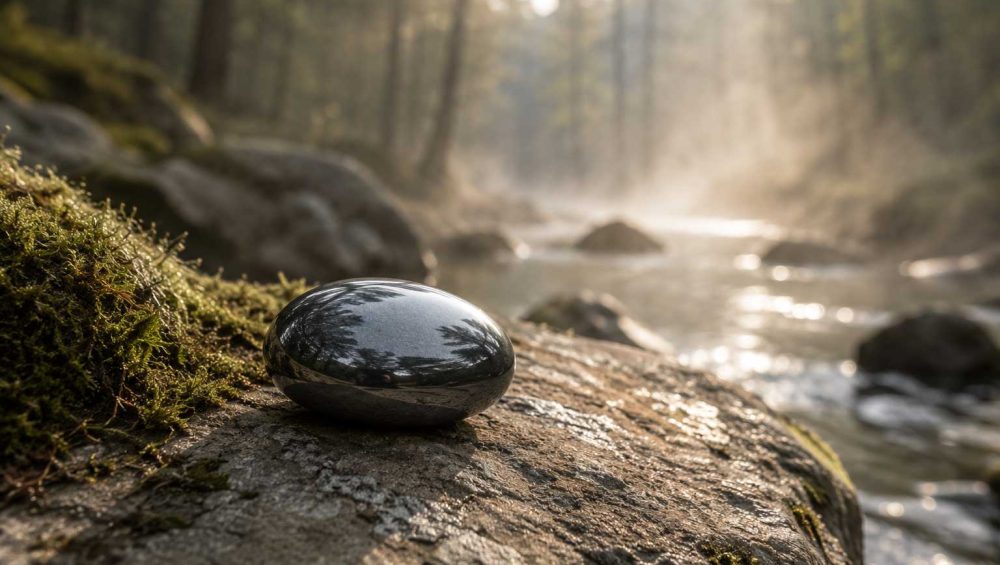
Hematite is an iron oxide mineral recognized for its smooth texture and distinctive metallic gray to black appearance. Although its polished surface reflects light with an almost mirror-like quality, its name comes from the Greek word for “blood,” referencing the reddish color the mineral produces when finely powdered.
Some people first discover hematite because of its striking appearance, while others are drawn to its long history in art, jewelry, and cultural traditions. Across different civilizations, hematite has symbolized strength, protection, courage, and resilience. These meanings have continued into modern crystal practices, where it is commonly associated with grounding and emotional stability.
Hematite also belongs to a much larger world of gemstones, each carrying its own natural beauty, cultural history, and symbolic meaning. Some stones are associated with love, clarity, protection, or transformation. Hematite, by contrast, often speaks to the quieter need for steadiness.
Unlike gemstones that are often connected with inspiration or emotional openness, hematite carries a more anchored presence in many spiritual traditions. Rather than encouraging expansion, it represents returning home to yourself—settling scattered thoughts, reconnecting with your physical surroundings, and creating a sense of steadiness during emotionally demanding seasons.
That meaning resonates with many people because emotional wellness rarely begins with dramatic transformation. More often, healing begins with feeling safe enough to pause, breathe, and reconnect with the present moment.
Why Hematite Is Associated With Emotional Wellness
Emotional wellness isn’t about eliminating every uncomfortable feeling. It’s about developing the capacity to experience emotions with greater awareness, flexibility, and self-compassion.
Many people are drawn toward hematite for emotional wellness because grounding practices can support that process. While scientific research does not demonstrate that gemstones themselves directly improve emotional health, meaningful rituals often help people slow down, become more mindful, and create intentional moments of reflection.
For some, simply holding a smooth hematite stone becomes a reminder to notice their breathing. For others, wearing hematite jewelry becomes a symbolic commitment to staying present during stressful days. The object itself becomes less important than the habit it reinforces.
If you’re exploring grounding, you’ll find that many grounding techniques share this same goal. They encourage awareness of your body, your senses, and your immediate environment instead of becoming overwhelmed by anxious thoughts or emotional spirals.
This connection also explains why hematite frequently appears alongside conversations about grounding for emotional wellness. Gentle grounding practices—such as mindful breathing, sensory awareness, and intentional pauses—can help create a greater sense of safety within the body, allowing difficult emotions to be experienced without feeling completely consumed by them.
For readers who notice that stress often shows up physically—as tension, restlessness, shutdown, or emotional flooding—nervous system regulation for emotional wellness can be a meaningful next step. Hematite simply becomes a quiet companion within those practices, serving as a tangible reminder to return to the present whenever life begins to feel emotionally overwhelming.
Grounding as an Emotional Practice
When emotions become overwhelming, our attention often drifts away from the present. We replay difficult conversations, anticipate future problems, or become caught in cycles of worry. Grounding gently interrupts that pattern by helping us reconnect with what is happening right now.
Many people begin with simple practices like noticing five things they can see, taking slow breaths, or feeling their feet against the floor. These moments may seem small, but they create opportunities for the nervous system to recognize that the present moment is different from the stressful thoughts racing through the mind.
If you’re exploring crystals for grounding, hematite is frequently mentioned because its traditional qualities naturally align with these practices. Its cool, substantial feel in the hand can become an anchor for mindful attention. Rather than expecting the stone itself to create change, many people appreciate how it reminds them to slow down, breathe, and return to their bodies.
Hematite also appears among the best grounding gemstones because it represents steadiness rather than escape. Instead of encouraging us to avoid difficult emotions, it symbolizes meeting them with greater stability and self-awareness.
Grounding is ultimately a skill that develops over time. Whether that practice involves nature, breathwork, journaling, meditation, or a meaningful gemstone, each small moment of presence contributes to a stronger foundation for emotional wellness.
If you’re discovering that grounding practices resonate with you beyond hematite itself, you may find yourself drawn back toward grounding for emotional wellness, where steadiness becomes less of a single ritual and more of a supportive way to move through daily life.
Hematite and the Root Chakra
Within many spiritual traditions, hematite is closely associated with the root chakra—the energy center connected with safety, stability, and a sense of belonging. While chakras are spiritual concepts rather than scientific structures, many people find them to be meaningful frameworks for self-reflection and personal growth.
When people describe feeling “ungrounded,” they’re often talking about experiences that resemble imbalance within the root chakra: chronic stress, uncertainty, emotional overwhelm, or feeling disconnected from themselves and their surroundings.
For readers interested in exploring this tradition further, best crystals for root chakra offers a broader look at gemstones commonly associated with feelings of stability and emotional security.
Whether or not you personally work with chakra practices, the symbolism remains accessible. Creating a stronger sense of emotional safety often begins with very practical actions—resting, nourishing your body, setting healthy boundaries, and allowing yourself to slow down. Hematite simply becomes one symbolic reminder of those intentions.
Rather than viewing the stone as something that “fixes” emotional challenges, many people appreciate it as a gentle prompt to return to habits that genuinely support their well-being.
Everyday Ways People Use Hematite
One of hematite’s greatest strengths is its simplicity. Unlike elaborate rituals, many people incorporate it into ordinary moments throughout the day.
Some carry a small polished stone in a pocket as a tactile reminder to pause before reacting during stressful situations. Others keep one beside their computer to encourage mindful breaks between demanding tasks. Wearing hematite jewelry can also become part of a daily intention—less about appearance and more about remembering the qualities of steadiness and resilience the stone represents.
If you’re curious about more intentional practices, you might find yourself drawn toward how to use hematite for grounding, where hematite becomes part of slower rituals and moments of reflection.
You might also combine hematite with journaling, breathing exercises, or mindful walks outdoors. The ritual itself doesn’t need to be complicated. In fact, simple practices are often the ones we return to most consistently.
Emotional wellness is rarely built through dramatic breakthroughs. More often, it grows from small choices repeated with kindness and patience over time.
Hematite Compared With Other Grounding Stones
Every grounding gemstone carries its own symbolism, and different people naturally resonate with different stones.
Black tourmaline is often associated with protection and creating healthy energetic boundaries. Smoky quartz is commonly connected with gently releasing emotional heaviness. Hematite, by contrast, is frequently described as representing stability, centeredness, and emotional resilience.
None of these stones is objectively better than another. Instead, each reflects a slightly different emotional intention.
If you’re deciding between two popular grounding stones, hematite vs black tourmaline for grounding explores how their traditional meanings differ and why someone might choose one over the other depending on their personal journey.
You may also appreciate grounding stones for anxiety relief if your interest in hematite is connected to anxious seasons, emotional intensity, or a desire to feel more settled in your body.
Choosing a gemstone often becomes less about finding the “perfect” stone and more about selecting one whose meaning genuinely resonates with the season you’re living through.
Choosing Hematite Jewelry With Intention
For many people, jewelry becomes more than an accessory. It quietly marks memories, celebrates milestones, or serves as a reminder of personal values. Hematite jewelry can carry that same quiet significance.
Some people choose a bracelet because they like feeling the smooth stones against their wrist throughout the day. Others prefer a necklace that rests close to the heart as a subtle reminder to remain grounded during emotionally demanding moments. The jewelry itself isn’t what creates emotional resilience—it simply becomes a physical cue that brings attention back to the intentions you’ve already chosen for yourself.
If you’re looking for hematite jewelry, a thoughtfully curated collection can become a natural place to begin. Rather than promising transformation, these pieces invite intentional living and meaningful daily rituals.
Meaningful jewelry often becomes most valuable not because of what it does, but because of what it reminds you to practice: slowing down, taking a deep breath, and returning to yourself with compassion.
Caring for Hematite as Part of a Mindful Ritual
Looking after something you value can become a calming practice in itself. Whether it’s watering a favorite plant, maintaining a journal, or caring for a cherished piece of jewelry, these small acts often encourage us to slow down and be present.
The same can be true for hematite. If you work with gemstones in a spiritual or reflective way, periodically caring for your stone may become another opportunity to reconnect with your intentions.
Because hematite contains iron, many enthusiasts recommend avoiding prolonged exposure to water. Instead, gentle methods such as wiping the stone with a soft cloth or using cleansing practices that don’t involve moisture are commonly preferred.
If you’re developing a more thoughtful care routine, crystal cleansing without water may be especially helpful if your collection includes stones that may be sensitive to moisture. You may also appreciate how often to cleanse crystals if you’re building a regular reflective practice around your gemstones.
Whether you view cleansing as spiritual symbolism or simply mindful maintenance, the ritual itself can become another quiet pause in an otherwise busy day.
A Gentle Reminder About Emotional Wellness
It’s natural to hope that one book, one practice, or one meaningful object might provide all the answers. But emotional wellness is rarely built around a single solution.
For many people, healing grows through a combination of supportive relationships, self-awareness, healthy routines, professional care when needed, and small daily practices that help create moments of calm. A gemstone like hematite can certainly become part of that journey, but it doesn’t replace evidence-based mental health care or the support of qualified professionals.
If you find yourself navigating persistent anxiety, depression, trauma, or emotional distress, reaching out to a licensed mental health professional is an important act of self-care. There’s strength in asking for support, and meaningful healing often happens through connection with others.
If this feels like your current season, healing for emotional wellness may offer a broader way to think about support, recovery, and the gentle rebuilding of inner steadiness.
Hematite’s meaning beautifully complements this perspective. Rather than encouraging people to escape difficult emotions, it represents staying present with compassion, building resilience one step at a time, and creating a steady foundation from which healing can continue.
Sometimes emotional wellness begins with something as simple as remembering that you don’t have to carry everything alone.
Frequently Asked Questions
Does hematite really help with emotional wellness?
Many people find personal meaning in using hematite as part of their emotional wellness practices because it symbolizes grounding, stability, and resilience. While these traditional beliefs are important to many individuals, there is no scientific evidence showing that hematite itself directly treats emotional or mental health conditions. Instead, the stone is often appreciated as a mindful reminder to slow down, reconnect with the present moment, and practice healthy emotional habits.
Is hematite good for grounding?
Hematite is one of the gemstones most commonly associated with grounding. Across many crystal traditions, it represents stability, presence, and feeling connected to the physical world. People often incorporate hematite into grounding rituals alongside practices such as deep breathing, mindful walking, journaling, or spending time in nature. Together, these habits can help create moments of calm during emotionally demanding seasons.
Can I wear hematite every day?
Many people choose to wear hematite daily because its symbolism aligns with consistency and emotional steadiness. A bracelet or necklace can become a gentle reminder to pause before reacting, breathe through stressful moments, or reconnect with personal intentions throughout the day. Like any jewelry, comfort and durability should guide how often you wear it.
Which chakra is hematite associated with?
In many spiritual traditions, hematite is most commonly connected with the root chakra. The root chakra symbolizes safety, stability, and feeling grounded. Although chakras are spiritual concepts rather than scientific ones, many people find this framework helpful for reflecting on emotional balance and personal growth.
Is hematite better than black tourmaline?
Neither stone is objectively better—they simply represent different intentions. Hematite is traditionally associated with steadiness, resilience, and emotional grounding, while black tourmaline is often connected with protection and energetic boundaries. The choice usually comes down to which symbolism resonates more deeply with your personal experience and current season of life.
Can hematite replace therapy or professional mental health care?
No. Hematite should never be viewed as a replacement for qualified medical or mental health care. If you’re experiencing persistent anxiety, depression, trauma, or emotional distress, seeking support from a licensed healthcare professional is an important step. Many people simply choose to include meaningful rituals, gemstones, mindfulness, or journaling alongside evidence-based care as part of a broader approach to emotional wellness.
Conclusion
There are moments in life when what we need most isn’t another solution—it is something that gently reminds us to slow down, breathe, and reconnect with ourselves. For many people, hematite becomes that reminder.
Its lasting appeal isn’t found in extraordinary claims but in its enduring meaning. Hematite has long represented steadiness, resilience, and the quiet strength that allows us to meet life’s challenges with greater presence. Whether you carry a polished stone, wear a meaningful piece of jewelry, or simply appreciate learning about its history and traditions, the value often comes from the intention it helps you cultivate.
Emotional wellness is rarely built in a single day. It grows through small choices repeated over time: creating healthy boundaries, practicing self-awareness, caring for your nervous system, seeking support when you need it, and making space for moments of stillness even during difficult seasons.
If hematite resonates with you, allow it to become a symbol rather than an expectation. Let it remind you that feeling steady isn’t about having every answer—it’s about returning to yourself with patience, honesty, and compassion.
Every journey toward emotional wellness looks different. Sometimes the next step is learning more about grounding. Sometimes it’s exploring another gemstone whose meaning reflects your current season. And sometimes it’s simply taking one slow breath and recognizing that, even in uncertain moments, you are already beginning to find your footing.

Where softness, self-awareness, and emotional healing are allowed to coexist. Through reflective writing, grounding rituals, and intentional beauty, Sparrow Trades offers gentle support for sensitive souls learning to reconnect with themselves.