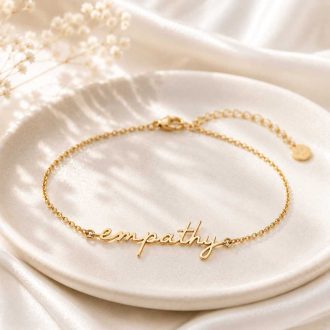

Some people listen with their minds. Others listen with their whole nervous system.
You can usually tell the difference by how your body feels afterward.
There are conversations that leave you untouched, where words move past you like passing traffic. Then there are conversations that stay inside your chest for hours afterward. You replay someone’s tone. Their hesitation. The moment their smile stopped reaching their eyes. You notice what they never actually said, and somehow that silence becomes the loudest part of the interaction.
For emotionally sensitive people, empathy and listening are rarely separate experiences. Listening is not simply hearing information. It becomes emotional attunement. Presence. Absorption. Sometimes even survival.
Many people who carry deep empathy grew up learning to scan emotional environments before they learned to trust themselves. They became experts at noticing tension shifts, emotional withdrawal, exhaustion, irritation, sadness, or unspoken disappointment because their nervous systems learned that emotional awareness created safety. Over time, this can blur the line between healthy emotional connection and hypervigilance.
That is why conversations can feel physically exhausting for sensitive people. You are not only listening to language. You are listening to pacing, body language, nervous system states, emotional undercurrents, and energetic changes that other people barely register consciously.
Sometimes this depth of awareness creates beautiful connection. Other times it creates overwhelm.
You may leave conversations carrying emotions that were never yours to hold in the first place. You may find yourself emotionally depleted after being “the safe person” for everyone around you. You may even question whether you are compassionate or simply conditioned to emotionally monitor others for survival.
For many people, discovering their empath identity feels less like gaining a label and more like finally understanding why ordinary conversations have always felt emotionally loud.
The difficulty is that emotionally sensitive listening is often praised socially while silently draining the person doing it. People may describe you as compassionate, calming, intuitive, emotionally mature, or deeply understanding while never realizing the emotional labor your nervous system performs in the background.
And eventually, the body notices.
There comes a point where empathy without emotional boundaries begins to feel less like connection and more like emotional overexposure. Sensitive people often discover this slowly, usually after reaching exhaustion they cannot explain.
That exhaustion can look like shutting down after social interactions, replaying conversations obsessively, feeling emotionally “full” after listening to someone vent, or struggling to separate your feelings from someone else’s pain. It often overlaps with when empathy becomes emotional exhaustion in ways that are difficult to recognize while living inside it.
The nervous system does not always know the difference between witnessing pain and carrying it.
And for emotionally attuned people, that distinction matters deeply.
“Some people do not just hear your words. They feel the emotional weight underneath them.”
The goal is not to stop caring. It is not to become emotionally detached or numb. Most sensitive people do not actually want less empathy. They want to feel emotionally connected without becoming emotionally consumed.
That usually begins with understanding that empathy and listening are not supposed to require self-erasure.
There is a difference between emotionally witnessing someone and abandoning yourself to emotionally manage them. Many sensitive people were never taught that difference. Instead, they learned to prioritize emotional harmony over nervous system safety, often without realizing it.
This is why developing emotional boundaries can feel surprisingly uncomfortable at first. If your identity became intertwined with emotional caretaking, healthier listening may initially feel selfish, distant, or emotionally cold even when it is actually balanced.
But balanced listening is not less loving.
It is simply sustainable.
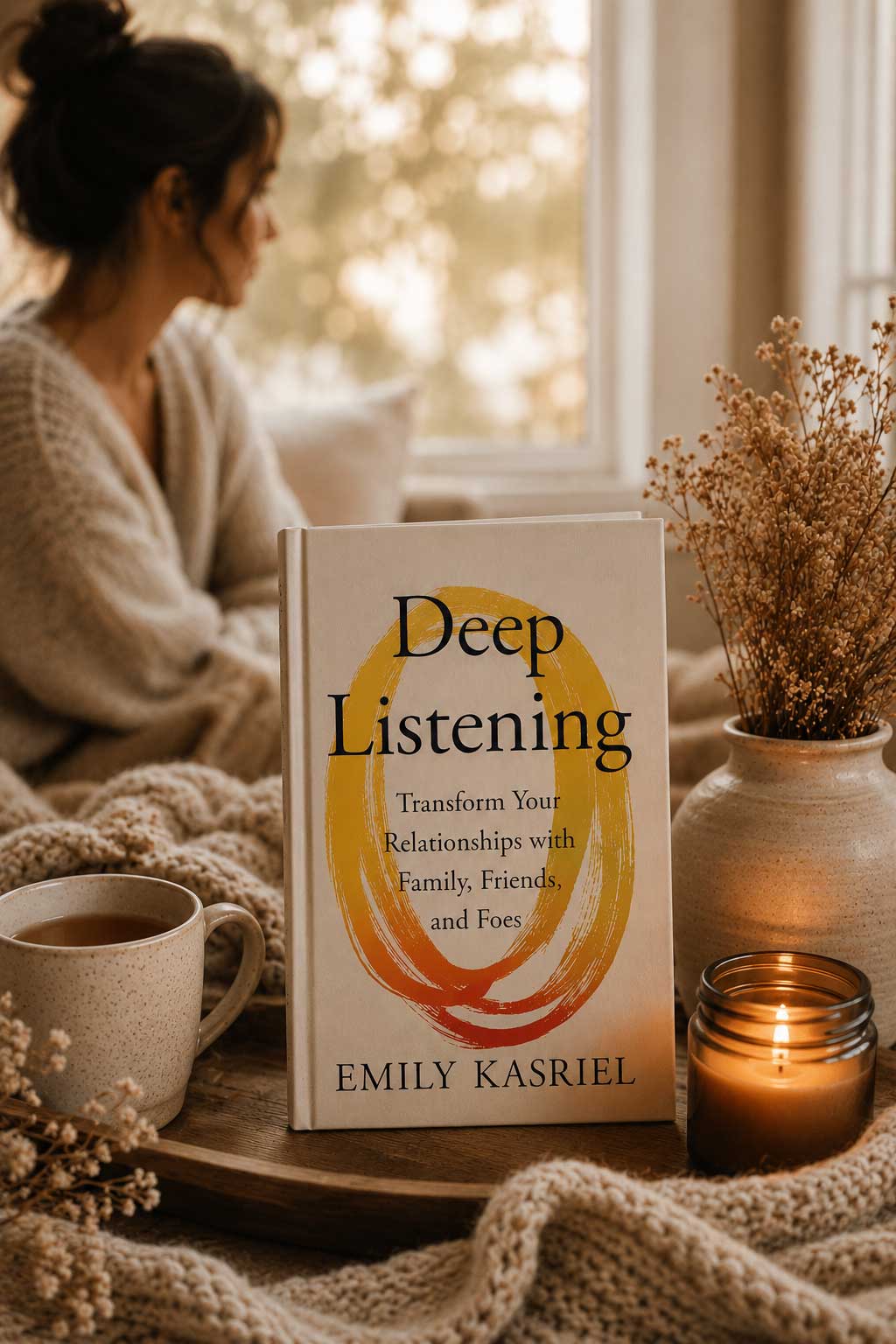
Why Sensitive People Hear More Than Words
Emotionally sensitive people often notice things others overlook because they are listening on multiple levels at once.
They notice pauses before answers. Emotional contradictions. Forced laughter. Emotional masking. The shift in someone’s breathing when a difficult subject appears. They recognize emotional discomfort before it becomes visible externally because their nervous systems are constantly interpreting emotional cues beneath language.
This is part of why emotionally sensitive conversations can feel intensely intimate very quickly.
Someone may say, “I’m fine,” while their body communicates exhaustion, grief, resentment, or loneliness underneath the sentence. And for deeply empathetic people, that emotional contradiction can become impossible to ignore.
Over time, this creates a complicated emotional dynamic. Sensitive people begin trusting emotional energy more than words themselves. Sometimes accurately. Sometimes anxiously.
That distinction matters.
Without nervous system regulation, emotional attunement can slowly become emotional over-monitoring. Instead of feeling connected, you begin feeling responsible. Instead of listening openly, you start scanning constantly for emotional shifts that might signal danger, conflict, rejection, or emotional withdrawal.
This is where many people realize they are no longer simply compassionate. They are emotionally hyper-alert.
That hyper-alertness often develops quietly in people who spent years adapting to emotionally unpredictable environments. Emotional awareness became protective. Listening became survival-based pattern recognition.
Eventually, conversations stop feeling emotionally neutral.
This is why some people feel physically tired after social interaction while others feel energized by it. Sensitive nervous systems process emotional environments differently. Even seemingly calm conversations can require enormous internal energy when your body is continuously tracking emotional nuance.
For many people, this becomes deeply connected to how to tell if an emotion is yours or someone else's because emotionally immersive listening can blur emotional ownership over time.
You may absorb sadness without realizing it.
You may leave conversations feeling emotionally heavy while believing those feelings originated internally.
You may even struggle to identify where your emotional state ends and someone else’s begins.
This emotional blending is incredibly common in sensitive people who have not yet developed grounding habits that support emotional differentiation.
That is why grounding practices become less about spirituality and more about nervous system clarity.
Grounding helps emotionally sensitive people return to themselves after emotionally intense interaction. It interrupts emotional merging. It reminds the body that witnessing emotion is not the same thing as becoming emotionally responsible for it.
Without grounding, emotionally attuned listening can eventually create emotional depletion that feels invisible from the outside.
People may still see you as calm and supportive while internally you feel emotionally crowded, overstimulated, and exhausted from carrying emotional residue that was never fully released.
That internal exhaustion often becomes easier to recognize once people begin practicing emotional grounding instead of remaining emotionally open without boundaries or recovery.
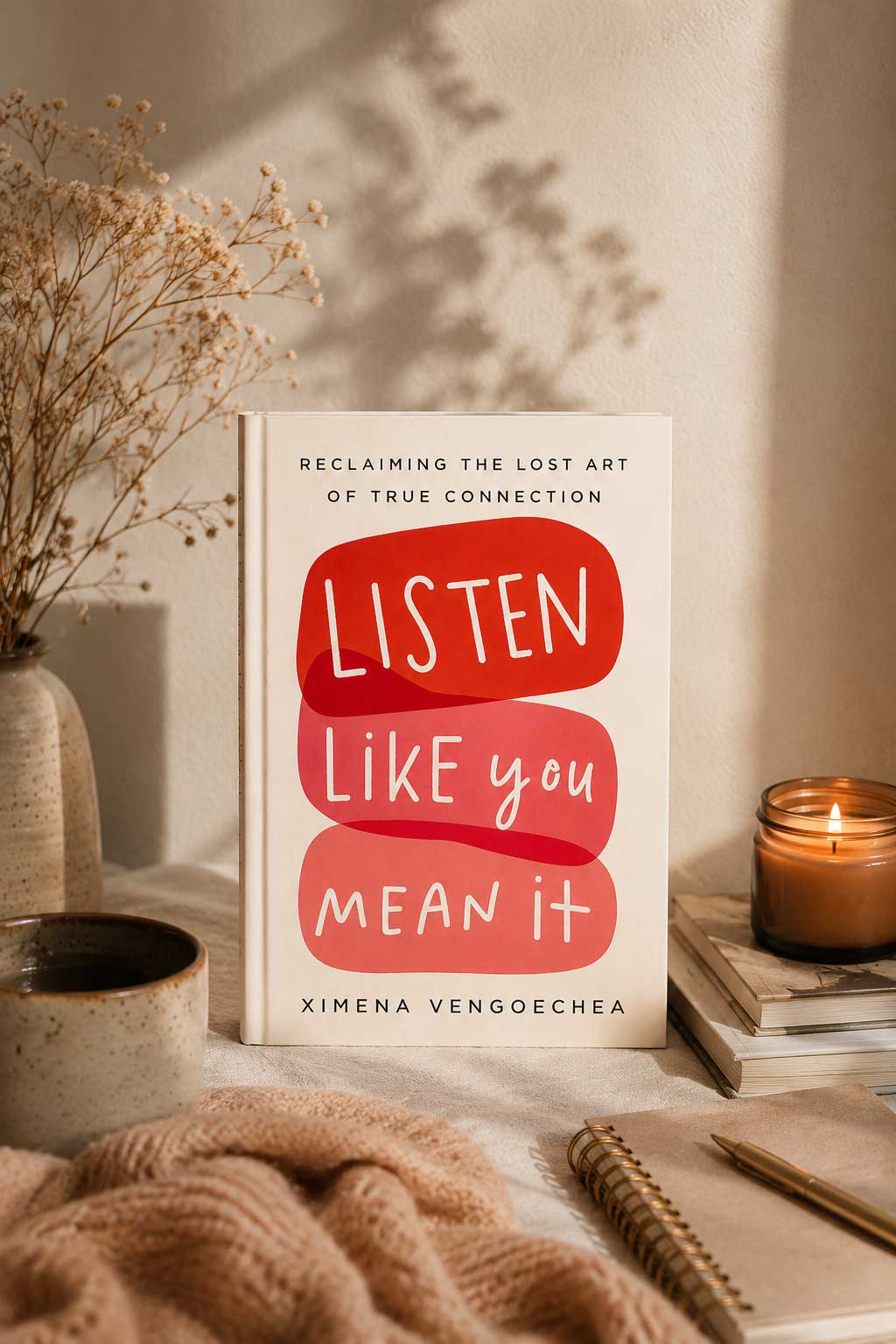
The Difference Between Compassion and Emotional Absorption
Many emotionally sensitive people confuse empathy with emotional absorption because they were never shown another model for connection.
They learned that caring deeply meant carrying deeply.
So when someone around them struggled emotionally, their nervous system instinctively moved toward emotional merging instead of emotional witnessing. They felt another person’s stress as if it belonged inside their own body. They internalized emotional pain while calling it compassion.
But compassion does not require self-abandonment.
Real empathy allows connection without emotional collapse.
This distinction becomes life-changing once sensitive people understand it emotionally rather than intellectually.
Because emotionally absorbing everyone around you eventually creates a nervous system that never fully relaxes. Conversations stop feeling relational and start feeling energetically consuming. You begin bracing for emotional intensity before interactions even happen.
That constant emotional openness often leads people toward stop absorbing other people's emotions not because they want to care less, but because they can no longer function while emotionally carrying everyone else.
The body eventually asks for limits the mind kept postponing.
You may notice yourself avoiding phone calls because you already feel emotionally tired before answering. You may dread emotionally heavy conversations even with people you love. You may feel guilty needing recovery time after social interaction because your exhaustion feels invisible compared to someone else’s visible pain.
But emotional overwhelm is still real even when nobody else sees it.
This is especially true for people who unconsciously become emotional containers within relationships. Others sense your emotional openness and begin relying on it heavily. Over time, you become the person everyone confides in while quietly losing touch with your own emotional capacity.
Without support, this dynamic can slowly disconnect sensitive people from themselves.
That is why energetic self-care for empaths becomes emotionally necessary rather than indulgent.
Sensitive nervous systems require recovery.
They require pauses.
They require emotional boundaries that allow listening without emotional flooding.
And most importantly, they require permission to care without emotionally rescuing.
Many people discover this slowly through burnout. Others discover it through anxiety, emotional numbness, dissociation, or physical exhaustion that never seems fully explained by daily life.
Sometimes the body communicates emotional overload before the mind consciously recognizes it.
This is where signs of intuitive empathy burnout can become painfully recognizable for emotionally attuned people who have spent years listening without emotional protection.
Because empathy is beautiful.
But empathy without boundaries eventually becomes self-neglect wearing the language of compassion.
Listening Without Losing Yourself
Healthy listening does not require becoming emotionally porous.
It requires presence without disappearance.
For many emotionally sensitive people, this is unfamiliar territory because they learned to measure love through emotional availability. The more emotionally accessible they remained, the safer relationships seemed to feel. But constant emotional openness often leaves sensitive nervous systems exhausted without understanding why.
Listening sustainably requires staying connected to yourself while remaining emotionally present with someone else.
That sounds simple intellectually.
Emotionally, it can feel incredibly difficult.
Especially for people whose nervous systems automatically prioritize others during emotional interaction.
This is why practices connected to nervous system regulation techniques become so important for emotionally sensitive communication.
Regulation creates internal stability while conversations are happening. Instead of unconsciously absorbing emotional intensity, your body learns how to stay emotionally anchored inside itself.
That anchoring changes listening completely.
You stop feeling emotionally swept away by every conversation.
You stop internalizing every emotional shift around you.
You begin recognizing that someone else’s emotional experience can exist near you without needing to become emotionally fused with you.
For many people, this begins through small practices rather than dramatic emotional breakthroughs.
Sometimes it starts with noticing your breathing while someone speaks.
Sometimes it starts with placing your attention back into your body instead of exclusively focusing outward.
Sometimes it starts with recognizing the moment your nervous system begins moving from empathy into emotional overextension.
That awareness becomes easier through somatic self-soothing practices because emotional regulation is rarely just mental. Sensitive listening affects the body directly.
Your shoulders tighten.
Your chest contracts.
Your breathing changes.
Your nervous system prepares to emotionally carry what it perceives.
When people begin noticing these physical responses earlier, conversations stop feeling so consuming afterward.
This is also where conscious breathing for nervous system regulation can quietly transform emotional listening. Breath interrupts emotional escalation before it fully overtakes the body.
Even something as simple as extended exhale breathing can help emotionally sensitive people remain present without becoming internally overwhelmed during emotionally charged conversations.
The goal is not emotional distance.
It is emotional steadiness.
Because the healthiest listeners are not the people who absorb everything. They are the people who can stay emotionally present without abandoning themselves in the process.
Why Emotionally Safe Conversations Matter
Most people remember very little of the exact words spoken during meaningful conversations.
What they remember is how their nervous system felt inside the interaction.
They remember whether they felt emotionally safe enough to be honest. Whether they felt emotionally rushed, dismissed, analyzed, judged, or deeply understood.
Sensitive people often become powerful listeners because they intuitively understand how much emotional safety shapes communication.
But many emotionally attuned people struggle to create that same safety for themselves.
They know how to hold emotional space for others while privately suppressing their own exhaustion, discomfort, or emotional needs. They become emotionally available externally while emotionally disconnected internally.
That imbalance rarely lasts forever.
Eventually, emotionally sensitive people begin craving conversations that feel reciprocal instead of emotionally one-sided. They begin recognizing how exhausting it feels to constantly emotionally monitor everyone else while nobody notices their internal state in return.
This realization often overlaps with learning to trust your emotions again because emotionally attuned people frequently learn to distrust their own needs while prioritizing others emotionally.
Rebuilding emotional trust means recognizing your emotional responses as valid information rather than obstacles to connection.
It means understanding that emotional overwhelm is not weakness.
It means allowing your nervous system to matter too.
For some people, emotionally safe listening also requires grounding boundaries for empaths so conversations stop feeling emotionally invasive or energetically consuming.
Because empathy is healthiest when it includes self-awareness.
Without self-awareness, emotionally sensitive people often become so externally focused that they lose track of their own emotional condition entirely.
That is why emotional self-awareness and healing matters deeply within emotionally attuned communication.
You cannot sustainably hold emotional space for others while continuously abandoning yourself internally.
At some point, the body asks for honesty.
Honesty about exhaustion.
Honesty about emotional capacity.
Honesty about needing conversations that nourish instead of only deplete.
And honestly, many sensitive people are still learning that listening should feel connective — not emotionally punishing.
FAQ: Empathy and Listening
Why do empathetic people feel exhausted after conversations?
Emotionally sensitive people often process conversations through both emotional and nervous system awareness. They may unconsciously absorb emotional tension, monitor emotional cues constantly, or internalize another person’s emotional state. Over time, this creates emotional fatigue that feels disproportionate to the actual length of the interaction.
Is empathy the same thing as emotional absorption?
No. Healthy empathy allows emotional understanding without emotionally carrying another person’s pain as your own. Emotional absorption happens when emotional boundaries become unclear and the nervous system begins internalizing external emotional experiences.
Why do sensitive people notice emotions others miss?
Sensitive nervous systems often process subtle emotional cues automatically. Tone shifts, body language, pauses, emotional masking, and nervous system tension can become highly noticeable to emotionally attuned people, sometimes even before others consciously recognize them.
How can I listen compassionately without becoming overwhelmed?
Practices connected to emotional shielding without dissociation can help emotionally sensitive people remain present without emotionally shutting down or overabsorbing. Regulation, grounding, breath awareness, and emotional boundaries all support healthier listening.
Why do conversations sometimes feel emotionally unsafe?
The nervous system responds strongly to emotional unpredictability, judgment, dismissal, criticism, or emotional intensity. People who grew up emotionally hyper-aware may unconsciously monitor conversations for emotional danger even when no obvious conflict exists.
This is one reason mindfulness for anxiety can become supportive for sensitive people learning to stay emotionally present without spiraling into emotional overanalysis.
Can emotional listening improve with grounding practices?
Yes. Many emotionally sensitive people discover that grounding with air and breath helps them stay connected to themselves during emotionally intense interaction. Grounding reduces emotional merging and supports emotional clarity after conversations.
Conclusion
Empathy and listening are deeply connected because emotionally sensitive people rarely hear conversations at surface level.
They hear emotional texture.
They hear nervous system tension.
They hear the sadness hidden beneath humor, the exhaustion hidden beneath politeness, and the loneliness hidden beneath “I’m fine.”
That depth of emotional awareness can create extraordinary connection. But without emotional boundaries, grounding, and nervous system care, it can also become exhausting.
The goal is not to stop feeling deeply.
It is to stop disappearing inside what you feel.
Many sensitive people spend years believing emotional overwhelm is simply the price of compassion. Eventually, though, the body begins asking for another way to exist — one where empathy includes self-protection, emotional clarity, and nervous system safety too.
That often begins through small moments of awareness.
Recognizing when your body feels emotionally overloaded.
Noticing when listening becomes emotional caretaking.
Allowing yourself to step back instead of emotionally overextending.
Creating room for your own emotional reality alongside everyone else’s.
This is where emotional self-trust tracker can quietly support emotionally sensitive people learning to reconnect with their own internal experience instead of constantly prioritizing everyone else’s emotions first.
Because empathy was never meant to cost you your connection to yourself.
The healthiest form of listening is not emotional self-sacrifice.
It is emotionally present connection that still leaves room for you to exist inside the conversation too.

Where softness, self-awareness, and emotional healing are allowed to coexist. Through reflective writing, grounding rituals, and intentional beauty, Sparrow Trades offers gentle support for sensitive souls learning to reconnect with themselves.