
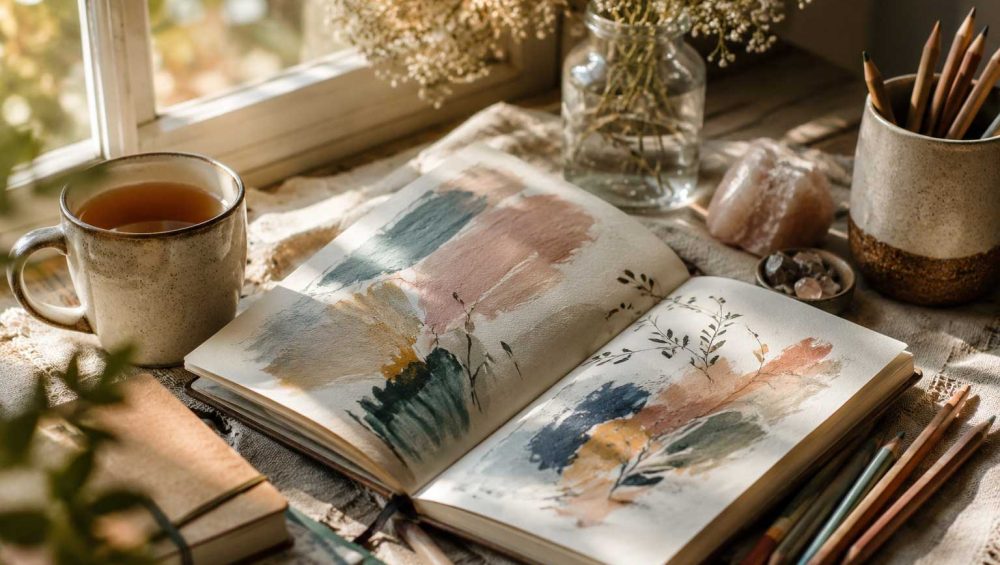
There are moments in life when emotions seem difficult to name. You know something is moving inside you—grief, stress, hope, disappointment, longing—but words feel inadequate. In those moments, creativity can become a bridge between what you feel and what you understand.
Many people assume creativity belongs only to artists, musicians, writers, or people who naturally see themselves as creative. Yet creativity is far more basic than artistic talent. It is a human way of expressing, exploring, and making meaning from lived experience. Long before people learned to analyze emotions, they drew symbols, told stories, sang songs, shaped objects, and created rituals that reflected their inner worlds.
Creativity for emotional wellness is not about producing something impressive. It is not about skill, perfection, or performance. It is about giving emotions somewhere safe to go.
When the nervous system feels overwhelmed, direct emotional processing can sometimes feel intimidating. Sitting down and asking yourself exactly what you feel may not always work, especially if you are used to pushing emotions aside, staying strong, or caring for everyone else first. Creativity offers a gentler path. Through drawing, writing, movement, music, crafting, photography, gardening, cooking, decorating, or imaginative play, emotions can emerge without pressure.
This matters because emotional wellness foundations are not built only through insight. Emotional wellness also grows through small experiences of safety, expression, curiosity, and reconnection. It means learning to recognize emotions without becoming consumed by them. It means responding to yourself with compassion instead of criticism. It means creating room for growth even during seasons that feel uncertain or tender.
Creative practices support this process by slowing the inner pace. They invite curiosity instead of judgment. They create movement where emotions have felt stuck. In a world that often rewards productivity, clarity, and certainty, creativity offers something softer: permission to notice what is present before forcing it to become useful.
For people healing from emotional invalidation, chronic stress, burnout, or difficult relationships, creativity can feel especially restorative. The act of making something with your hands, imagination, or attention reminds you that you are more than your responsibilities, more than your coping patterns, and more than the hardest things you have carried.
Just as mindfulness for emotional wellness helps cultivate awareness and grounding for emotional wellness helps create stability, creativity helps transform inner awareness into expression. It allows emotions to move rather than remain hidden beneath the surface.
The beauty of creativity is that there is no single right way to practice it. What matters most is not the outcome but the experience itself. Every sketch, journal entry, photograph, melody, collage, handmade object, or rearranged corner of a room becomes an opportunity to reconnect with yourself.
Why Creativity Supports Emotional Wellness
Emotions are not purely mental experiences. They also move through the body and nervous system. You may feel grief as heaviness, anxiety as restlessness, anger as heat, sadness as fatigue, or joy as openness. When emotions remain unacknowledged for long periods, they often show up as tension, irritability, numbness, exhaustion, or a vague sense that something inside needs attention.
While reflection can be valuable, understanding an emotion is not always enough. Sometimes emotions need expression as much as explanation.
Creativity offers a natural outlet for that expression. When you engage in a creative activity, your attention shifts away from constant evaluation and toward exploration. Instead of asking whether your feelings are reasonable, productive, or convenient, you begin noticing colors, shapes, textures, sounds, rhythms, words, patterns, and sensations. This shift can soften internal pressure and create enough emotional space for what is buried to rise gently.
Many people feel relief after creative activities even when they cannot explain exactly why. A painting may carry sadness before sadness has a name. A song may hold anger without requiring confrontation. A journal entry may reveal longing that has been hidden under responsibility. A handmade object may become proof that something tender inside you still wants care.
Creativity also encourages emotional flexibility. Instead of becoming trapped in one emotional state, you begin experimenting with movement, possibility, and perspective. You can make something dark and then add light. You can write from one feeling and then answer it from another. You can create without knowing what the final form will be.
That flexibility matters. Emotional wellness is not about staying calm all the time. It is about developing enough inner safety to move through emotional states without abandoning yourself.
For sensitive people, empaths, and anyone who easily absorbs the emotional tone of a room, creativity can also become a boundary practice. It helps return attention to your own inner world. When your energy has been pulled outward for too long, the simple act of making something can remind your body, “I am here. I have a self. I am allowed to take up space.”
Creativity as a Form of Emotional Self-Discovery
Many people begin creative activities for enjoyment and discover something deeper along the way.
A journal entry becomes a realization. A photograph captures a feeling you could not explain. A painting reveals emotions that have been waiting quietly beneath the surface. A playlist shows you what your heart has been circling. A poem says the thing you were not ready to say directly.
Creativity often functions as a mirror. It reflects aspects of the self that daily routines can obscure. Through creative exploration, people frequently notice recurring themes, values, needs, memories, dreams, fears, and emotional patterns.
This process can be especially meaningful for people who have spent years prioritizing the emotions of others. When emotional energy is directed outward for too long, it becomes easy to lose touch with personal preferences, desires, and authentic feelings. You may know what other people need before you know what you want. You may sense tension in others before you notice your own exhaustion.
Creative practices gently reverse that pattern.
Instead of asking what someone else needs from you, creativity asks what is alive within you.
The answers may arrive slowly. They may appear as colors you keep choosing, scenes you keep imagining, words that repeat, textures that comfort you, or images that feel strangely meaningful. These details may not look important at first, but over time they can reveal emotional needs that deserve attention.
This is why creativity works naturally beside self-awareness in emotional healing. Awareness helps you notice your experiences, while creativity helps you interact with them in a way that feels less forced and more compassionate.
Creative self-discovery can also rebuild trust in your inner voice. If you have experienced emotional dismissal, criticism, gaslighting, or chronic invalidation, you may have learned to question your perceptions before honoring them. Creativity gives you a private space where your inner experience does not need to be debated. It can simply exist.
Over time, this kind of expression can support learning to trust your emotions again. You begin noticing that your feelings are not random obstacles. They are signals, textures, memories, needs, and truths asking for relationship.
11 Creative Practices That Support Emotional Wellness
1. Journaling Without Editing Yourself
Journaling is one of the most accessible forms of creativity because it requires very little preparation. You do not need beautiful handwriting, a perfect notebook, or a structured routine. You only need a place where your thoughts can land without being corrected.
For emotional wellness, try writing without editing yourself. Let unfinished sentences appear. Let contradictions exist. Let yourself sound uncertain, angry, hopeful, repetitive, or confused. The goal is not polished writing. The goal is honesty.
This approach pairs naturally with journaling for emotional wellness because it allows emotion to come forward before self-censorship takes over. Sometimes the most meaningful insight appears in the sentence you almost did not let yourself write.
2. Creating Abstract Art Instead of Meaningful Art
One common obstacle to creativity is the belief that everything must mean something. Abstract art offers a different experience. Instead of trying to draw a recognizable image, you can focus on color, movement, texture, and shape.
You might choose colors based on how your body feels. You might make jagged lines when you feel tense or soft circles when you need gentleness. You might layer paint, scribble with pencil, tear paper, or blend pastels. There is no need to explain the result.
Abstract creativity can be especially supportive when emotions feel too complex for language. The page can hold what you are not ready to name.
3. Making a Collage of Your Inner Season
A collage can help you see your emotional life from a distance without disconnecting from it. Gather images, colors, textures, words, or scraps that seem to reflect your current inner season. You do not have to know why they call to you. Let instinct lead.
Your collage might feel quiet, stormy, hopeful, protective, messy, spacious, or unfinished. All of those are valid. When you are done, sit with it gently. Notice what feels familiar. Notice what surprises you.
This practice can be helpful during transitions because it gives shape to feelings that may not yet have clear direction.
4. Using Music to Let Emotions Move
Music can reach emotional places that words cannot. A certain song may help you cry. Another may help you feel strong. Another may bring softness back into a day that felt rigid.
You can create playlists for emotional states rather than moods alone: songs for release, songs for remembering yourself, songs for anger that needs movement, songs for quiet grief, songs for returning to hope.
Music can also support nervous system awareness. Notice whether a song activates, calms, opens, or overwhelms you. Emotional wellness includes learning what your body can hold in a particular moment.
5. Moving Creatively Without Performing
Creative movement does not have to look like dance. It can be stretching, swaying, shaking out your hands, walking slowly, moving your shoulders, or letting your body respond to music in private.
For people who hold emotions physically, movement can create release without requiring verbal processing. It can help anger move through the arms, sadness soften through the chest, or anxiety discharge through the legs.
This practice is not about looking graceful. It is about letting the body participate in emotional care.
6. Taking Photos of What Feels Like You
Photography can become a quiet self-discovery practice. Instead of trying to take impressive photos, notice what catches your attention. A shadow on the wall. A wilted flower. A warm cup. A cracked sidewalk. A color in the sky.
Over time, the images you collect may reveal something about your emotional world. They may show what comforts you, what you are grieving, what you are drawn toward, or what you are beginning to notice again.
This practice can be especially grounding because it asks you to look closely at the present moment while still allowing emotional meaning to unfold naturally.
7. Creating Small Rituals With Your Hands
Hand-based creativity can be deeply regulating. Knitting, beading, arranging flowers, cooking, clay work, candle making, embroidery, gardening, or even organizing a small shelf can help the nervous system settle through rhythm and repetition.
These practices remind the body that care can be tangible. You are not only thinking about healing; you are touching, shaping, arranging, and participating in it.
Small rituals can also restore agency during emotionally overwhelming seasons. Even when life feels uncertain, you can choose one color, one texture, one stitch, one ingredient, one small act of beauty.
8. Writing Letters You Do Not Send
Unsent letters can hold emotions that need expression but not necessarily confrontation. You might write to a person, a younger version of yourself, an old identity, a place you miss, or an emotion that has been difficult to understand.
The letter does not need to be kind, wise, or balanced. It only needs to be honest. You can destroy it, keep it, rewrite it, or turn it into a poem afterward.
For people healing from being silenced, this practice can support the slow process of reclaiming voice without forcing immediate exposure.
9. Creating a Visual Emotional Check-In
Instead of asking, “How do I feel?” try asking, “What does my inner world look like today?” Then draw or describe it.
Maybe it looks like fog, a locked room, a garden, a busy street, a quiet lake, a tangled thread, or a small flame. This kind of symbolic check-in can make emotions easier to approach.
You can pair this with daily emotional check-in prompts when you want a more consistent rhythm for noticing what is happening inside you.
10. Making Something Imperfect on Purpose
Perfectionism can make creativity feel unsafe. If you were criticized often, compared to others, or expected to get things right quickly, making something imperfect may feel surprisingly vulnerable.
Try creating something intentionally messy. Use the wrong colors. Write badly. Draw uneven lines. Let the page be strange. Let the result be unfinished.
This practice can soften the belief that expression must earn approval before it is allowed to exist. Emotional wellness often grows when the nervous system learns that imperfection is not danger.
11. Keeping an Emotional Self-Trust Record
Creativity can also help track emotional patterns over time. You might keep a small record of colors, words, images, or symbols that represent how you feel each day. Over weeks or months, patterns may begin to emerge.
This does not need to become another task to perfect. It can be simple: one color, one phrase, one sketch, one image, one sentence.
If you are rebuilding confidence in your inner signals, an emotional self-trust tracker can help you notice that your emotions often carry wisdom when given enough time and safety.
How Creativity Helps the Nervous System Feel Safer
Creativity can support emotional wellness because it often brings the nervous system into a more regulated state. This does not mean every creative practice will always feel calming. Sometimes creativity stirs emotion before it settles. Sometimes it brings up grief, anger, or longing that has been waiting for attention.
That is why a trauma-informed approach matters.
Creative practices should not force you to relive painful experiences or push past your capacity. They should offer choice, pacing, and permission to stop. If a creative activity starts to feel overwhelming, you can pause, look around the room, feel your feet, take a sip of water, or shift to something simpler.
Nervous system support often comes through rhythm, repetition, sensory engagement, and safe control. When you choose a color, move a brush, arrange objects, hum a melody, or shape clay, you are giving the body a manageable experience of agency. You are doing something small, real, and present.
This is why creativity can work beautifully alongside nervous system regulation. Regulation is not always about becoming still. Sometimes it is about finding a safe channel for movement.
For some people, creativity brings calm. For others, it brings clarity. For others, it brings release. All of these can be valid forms of emotional support.
The key is to stay connected to your body while you create. Notice whether you are becoming more present or more pressured. Notice whether the practice feels nourishing or performative. Notice whether you are creating for expression or judging yourself into another kind of stress.
Creativity for emotional wellness works best when it feels like a relationship, not a demand.
When Creativity Feels Difficult or Blocked
If creativity feels difficult, that does not mean you are not creative. It may mean creativity has become tangled with pressure, comparison, shame, or old experiences of criticism.
Many people stop creating because somewhere along the way, creativity became evaluated. A drawing was mocked. A poem was dismissed. A voice was judged. A dream was called unrealistic. A playful part of the self learned to hide.
When this happens, returning to creativity may feel tender. You might sit with a blank page and feel resistance. You might feel embarrassed even when no one is watching. You might hear an inner critic before you make the first mark.
Go slowly.
You do not have to reclaim creativity through big projects. Begin with low-stakes expression. Doodle in the margin of a notebook. Rearrange flowers in a jar. Choose a color that matches your mood. Write three messy sentences. Hum while doing dishes. Take one photo of something that feels comforting.
Small creative acts count.
If emotional invalidation has made expression feel unsafe, creativity may also bring up grief for the parts of you that were unseen. Be gentle with that. Creative recovery is not only about making things again. Sometimes it is about welcoming back the self who wanted to make things before fear got involved.
This is where healing after being emotionally invalidated can become part of the wider emotional path. When your inner world has been dismissed, expression can feel like an act of repair.
FAQ: Creativity for Emotional Wellness
What is creativity for emotional wellness?
Creativity for emotional wellness is the use of creative expression to support emotional awareness, processing, regulation, and self-connection. It may include journaling, drawing, painting, music, movement, photography, crafting, cooking, decorating, storytelling, or any practice that helps emotions move safely. The focus is not artistic skill. The focus is emotional expression and inner connection.
Do I need to be artistic to use creativity for emotional wellness?
No. Creativity for emotional wellness is not about being talented, original, or impressive. It is about giving your inner experience a safe form. You can scribble, write messy sentences, make a simple collage, hum a song, arrange objects, or take photos of things that feel meaningful. The emotional value comes from the process, not the finished result.
How does creativity help with emotional healing?
Creativity helps emotional healing by giving feelings a way to move when words are not enough. It can help you notice emotions, express what has been held inside, reconnect with your body, and build a gentler relationship with your inner world. Creative practices may also support nervous system regulation through rhythm, repetition, sensory awareness, and safe choice.
What creative practice is best for emotional wellness?
The best creative practice is the one that feels safe, accessible, and emotionally honest for you. Journaling may help if you need words. Abstract art may help if your feelings are hard to name. Music or movement may help if emotions feel stuck in the body. Photography, collage, or hand-based crafts may help if you need gentleness and sensory grounding.
Can creativity bring up difficult emotions?
Yes. Creativity can sometimes bring up sadness, grief, anger, longing, or memories that have been buried. This does not mean the practice is wrong, but it does mean pacing matters. A trauma-informed approach allows you to pause, stop, ground, or choose a gentler activity when something feels overwhelming. Creativity should support your capacity, not force you beyond it.
Conclusion
Creativity for emotional wellness is not about becoming an artist. It is about becoming more connected to yourself.
Every person has an inner world that deserves expression. Sometimes that expression comes through words. Sometimes it comes through color, rhythm, movement, texture, sound, image, ritual, or silence. The form matters less than the permission it creates.
When life has required you to stay composed, productive, agreeable, or strong, creativity can offer a different kind of relationship with yourself. It invites you to be curious instead of controlled. Honest instead of polished. Present instead of perfect.
Some days, creativity may help you release emotion. Other days, it may help you understand yourself more clearly. Sometimes it may simply give your nervous system a quiet place to rest. All of those are meaningful.
The most healing creative practices are often small. A sentence written without editing. A color chosen without explanation. A song played at the right moment. A corner of a room arranged with care. A photograph that captures something your heart recognizes before your mind does.
These moments remind you that emotional wellness is not built only through analysis or effort. It is also built through tenderness, expression, beauty, play, and the quiet courage to let your inner life take shape.
You do not have to create something beautiful for creativity to be worthwhile.
You only have to let it become a place where some part of you can finally breathe.
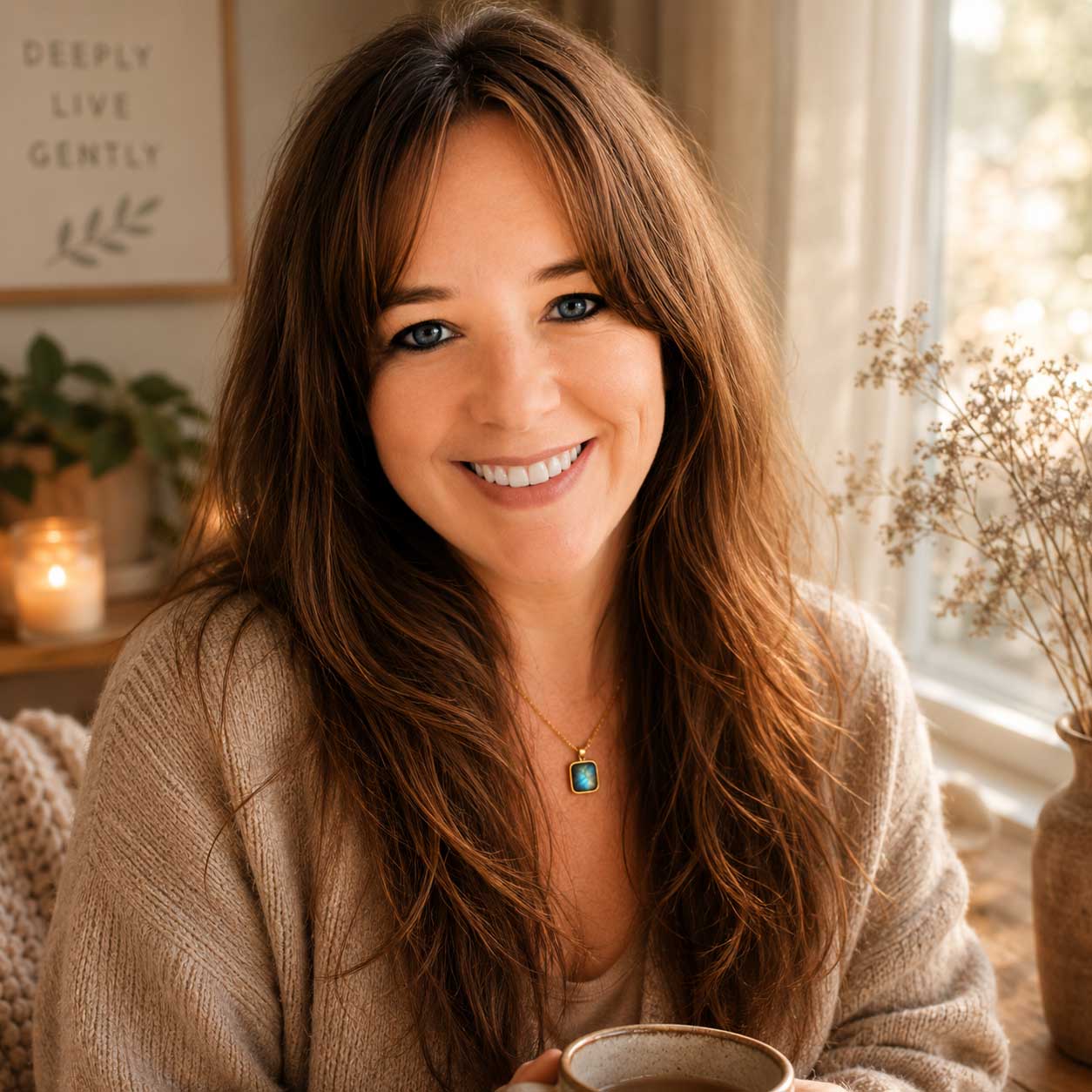
Where softness, self-awareness, and emotional healing are allowed to coexist. Through reflective writing, grounding rituals, and intentional beauty, Sparrow Trades offers gentle support for sensitive souls learning to reconnect with themselves.