
Have you ever sat with someone who was hurting and wondered what they truly needed from you? Maybe your instinct was to offer advice, find a solution, or reassure them that everything would be okay. Other times, you may have simply listened because you sensed that words alone couldn’t ease what they were carrying. These moments often reveal the subtle but important difference between empathy and compassion.
Although the terms are frequently used interchangeably, empathy and compassion are not the same thing. They work together beautifully, but they serve different roles in human connection. Understanding that difference can change the way you show up for your partner, your friends, your family, your coworkers, and even yourself.
For many people, empathy feels deeply personal. It is the ability to recognize, understand, or emotionally resonate with another person’s experience. Sometimes it feels as though you can almost step into someone else’s world for a moment. Compassion builds on that understanding by adding a desire to ease suffering in whatever way is appropriate. One helps us connect. The other often inspires caring action.
This distinction becomes especially important for people who naturally absorb the emotions of others. Highly sensitive people, caregivers, therapists, teachers, parents, healthcare workers, and many individuals who identify as empaths often discover that empathy can become emotionally exhausting when it isn’t balanced with healthy compassion and boundaries. That’s one reason understanding both concepts can support long-term emotional wellness.
In everyday life, confusing empathy with compassion can also create misunderstandings. Someone may believe they are being compassionate because they immediately try to fix another person’s problem, while the other person simply wants to feel heard. Conversely, someone may deeply understand another person’s pain through empathy but become so emotionally overwhelmed that they struggle to respond in a helpful way.
Neither response makes someone uncaring. They simply highlight that understanding another person’s emotions and knowing how to respond are related but separate skills.
Researchers often describe empathy as understanding another person’s emotional experience, while compassion includes warmth, concern, and a motivation to reduce suffering. One isn’t better than the other. Instead, they complement one another in healthy relationships. Empathy helps us connect before we respond, while compassion guides the response itself.
This distinction also explains why emotionally healthy relationships often feel so safe. Feeling understood allows people to lower their defenses. Feeling cared for helps them believe they don’t have to carry life’s difficulties alone. When empathy and compassion work together, they create space for both emotional honesty and genuine support.
As we explore empathy vs compassion, we’ll look at what each one means, how they overlap, where they differ, and why recognizing those differences can improve communication, strengthen relationships, and help protect your own emotional well-being without becoming emotionally disconnected.
What Is Empathy?
At its heart, empathy is about understanding another person’s inner experience. It isn’t necessarily agreeing with them, approving of their choices, or experiencing the exact same emotions. Instead, empathy is the willingness to step alongside another person’s perspective long enough to appreciate what life feels like from where they stand.
Many people think empathy always means feeling someone else’s emotions as though they were your own. While emotional resonance can certainly be part of empathy, psychologists often describe several types of empathy. Some forms involve recognizing another person’s perspective intellectually, while others involve emotionally sharing aspects of their experience. Together, these different expressions help us build trust, communicate more effectively, and create stronger human connections.
Empathy often sounds like:
“That must have been incredibly difficult.”
“I can understand why you would feel that way.”
“You don’t have to explain why this matters to you.”
Notice that none of these responses immediately solve the problem. Instead, they acknowledge another person’s emotional reality. This kind of emotional presence forms the foundation of healthy relationships and is closely connected with emotional intelligence because it requires curiosity, awareness, and the ability to recognize emotions without becoming consumed by them.
Empathy allows people to feel seen. Before solutions become helpful, most people simply want to know that someone genuinely understands what they’re experiencing.
What Is Compassion?
If empathy helps us understand another person’s experience, compassion asks what caring response might help them most.
Compassion begins with recognizing suffering, but it doesn’t end there. It includes a genuine desire to relieve or lessen that suffering, even if the action is as simple as staying present, offering encouragement, or helping someone feel less alone. Compassion is not measured by dramatic gestures. Often, its greatest strength lies in quiet consistency.
For example, imagine a friend has just lost a loved one. Empathy might sound like, “I can’t imagine how painful this must be, but I’m here with you.” Compassion might naturally follow with, “Can I bring you dinner this week?” or “Would you like me to sit with you for a while?” The empathy creates connection, while the compassion transforms that connection into thoughtful care.
Importantly, compassion doesn’t always mean doing something. Sometimes the most compassionate response is respecting someone’s wishes, giving them space, or simply remaining beside them without trying to remove their pain. This is why compassionate care requires discernment rather than reflexively trying to make difficult emotions disappear.
Many people mistakenly believe compassion means rescuing others from every uncomfortable experience. In reality, constantly trying to fix another person’s emotions can unintentionally communicate that their feelings are problems to solve rather than experiences to be understood. That’s why genuine compassion often grows alongside emotional validation, allowing people to feel accepted before they feel supported.
Empathy vs Compassion: What’s the Real Difference?
The simplest way to remember the difference is this:
Empathy helps you understand someone’s pain. Compassion helps you respond to it with care.
These experiences often happen together, but they don’t always occur at the same time. A person can feel tremendous empathy yet become emotionally overwhelmed and unsure how to help. Another person may not fully understand what someone else is experiencing but can still respond with deep kindness, patience, and practical support.
Neither situation makes someone uncaring. Human relationships are far more nuanced than that.
Consider a coworker who is overwhelmed after receiving difficult news. An empathetic response might involve recognizing their disappointment and acknowledging how much the situation hurts. A compassionate response might involve offering to help cover part of their workload or checking in later to see how they’re doing. One creates emotional understanding. The other extends care through thoughtful action.
The healthiest relationships often combine both. When people feel understood before they receive advice, they’re generally more open to support. Likewise, compassionate action tends to feel more meaningful when it’s rooted in genuine understanding rather than assumptions about what someone needs.
This balance is especially important because many well-intentioned people unintentionally skip empathy altogether. They immediately offer solutions, encouragement, or reassurance because they want to help. While those responses come from a caring place, they can sometimes leave the other person feeling unheard.
That’s why practices like listening without trying to fix everything can strengthen both empathy and compassion. By slowing down and allowing someone to fully express their experience first, caring actions become more thoughtful and better aligned with what they actually need.
Can You Have One Without the Other?
Yes—but the experience often feels incomplete.
Someone may have strong empathy without equally developed compassion. This can happen when they deeply absorb another person’s emotions yet struggle to know how to respond. Over time, carrying other people’s pain without healthy boundaries can become emotionally draining. It’s one reason articles discussing when empathy becomes emotional exhaustion resonate with so many caregivers, helpers, and emotionally sensitive people.
At the same time, compassion can exist even when someone doesn’t fully understand another person’s experience. You don’t have to share someone’s life circumstances to treat them with kindness, dignity, and patience. Compassion often begins with the simple recognition that another human being is hurting, even if their experience is very different from your own.
This distinction also raises an interesting question that psychologists and philosophers continue to explore.
Some researchers suggest compassion can exist independently of empathy, while others believe empathy naturally strengthens compassionate responses. Rather than viewing these perspectives as contradictory, it may be more helpful to see them as different ways of understanding human connection, particularly when considering whether you can have compassion without empathy in certain situations.
For most of us, empathy and compassion become strongest when they support each other. Empathy keeps us connected to another person’s humanity, while compassion reminds us that genuine care isn’t measured by how intensely we feel someone else’s pain, but by how thoughtfully we respond to it.
Why Understanding the Difference Matters
At first glance, the distinction between empathy and compassion might seem like little more than semantics. After all, both involve caring about other people. But in everyday life, understanding the difference can profoundly change the way we communicate, support loved ones, and care for ourselves.
When empathy exists without healthy boundaries, it’s easy to become emotionally overwhelmed. You may carry someone else’s anxiety long after the conversation ends or replay their struggles in your mind as though they were your own. Over time, this emotional weight can become exhausting, especially for people who naturally feel deeply connected to the emotions around them.
Compassion offers a healthier balance. Rather than asking you to absorb another person’s pain, it encourages you to respond with warmth while recognizing that their emotions ultimately belong to them. You can care deeply without believing you must carry every burden yourself.
This shift is especially valuable in close relationships. Parents, partners, friends, and caregivers often assume that loving someone means fixing every problem they face. Yet many difficult moments don’t require immediate solutions. They require presence, patience, and the willingness to stay emotionally available without rushing discomfort away.
Understanding this distinction can also reduce feelings of guilt. Many people worry they aren’t compassionate enough because they don’t always know what to say. Others believe they’re failing because they cannot take away another person’s pain. In reality, compassion isn’t measured by perfect advice or heroic actions. It’s often reflected in consistent kindness, thoughtful attention, and the willingness to remain emotionally present through difficult moments.
How Empathy and Compassion Strengthen Relationships
Healthy relationships rarely depend on saying exactly the right thing. More often, they grow through the experience of feeling understood, accepted, and cared for over time.
Empathy creates emotional safety because it communicates, “Your experience matters to me.” Compassion builds upon that safety by asking, “How can I support you in a way that truly helps?” Together, they create an environment where vulnerability feels less risky and connection becomes more authentic.
This doesn’t mean every conversation needs to become deeply emotional. In fact, empathy and compassion often appear in small, ordinary moments. They can look like putting your phone away while someone is speaking, remembering an important event in a friend’s life, noticing when a loved one seems unusually quiet, or resisting the urge to interrupt with your own experiences.
Practices like active listening and reflective listening naturally strengthen both empathy and compassion because they encourage curiosity before conclusions. Rather than assuming we know what another person needs, we become more willing to listen carefully and respond thoughtfully.
Perhaps most importantly, empathy and compassion help reduce unnecessary conflict. Many disagreements continue not because people fundamentally disagree, but because neither person feels fully understood. When someone feels genuinely heard, defensiveness often softens, making space for healthier conversations and stronger relationships.
Caring Without Carrying Everything
One of the greatest misconceptions about empathy is that truly caring means feeling everything another person feels. While emotional resonance can create meaningful connection, constantly absorbing the emotions of others isn’t sustainable.
Healthy empathy doesn’t require you to lose yourself.
This is where emotional boundaries become essential. Boundaries aren’t walls that keep people out. They’re healthy limits that allow you to remain compassionate without becoming emotionally depleted. They help you recognize that you can witness another person’s pain without making it your responsibility to solve or absorb it.
Imagine sitting beside someone who is grieving. You don’t need to experience their grief exactly as they do in order to offer comfort. Your calm presence, patient listening, and steady support may ultimately be more helpful than becoming overwhelmed alongside them.
Many people who identify as highly empathetic discover that learning to balance empathy with compassion actually strengthens their relationships. They become more available because they are no longer carrying every emotional burden home with them. Instead of feeling responsible for changing another person’s emotions, they focus on offering understanding, kindness, and appropriate support.
Developing this balance is part of practicing empathy for emotional wellness, where caring for others and caring for yourself are seen as complementary rather than competing priorities. When empathy is supported by healthy compassion and realistic boundaries, it becomes far more sustainable—not only for the people around you, but for your own emotional well-being as well.
Practicing Both in Everyday Life
Understanding the difference between empathy and compassion is valuable, but its real impact comes from how you apply it in everyday relationships. Fortunately, practicing both doesn’t require special training or perfectly chosen words. It begins with slowing down enough to notice what another person may actually need.
The next time someone shares something difficult, resist the urge to immediately solve the problem. Instead, become curious about their experience. You might ask gentle questions, acknowledge what they’re feeling, or simply allow a few moments of silence without rushing to fill the space. Often, people remember how safe they felt with someone far longer than they remember the advice they received.
Once a person feels understood, compassion can guide your response. That response may involve practical help, emotional encouragement, or simply checking in again a few days later. Sometimes compassion means respecting someone’s independence instead of assuming they want you to intervene. Other times, it means quietly showing up with consistency rather than searching for the perfect thing to say.
The same approach applies to your relationship with yourself.
Many of us easily recognize another person’s struggles while dismissing our own. We understand why a friend is overwhelmed, yet criticize ourselves for feeling the same way. Practicing self-compassion invites us to offer ourselves the same patience, understanding, and kindness we would naturally extend to someone we love.
This doesn’t mean lowering expectations or avoiding responsibility. Instead, it means responding to your own mistakes and difficult emotions with curiosity rather than harsh judgment. Self-compassion creates space to learn, recover, and grow without carrying unnecessary shame.
When empathy is paired with compassion—both toward others and toward yourself—relationships often become less about fixing and more about connecting. Ironically, that deeper connection is often what helps people heal and move forward in the first place.
A Gentle Practice for Bringing Empathy and Compassion Together
Understanding the difference is only the beginning. Lasting change usually comes through small, repeated moments of intention rather than dramatic acts of kindness. As empathy and compassion become everyday habits instead of occasional responses, they begin to shape the way we relate to others—and to ourselves.
There isn’t one “right” way to practice empathy and compassion. Some people naturally express care through conversation, while others do so through quiet acts of service, thoughtful gestures, or simply being consistently present. The goal isn’t to perform compassion perfectly. It’s to create small moments where understanding and kindness become part of your everyday life.
One simple practice is the two-minute pause before responding to someone who is struggling. Rather than thinking about what advice to give, ask yourself three gentle questions:
- What might this person be feeling right now?
- Do they need understanding before they need solutions?
- What would a caring response look like in this moment?
After the conversation, spend another minute reflecting on how it felt to listen without immediately trying to change the situation. You may notice that people often open up more when they feel emotionally safe rather than emotionally managed.
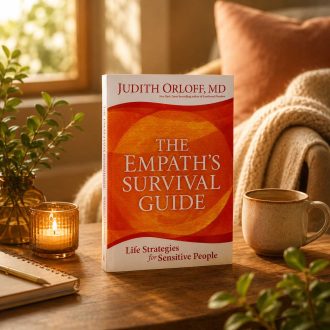
Some people also enjoy pairing this kind of reflection with a journal, a quiet walk, a few minutes of mindful breathing, or reading from books that deepen emotional awareness. These practices don’t make someone more compassionate overnight, but they can gradually strengthen the habits that support healthier relationships and greater emotional resilience.
The intention matters far more than the ritual itself. Whether your practice lasts two minutes or twenty, what you’re cultivating is the ability to meet both yourself and others with greater warmth, patience, and thoughtful care.
Conclusion
Empathy and compassion are often spoken about as though they’re interchangeable, but understanding their differences can transform the way we relate to ourselves and the people around us.
Empathy invites us into another person’s experience. It asks us to pause our assumptions, listen with genuine curiosity, and recognize emotions that may be difficult to put into words. Compassion takes that understanding one step further by asking how we can respond with care, kindness, and wisdom. Sometimes that response is practical help. Sometimes it’s a reassuring presence. Sometimes it’s simply respecting another person’s journey without trying to take it over.
Neither empathy nor compassion is about having the perfect words or always knowing the right thing to do. In fact, some of the most meaningful moments in relationships happen when someone feels fully heard before any solutions are offered. Feeling understood has a way of easing emotional isolation, even when life’s circumstances haven’t changed.
It’s also worth remembering that these qualities deserve to flow in both directions. Offering empathy and compassion to others while withholding them from yourself often leads to exhaustion. Extending the same patience, grace, and understanding inward creates a healthier foundation for showing up in your relationships with authenticity rather than depletion.
You don’t have to become perfectly empathetic or endlessly compassionate to make a difference. Small choices—listening a little longer, asking one more thoughtful question, or responding with kindness instead of judgment—can gradually change the way you experience connection. Over time, those moments become habits, and those habits become part of the kind of person you choose to be.
Ultimately, empathy helps us understand that no one wants to feel alone in their struggles. Compassion reminds us that even simple acts of care can help lighten the weight another person is carrying. Together, they create relationships built not on fixing people, but on helping them feel seen, respected, and genuinely supported.
Frequently Asked Questions
Is empathy the same as compassion?
No. Empathy is the ability to understand or emotionally connect with another person’s experience, while compassion includes a desire to respond with kindness or supportive action. They often work together, but they are distinct emotional processes.
Which is more important, empathy or compassion?
Neither is inherently more important. Empathy helps build understanding and emotional connection, while compassion encourages caring responses. Healthy relationships often benefit from both working together rather than choosing one over the other.
Can you be compassionate without feeling empathy?
Yes. Someone may not fully understand another person’s emotional experience yet still choose to respond with patience, generosity, and care. Compassion is rooted in concern for another person’s well-being, even when their experience is different from your own.
Can empathy become emotionally exhausting?
It can. People who naturally absorb the emotions of others sometimes find themselves carrying emotional burdens that aren’t theirs to hold. Developing healthy boundaries and balancing empathy with compassion can make caring for others more sustainable over time.
How can I become more empathetic?
Empathy grows through intentional practice. Listening without interrupting, asking thoughtful questions, becoming curious about another person’s perspective, and resisting the urge to immediately offer solutions can all strengthen empathetic understanding. Like any relational skill, empathy develops through consistent, everyday interactions.
Does compassion always mean helping someone solve their problems?
No. Compassion isn’t defined by fixing problems. Sometimes the most compassionate response is simply being present, listening carefully, respecting someone’s wishes, or offering encouragement while allowing them to navigate their own challenges.
Why do people confuse empathy and compassion?
The two experiences often happen together, making them easy to mistake for one another. In many conversations, someone first empathizes by understanding another person’s feelings and then expresses compassion through supportive action. Because they naturally complement each other, the distinction isn’t always obvious until you look more closely.


Where softness, self-awareness, and emotional healing are allowed to coexist. Through reflective writing, grounding rituals, and intentional beauty, Sparrow Trades offers gentle support for sensitive souls learning to reconnect with themselves.