For centuries, the word witchcraft has inspired curiosity, fascination, misunderstanding, and debate. To some people, it evokes images from folklore, fairy tales, or popular films filled with spellbooks, broomsticks, and magical powers. To others, it represents a deeply personal spiritual practice rooted in nature, symbolism, intention, and self-reflection.
Across cultures and throughout history, the meaning of witchcraft has shifted dramatically, shaped by religion, politics, tradition, and storytelling. Today, there is no single definition that captures every person’s understanding of witchcraft. Instead, it serves as an umbrella term for a wide range of practices, beliefs, and cultural traditions.
Some people practice witchcraft as part of a recognized religion, such as Wicca, while others approach it as a secular practice centered on mindfulness, ritual, creativity, or connection with the natural world. Many practitioners emphasize personal growth, seasonal rhythms, ancestral traditions, or symbolic rituals rather than supernatural abilities.
Because witchcraft has been portrayed so differently across history, it is also one of the most misunderstood spiritual topics. Historical witch trials, folklore, literature, and modern entertainment have all contributed to assumptions that often fail to reflect how many contemporary practitioners actually live and practice.
Understanding witchcraft begins with recognizing that practices vary widely between individuals and traditions. There is no universal set of beliefs, required rituals, or single governing authority. One person’s experience may center around meditation and journaling, while another may focus on herbal traditions, seasonal celebrations, or cultural customs passed through generations.
Many people are drawn to witchcraft not because they are seeking certainty or supernatural answers, but because they are looking for ways to create meaning, slow down, connect with nature, or cultivate intentional living. Others simply want to understand a topic that has been misunderstood for generations.
For some readers, this kind of exploration may also connect to a broader interest in emotional wellness or spirituality for emotional wellness, especially when spiritual curiosity becomes part of a larger search for meaning, grounding, and self-understanding.
Throughout this article, we’ll explore what witchcraft is, how its meaning has evolved over time, how it differs from religions such as Wicca, and why it continues to resonate with people from many different backgrounds. We’ll also examine common misconceptions, explore how witchcraft is practiced today, and share thoughtful resources for readers who wish to continue learning with curiosity, respect, and an open mind.
What Is Witchcraft?
At its broadest, witchcraft refers to a collection of spiritual, cultural, symbolic, or ritual practices that individuals use to express beliefs, intentions, or their relationship with the natural world. Rather than describing one specific religion or philosophy, witchcraft encompasses many traditions that have developed across different cultures and periods of history.
For some practitioners, witchcraft is closely connected to spirituality or religious belief. Others approach it as a personal practice that encourages reflection, mindfulness, creativity, or connection with nature without following any particular faith. Because of this diversity, two people who both identify as witches may have very different beliefs, values, and daily practices.
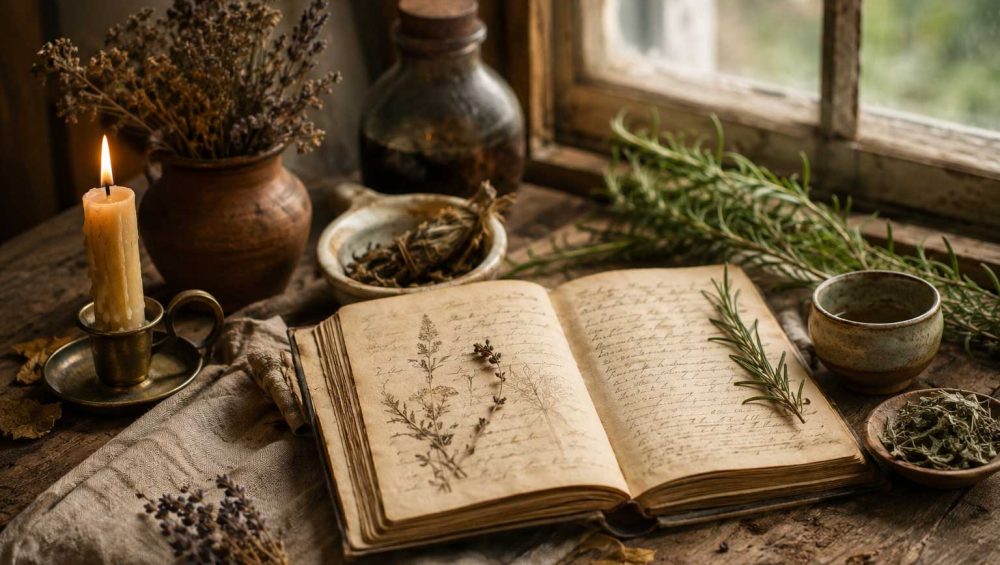
Many forms of witchcraft involve symbolic rituals. These might include working with candles, herbs, seasonal celebrations, meditation, journaling, or creating intentional spaces for reflection. Some practitioners also incorporate practices involving crystal healing, believing that certain stones carry symbolic or spiritual significance, while others simply appreciate crystals for their beauty, history, or personal meaning.
Beliefs about crystals vary widely, and scientific evidence does not support metaphysical claims associated with them. Readers who are curious about the broader language around stones may appreciate exploring gemstones as a gentle foundation before moving into more specific spiritual or symbolic traditions.
Nature often plays an important role within many witchcraft traditions. Observing the changing seasons, honoring cycles of growth and rest, and cultivating a greater awareness of the natural world are common themes. These practices can encourage mindfulness and intentional living, regardless of whether someone interprets them through a spiritual, religious, or secular lens.
People are also sometimes surprised to learn that witchcraft is not the same thing as Wicca. Wicca is a modern religion with its own beliefs, ethical principles, and traditions, whereas witchcraft itself can exist both within and outside religious frameworks. Likewise, not everyone who practices witchcraft identifies as Pagan, and not every Pagan practices witchcraft.
Ultimately, witchcraft is best understood as a broad and evolving tradition rather than a single set of rules. Its meaning depends on the individual, their cultural background, and the personal significance they find in their practices.
The History of Witchcraft
The history of witchcraft stretches back thousands of years, although the meaning of the word has changed dramatically over time. Across many ancient civilizations, people practiced rituals involving herbs, prayers, healing traditions, divination, and ceremonies intended to seek guidance, protection, or connection with the natural world. These practices were often woven into everyday community life rather than viewed as something separate or mysterious.
As societies evolved, attitudes toward these traditions also changed. During parts of medieval and early modern Europe, fears surrounding witchcraft became deeply intertwined with religious conflict, political instability, and social tensions. Between the 15th and 18th centuries, thousands of people, many of them women, were accused of practicing witchcraft during periods now known as the European witch hunts. Similar accusations also occurred in colonial America, most famously during the Salem witch trials.
Historians widely recognize that these persecutions were influenced by a complex mixture of fear, superstition, legal systems, gender expectations, and political pressures rather than evidence of organized magical practices. Today, the witch trials are often studied as cautionary examples of how fear and misinformation can lead to injustice.
The modern understanding of witchcraft began taking shape during the 19th and 20th centuries as interest grew in folklore, ancient traditions, nature-based spirituality, and personal spiritual exploration. New movements emerged that sought to reclaim the word witch from centuries of stigma, giving it new meaning centered on personal practice, symbolism, and respect for the natural world.
Today, witchcraft continues to evolve. Some practitioners draw inspiration from historical traditions, while others create personal practices that reflect their own beliefs and experiences. Rather than representing one unified movement, modern witchcraft reflects a diverse community of individuals whose practices may range from deeply spiritual to entirely symbolic, each shaped by their own values, culture, and understanding.
As witchcraft evolved through history, so did the many ways people understand and practice it today.
Is Witchcraft a Religion?
One of the most common questions people ask is whether witchcraft is a religion. The answer is both simple and nuanced: witchcraft itself is not inherently a religion, although it can be practiced as part of one.
Many people associate witchcraft with Wicca, a modern Pagan religion founded in the mid-20th century. Wicca includes its own beliefs, ethical principles, seasonal celebrations, and spiritual worldview. Many Wiccans practice witchcraft, but not everyone who practices witchcraft is Wiccan.
Outside of Wicca, there are countless other ways people approach witchcraft. Some identify as Pagan, following nature-centered spiritual traditions that may honor multiple deities, ancestral practices, or seasonal cycles. Others draw from cultural or folk traditions that have been passed through families or communities for generations.
There are also practitioners who describe themselves as secular witches. Rather than viewing witchcraft through a religious lens, they may use rituals, meditation, journaling, symbolism, or intentional practices as tools for reflection, creativity, or personal growth. For these individuals, witchcraft functions more like a personal philosophy or mindfulness practice than a system of worship.
Some people even combine witchcraft with other religious traditions. Christian witches, Jewish witches, Buddhist practitioners, and individuals from many other faith backgrounds have described incorporating symbolic rituals into their existing beliefs. Their perspectives and practices vary widely, and there is no universally accepted definition within these communities.
This diversity can feel surprising to someone encountering witchcraft for the first time. Unlike many organized religions, there is no central authority that determines what every practitioner must believe or how they should practice. Individual experiences, cultural backgrounds, and personal convictions shape each person’s path.
Understanding this distinction helps explain why conversations about witchcraft often produce different answers. When someone says they practice witchcraft, they may be referring to a religious path, a spiritual discipline, a cultural tradition, a symbolic practice, or a deeply personal way of engaging with the world.
Common Practices Associated With Witchcraft
Although witchcraft varies greatly from person to person, many traditions share an emphasis on intentional living, symbolic ritual, and connection with nature. Rather than following one required set of practices, individuals often choose activities that align with their beliefs, values, and personal experiences.
One common practice involves creating rituals that encourage mindfulness and reflection. Lighting a candle before meditation, writing intentions in a journal, observing the changing seasons, or setting aside quiet moments for gratitude can become meaningful ways to slow down and reconnect with oneself. These rituals often serve as reminders to live with greater awareness rather than attempts to control external events.
Many practitioners also work with herbs, flowers, natural objects, or seasonal decorations that carry symbolic meaning within their tradition. These items may represent protection, abundance, renewal, courage, or other personal intentions. Their significance depends largely on the individual’s beliefs and cultural background.
Some people incorporate crystals into their practice as symbols of intention or spiritual reflection. For example, individuals may feel drawn to amethyst, black tourmaline, or lapis lazuli because of traditional associations found within certain spiritual communities. While many practitioners find personal meaning in these traditions, scientific evidence does not support metaphysical claims about crystals, and experiences vary from person to person.
Moon phases and seasonal festivals are also meaningful within many forms of witchcraft. Observing the solstices, equinoxes, or lunar cycles can provide opportunities to pause, reflect on life’s rhythms, and celebrate moments of transition throughout the year.
Meditation, visualization, breathwork, and personal reflection frequently appear alongside these practices. Rather than focusing on supernatural experiences, many practitioners describe these activities as ways to cultivate presence, clarity, and intentional decision-making.
Ultimately, there is no checklist that defines authentic witchcraft. What matters most is the meaning individuals find within their chosen practices and how those practices support their personal values, spirituality, or relationship with the natural world.
Common Misconceptions About Witchcraft
Few topics have accumulated as many misconceptions as witchcraft. Much of what people believe today has been shaped by centuries of folklore, religious conflict, sensational stories, and popular entertainment rather than the lived experiences of modern practitioners.
One of the most persistent myths is that witchcraft is synonymous with evil or the worship of the devil. Historically, these ideas emerged during periods of fear and persecution, particularly in Europe and colonial America, where accusations of witchcraft were often tied to religious, political, and social tensions. Modern practitioners frequently note that these historical narratives do not accurately represent the beliefs or practices of many contemporary witches.
Another common misconception is that all witches perform elaborate spells or claim supernatural powers. In reality, many people who practice witchcraft focus on symbolic rituals, personal reflection, seasonal observances, meditation, or creative expression. Their practices may look more like intentional habits than dramatic scenes portrayed in films or television.
People also sometimes assume that every witch follows the same beliefs. In truth, witchcraft encompasses a wide variety of traditions, philosophies, and cultural influences. Some practitioners work within established religious frameworks, while others develop highly personal practices based on their own experiences and values.
Media portrayals have reinforced many stereotypes over the years, from pointed hats and broomsticks to magical battles and mysterious potions. While these images have become cultural icons, they rarely reflect the diversity or complexity of real-world practices. Many practitioners instead emphasize mindfulness, respect for nature, personal responsibility, and ongoing learning.
Approaching witchcraft with curiosity rather than assumptions creates space for more meaningful conversations. Whether someone ultimately embraces, questions, or simply studies these traditions, understanding their historical and cultural context offers a richer perspective than stereotypes alone can provide.
Witchcraft Today
Modern witchcraft is remarkably diverse. While historical accounts often focus on fear or persecution, many contemporary practitioners describe witchcraft as a deeply personal path of self-discovery, intentional living, and connection with the world around them. There is no single way to practice, and many people adapt traditions to reflect their own beliefs, cultural backgrounds, and life experiences.
For some, witchcraft provides a framework for honoring the changing seasons, spending more time in nature, or creating meaningful rituals that encourage mindfulness and gratitude. Others are drawn to historical folk traditions, ancestral customs, or creative practices that help them feel grounded in everyday life. Many practitioners view rituals less as attempts to control the future and more as opportunities to pause, reflect, and act with intention.
The growth of online communities has also made witchcraft more accessible than ever before. Books, podcasts, educational websites, and social media allow people to learn about different traditions, although the quality and accuracy of information can vary significantly. Because of this, many experienced practitioners encourage newcomers to approach the subject with curiosity, critical thinking, and respect for the cultures and histories from which various traditions originate.
It’s also becoming increasingly common for people to borrow individual practices such as meditation, journaling, nature walks, or seasonal reflection without identifying as witches. Others may appreciate the symbolism of rituals while interpreting them through a completely secular lens. These approaches illustrate how personal and adaptable modern witchcraft has become.
For readers who feel drawn to this softer, reflective side of spiritual practice, spirituality for emotional wellness can be a grounding next step, especially when the deeper question is not only what witchcraft is, but how spiritual curiosity can support a more intentional inner life.
Ultimately, witchcraft today is less about fitting into a predetermined identity and more about discovering practices that align with one’s values, beliefs, and relationship with the natural world. Whether someone is exploring it from a historical, cultural, spiritual, or purely educational perspective, the journey is often one of thoughtful learning rather than certainty.
Complementary Resources for Your Journey
If this article has sparked your curiosity, you don’t have to decide what you believe today. Learning itself can be a meaningful first step. Many people simply enjoy exploring the history, symbolism, and diverse traditions connected with witchcraft while discovering which ideas resonate with their own values and worldview.
The following resources can offer thoughtful ways to continue learning at your own pace.
Exploring Witchcraft Through Crystals
Throughout history, many witchcraft traditions have incorporated crystals into symbolic or spiritual practices. Some practitioners believe certain stones support particular intentions, while others simply appreciate them as beautiful reminders of personal values or meaningful moments. Scientific evidence does not support metaphysical claims about crystals, but many people enjoy including them as part of reflective or spiritual practices.
If this aspect of witchcraft interests you, you might enjoy exploring witchcraft crystals traditionally associated with modern spiritual practices, including amethyst, black tourmaline, and lapis lazuli. You may also find value in learning about crystal symbolism, the history of crystal traditions, and the different ways people choose to incorporate gemstones into personal rituals.
For readers interested in exploring further, gemstones for emotional wellness can offer a broader, gentle entry point into how stones are sometimes used symbolically within personal wellness and spiritual reflection.
Continue Learning Through Books
Books remain one of the most valuable ways to understand witchcraft beyond popular culture. Well-researched authors can provide historical context, explain different traditions, and introduce readers to the wide variety of beliefs that exist within modern practice.
If you’re just beginning, introductory books that explore the history of witchcraft and modern Pagan traditions often provide a balanced foundation. As your interests develop, you may wish to explore works focused on folklore, herbal traditions, symbolism, cultural history, or specific branches of contemporary witchcraft.
Rather than searching for quick answers, consider choosing resources that encourage thoughtful exploration and present multiple perspectives. Witchcraft has never been a single tradition, and the best books reflect that diversity.
Journaling and Personal Reflection
Whether or not someone chooses to practice witchcraft, journaling can become a meaningful companion for self-discovery. Recording personal reflections, seasonal observations, dreams, intentions, or questions creates space to notice patterns and deepen self-awareness over time.
Many practitioners use journals as private places to document rituals, gratitude, creative ideas, or experiences in nature. Others simply enjoy slowing down long enough to reflect on what they’re learning and how their perspectives continue to evolve.
A dedicated journal can become less about finding the right answers and more about observing your own journey with curiosity and honesty.
Jewelry Inspired by Nature and Intention
For some people, jewelry serves as more than an accessory; it becomes a quiet reminder of personal values, important milestones, or meaningful intentions. Natural gemstone jewelry is often chosen because of its symbolism, beauty, or connection to a particular season of life.
Some individuals enjoy wearing amethyst, black tourmaline, lapis lazuli, or other stones connected with various spiritual traditions. Others simply appreciate the craftsmanship and natural beauty of these stones without attaching spiritual meaning to them.
If symbolic adornment feels meaningful to you, gemstone jewelry can be a natural place to explore pieces chosen for beauty, intention, and personal resonance.
Conclusion
Witchcraft has carried many meanings throughout history, and no single definition can fully capture its diversity. For some people, it is a spiritual path rooted in nature, symbolism, and ritual. For others, it is a cultural tradition, a historical subject, or simply an area of personal curiosity. These different perspectives are not mutually exclusive; they reflect the many ways individuals and communities have sought meaning, connection, and understanding throughout the centuries.
Learning about witchcraft also reminds us of the importance of looking beyond stereotypes. Popular culture has often portrayed witches through fantasy, fear, or sensationalism, while history reveals a far more complex story shaped by changing beliefs, social pressures, and cultural traditions. Modern practitioners continue to redefine what witchcraft means for themselves, often emphasizing intentional living, personal reflection, creativity, and a respectful relationship with the natural world.
Whether you approach witchcraft from an academic, historical, spiritual, or simply curious perspective, there is value in exploring the topic with openness and critical thinking. Understanding different beliefs and traditions does not require adopting them. Instead, it offers an opportunity to appreciate the rich diversity of human experience and the many ways people throughout history have searched for purpose, comfort, and belonging.
If this article has inspired you to continue learning, allow your curiosity to guide your next steps. You may find yourself drawn to the history of witchcraft, the symbolism of crystals and herbs, the role of seasonal traditions, or the stories of people who practice today. Others may simply enjoy learning about a subject that has long been misunderstood.
Whatever your perspective, approaching witchcraft with respect, thoughtful questions, and reliable sources creates space for deeper understanding. Curiosity does not require certainty, and learning does not require agreement. Sometimes the most meaningful discoveries begin not with having all the answers, but with being willing to explore unfamiliar ideas with an open mind and a genuine desire to understand.
Frequently Asked Questions
Is witchcraft a religion?
Not necessarily. Witchcraft is generally considered a practice rather than a religion. While many people practice witchcraft within religions such as Wicca or other Pagan traditions, others approach it as a secular, cultural, or personal spiritual practice. There is no single belief system that every practitioner follows, which is why experiences and perspectives can differ significantly.
Is witchcraft the same as Wicca?
No. Although the two terms are often used interchangeably, they are not the same. Wicca is a modern Pagan religion with its own beliefs, rituals, ethics, and holidays. Witchcraft, on the other hand, refers to a broad collection of practices that may exist within Wicca, other religions, cultural traditions, or entirely secular approaches.
What do people who practice witchcraft believe?
There is no universal answer. Some practitioners believe in deities, spirits, or energetic symbolism, while others focus on mindfulness, nature, seasonal cycles, personal intention, or psychological reflection. Many practitioners emphasize personal responsibility, respect for nature, lifelong learning, and creating meaningful rituals that reflect their individual values.
Do you have to believe in magic to practice witchcraft?
No. Some people understand magical practices literally, while others view rituals symbolically or psychologically. For many, rituals simply provide structured moments for reflection, intention setting, gratitude, or personal growth. Because witchcraft includes many different traditions, beliefs about magic vary considerably.
What are common tools used in witchcraft?
Practices differ widely, but common tools may include candles, herbs, journals, natural objects, tarot cards, crystals, incense, or seasonal decorations. These items often carry symbolic meaning for practitioners rather than serving a universal purpose. Many people also practice without using any physical tools at all.
Are crystals required for witchcraft?
No. Although some practitioners enjoy incorporating crystals into their personal practice, they are entirely optional. Scientific evidence does not support metaphysical claims about crystals, and many witches never use them. Others simply appreciate gemstones for their symbolism, beauty, or connection to nature.
Is witchcraft connected to nature?
Many traditions place a strong emphasis on observing nature, honoring seasonal changes, and appreciating the rhythms of the natural world. However, not every practitioner follows nature-based traditions in the same way. The role of nature depends on the individual’s beliefs, cultural background, and personal practice.
Why has witchcraft been misunderstood throughout history?
Historical misunderstandings often developed during periods of religious conflict, political instability, and widespread fear. Witch trials, folklore, sensational literature, and modern entertainment have all contributed to stereotypes that do not accurately reflect the diversity of contemporary witchcraft. Today, many historians study these events to better understand how misinformation and social pressures influenced public perception.
Can someone learn about witchcraft without practicing it?
Absolutely. Many people study witchcraft from historical, cultural, anthropological, or religious perspectives without adopting any of its practices. Learning about different traditions can deepen one’s understanding of history, folklore, spirituality, and the many ways people seek meaning throughout the world.
How should beginners approach learning about witchcraft?
Begin with curiosity rather than assumptions. Reading balanced historical sources, exploring different traditions, and recognizing that no single practitioner speaks for everyone can provide a strong foundation. It’s also helpful to distinguish between historical facts, cultural traditions, personal beliefs, and fictional portrayals found in books, movies, and television.
Where softness, self-awareness, and emotional healing are allowed to coexist. Through reflective writing, grounding rituals, and intentional beauty, Sparrow Trades offers gentle support for sensitive souls learning to reconnect with themselves.