There are seasons of life when emotions feel heavier than usual. You may notice yourself carrying conversations long after they end, replaying difficult memories, or feeling emotionally exhausted without fully understanding why. During these moments, many people find themselves searching for practices that encourage steadiness rather than intensity—gentle ways to reconnect with themselves without rushing the healing process.
This is where obsidian for emotional wellness often enters the conversation.
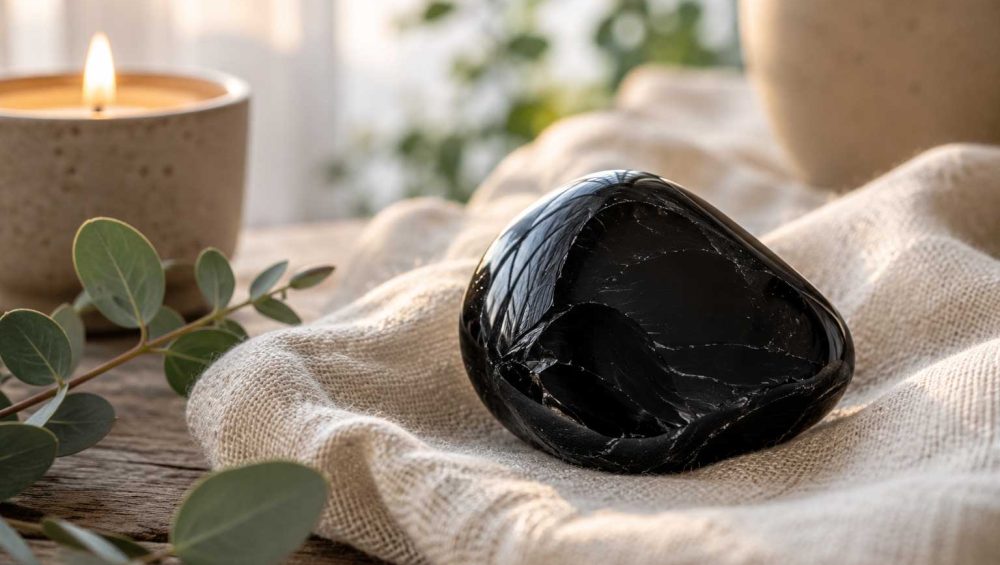
obsidian has long been admired for its smooth, glass-like appearance and deep black color. Formed through rapidly cooled volcanic lava, it reflects a remarkable transformation from intense natural forces into something both beautiful and enduring. For many people, that symbolism alone feels meaningful. While no gemstone can treat mental health conditions or replace professional support, obsidian is often chosen as a personal reminder of resilience, honesty, and emotional grounding.
Rather than promising quick emotional change, obsidian invites something quieter. It encourages moments of reflection, helping people slow down long enough to notice what they’re carrying emotionally. Whether placed on a desk, held during meditation, or worn as jewelry throughout the day, the stone often becomes less about mystical power and more about intentional awareness.
Many people are drawn toward crystal healing because it provides simple rituals that encourage mindfulness and presence. The value often comes not from the stone itself but from the pause it creates—the opportunity to check in with your thoughts, breathe more deeply, and reconnect with what feels true in the present moment. If you’re just beginning to explore crystal healing, understanding the practice as a reflective wellness ritual can provide a balanced foundation before choosing stones that resonate with you.
Obsidian also fits naturally within broader conversations about emotional wellness. Emotional wellness isn’t about avoiding difficult feelings or always remaining calm. Instead, it involves developing the ability to recognize emotions, respond thoughtfully, and care for yourself with compassion through life’s changing seasons. Sometimes the smallest daily rituals become meaningful anchors, reminding us to return to ourselves when life feels uncertain.
For those who appreciate symbolic practices, obsidian often represents courage rather than comfort. It encourages honest reflection, helping us acknowledge emotions we may have ignored while also reminding us that we have the capacity to move through them. That balance of awareness and steadiness is one reason obsidian continues to be one of the most recognized grounding gemstones today.
Why Obsidian Is Associated With Emotional Grounding
One of the qualities most often associated with obsidian is grounding. While everyone’s experience is personal, many people choose this gemstone during periods of emotional overwhelm because it symbolizes stability when thoughts and feelings seem scattered.
grounding doesn’t mean suppressing emotions or pretending everything is okay. Instead, it’s the practice of gently returning your attention to the present moment. When your nervous system feels overloaded, even simple grounding rituals can create a sense of safety and calm. If this feels like your current season, grounding for emotional wellness offers a broader understanding of how intentional daily practices can support emotional resilience.
The symbolism of obsidian complements this beautifully. Born from volcanic activity, the stone reflects transformation through pressure and change. Many people see that origin story as a reminder that difficult experiences can become part of personal growth rather than defining the future.
Its deep, reflective surface also encourages stillness. Unlike gemstones known for brightness or sparkle, obsidian feels quiet and understated. That visual simplicity often makes it appealing during times when life already feels emotionally noisy.
Some people enjoy pairing obsidian with mindfulness practices, such as sitting quietly for a few minutes each morning, noticing their breathing, or writing down emotions without judgment. Others simply keep the stone nearby as a physical reminder to pause before reacting to stressful situations.
If you’re exploring different grounding gemstones, you’ll notice that obsidian is often mentioned alongside stones like black tourmaline, hematite, and smoky quartz. Each carries its own symbolism, allowing people to choose the one that feels most personally meaningful rather than searching for a universally “best” option.
Ultimately, the greatest value of obsidian may not be the stone itself but the gentle habits it helps inspire. A small daily moment of reflection, repeated consistently over time, often becomes far more powerful than any object we hold.
Obsidian and Emotional Self-Reflection
One reason obsidian continues to resonate with so many people is its association with honest self-reflection. While some gemstones are connected with comfort or optimism, obsidian is often viewed as encouraging us to look inward with courage and compassion.
Self-reflection isn’t about criticizing yourself or searching for flaws. Instead, it’s about becoming curious. You might begin asking simple questions like:
- What am I feeling right now?
- What does my body need today?
- Is this emotion connected to the present moment, or something older that still needs attention?
These gentle moments of curiosity can strengthen emotional awareness over time. They create space between experiencing an emotion and immediately reacting to it.
Many people combine obsidian with journaling because the physical act of writing naturally slows racing thoughts. Others prefer quiet meditation or mindful walks outdoors, allowing the stone to become a symbolic companion rather than the focus of the practice itself.
If reflective practices feel unfamiliar, mindfulness for emotional wellness can be a gentle next step. Learning to observe thoughts without immediately judging or changing them often makes emotional growth feel less overwhelming.
Similarly, understanding nervous system regulation for emotional wellness reminds us that emotional clarity is easier to access when our bodies feel safe. Sometimes the most compassionate response isn’t solving every emotion immediately but first creating enough calm to listen to what those emotions are trying to communicate.
Obsidian serves as a meaningful reminder of that process. Rather than rushing toward answers, it symbolizes the quiet strength found in sitting with yourself honestly, trusting that greater understanding often unfolds one small moment at a time.
Using Obsidian as Part of an Emotional Wellness Practice
Obsidian doesn’t need elaborate rituals to become meaningful. In fact, many people find that the simplest practices are the ones they return to most consistently. Rather than viewing the stone as something that creates change on its own, it can become a gentle reminder to slow down, reconnect with yourself, and approach each day with greater intention.
One way to begin is by creating a small morning ritual. Before checking your phone or starting your to-do list, hold your obsidian for a few quiet breaths. Ask yourself what you need today instead of what you need to accomplish. This subtle shift encourages self-awareness before the demands of the day begin competing for your attention.
Others prefer to keep obsidian nearby during emotionally demanding moments. It might sit on a desk while working through a difficult project, rest beside a journal during evening reflection, or accompany a short meditation before bed. The stone itself isn’t doing the emotional work—you are. Its presence simply becomes a cue to return to habits that support emotional steadiness.
If your days often feel rushed or emotionally scattered, you may also appreciate building daily rituals with crystals into your routine. Small, repeatable moments of intention often become more sustainable than dramatic wellness overhauls because they meet your nervous system where it is instead of demanding immediate transformation.
Some people also find it meaningful to pair obsidian with grounding practices such as:
- Slow, intentional breathing
- Walking outdoors
- Gentle stretching
- Quiet journaling
- Drinking water before beginning the day
- Creating a few moments of silence before sleep
These practices help reinforce that emotional wellness is built through consistent care rather than perfection. Obsidian simply becomes part of a larger rhythm of paying attention to yourself with compassion.
Obsidian Compared With Other Grounding Gemstones
Every gemstone carries its own symbolism, which is why choosing one often feels deeply personal. While there is no universally “best” grounding stone, understanding the qualities commonly associated with each can help you decide what resonates with your current season of life.
Obsidian is frequently chosen by people seeking honest self-reflection and emotional grounding. Its volcanic origins symbolize transformation through pressure, making it meaningful for those navigating major life changes or processing difficult emotions.
By comparison, black tourmaline is often associated with creating a sense of emotional protection and healthy boundaries. Many people are drawn toward it when they feel emotionally overwhelmed by the environments or relationships around them.
hematite is another popular grounding gemstone, appreciated for its connection to stability, focus, and feeling rooted in the present moment. It often appeals to those who want a sense of steadiness during busy or stressful periods.
smoky quartz is frequently chosen by individuals looking to release emotional tension while maintaining a calm, balanced perspective. Its softer symbolism makes it appealing for people seeking gentle support during periods of transition.
Rather than asking which stone is strongest, consider asking which one reflects what you need most today. Emotional wellness is rarely about finding the perfect crystal. It’s about discovering practices and symbols that encourage you to care for yourself consistently.
As your journey evolves, you may even find yourself drawn toward different gemstones at different times. That flexibility reflects growth, not inconsistency. Just as our emotional needs change throughout life, the symbols that feel meaningful often change alongside them.
Wearing Obsidian With Intention
For many people, wearing gemstone jewelry offers a simple way to carry personal meaning throughout the day. An obsidian necklace or bracelet isn’t meant to solve emotional challenges, but it can become a quiet reminder of the intentions you want to return to when life becomes overwhelming.
Some people choose to wear obsidian during periods of transition, such as starting a new job, moving to a new home, healing after a difficult relationship, or navigating uncertainty. Others simply appreciate the stone’s minimalist beauty and enjoy attaching their own personal meaning to it over time.
The most meaningful intentions are often the simplest:
- I will respond with patience.
- I can pause before reacting.
- I deserve moments of rest.
- I can remain grounded even when life feels uncertain.
- I can acknowledge difficult emotions without letting them define me.
Repeating an intention isn’t about convincing yourself everything is okay. Instead, it creates a familiar emotional anchor that becomes easier to return to with practice.
If jewelry feels like the most natural way to incorporate gemstones into everyday life, you might appreciate exploring obsidian jewelry that reflects your personal style. Choosing a piece because it resonates emotionally often creates a stronger connection than selecting one based solely on trends or symbolism.
Many people discover that the jewelry eventually becomes less about the gemstone itself and more about the quiet promise it represents—a commitment to returning to themselves with greater honesty, gentleness, and resilience.
Caring for Obsidian Mindfully
Like many gemstones, obsidian benefits from thoughtful care, but caring for it can also become part of your emotional wellness practice.
Cleaning a stone isn’t simply about appearance. For many people, it becomes an opportunity to pause and reflect on their own emotional state. As they gently wipe away dust or place the stone somewhere safe, they’re reminded that caring for meaningful objects can mirror the way we care for ourselves—with consistency rather than urgency.
Some people include obsidian in their regular crystal cleansing routines, while others simply keep it clean and store it carefully when not in use. There is no single correct approach. What matters most is choosing practices that feel calming rather than stressful.
If symbolic rituals are meaningful to you, you may also appreciate learning how often to cleanse crystals or exploring trauma-informed crystal care, both of which encourage approaching gemstone practices with curiosity instead of rigid rules.
It’s equally important to remember that emotional wellness doesn’t depend on perfectly following any ritual. Missing a meditation session, forgetting to carry your stone, or setting your practice aside during a busy season doesn’t mean you’ve failed. Wellness grows through returning to yourself again and again, not through flawless consistency.
Obsidian reflects that lesson beautifully. Formed through intense natural forces yet polished smooth over time, it quietly reminds us that healing isn’t always dramatic. Often, it’s the steady accumulation of small, compassionate choices that shapes lasting emotional resilience.
Frequently Asked Questions About Obsidian for Emotional Wellness
Can obsidian improve emotional wellness?
Obsidian is not a medical or mental health treatment, and it shouldn’t be viewed as a replacement for therapy or professional care. However, many people incorporate obsidian into personal wellness practices because it symbolizes grounding, resilience, and honest self-reflection.
Often, the greatest benefit comes from the habits the stone encourages. Taking a few mindful breaths, journaling before bed, or pausing to notice how you’re feeling can all support emotional awareness. Obsidian simply becomes a meaningful reminder to practice those habits consistently.
What emotions is obsidian commonly associated with?
Obsidian is frequently associated with emotional grounding, courage, personal honesty, and resilience. Rather than encouraging people to avoid difficult emotions, it symbolizes the willingness to acknowledge them with compassion.
For some individuals, that means slowing down long enough to recognize emotional patterns. For others, it means creating space between an emotional trigger and an immediate reaction. Neither experience is right or wrong—the symbolism simply supports greater self-awareness.
Is obsidian good for grounding?
Grounding is one of the qualities most commonly connected with obsidian. Many people appreciate its connection to stability during periods of emotional stress or uncertainty.
Grounding doesn’t require complicated rituals. It may look like feeling your feet on the floor, taking several slow breaths, stepping outside for fresh air, or gently noticing your surroundings. If you’re interested in expanding these practices, grounding can become part of a broader emotional wellness routine that helps you reconnect with the present moment when life feels overwhelming.
Can I wear obsidian every day?
Yes. Many people enjoy wearing obsidian daily because jewelry provides a simple reminder of their personal intentions.
Whether you choose a necklace or bracelet, the value often lies in the meaning you attach to it. Every time you notice the piece, it becomes an opportunity to pause, breathe, and reconnect with the qualities you hope to cultivate—perhaps patience, steadiness, honesty, or self-compassion.
There are no rules about how often obsidian should be worn. The practice should feel supportive rather than restrictive.
Is obsidian better than black tourmaline or hematite?
Rather than asking which gemstone is better, it may be more helpful to consider which one reflects your current emotional needs.
Many people are drawn toward obsidian when they want to cultivate deeper self-reflection and emotional honesty.
Others feel more connected to black tourmaline because of its symbolism surrounding emotional boundaries and protection, while hematite often appeals to those seeking stability and focus.
Choosing a gemstone is ultimately a personal decision. What resonates during one season of life may naturally change during another.
How can beginners start using obsidian?
If you’re new to gemstones, start simply.
Spend a few quiet minutes holding the stone while taking slow breaths. Place it beside your journal, keep it on your desk, or wear it as jewelry if that feels meaningful. Rather than wondering whether you’re “doing it correctly,” focus on how the practice helps you become more present and emotionally aware.
Many people discover that consistency matters far more than complexity. A few intentional moments each day often become more meaningful than elaborate rituals performed only occasionally.
Conclusion
Emotional wellness is rarely built through dramatic breakthroughs. More often, it grows through quiet moments of honesty—pausing before reacting, recognizing what you’re feeling without judgment, and choosing to meet yourself with compassion again and again.
That is perhaps why obsidian continues to resonate with so many people.
Its volcanic origins remind us that transformation can emerge from life’s most intense experiences. Its smooth, reflective surface symbolizes the courage to look inward with curiosity rather than criticism. And its association with grounding encourages us to return to the present moment, even when our emotions feel uncertain or overwhelming.
Whether obsidian becomes part of your daily rituals or simply remains a beautiful reminder on a nearby shelf, its greatest value may be the invitation it offers: to slow down, listen to yourself, and remember that emotional resilience is built one gentle choice at a time.
As you continue exploring gemstones for emotional wellness, you may find that different stones speak to different seasons of your life. Some encourage grounding. Others inspire clarity, compassion, or hope. None replace the work of healing, but they can become meaningful companions along the journey.
Ultimately, the practice isn’t about finding the perfect gemstone. It’s about creating intentional moments that help you reconnect with yourself. When approached with curiosity, mindfulness, and realistic expectations, obsidian can serve as a quiet symbol of steadiness—a reminder that even in life’s most challenging seasons, you can continue moving toward greater understanding, resilience, and emotional well-being.

Where softness, self-awareness, and emotional healing are allowed to coexist. Through reflective writing, grounding rituals, and intentional beauty, Sparrow Trades offers gentle support for sensitive souls learning to reconnect with themselves.